Loading Wildlife…

Canidae (Wild Dogs) EN

THE

AFRICAN WILD DOG

Africa's Most Efficient Predator

Lycaon pictus

Africa
CLASS Mammalia FAMILY Canidae (Wild Dogs) GENUS Lycaon
66 km/h (41 mph)
Top Speed
⚖️
18–36 kg (40–79 lbs)
Max Weight
📏
75–141 cm (30–56 in)
Body Length
🕰️
10–12 years (wild)
Lifespan
🌍
6,000 – 6,600
Est. Left
🍖
Carnivore
Diet Type

IUCN Red List — Where this species stands

LC Least Concern
NT Near Threatened
VU Vulnerable
EN Endangered
CR Critical
EW Extinct Wild
EX Extinct

About the African Wild Dog

Lycaon pictus

Advertisement

Africa’s Most Efficient Predator

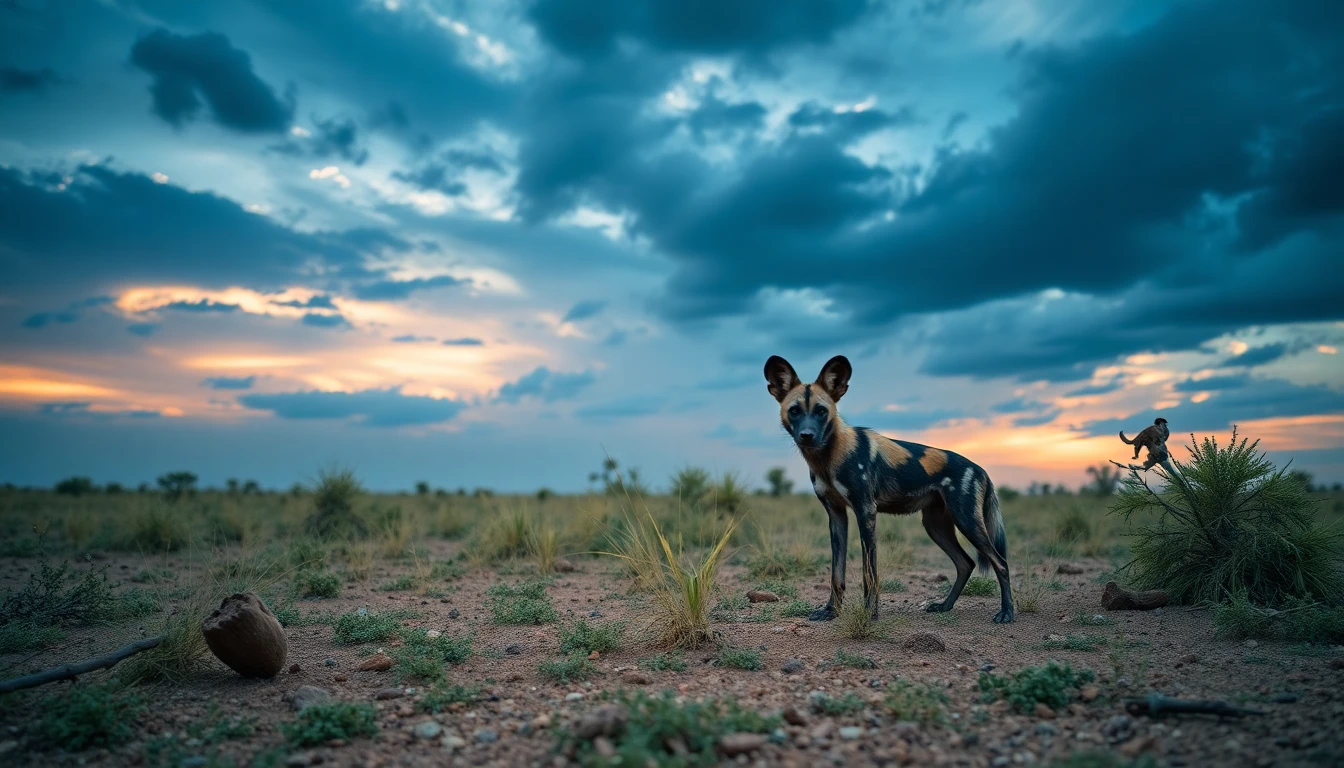
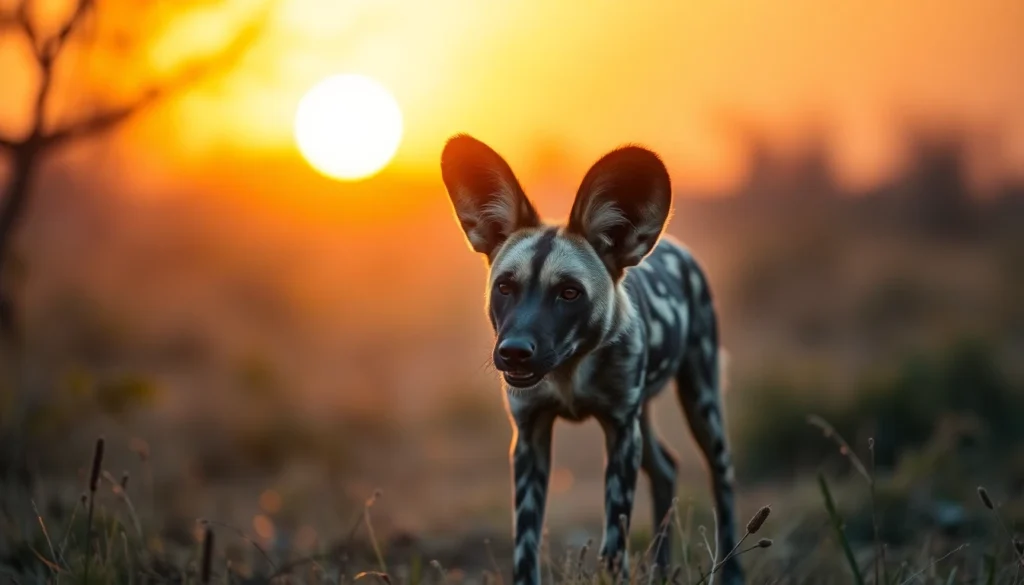
The African Wild Dog (Lycaon pictus), also called the painted wolf, achieves a kill rate of 74–80% of hunts — the highest of any large predator on Earth, outperforming lions (25%), leopards (38%), and cheetahs (58%). With fewer than 6,600 individuals remaining, this extraordinary predator is one of Africa’s most endangered mammals, persecuted for livestock predation and devastated by habitat fragmentation.

Democratic Pack Society

Wild dog social structure is radically different from wolves or lions. Decisions are made by democratic vote — the pack “sneezes” to indicate preferences for action, with sneezes functioning as votes (a minimum of 10 sneezes required to override the alpha pair’s decision in some studied packs). Food is shared equally with all pack members including injured, sick, and elderly individuals who cannot hunt — an unusual degree of cooperative altruism in predator societies. Pups always eat first.

The Long Chase: Persistence Hunting

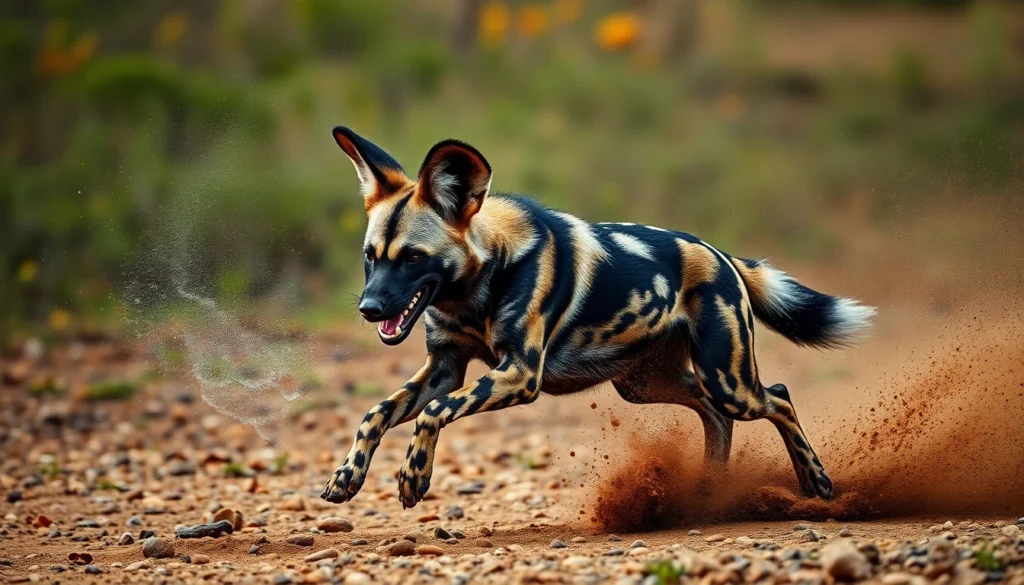
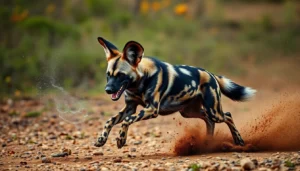
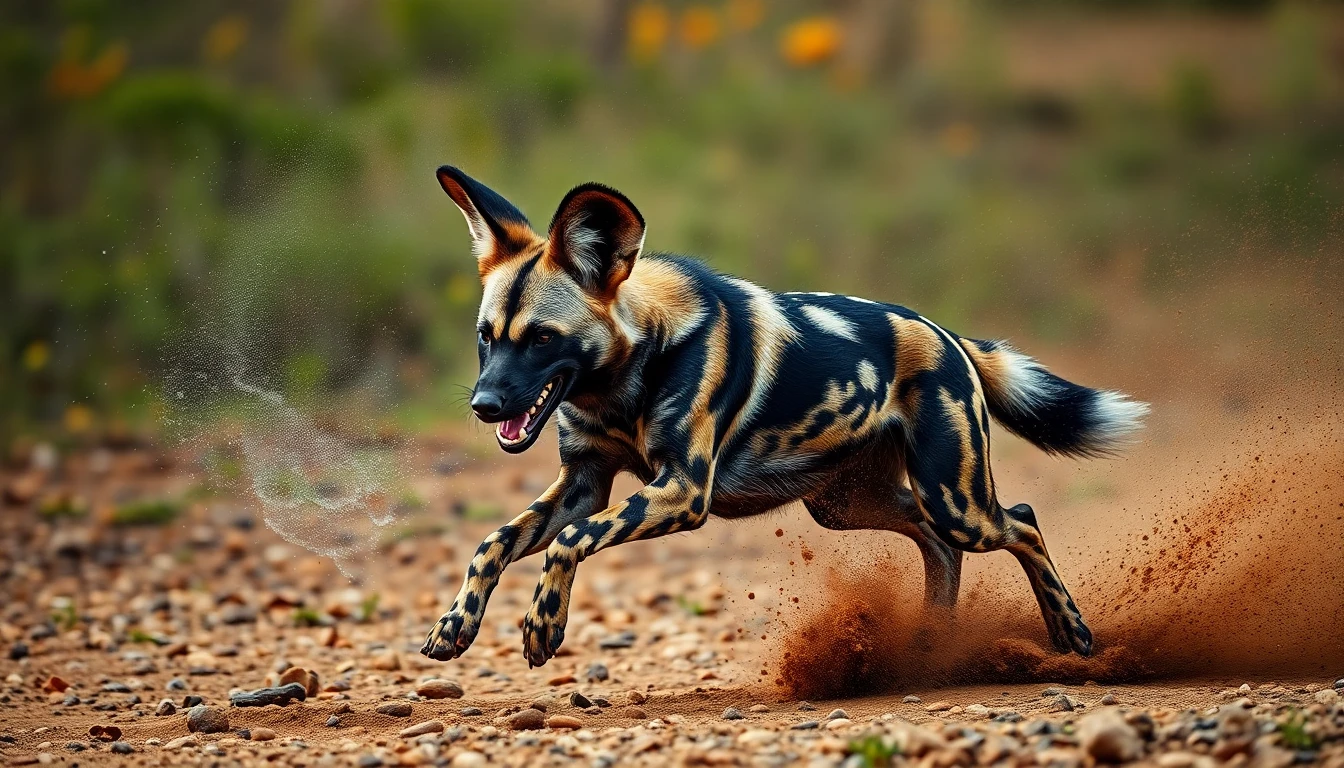
Wild dogs hunt using persistence — not speed. A pack selects prey and pursues at sustained speeds of 48–60 km/h for distances up to 5 km, relentlessly following the same individual while it tires. Unlike cheetahs that sprint and rest, wild dogs can maintain hunting pace for 10–60 minutes, covering terrain at speeds that eventually exhaust prey. The coordinated pack pursuit, with members taking turns at the front and signaling each other with contact calls, represents a level of cooperative hunting sophistication matched only by orcas in the marine environment.

Advertisement

Ears as Communication Satellites

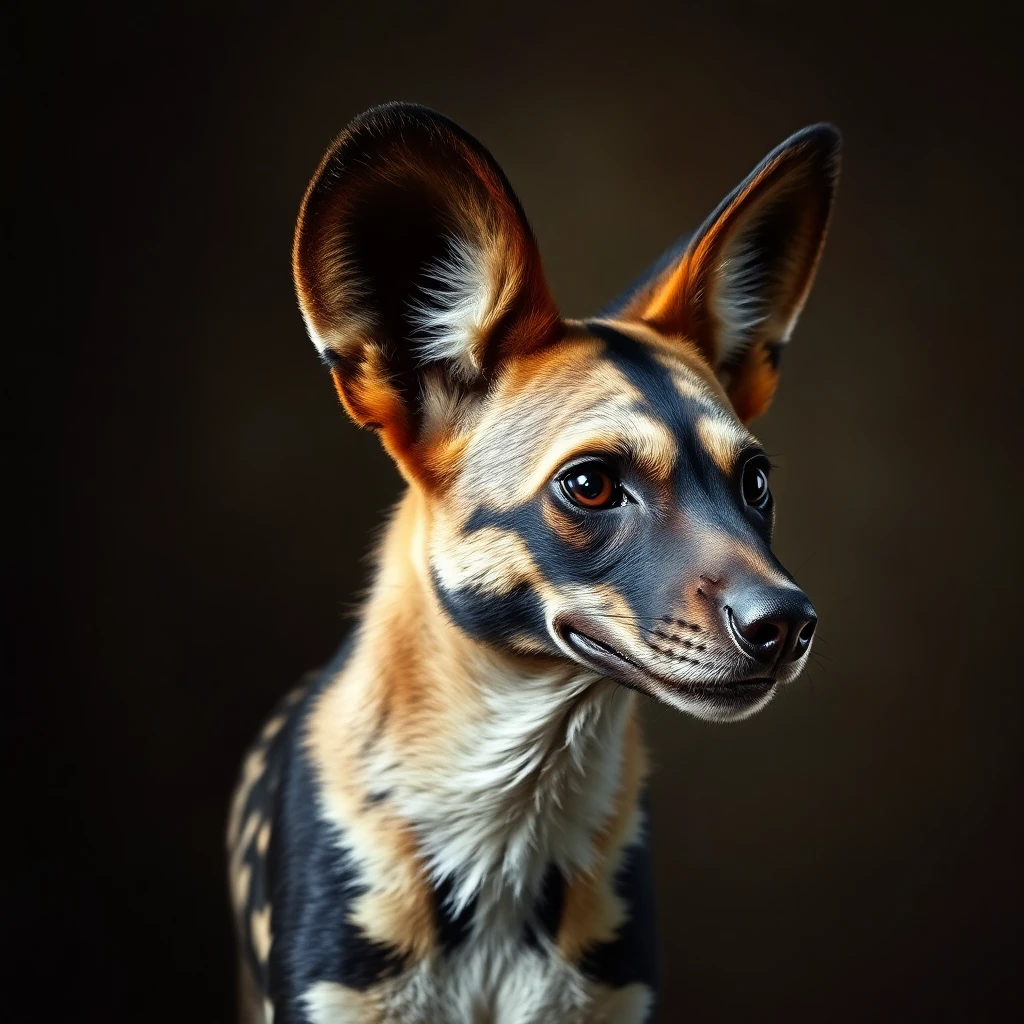
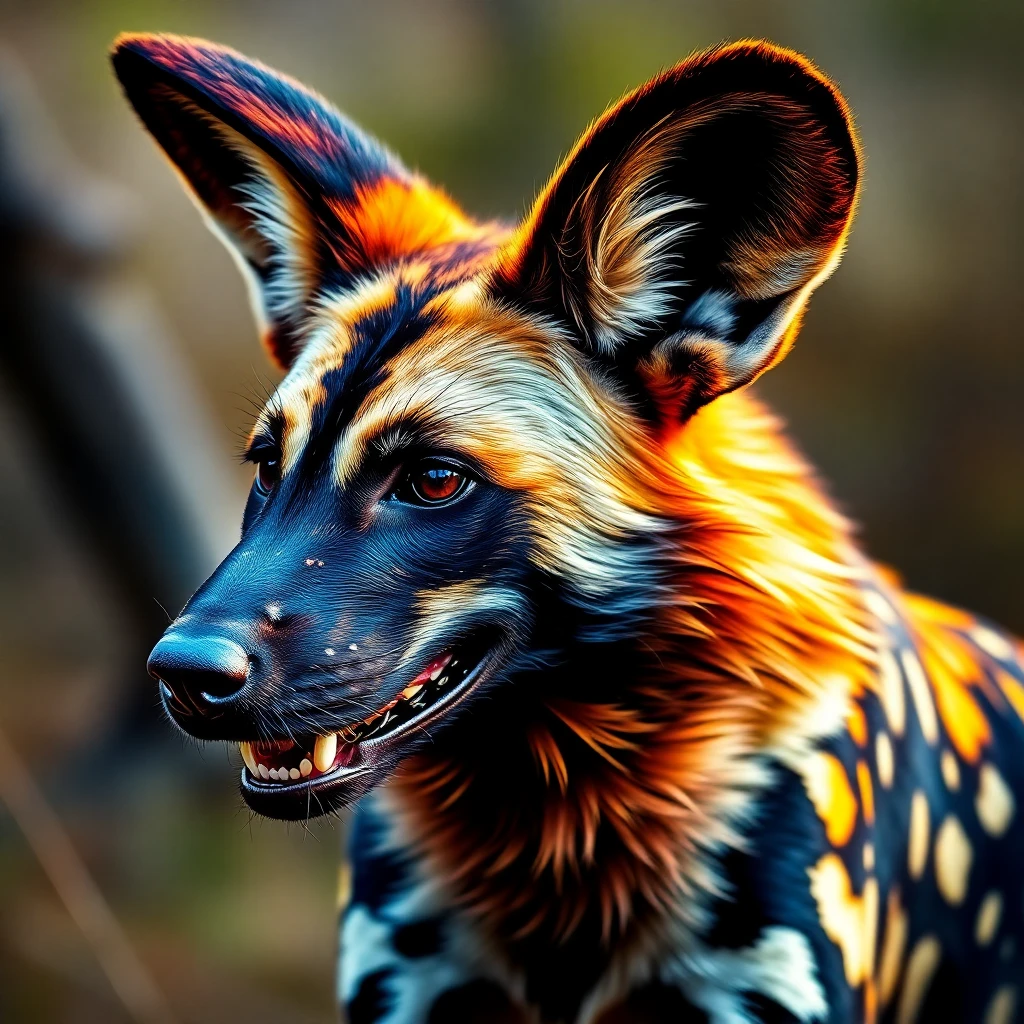
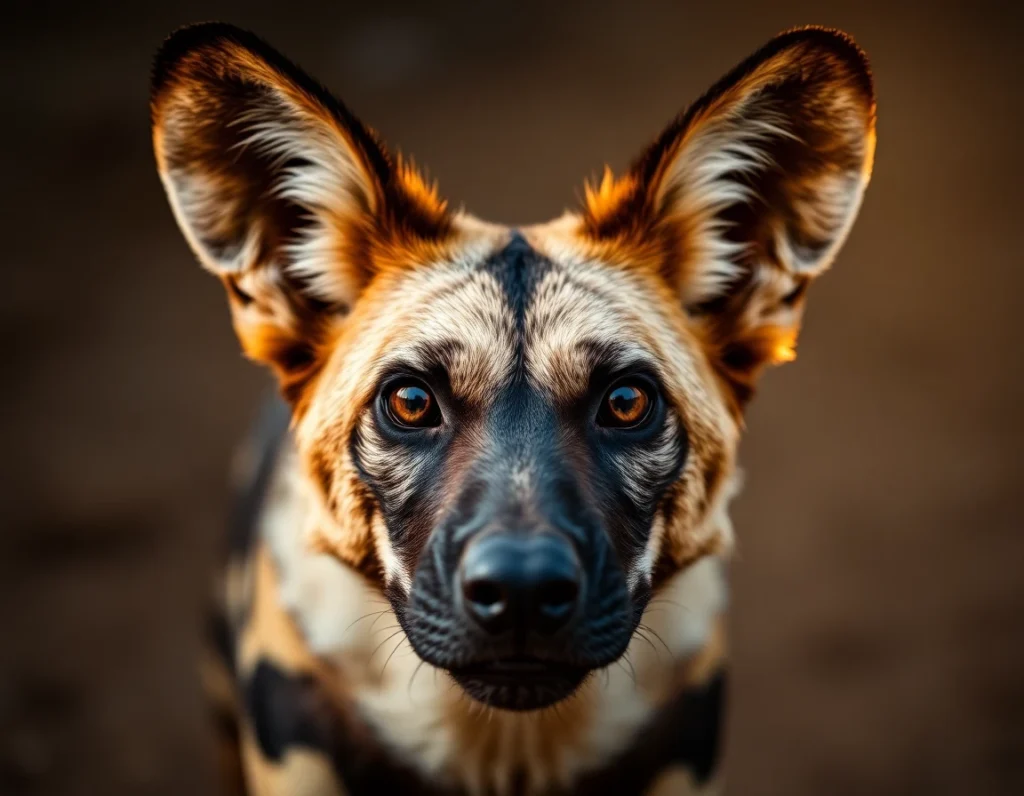
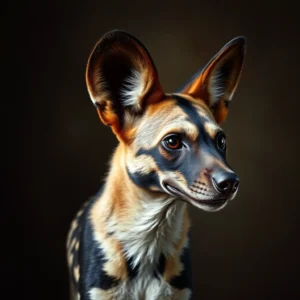
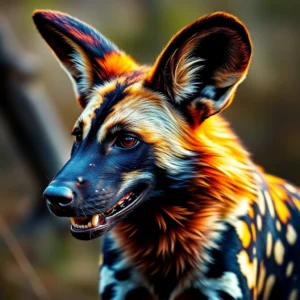
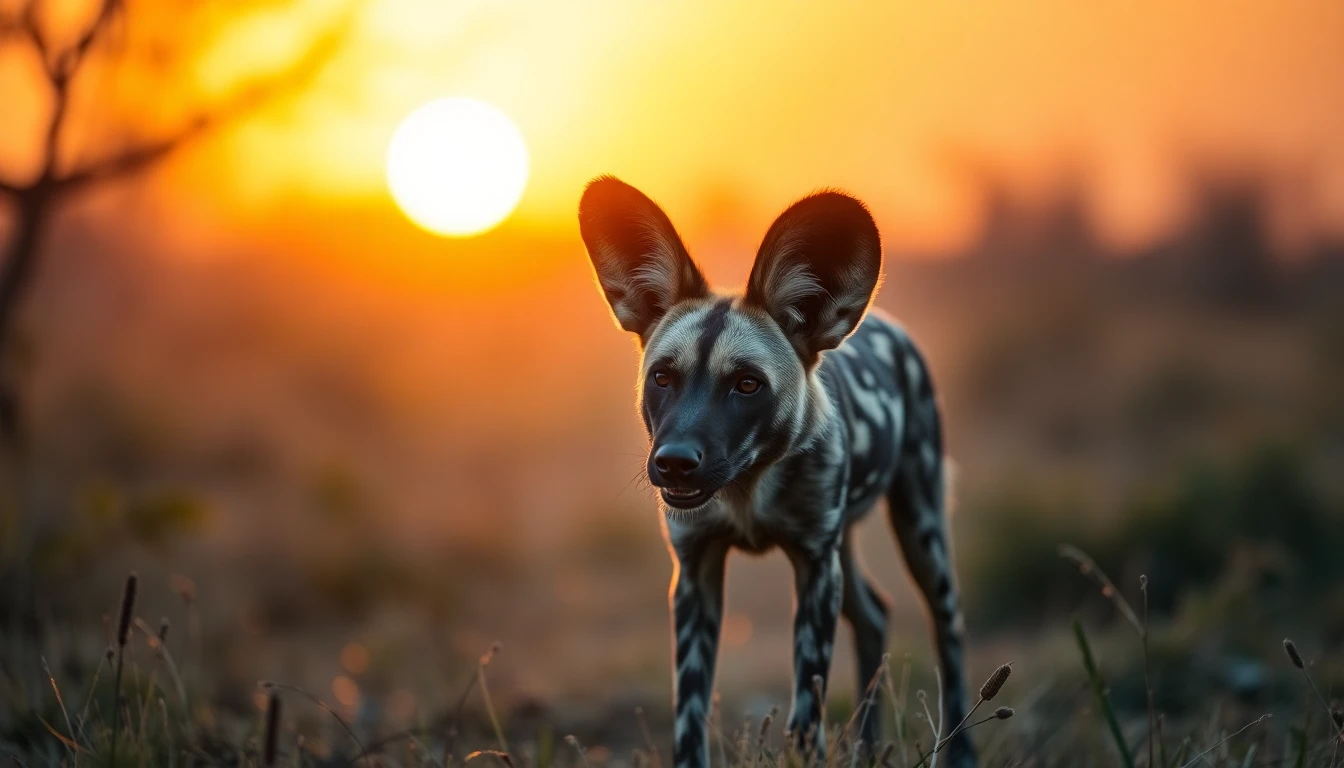
African wild dogs possess the most mobile, expressive ears in the canid family — large, rounded satellite-dish ears that can rotate independently and are used as primary communication tools alongside their unique coat patterns. Each dog has a unique coat mosaic of black, brown, and white patches that allows instant individual recognition across the pack. The ears signal emotional state (laid flat = submissive, forward = alert), and greeting ceremonies with ear flattening and face-licking are essential daily social rituals that reinforce pack cohesion.
⚡ Speed Comparison

Human
12 km/h
Car (city)
50 km/h
Horse
54 km/h
African Wild Dog
66 km/h

💡 Fun Facts

01

80% kill success rate — highest of any large predator

02

Pack votes by sneezing to decide whether to hunt

03

Pups always eat first — even before the alpha pair

04

Each dog has a unique painted coat — like a fingerprint

05

Can run 60 km/h for 30+ minutes without stopping

Unlock Expert Wildlife Facts

Watch a short 15-second video to unlock detailed expert analysis, exclusive wildlife photography, and rare behavioral facts.

📍 Where to Find This Animal

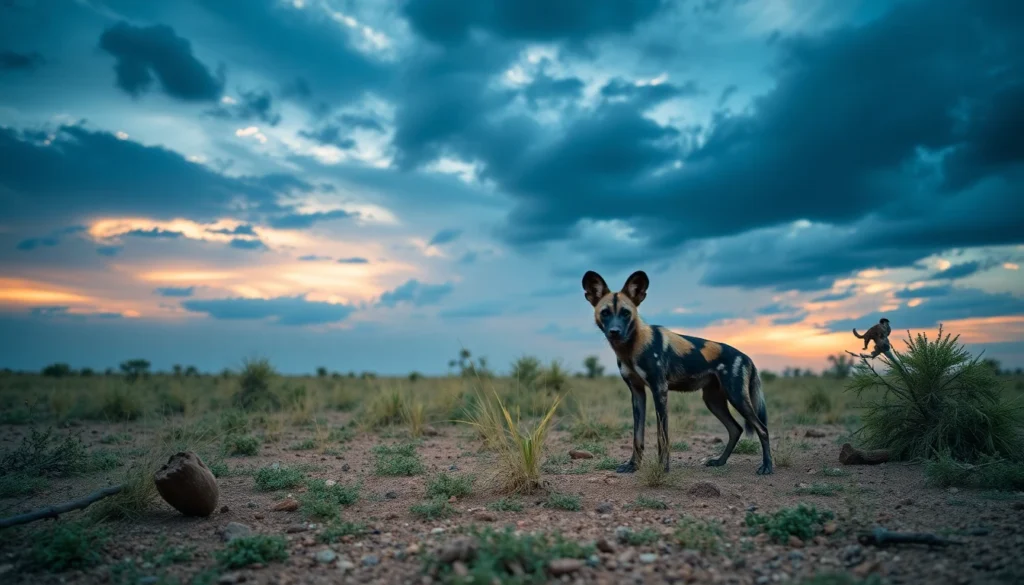
Habitat Types: Savanna & Grasslands

🛒 African Wild Dog Related Gear

As an Amazon Associate we earn from qualifying purchases.

Leave a Reply

Your email address will not be published. Required fields are marked *

Estimated Wild Population

6,000 – 6,600

African Wild Dog remaining in the wild

EN ▼ Population Declining

For context — New York City alone has 8 million people.
The entire wild population of the African Wild Dog could fit inside a single football stadium.

💡

Did You Know?

African Wild Dogs will care for injured pack members for weeks, bringing food back and waiting for them to recover before resuming their range.

What Does the African Wild Dog Eat?

Carnivore

🦌 Impala
🦌 Wildebeest
🦌 Reedbuck
🦌 Gazelle
🦌 Warthog
🦌 Kudu

Threats to the African Wild Dog

Human activity and habitat loss are pushing this species toward extinction

ud83eudda0

Disease

Canine distemper and rabies transmitted from domestic dogs wipe out entire packs.

ud83cudfd8ufe0f

Habitat Loss

Extensive territories mean wild dogs need huge spaces u2014 increasingly unavailable.

u2694ufe0f

Human Conflict

Poisoned and shot by farmers despite legal protection across much of their range.

ud83dude97

Road Kills

Wide-ranging packs frequently cross roads in fragmented habitats.

GEOGRAPHIC RANGE

Where Do African Wild Dogs Live?

🌍
Continents
🐾
Wild Population 6,000 – 6,600 estimated
📉
Population Trend Declining

Conservation in Action

How You Can Help the African Wild Dog

Small actions, taken together, can reverse the decline of species like this one

🌳 Protect Habitat

Support wildlife reserves and protected land corridors

🚫 Stop Poaching

Report illegal trade and back anti-poaching patrols

🔬 Fund Research

Camera-trap studies and population monitoring

🤝 Community Work

Partner with local herders to reduce conflict

📢 Raise Awareness

Educate and inspire future wildlife champions

"Without urgent action, the African Wild Dog could disappear from the wild within our lifetime."

PROTECT THEM. PRESERVE THEIR LEGACY.

The African Wild Dog's Future
Is In Our Hands

Every share, every donation, every voice raised — makes a difference for wildlife conservation.

🌳Protect Habitat
📢Raise Awareness
💰Fund Research
🤝Community Work
🚫Stop Poaching

Advertisement