Loading Wildlife…

LC

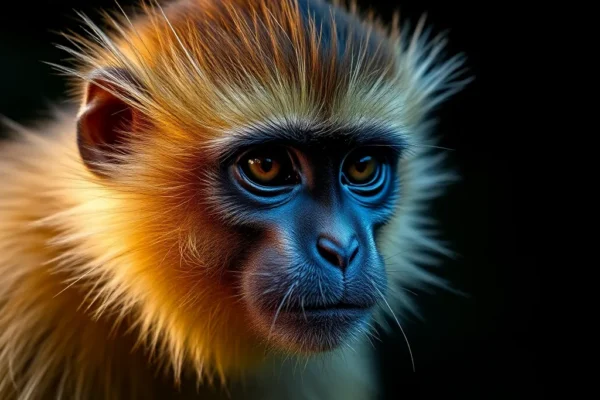
Langur

Semnopithecus entellus

  • 25 km/h
  • 11-21 kg
  • 20-30 years
Forest & Urban Areas

The Hanuman langur, or grey langur, is one of the most widespread and ecologically successful primates of the Indian subcontinent, equally at home in dense…

Explore
LC

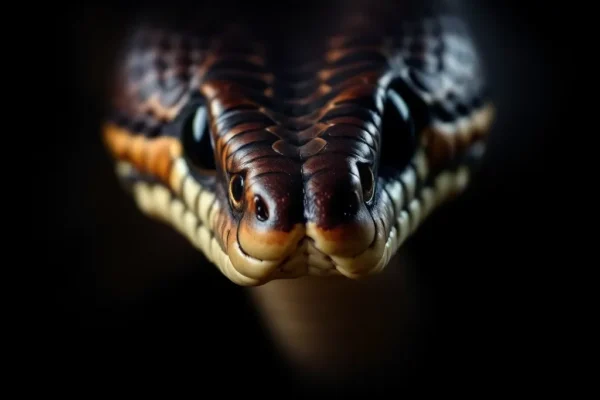
Cobra

Naja naja

  • 16 km/h
  • 1-6 kg
  • 20-30 years
Tropical Forest and Farmland

The Indian cobra is one of the most culturally significant and medically important venomous snakes in the world, responsible for thousands of snakebite deaths annually…

Explore
VU

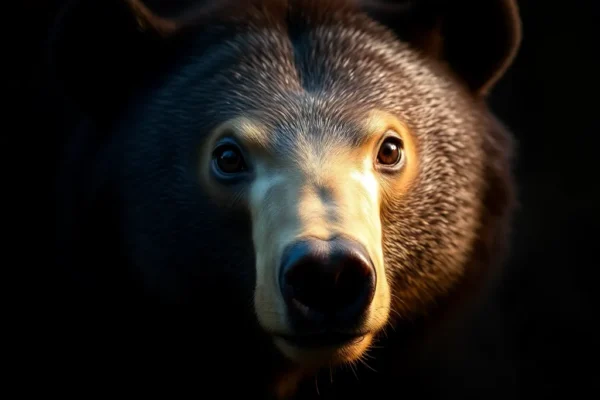
Sun Bear

Helarctos malayanus

  • 48 km/h
  • 27-80 kg
  • 25-30 years
Tropical Rainforest

The sun bear is the smallest and least studied of the world’s eight bear species, found in the dense lowland tropical forests of Southeast Asia…

Explore
VU

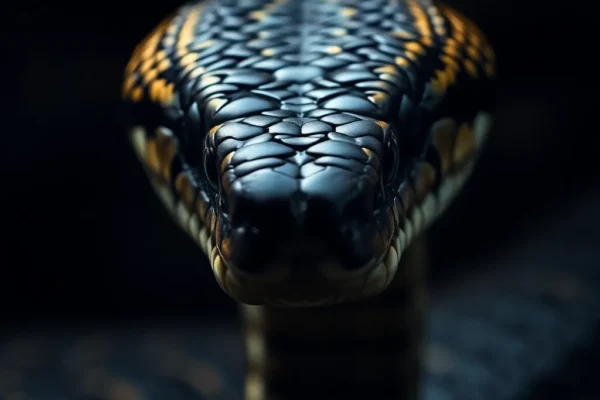
King Cobra

Ophiophagus hannah

  • 19 km/h
  • 6–12 kg
  • 20 years
Tropical Rainforest

The king cobra is the world’s longest venomous snake, capable of reaching 5.5 meters and delivering enough venom in a single bite to kill an…

Explore
LC

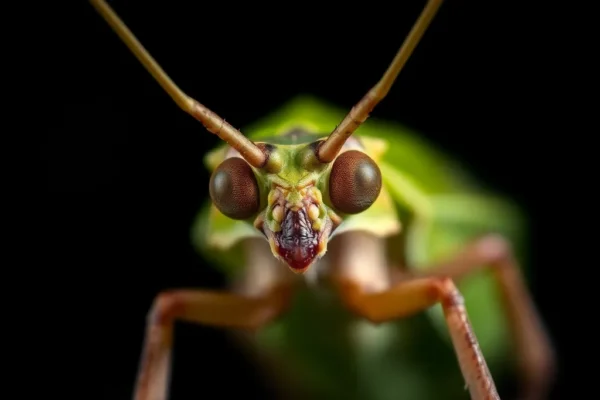
Leaf Insect

Phyllium giganteum

  • 0.5 km/h
  • 4–30 g kg
  • 1–1.5 years
Tropical Rainforest

The giant leaf insect is a master of camouflage, possessing perhaps the most extraordinary leaf mimicry in the animal kingdom. Its flattened green body replicates…

Explore
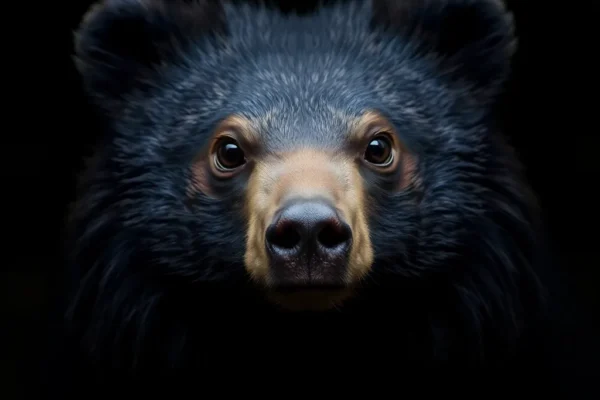
VU

Sloth Bear

Melursus ursinus

  • 40 km/h
  • 55–140 kg
  • 20–25 years
Tropical Dry Forest, Grasslands

The sloth bear is a nocturnal insectivorous bear native to the Indian subcontinent, uniquely adapted to feed primarily on termites and ants. Unlike other bears,…

Explore
LC
Nautilus

Nautilus pompilius

  • 2.7 km/h
  • 0.1–1 kg
  • 15–20 years
Tropical Indo-Pacific Reef Slopes

The chambered nautilus is often called a ‘living fossil’ — it has remained nearly unchanged for over 500 million years while countless other species evolved…

Explore
LC

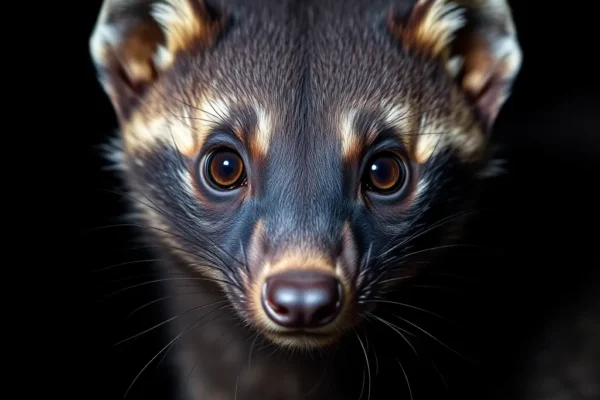
Civet

Viverra zibetha

  • 18 km/h
  • 5–11 kg
  • 15–20 years
Tropical Forest

The large Indian civet is a secretive nocturnal mammal of South and Southeast Asia, resembling a large cat but more closely related to mongooses and…

Explore
LC

Gecko

Gekko gecko

  • 8 km/h
  • 150–400 g kg
  • 10–20 years
Tropical Forest & Urban

The tokay gecko is the largest gecko in Asia and one of the most vocal lizards on Earth, producing a loud, two-note ‘to-kay’ call that…

Explore
LC

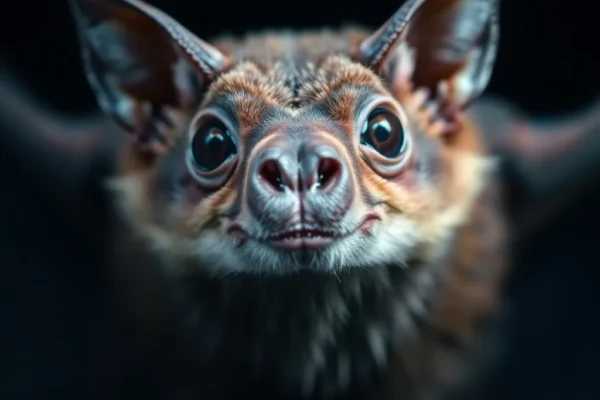
Bat

Pteropus giganteus

  • 60 km/h
  • 0.6–1.6 kg
  • 15–31 years
Tropical Forest

The Indian flying fox is the largest bat in the world, with a wingspan exceeding 1.5 meters, and roosts in massive colonies of up to…

Explore
CR

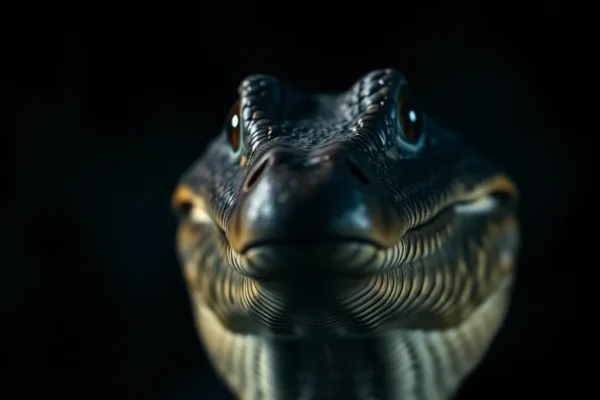
Gharial

Gavialis gangeticus

  • ~20 km/h (swimming)
  • 160-250 kg
  • 50-60 years
Freshwater Rivers

The gharial is one of the most critically endangered large reptiles on Earth, with fewer than 250 mature individuals remaining in the wild rivers of…

Explore
VU

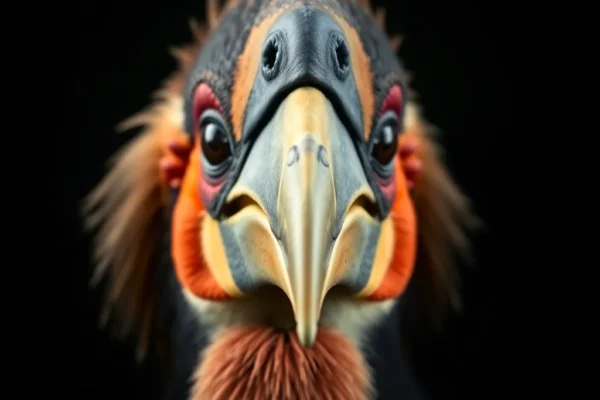
Hornbill

Buceros rhinoceros

  • ~46 km/h
  • 2-3 kg
  • 20-35 years
Tropical Rainforest

The rhinoceros hornbill is one of the most spectacular birds of the Bornean and Sumatran rainforests, instantly recognizable by its enormous bright-red and yellow casque…

Explore

Advertisement