Loading Wildlife…

Big Cats

THE

AMUR LEOPARD

The Rarest Cat on Earth

Panthera pardus orientalis

Asia
CLASS Mammalia FAMILY Big Cats GENUS Panthera
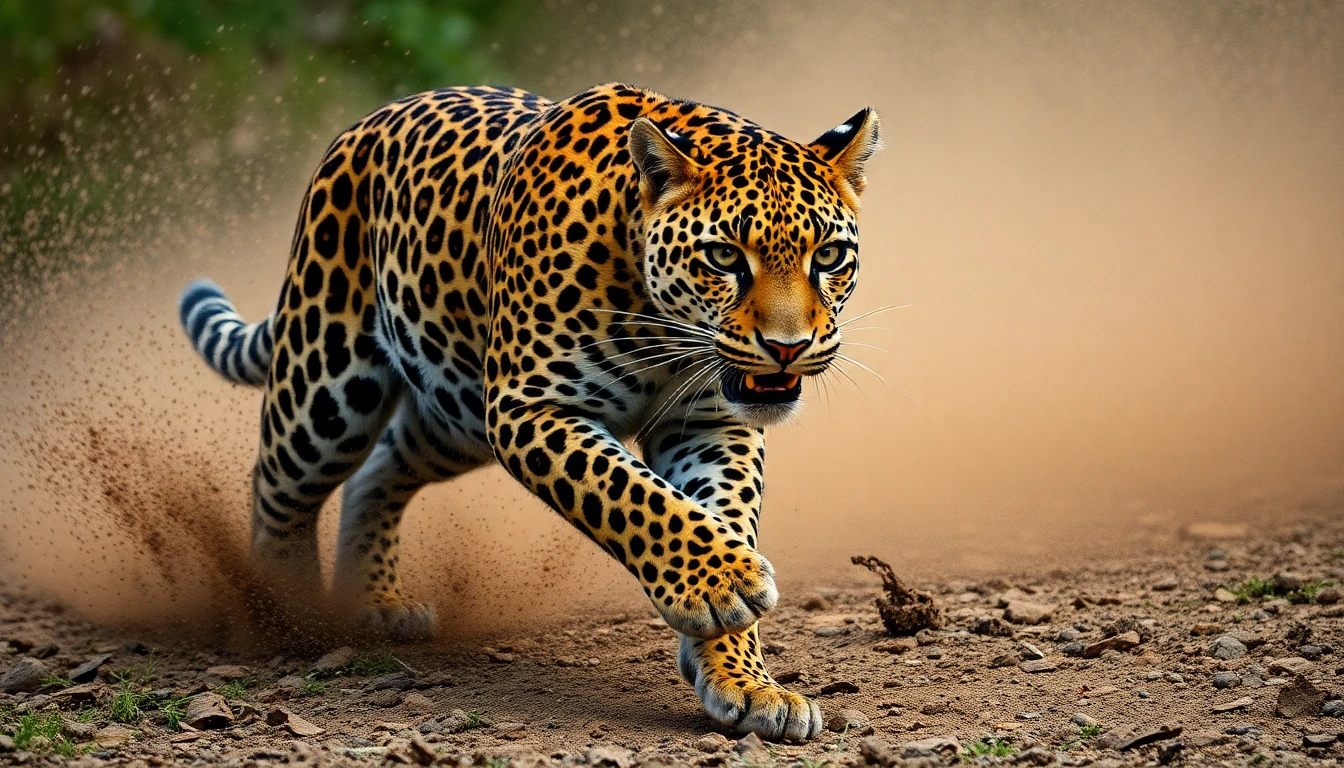
60 km/h
Top Speed
⚖️
48 kg
Max Weight
📏
70–78 cm (shoulder)
Height
🕰️
15 yrs
Lifespan
🌍
84 – 103
Est. Left
🍖
Carnivore
Diet Type

IUCN Red List — Where this species stands

LC Least Concern
NT Near Threatened
VU Vulnerable
EN Endangered
CR Critical
EW Extinct Wild
EX Extinct

About the Amur Leopard

Panthera pardus orientalis

Advertisement

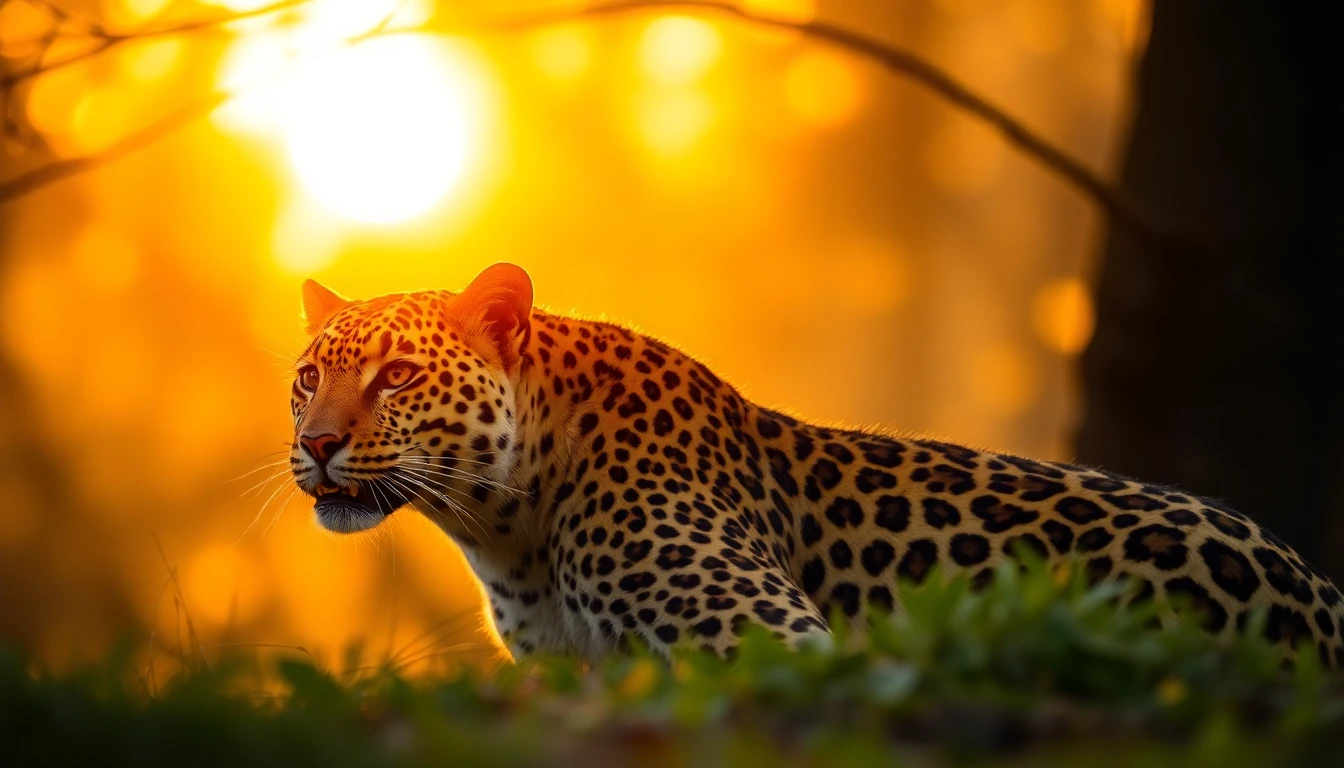
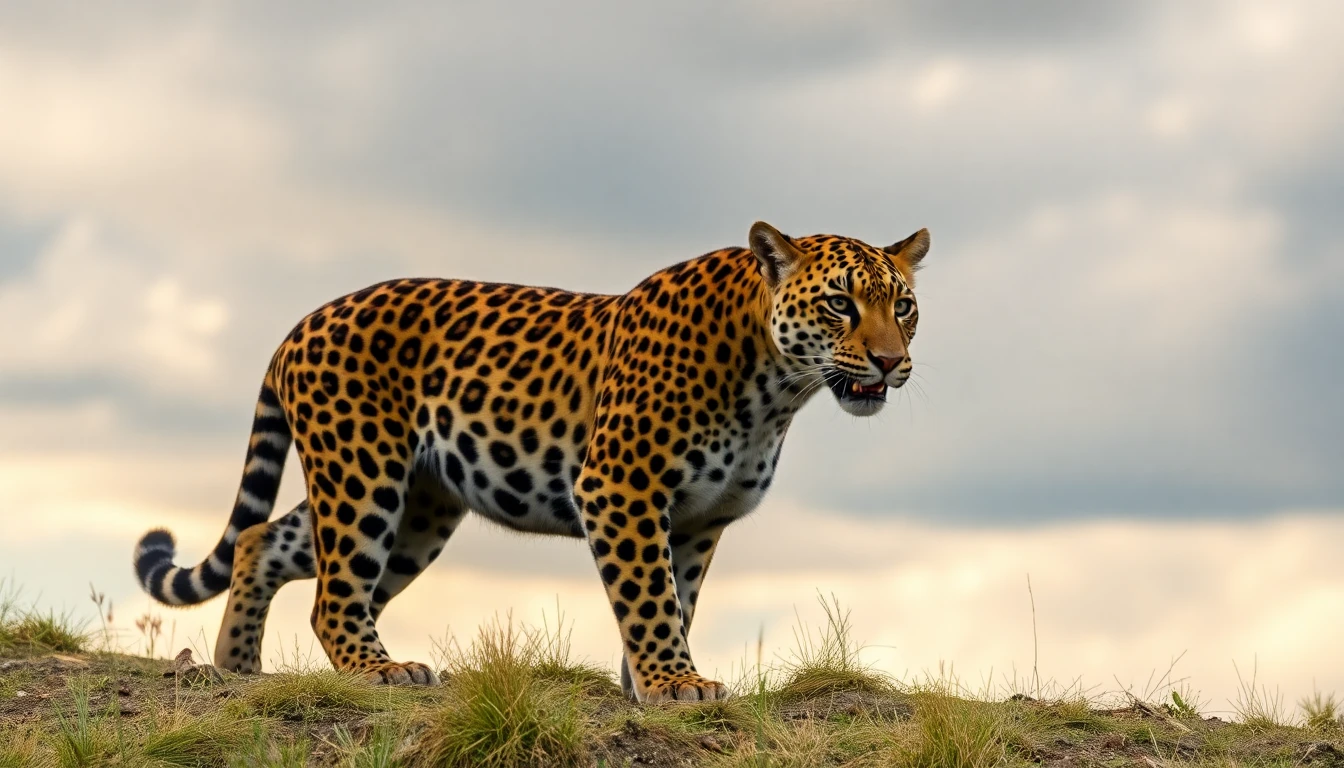
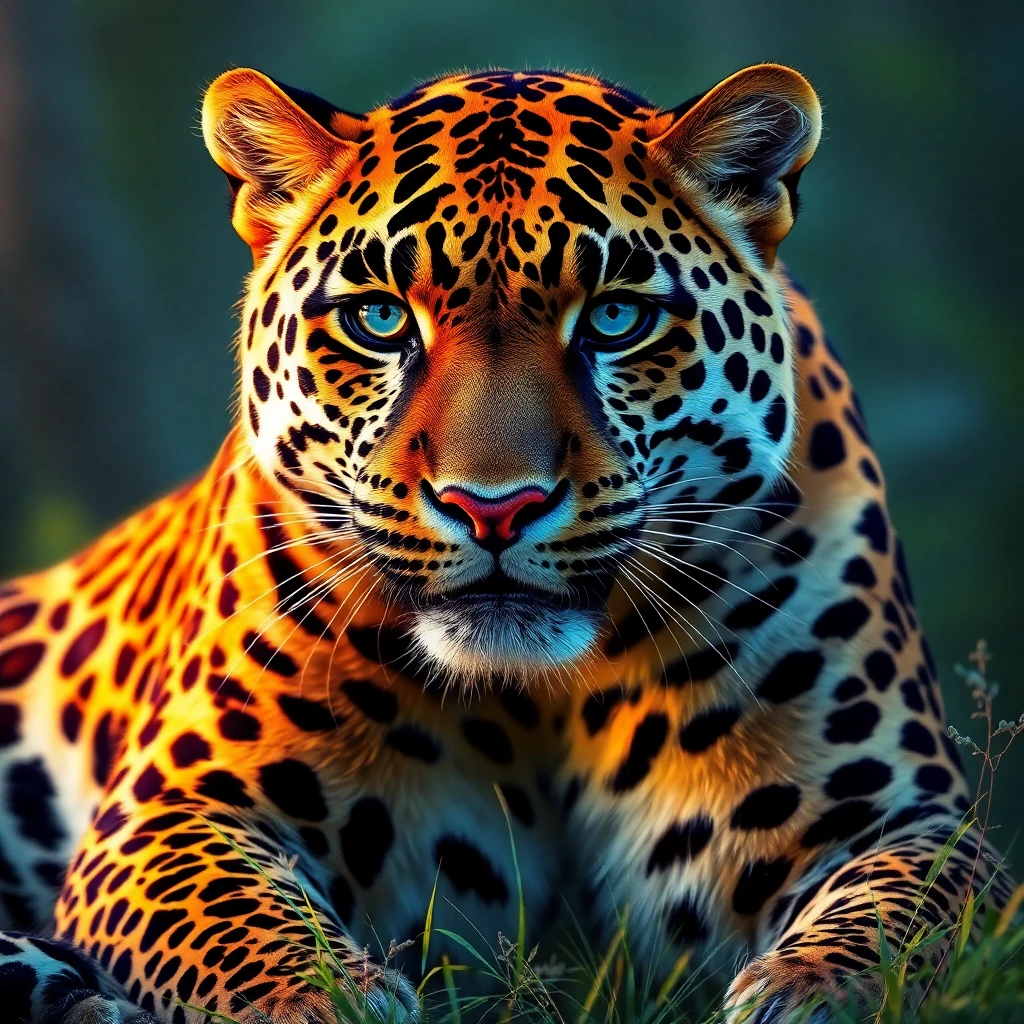
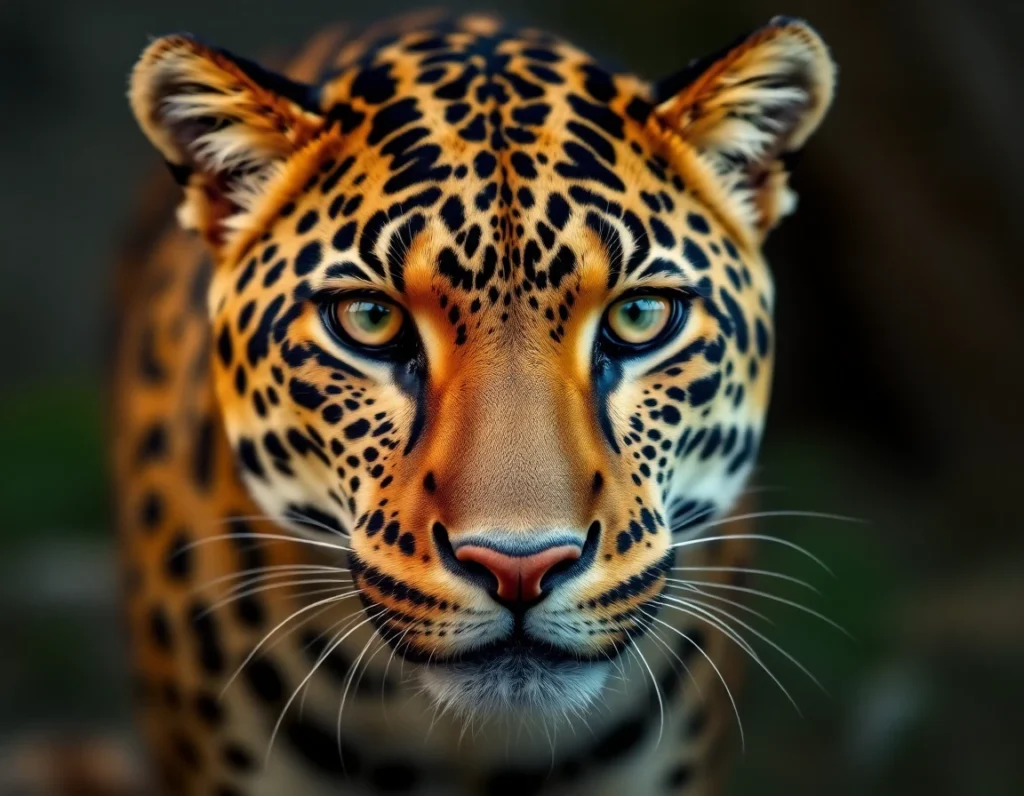
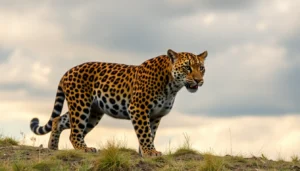
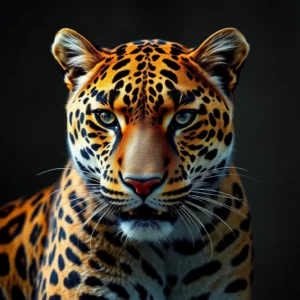
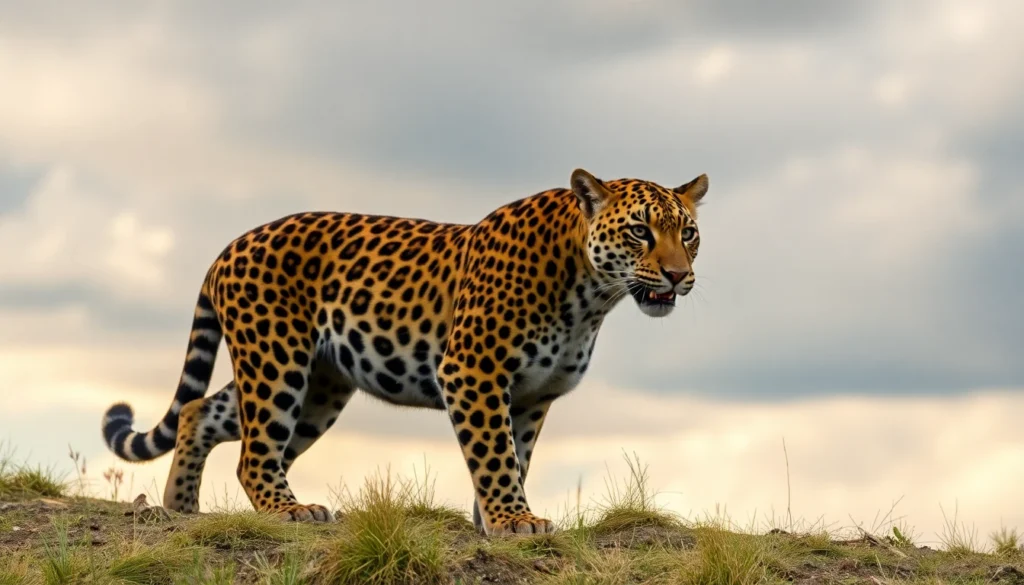
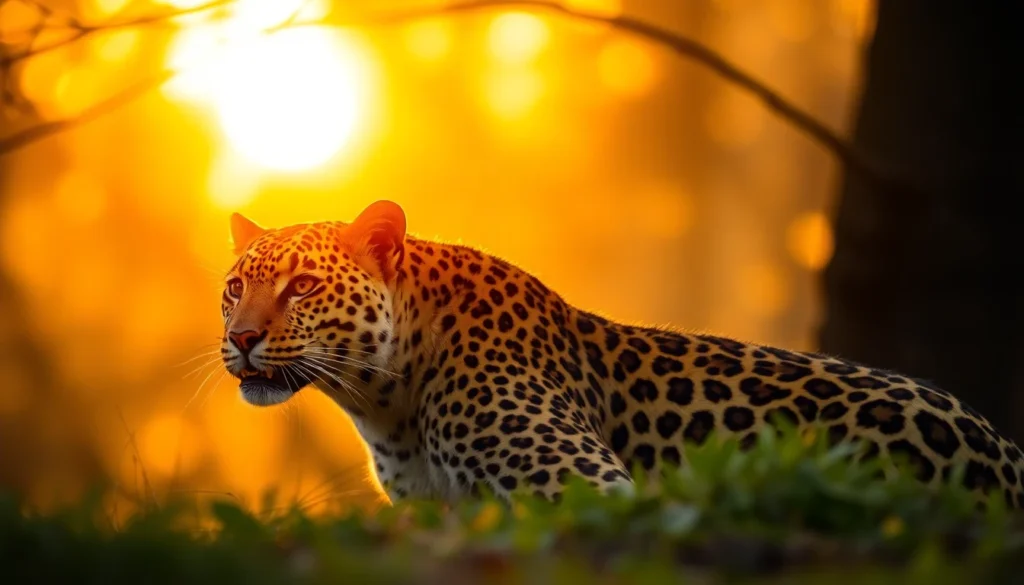
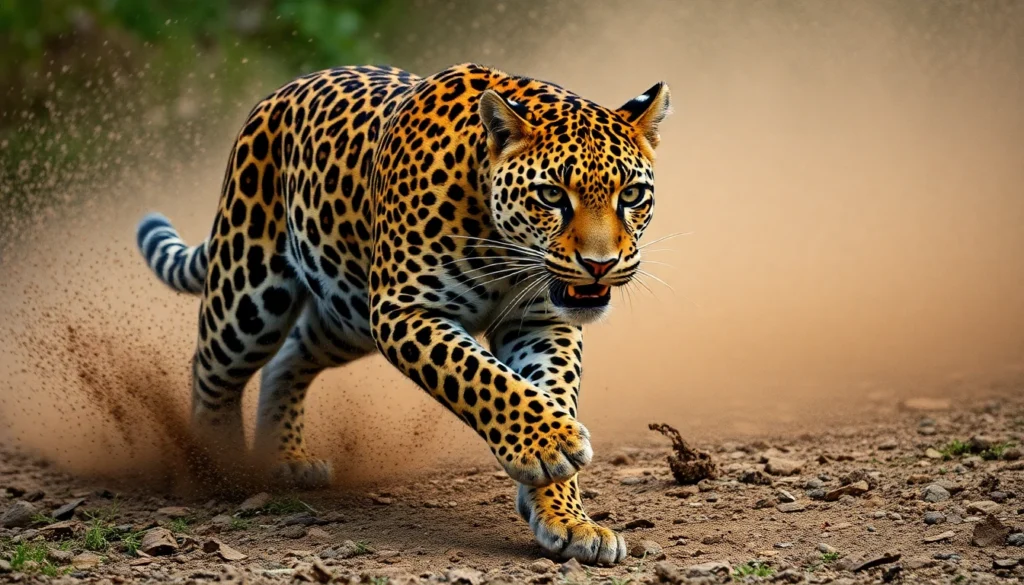
The Amur Leopard (Panthera pardus orientalis) is the world’s rarest wild cat. Adapted to survive in the harsh Russian Far East winters, it is one of the most critically endangered large mammals on Earth. Its ghostly pale coat and extraordinarily long legs make it perfectly engineered for deep snow hunting — yet fewer than 103 individuals survive in the wild.

Found only in the Primorsky Krai region of Russia and a small population in northeastern China, the Amur Leopard faces extinction from habitat destruction, prey depletion, and illegal poaching for its strikingly beautiful spotted fur.

Advertisement

⚡ Speed Comparison

Human
12 km/h
Car (city)
50 km/h
Horse
54 km/h
Amur Leopard
60 km/h

💡 Fun Facts

01

The Amur Leopard is the only leopard subspecies adapted to live and hunt in snowy environments.

02

These leopards have been observed carrying prey three times their own body weight up steep cliffs.

03

The entire wild population fits inside one large football stadium — every individual is known to researchers.

04

Camera traps in Russia's Land of the Leopard National Park track every single individual by their unique rosette patterns.

05

Despite their critically endangered status, Amur Leopard numbers have actually grown from just 30 in 2007 to 103 by 2023 due to intensive conservation.

Unlock Expert Wildlife Facts

Watch a short 15-second video to unlock detailed expert analysis, exclusive wildlife photography, and rare behavioral facts.

📍 Where to Find This Animal

Geographic Range: Primorsky Krai, Russia; Jilin Province, China

Habitat Types: Forest

🛒 Amur Leopard Related Gear

As an Amazon Associate we earn from qualifying purchases.
Leave a Reply

Your email address will not be published. Required fields are marked *

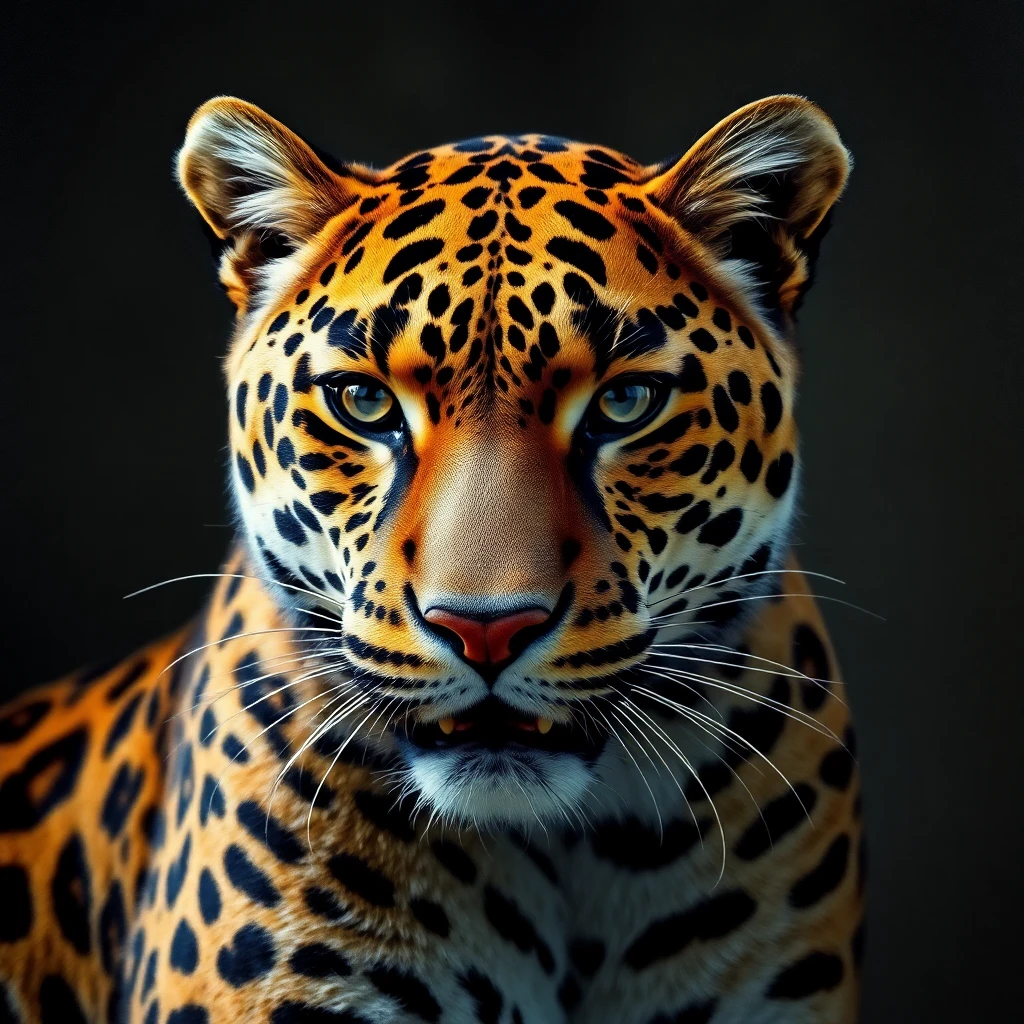
Amur Leopard close-up
Amur Leopard

SURVIVAL TOOLKIT

Built for Survival

Nature's engineering refined over millions of years

u2744ufe0f Winter Coat

Dense 7 cm fur with unique widely-spaced rosettes retains heat in -25u00b0C Russian winters.

ud83dudc3e Large Paws

Wide, fur-padded paws act as natural snowshoes, allowing near-silent movement on deep snow.

ud83cudf19 Night Vision

A reflective layer behind the retina (tapetum lucidum) amplifies low light for nocturnal hunting.

ud83cudf00 Unique Rosettes

Like fingerprints, no two Amur leopards share the same rosette pattern u2014 aiding individual ID.

ud83dudcaa Exceptional Strength

Can drag prey 3u00d7 their body weight up vertical trees to cache kills from wolves and bears.

ud83cudfad Solitary Phantom

Extremely secretive; individuals' territories can span 100u2013400 kmu00b2 of temperate forest.

Estimated Wild Population

84 – 103

Amur Leopard remaining in the wild · as of 2023

→ Population Stable

With only 84 – 103 individuals surviving, the Amur Leopard stands at the edge of extinction. Every individual counts.

For context — New York City alone has 8 million people.
The entire wild population of the Amur Leopard could fit inside a single football stadium.

Population Decline Over Time

~200
1970s
~30
1990s
~19
2007
~100
Now
💡

Did You Know?

As of 2023, only 84–103 Amur Leopards remain in the wild — making them the rarest wild cat on Earth. Every individual is monitored by name.

What Does the Amur Leopard Eat?

Carnivore

🦌 Roe Deer
🦌 Sika Deer
🦌 Wild Boar
🦌 Hares
🦌 Badgers
🦌 Raccoon Dogs

Threats to the Amur Leopard

Human activity and habitat loss are pushing this species toward extinction

ud83dudd2b

Poaching

Hunted for their stunning fur and bones; a single pelt can fetch $1,000 on black markets.

ud83cudf33

Habitat Loss

Logging, roads and agriculture have destroyed 80% of their Russian Far East homeland.

ud83eudd8c

Prey Depletion

Deer and wild boar populations are over-hunted, leaving leopards with dangerously little food.

ud83euddec

Inbreeding

So few individuals remain that inbreeding is reducing genetic diversity and disease resistance.

GEOGRAPHIC RANGE

Where Do Amur Leopards Live?

Primorsky Krai, Russia; Jilin Province, China

🌍
Continents
📐
Total Range Area Under 400,000 ha fragmented
🐾
Wild Population 84 – 103 estimated
➡️
Population Trend Stable

Conservation in Action

How You Can Help the Amur Leopard

Small actions, taken together, can reverse the decline of species like this one

🌳 Protect Habitat

Support wildlife reserves and protected land corridors

🚫 Stop Poaching

Report illegal trade and back anti-poaching patrols

🔬 Fund Research

Camera-trap studies and population monitoring

🤝 Community Work

Partner with local herders to reduce conflict

📢 Raise Awareness

Educate and inspire future wildlife champions

"Without urgent action, the Amur Leopard could disappear from the wild within our lifetime."

PROTECT THEM. PRESERVE THEIR LEGACY.

The Amur Leopard's Future
Is In Our Hands

Every share, every donation, every voice raised — makes a difference for wildlife conservation.

🌳Protect Habitat
📢Raise Awareness
💰Fund Research
🤝Community Work
🚫Stop Poaching

Advertisement