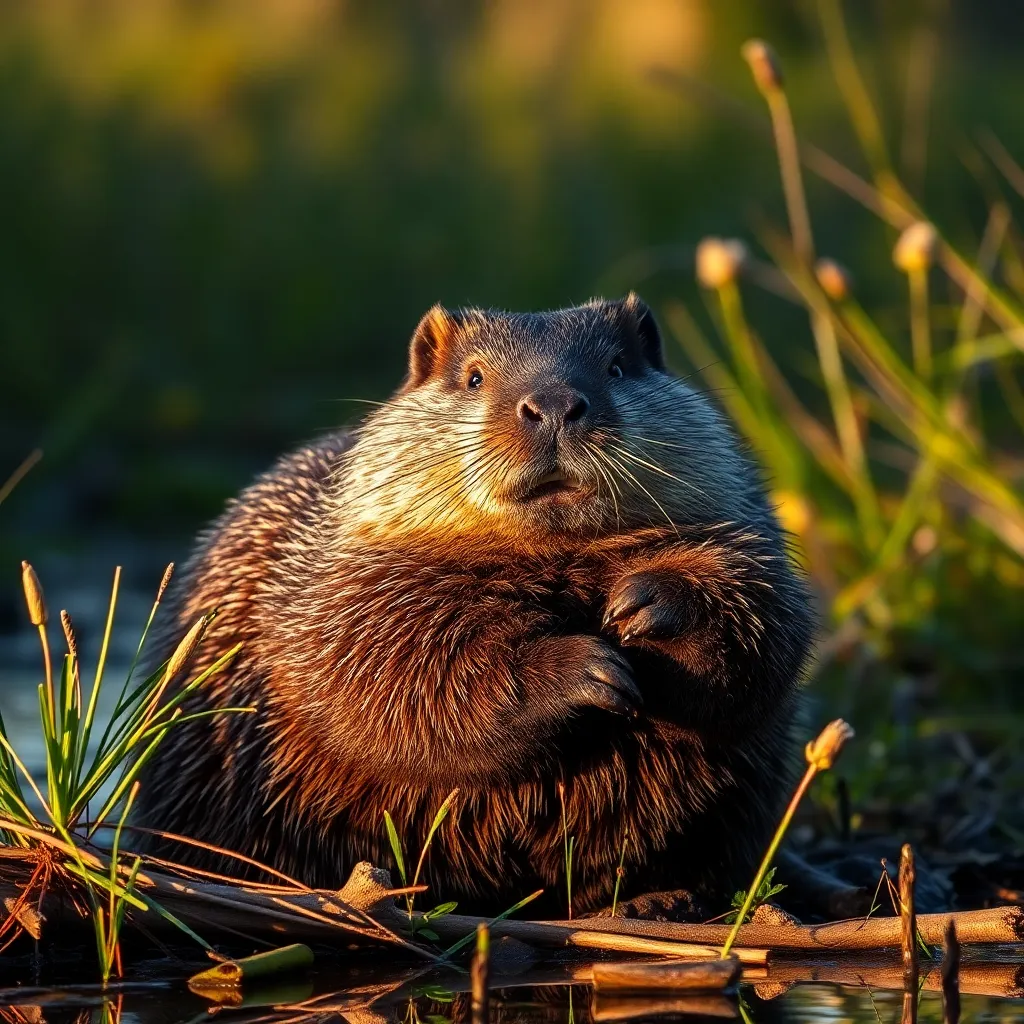
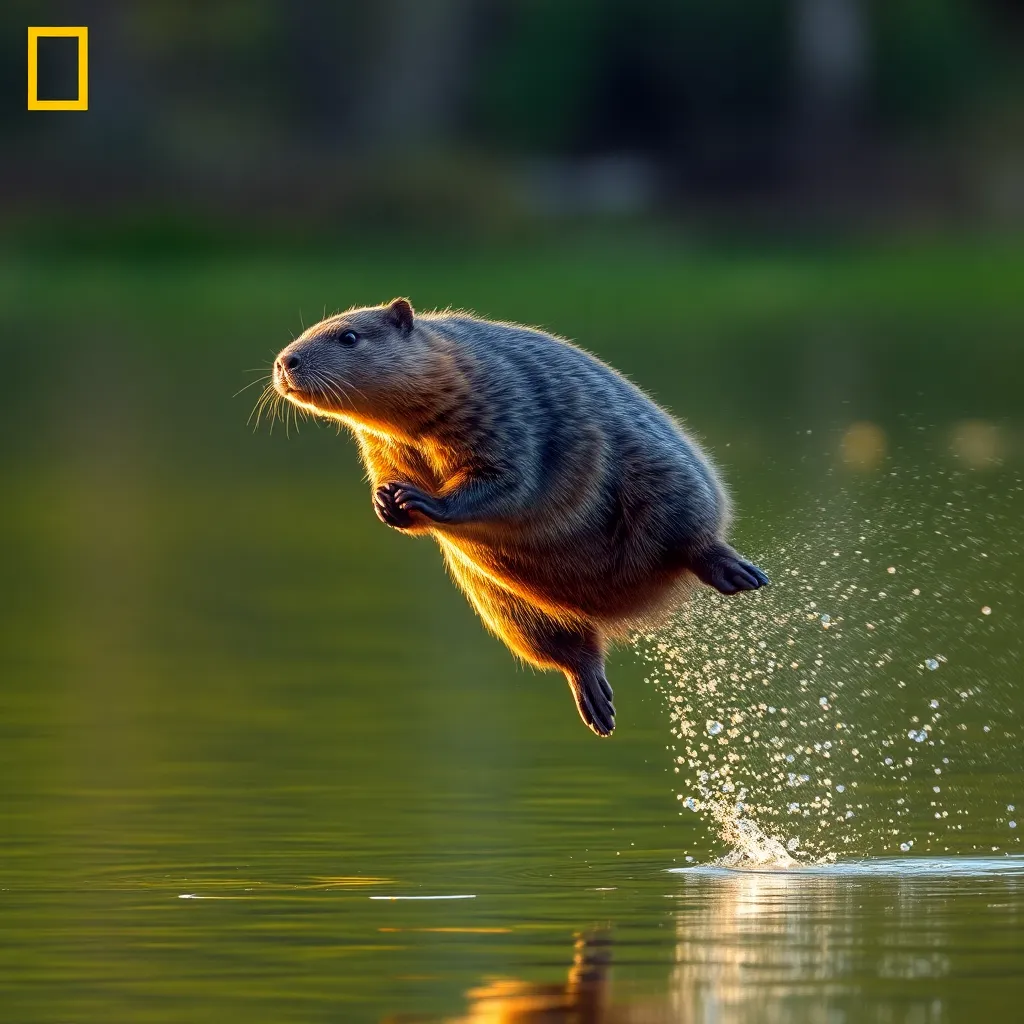
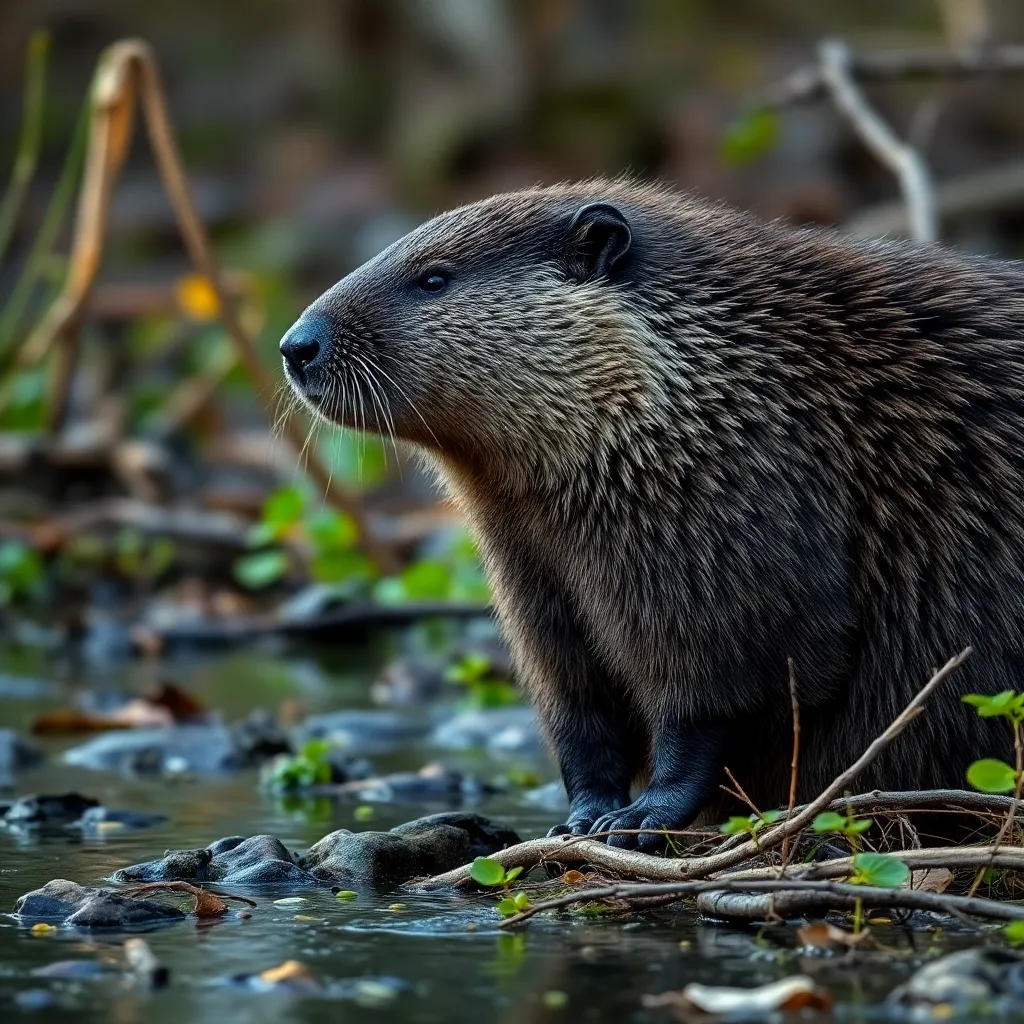
The North American Beaver is the second-largest rodent in the world and one of the most powerful ecosystem engineers on Earth, second only to humans in its ability to transform landscapes. By felling trees and building dams, beavers create ponds that raise water tables, slow stream erosion, filter pollutants, and create rich wetland habitats that support hundreds of other species. After being hunted nearly to extinction for their dense, waterproof fur during the European fur trade, beavers have recovered significantly across North America.
About the Beaver
Castor canadensis
Advertisement
⚡ Speed Comparison
📸 Photo Gallery
💡 Fun Facts
01
Beaver dams can be enormous — the world's largest, in Alberta, Canada, is over 850 meters long and visible from space on satellite imagery.
02
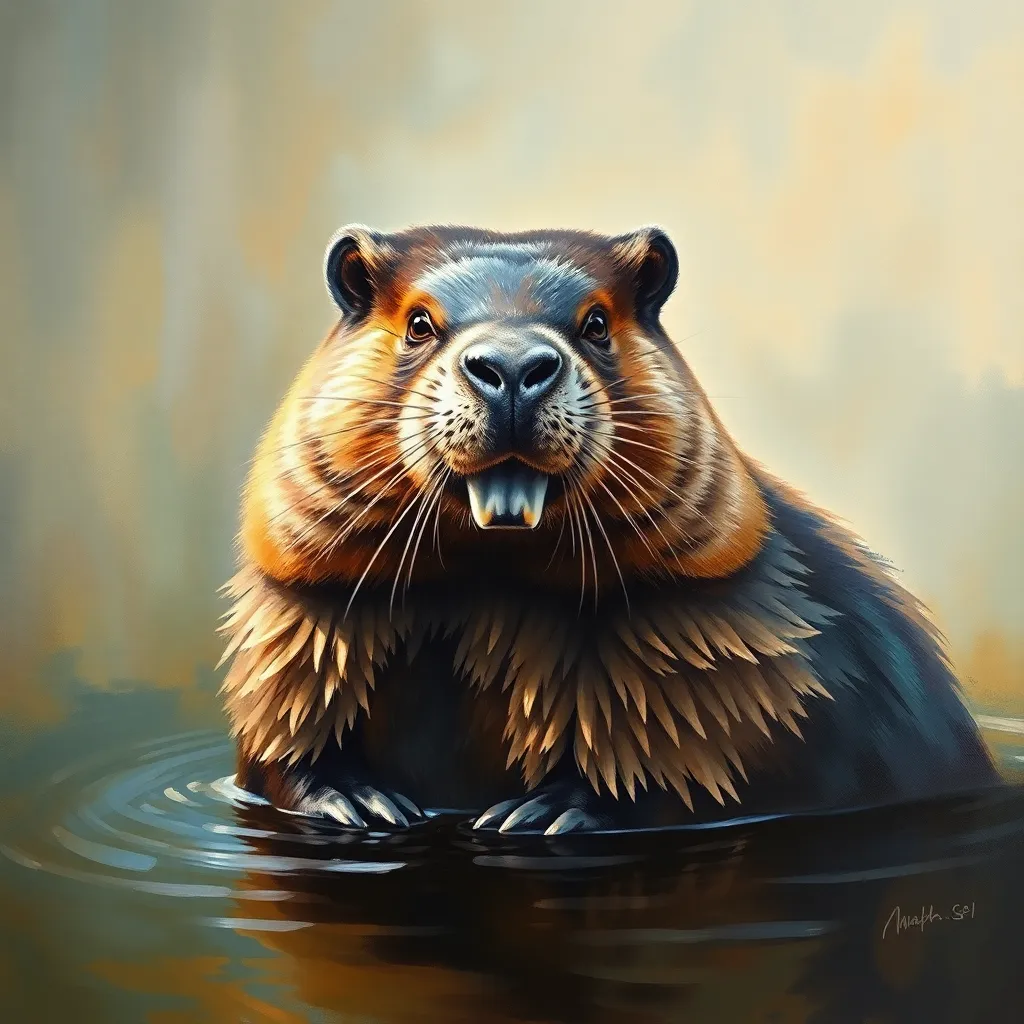
Beavers' teeth are orange due to iron compounds in the enamel that make them harder than steel of the same thickness.
03
They can hold their breath for up to 15 minutes, and a special transparent eyelid (nictitating membrane) lets them see clearly underwater.
04
Beavers secrete castoreum from castor sacs — a vanilla-like substance used as a territorial marker that has historically been used as a food flavoring additive.
05
A single beaver family unit (colony) can dam a stream and flood an area of up to 1 hectare within a single season, fundamentally altering the local ecosystem.
📍 Where to Find This Animal
Habitat Types:
Freshwater Rivers & Wetlands
🛒 Beaver Related Gear
As an Amazon Associate we earn from qualifying purchases.




Join the Conversation
Share your thoughts about the Beaver