Loading Wildlife…

Cebidae LC

THE

CAPUCHIN MONKEY

Tool-Wielding Mind of the Canopy

Cebus capucinus

Central & South America
CLASS Mammalia FAMILY Cebidae GENUS Cebus
55 km/h
Top Speed
⚖️
3–4 kg
Max Weight
📏
30–38 cm
Body Length
🕰️
15–45 years
Lifespan
🍖
Omnivore
Diet Type

IUCN Red List — Where this species stands

LC Least Concern
NT Near Threatened
VU Vulnerable
EN Endangered
CR Critical
EW Extinct Wild
EX Extinct

About the Capuchin Monkey

Cebus capucinus

Advertisement

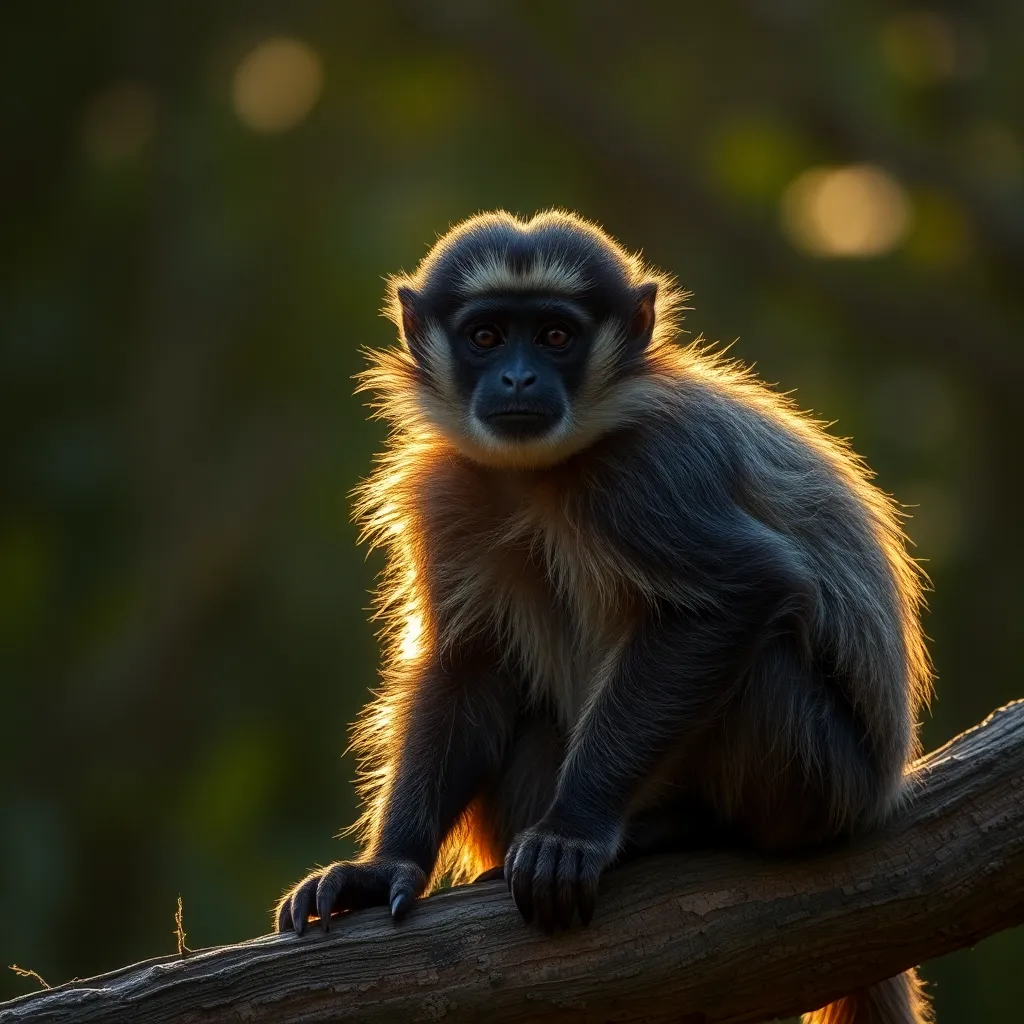
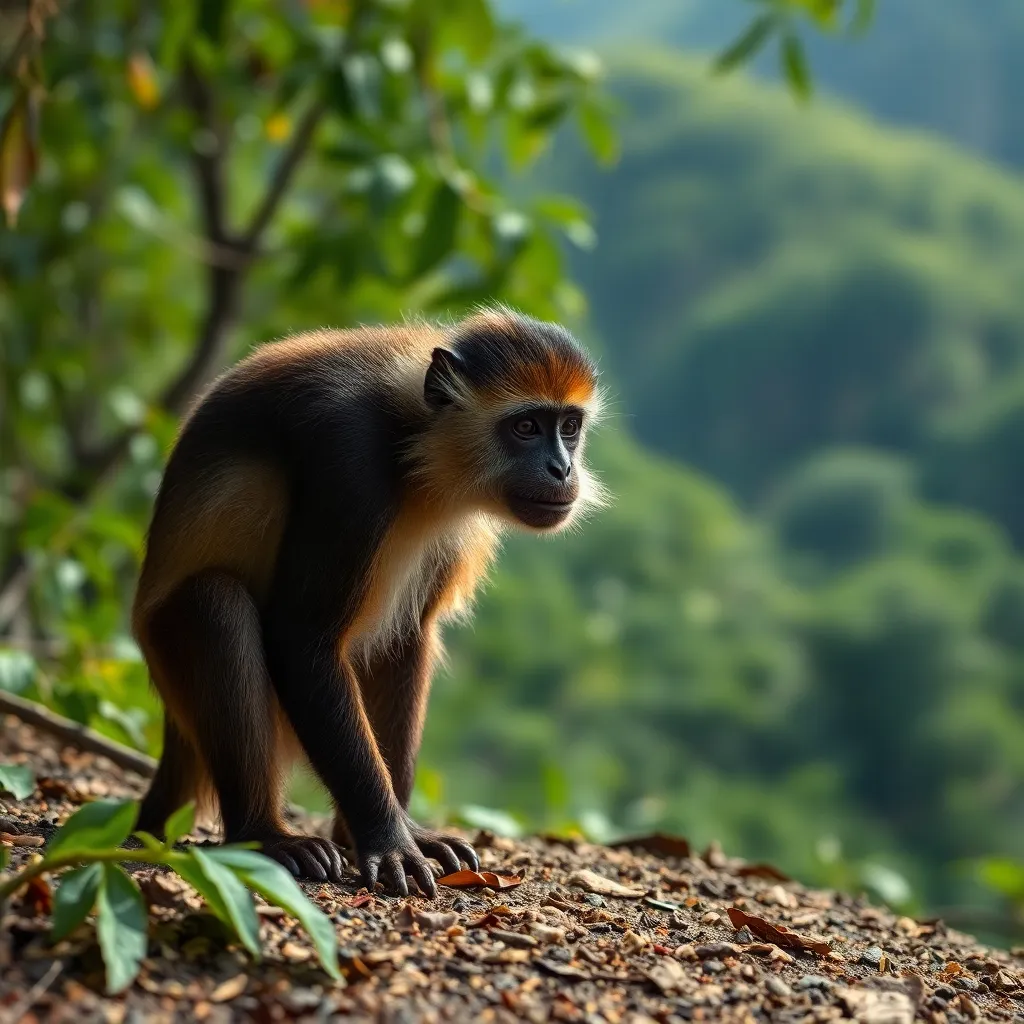
The white-faced capuchin is widely regarded as among the most intelligent of all New World monkeys, known for sophisticated tool use, complex social dynamics, and remarkable problem-solving abilities. Wild capuchins have been observed using stone hammers to crack open palm nuts on stone anvils — a behavior that requires selecting appropriate tools and learned technique passed between generations. They also rub insects, citrus peel, and millipedes into their fur, possibly for medicinal or parasite-repelling purposes.

⚡ Speed Comparison

Human
12 km/h
Car (city)
50 km/h
Horse
54 km/h
Capuchin Monkey
55 km/h

💡 Fun Facts

01

Wild capuchins select and use stone hammer-and-anvil tools weighing up to half their body weight to crack palm nuts.

02

Capuchin groups have been observed passing novel behaviors culturally through social learning across generations.

03

They rub millipedes and citrus peel into their fur in a behavior believed to serve as a natural insect repellent.

04

Capuchins in captivity have been trained to assist quadriplegic humans with daily tasks including opening bottles and operating light switches.

05

Female capuchins live up to 45 years in captivity — remarkably long for a small primate, likely linked to their slow reproductive rate.

Unlock Expert Wildlife Facts

Watch a short 15-second video to unlock detailed expert analysis, exclusive wildlife photography, and rare behavioral facts.

📍 Where to Find This Animal

🛒 Capuchin Monkey Related Gear

As an Amazon Associate we earn from qualifying purchases.
🗨️

Join the Conversation

Share your thoughts about the Capuchin Monkey

✍️

Leave a Comment

Your email address will not be published. Required fields are marked *

How Big Is a Capuchin Monkey?

Side-by-side comparison with an adult human (175 cm)

🧍
Human
175 cm
🐒
Capuchin Monkey
65 cm
shoulder height
3–4 BODY WEIGHT
30–38 BODY LENGTH
55 TOP SPEED
15–45 LIFESPAN
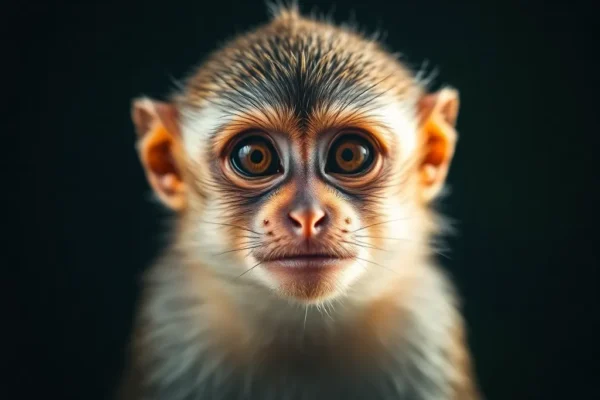
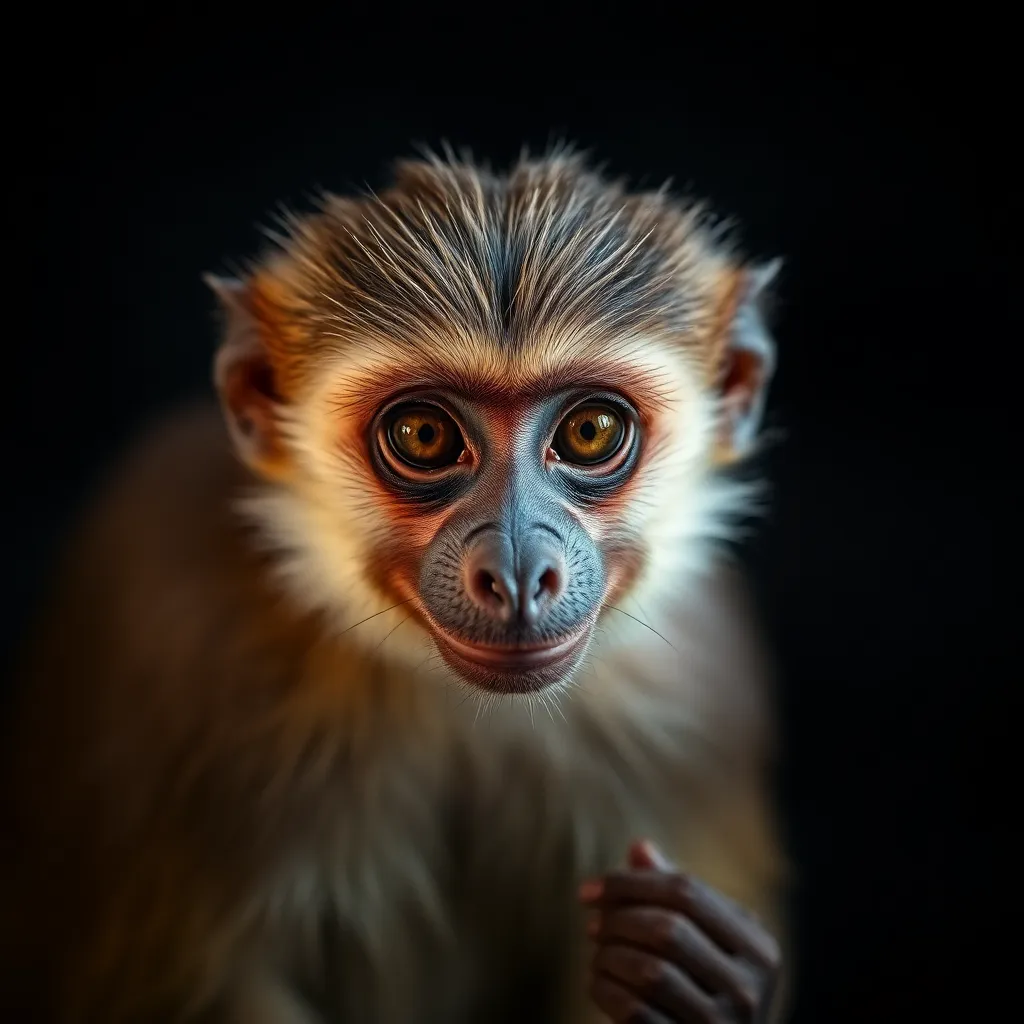
Capuchin Monkey close-up
Capuchin Monkey

SURVIVAL TOOLKIT

Built for Survival

Nature's engineering refined over millions of years

🔬 SURVIVAL TOOLKIT
Tool Use Intelligence
01

Tool Use Intelligence

A prefrontal cortex proportionally larger than many apes enables conceptual planning, tool selection, and multi-step problem solving.

Prehensile Tail
02

Prehensile Tail

A semi-prehensile tail with a bare gripping patch acts as a fifth limb, providing stability while both hands manipulate objects.

Forward-Facing Eyes
03

Forward-Facing Eyes

Fully forward-facing eyes provide precise stereoscopic depth perception critical for manipulating tools and judging branch gaps.

Social Learning
04

Social Learning

Complex troop social structure enables cultural transmission of learned skills including tool use across multiple generations.

Chemical Self-Medication
05

Chemical Self-Medication

Deliberate fur-rubbing with plants and arthropods may deliver antiparasitic or antimicrobial compounds through the skin.

Precision Grip
06

Precision Grip

Pseudo-opposable thumbs and sensitive fingertip tactile receptors enable fine manipulation rivaling that of great apes.

Tool-Wielding Mind of the Canopy. An extraordinary creature that reminds us what we stand to lose.

Jungal Safari · Wildlife Network
💡

Did You Know?

Wild capuchins select and use stone hammer-and-anvil tools weighing up to half their body weight to crack palm nuts.

🍖 DIET: OMNIVORE

What Does the Capuchin Monkey Eat?

🍎
Tropical Fruit
🥜
Palm Nuts & Seeds
🦎
Small Vertebrates
🦗
Insects & Larvae
🌸
Flowers & Nectar
🥚
Bird Eggs
🗺️ GEOGRAPHIC RANGE

Where Do Capuchin Monkeys Live?

🌍
📉
Population Trend Declining

Conservation in Action

How You Can Help the Capuchin Monkey

Small actions, taken together, can reverse the decline of species like this one

🌳
Protect Habitat

Support wildlife reserves and protected land corridors

🚫
Stop Poaching

Report illegal trade and back anti-poaching patrols

🔬
Fund Research

Camera-trap studies and population monitoring

🤝
Community Work

Partner with local herders to reduce conflict

📢
Raise Awareness

Educate and inspire future wildlife champions

"Without urgent action, the Capuchin Monkey could disappear from the wild within our lifetime."

PROTECT THEM. PRESERVE THEIR LEGACY.

The Capuchin Monkey's Future
Is In Our Hands

Every share, every donation, every voice raised — makes a difference for wildlife conservation.

🌳Protect Habitat
📢Raise Awareness
💰Fund Research
🤝Community Work
🚫Stop Poaching

"Protect Wildlife. Preserve Our Planet."

Every species matters. Every action counts.

Advertisement