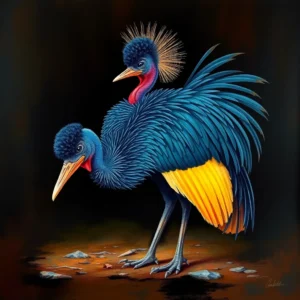
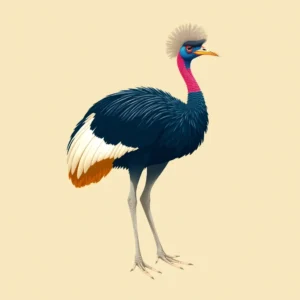
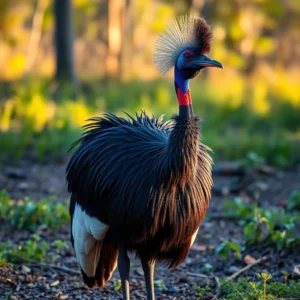
Loading Wildlife…

Casuariidae LC

THE

CASSOWARY

Armored Relic of the Rainforest

Casuarius casuarius

Oceania
CLASS Aves FAMILY Casuariidae GENUS Casuarius
50 km/h
Top Speed
⚖️
58-76 kg
Max Weight
📏
1.5-1.8 m
Body Length
🕰️
18-25 years
Lifespan
🍖
Omnivore
Diet Type

IUCN Red List — Where this species stands

LC Least Concern
NT Near Threatened
VU Vulnerable
EN Endangered
CR Critical
EW Extinct Wild
EX Extinct

About the Cassowary

Casuarius casuarius

Advertisement

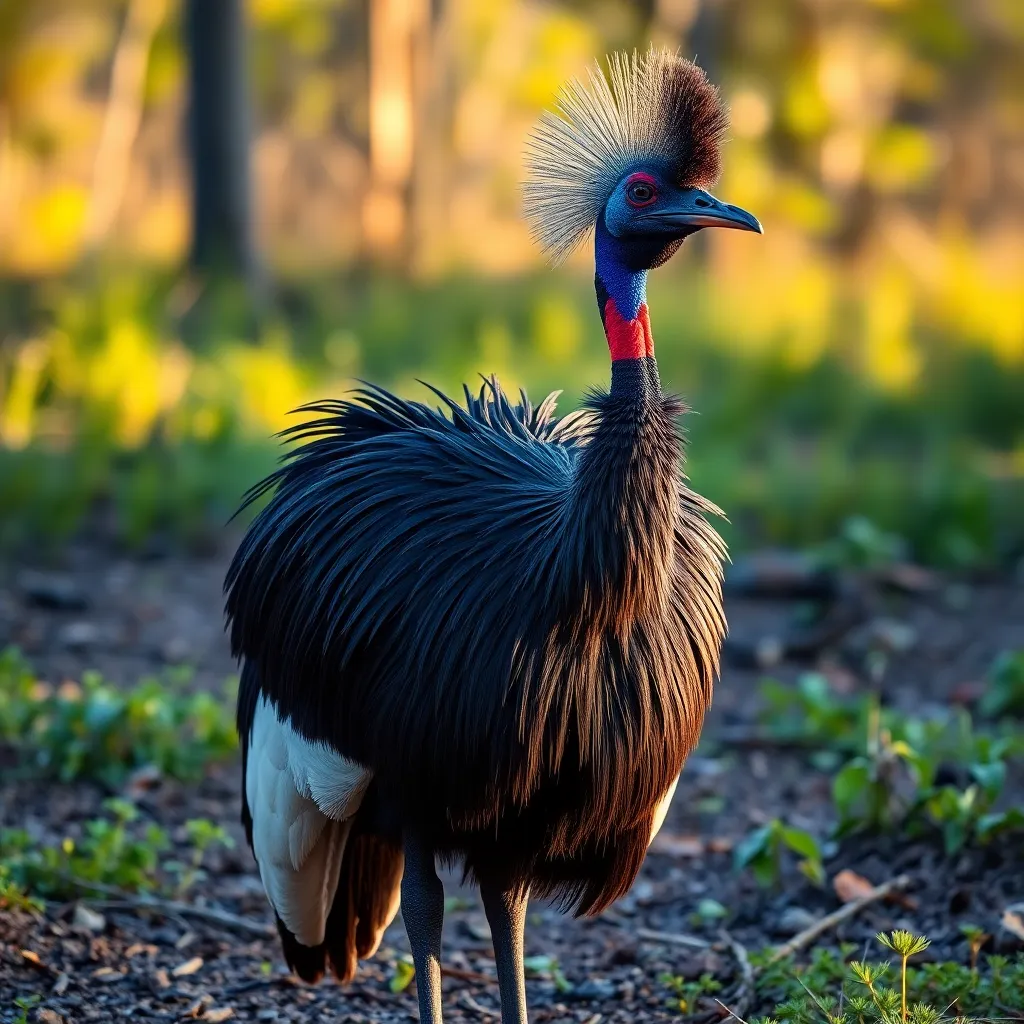
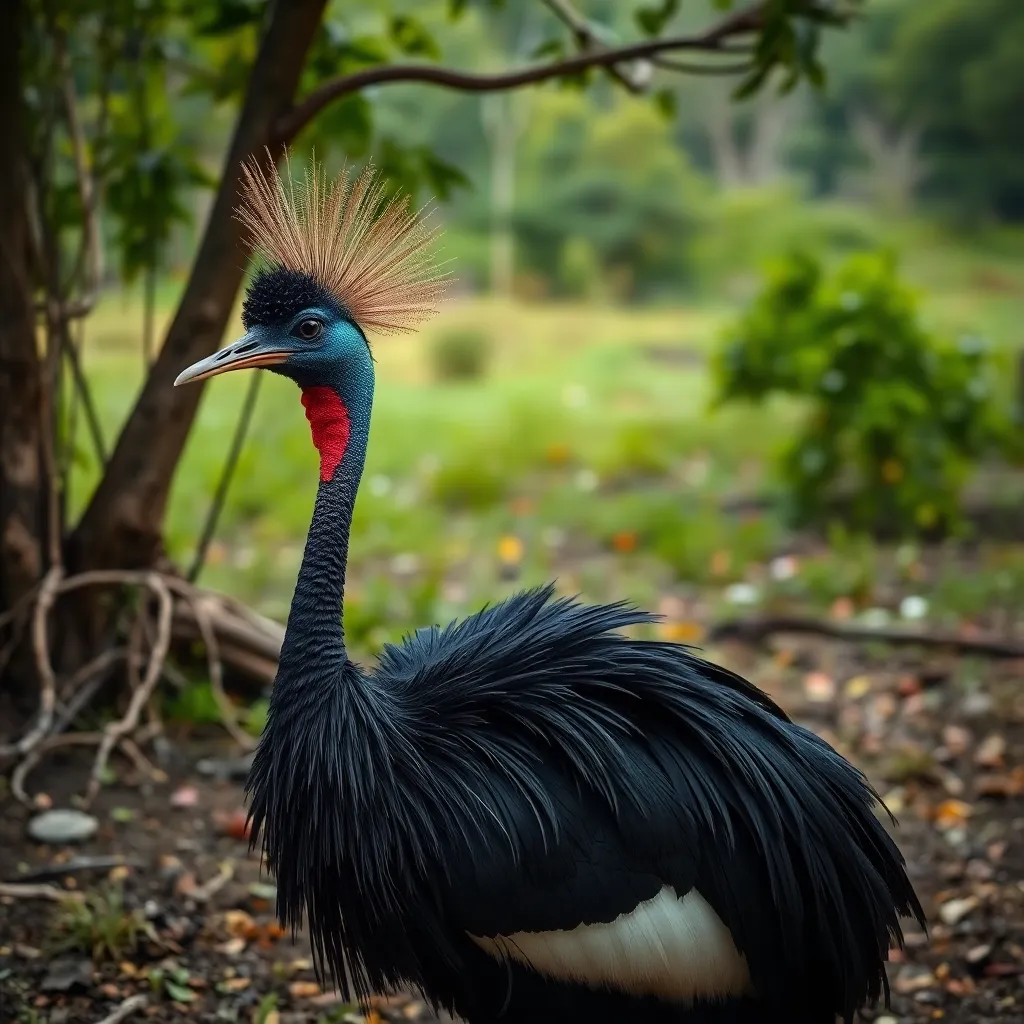
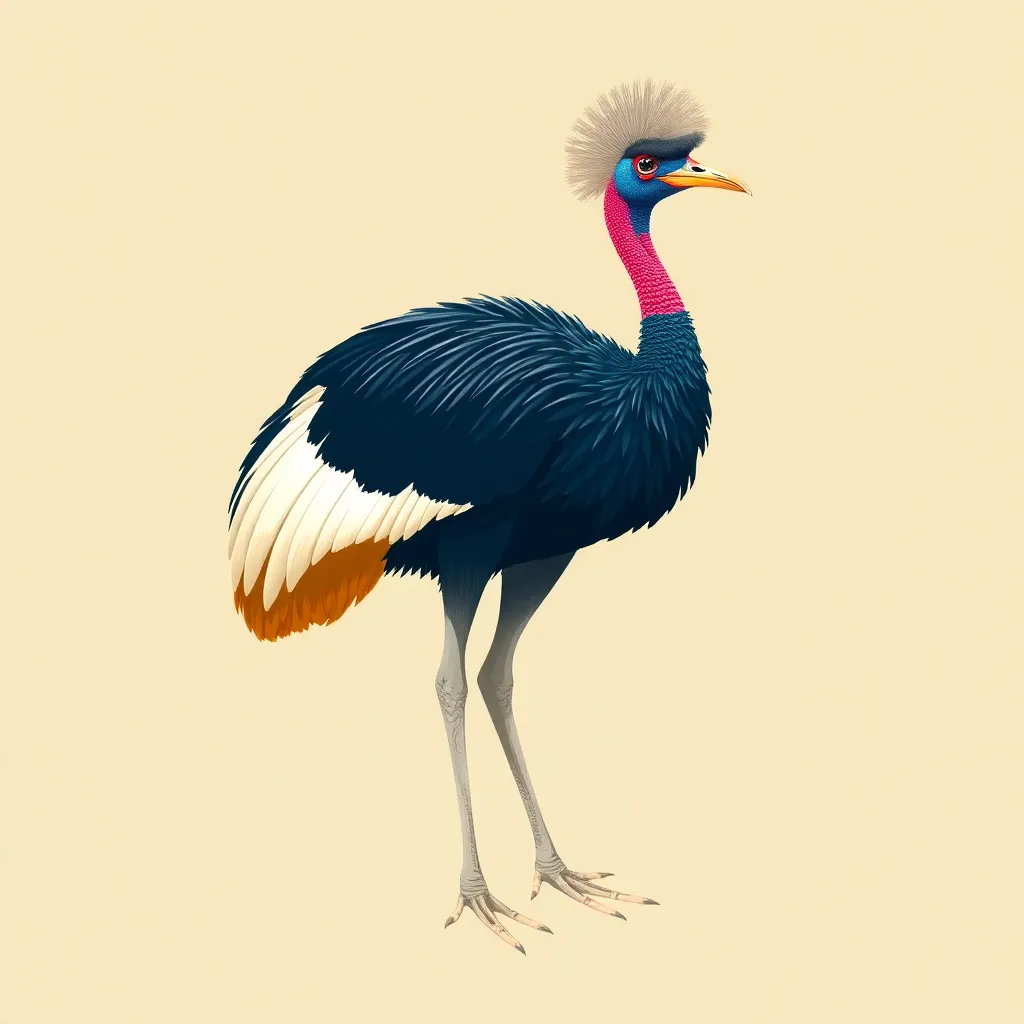
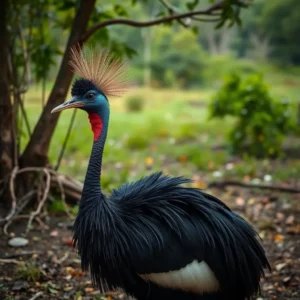
The Southern Cassowary is one of the world’s largest and most dangerous birds, inhabiting the dense tropical rainforests of New Guinea and northeastern Australia. Often described as a living dinosaur, this flightless ratite is equipped with a bony casque on its head and dagger-like inner toe claws up to 12 cm long. Despite their fearsome reputation, cassowaries are vital ecosystem engineers — they are the only animals capable of dispersing the seeds of over 150 large-fruited rainforest tree species.

⚡ Speed Comparison

Human
12 km/h
Cassowary
50 km/h
Car (city)
50 km/h
Horse
54 km/h

💡 Fun Facts

01

The cassowary's inner claw can reach 12 cm in length and has been responsible for fatal attacks on humans, earning it the title of 'world's most dangerous bird.'

02

Their casque is not solid bone but a hollow structure of keratin and fibrous tissue whose exact function is still debated — candidates include acoustic resonance, display, and head-butting.

03

Male cassowaries alone incubate eggs and raise chicks for up to nine months after the female leaves to find another mate.

04

They can jump nearly 1.5 meters vertically and are strong swimmers capable of crossing wide rivers.

05

Cassowary calls include booming low-frequency sounds below 20 Hz — infrasound that travels through dense forest farther than higher-pitched calls.

Unlock Expert Wildlife Facts

Watch a short 15-second video to unlock detailed expert analysis, exclusive wildlife photography, and rare behavioral facts.

📍 Where to Find This Animal

Habitat Types: Tropical Rainforest

🛒 Cassowary Related Gear

As an Amazon Associate we earn from qualifying purchases.
🗨️

Join the Conversation

Share your thoughts about the Cassowary

✍️

Leave a Comment

Your email address will not be published. Required fields are marked *

How Big Is a Cassowary?

Side-by-side comparison with an adult human (175 cm)

🧍
Human
175 cm
🦤
Cassowary
65 cm
shoulder height
58-76 BODY WEIGHT
1.5-1.8 BODY LENGTH
50 TOP SPEED
18-25 LIFESPAN
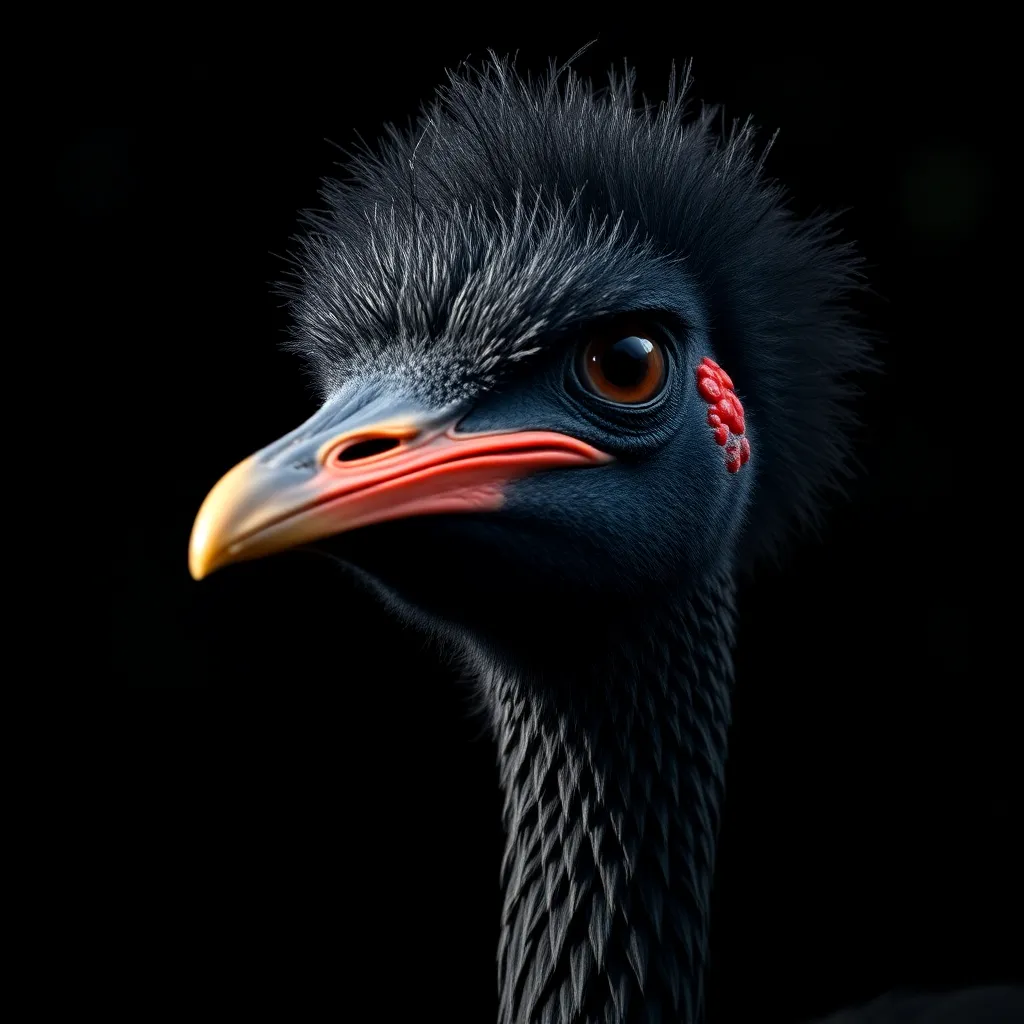
Cassowary close-up
Cassowary

SURVIVAL TOOLKIT

Built for Survival

Nature's engineering refined over millions of years

🔬 SURVIVAL TOOLKIT
Bony Casque
01

Bony Casque

The keratinous casque may amplify low-frequency calls and protect the head when the bird pushes through dense undergrowth.

Dagger Claw
02

Dagger Claw

A 12 cm inner toe claw delivers powerful slashing kicks capable of disemboweling predators or competitors.

Hair-Like Feathers
03

Hair-Like Feathers

Drooping, double-shafted feathers lacking interlocking barbules act as a rain jacket and prevent snagging in thick vegetation.

Powerful Legs
04

Powerful Legs

Massively muscled legs allow bursts of speed to 50 km/h in jungle terrain where most predators cannot keep pace.

Seed Dispersal Gut
05

Seed Dispersal Gut

A rapid digestive tract passes large seeds intact, making the cassowary an irreplaceable disperser of huge rainforest fruits.

Infrasound Calls
06

Infrasound Calls

Booming sub-20 Hz vocalizations penetrate dense forest over long distances for long-range communication between individuals.

Armored Relic of the Rainforest. An extraordinary creature that reminds us what we stand to lose.

Jungal Safari · Wildlife Network
💡

Did You Know?

The cassowary's inner claw can reach 12 cm in length and has been responsible for fatal attacks on humans, earning it the title of 'world's most dangerous bird.'

🍖 DIET: OMNIVORE

What Does the Cassowary Eat?

🍎
Fallen Fruit
🍄
Fungi
🪲
Insects
🐸
Small Vertebrates
🌿
Plant Matter
🗺️ GEOGRAPHIC RANGE

Where Do Cassowarys Live?

🌍
Continents
📉
Population Trend Declining

Conservation in Action

How You Can Help the Cassowary

Small actions, taken together, can reverse the decline of species like this one

🌳
Protect Habitat

Support wildlife reserves and protected land corridors

🚫
Stop Poaching

Report illegal trade and back anti-poaching patrols

🔬
Fund Research

Camera-trap studies and population monitoring

🤝
Community Work

Partner with local herders to reduce conflict

📢
Raise Awareness

Educate and inspire future wildlife champions

"Without urgent action, the Cassowary could disappear from the wild within our lifetime."

PROTECT THEM. PRESERVE THEIR LEGACY.

The Cassowary's Future
Is In Our Hands

Every share, every donation, every voice raised — makes a difference for wildlife conservation.

🌳Protect Habitat
📢Raise Awareness
💰Fund Research
🤝Community Work
🚫Stop Poaching

"Protect Wildlife. Preserve Our Planet."

Every species matters. Every action counts.

Advertisement