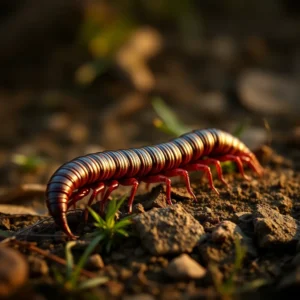
Loading Wildlife…

Scolopendridae LC

THE

CENTIPEDE

Many-Legged Assassin of the Dark

Scolopendra gigantea

Americas
CLASS Chilopoda FAMILY Scolopendridae GENUS Scolopendra
1.5 km/h
Top Speed
⚖️
3–7 g kg
Max Weight
📏
25–30 cm
Body Length
🕰️
10 years
Lifespan
🍖
Carnivore
Diet Type

IUCN Red List — Where this species stands

LC Least Concern
NT Near Threatened
VU Vulnerable
EN Endangered
CR Critical
EW Extinct Wild
EX Extinct

About the Centipede

Scolopendra gigantea

Advertisement

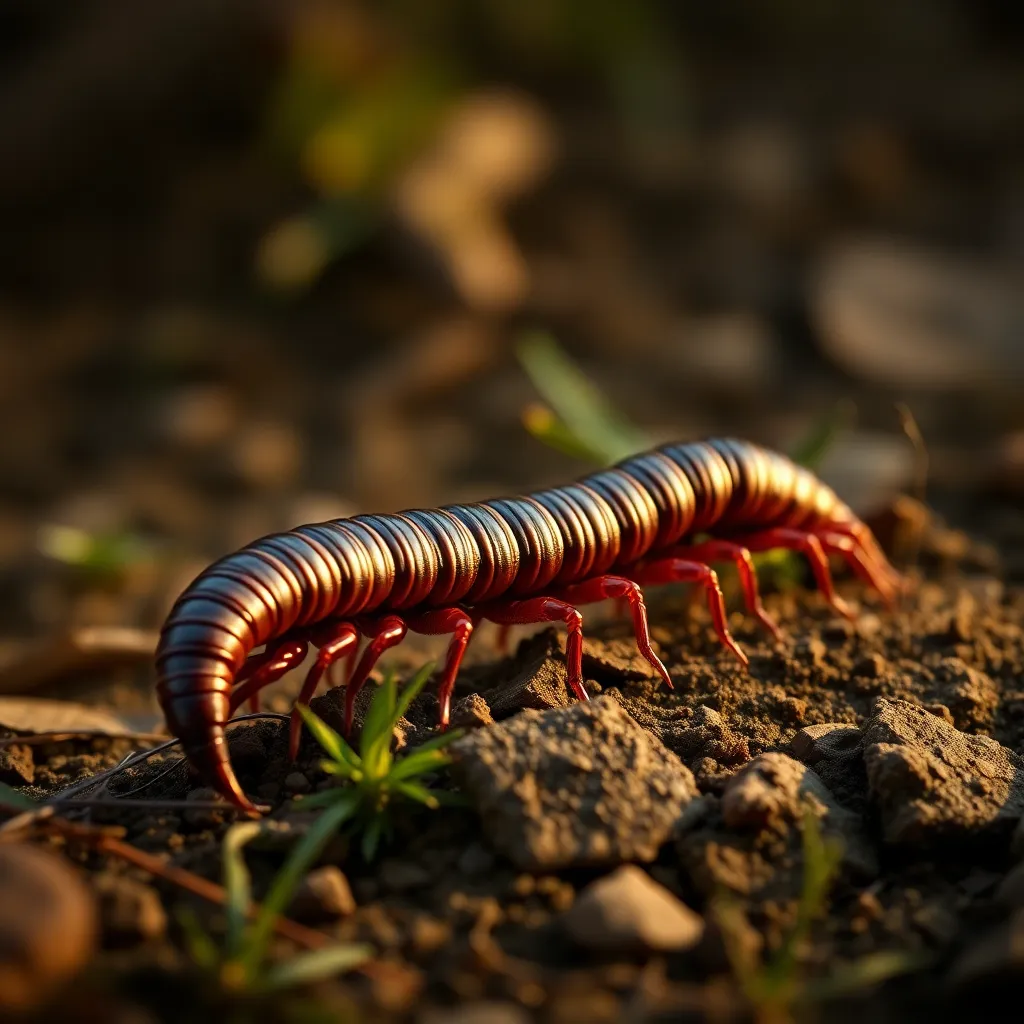
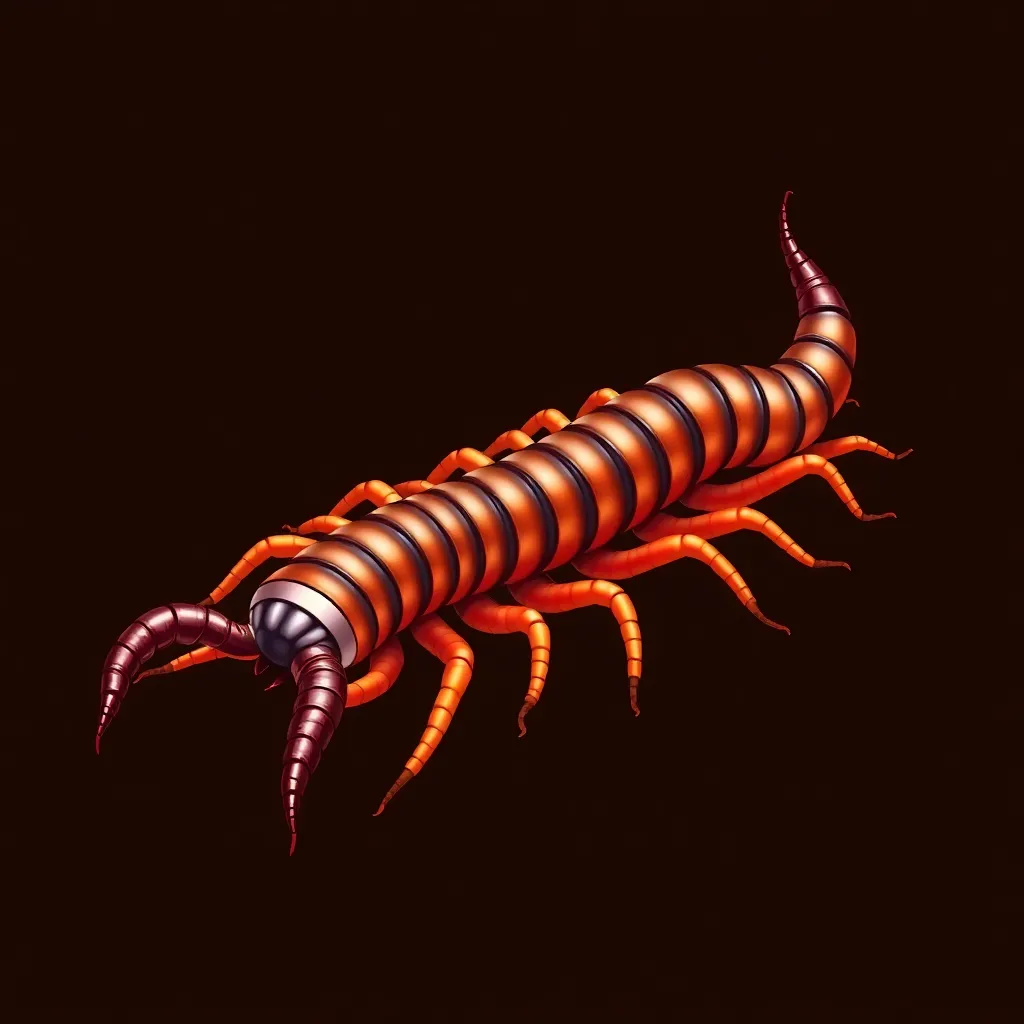
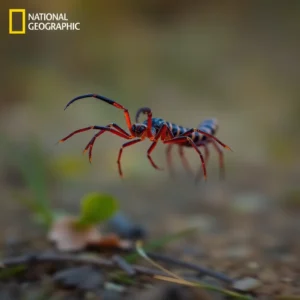
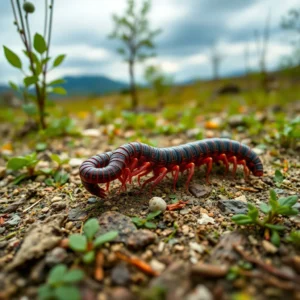
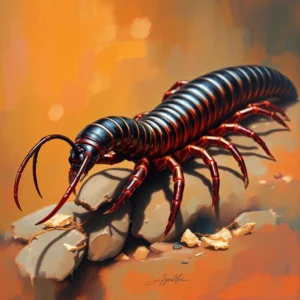
The Amazonian giant centipede is the world’s largest centipede, capable of reaching 30 cm in length and powerful enough to hunt prey including large spiders, frogs, lizards, small snakes, and notably bats — which it catches mid-air by anchoring itself to cave ceilings with its rear legs. Despite its arthropod anatomy, this centipede is a voracious, generalist predator at the top of many invertebrate food chains, injecting venom through modified first legs called forcipules that cause extreme pain, cardiovascular disruption, and necrosis in vertebrates. Centipedes are among the most ancient of all extant arthropod lineages, with the fossil record extending over 430 million years.

⚡ Speed Comparison

Centipede
2 km/h
Human
12 km/h
Car (city)
50 km/h
Horse
54 km/h

💡 Fun Facts

01

Scolopendra gigantea is documented hanging from cave ceilings by its rear legs to catch bats in flight — one of the only invertebrates known to regularly hunt flying vertebrates using a ceiling-anchor strategy.

02

Centipede venom contains a unique peptide called SsTx that targets potassium channels in the heart, causing cardiac arrest in small vertebrates — a mechanism distinct from all snake venoms.

03

Despite having between 30 and 354 legs depending on species, centipedes always have an odd number of leg pairs, meaning no centipede species can ever have exactly 100 legs.

04

Centipedes are the most ancient of all major venomous predatory arthropod lineages — fossils virtually identical in body plan to modern forms are known from the Silurian period, over 430 million years ago.

05

A giant centipede can consume a mouse entirely in under an hour, with a digestive system capable of liquefying and absorbing proteins and lipids from prey many times its own mass.

Unlock Expert Wildlife Facts

Watch a short 15-second video to unlock detailed expert analysis, exclusive wildlife photography, and rare behavioral facts.

📍 Where to Find This Animal

🛒 Centipede Related Gear

As an Amazon Associate we earn from qualifying purchases.
🗨️

Join the Conversation

Share your thoughts about the Centipede

✍️

Leave a Comment

Your email address will not be published. Required fields are marked *

How Big Is a Centipede?

Side-by-side comparison with an adult human (175 cm)

🧍
Human
175 cm
🐛
Centipede
65 cm
shoulder height
3–7 BODY WEIGHT
25–30 BODY LENGTH
1.5 TOP SPEED
10 LIFESPAN
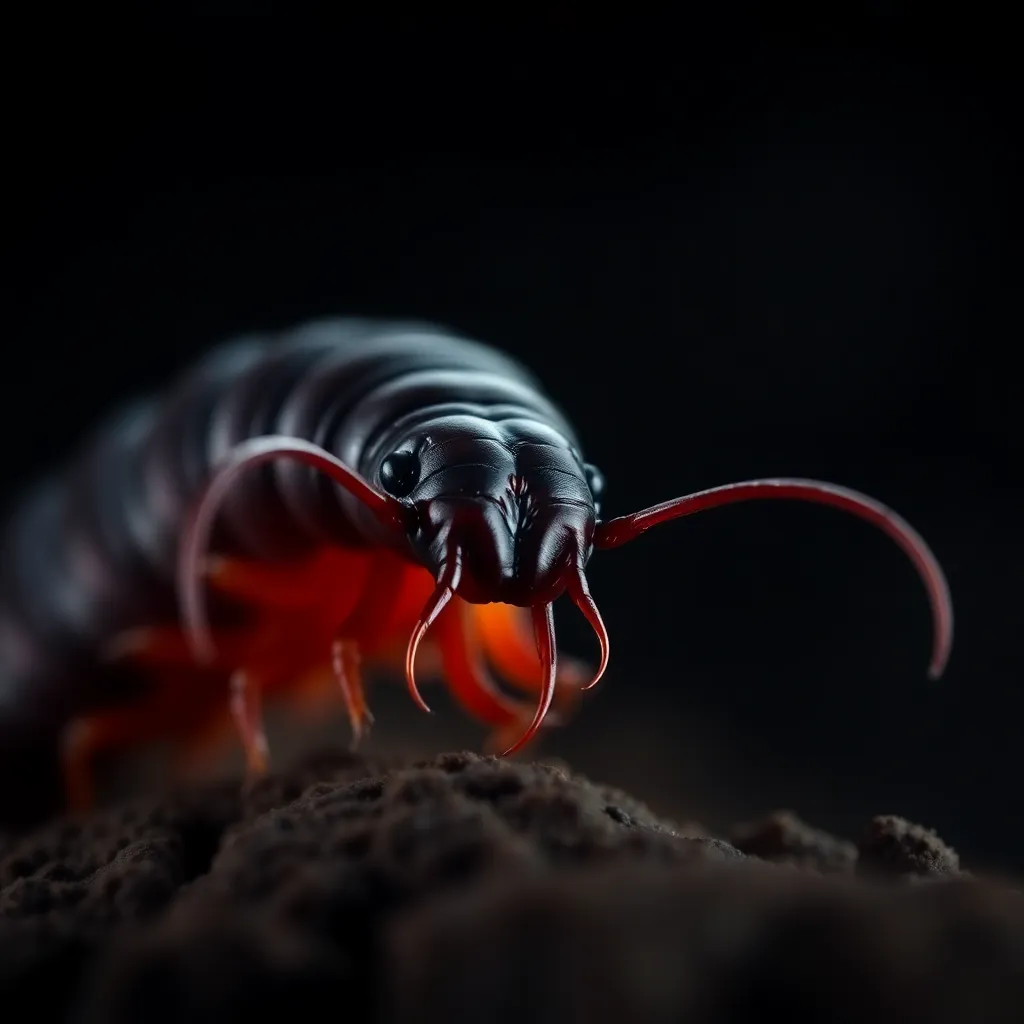
Centipede close-up
Centipede

SURVIVAL TOOLKIT

Built for Survival

Nature's engineering refined over millions of years

🔬 SURVIVAL TOOLKIT
Venom-Injecting Forcipules
01

Venom-Injecting Forcipules

The first pair of legs is modified into hollow, claw-like venom-delivery fangs called forcipules that deliver a complex venom cocktail causing paralysis, pain, and tissue destruction.

Undulatory Locomotion
02

Undulatory Locomotion

Precise neuromuscular coordination across up to 46 leg pairs enables smooth, extremely rapid movement with no leg interference, allowing the centipede to accelerate instantly in any direction.

Long-Antennae Chemoreception
03

Long-Antennae Chemoreception

Long, multi-segmented antennae densely covered in sensory hairs detect air-borne chemicals, humidity gradients, and substrate vibrations to locate prey and navigate in total cave darkness.

Ceiling-Grip Predation
04

Ceiling-Grip Predation

The terminal legs on the rear of the body have specialized grippling tarsi enabling the centipede to anchor itself to vertical and inverted surfaces, freeing the anterior body to strike at prey.

Sclerotized Exoskeleton
05

Sclerotized Exoskeleton

A heavily sclerotized, flattened exoskeleton provides structural rigidity and physical protection while remaining flexible enough to pursue prey into narrow rock crevices and soil tunnels.

Simple Ocelli Eyes
06

Simple Ocelli Eyes

Groups of simple ocelli rather than compound eyes provide basic light/dark detection sufficient for circadian rhythm regulation, with the primary sensory reliance placed on chemoreception and mechanoreception.

Many-Legged Assassin of the Dark. An extraordinary creature that reminds us what we stand to lose.

Jungal Safari · Wildlife Network
💡

Did You Know?

Scolopendra gigantea is documented hanging from cave ceilings by its rear legs to catch bats in flight — one of the only invertebrates known to regularly hunt flying vertebrates using a ceiling-anchor strategy.

🍖 DIET: CARNIVORE

What Does the Centipede Eat?

🦎
Lizards & Frogs
🦇
Bats (aerial capture)
🕷️
Tarantulas & Large Spiders
🐭
Small Rodents & Mice
🦗
Large Insects
🐍
Small Snakes
🗺️ GEOGRAPHIC RANGE

Where Do Centipedes Live?

🌍
Continents
➡️
Population Trend Stable

Conservation in Action

How You Can Help the Centipede

Small actions, taken together, can reverse the decline of species like this one

🌳
Protect Habitat

Support wildlife reserves and protected land corridors

🚫
Stop Poaching

Report illegal trade and back anti-poaching patrols

🔬
Fund Research

Camera-trap studies and population monitoring

🤝
Community Work

Partner with local herders to reduce conflict

📢
Raise Awareness

Educate and inspire future wildlife champions

"Without urgent action, the Centipede could disappear from the wild within our lifetime."

PROTECT THEM. PRESERVE THEIR LEGACY.

The Centipede's Future
Is In Our Hands

Every share, every donation, every voice raised — makes a difference for wildlife conservation.

🌳Protect Habitat
📢Raise Awareness
💰Fund Research
🤝Community Work
🚫Stop Poaching

"Protect Wildlife. Preserve Our Planet."

Every species matters. Every action counts.

Advertisement