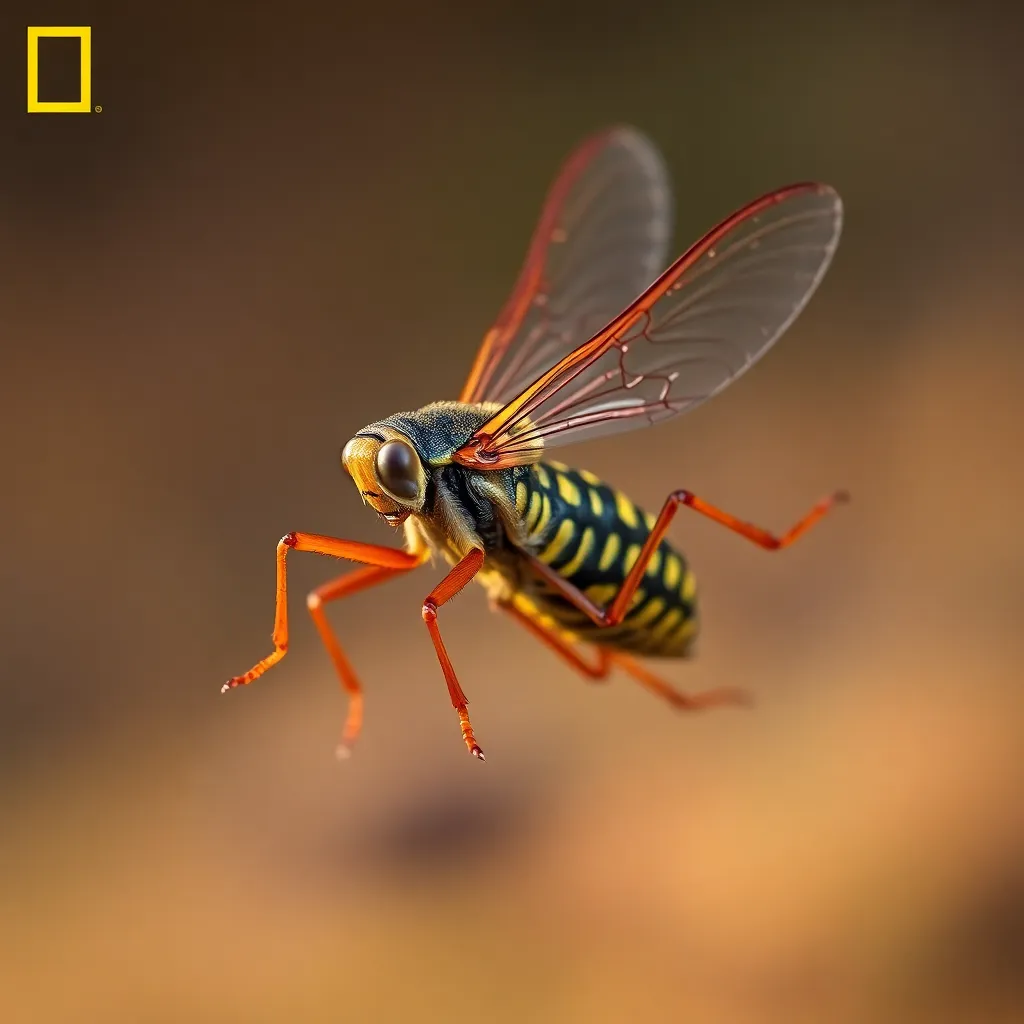
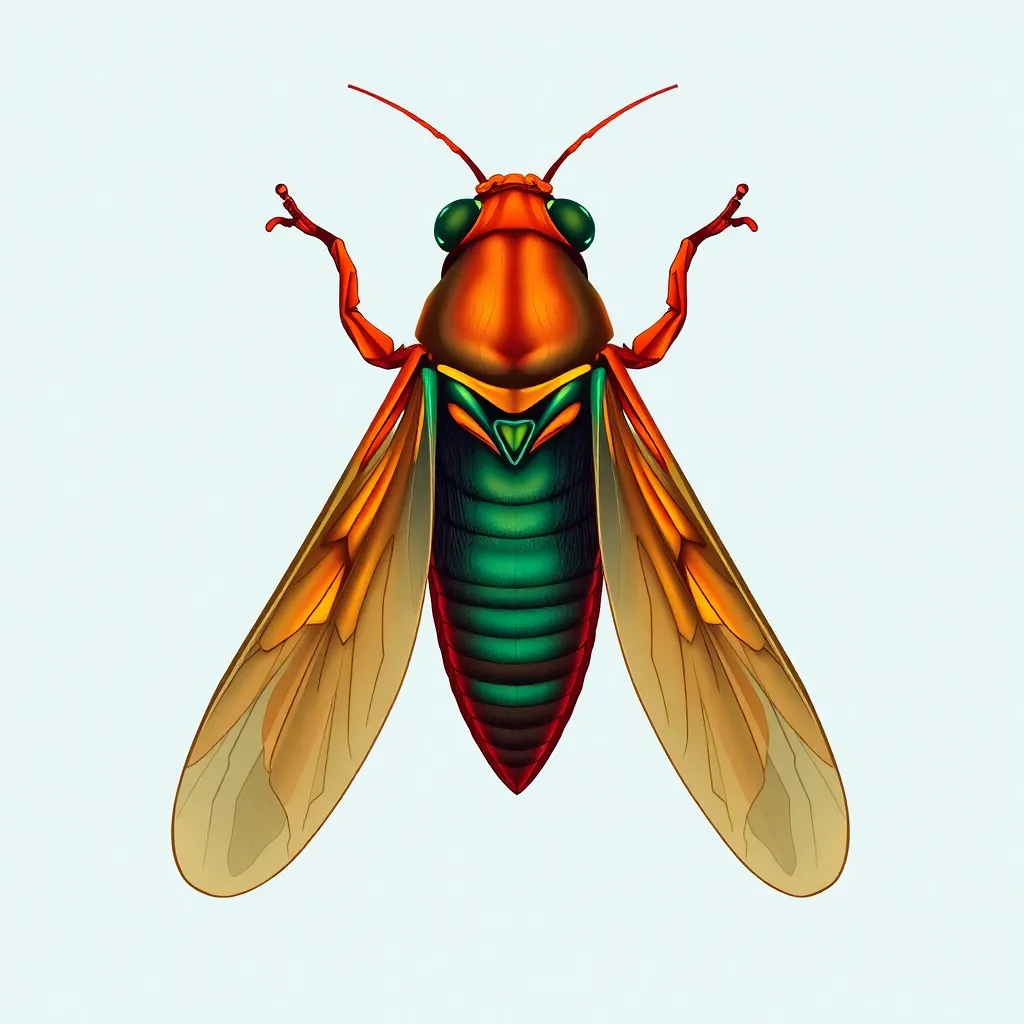
The periodical cicadas of eastern North America are among the most extraordinary insects in the world, spending 13 or 17 years as nymphs feeding on tree root xylem underground before emerging simultaneously in massive numbers. The prime-number cycle is thought to be an evolutionary strategy to prevent predator populations from synchronizing with emergence. When they do emerge, billions of individuals appear at once — a phenomenon called predator satiation — ensuring that despite the carnage, enough survive to reproduce.
About the Cicada
Magicicada septendecim
Advertisement
⚡ Speed Comparison
📸 Photo Gallery



💡 Fun Facts
01
Periodical cicadas spend either 13 or 17 years underground as nymphs — the only animals known to use prime numbers in their life cycle.
02
A cicada chorus can exceed 100 decibels — louder than a lawnmower — making them among the loudest insects in the world.
03
The simultaneous emergence of billions of cicadas is a deliberate evolutionary strategy called predator satiation: too many prey items for all predators to consume.
04
Male cicadas produce sound using tymbals — ribbed membranes in their abdomen that buckle inward and snap outward up to 300 times per second.
05
Cicadas are the only insects that have a true hydraulic system: they pump fluid through their bodies to extend their wings after emergence.
📍 Where to Find This Animal
Habitat Types:
Temperate Deciduous Forest
🛒 Cicada Related Gear
As an Amazon Associate we earn from qualifying purchases.



Join the Conversation
Share your thoughts about the Cicada