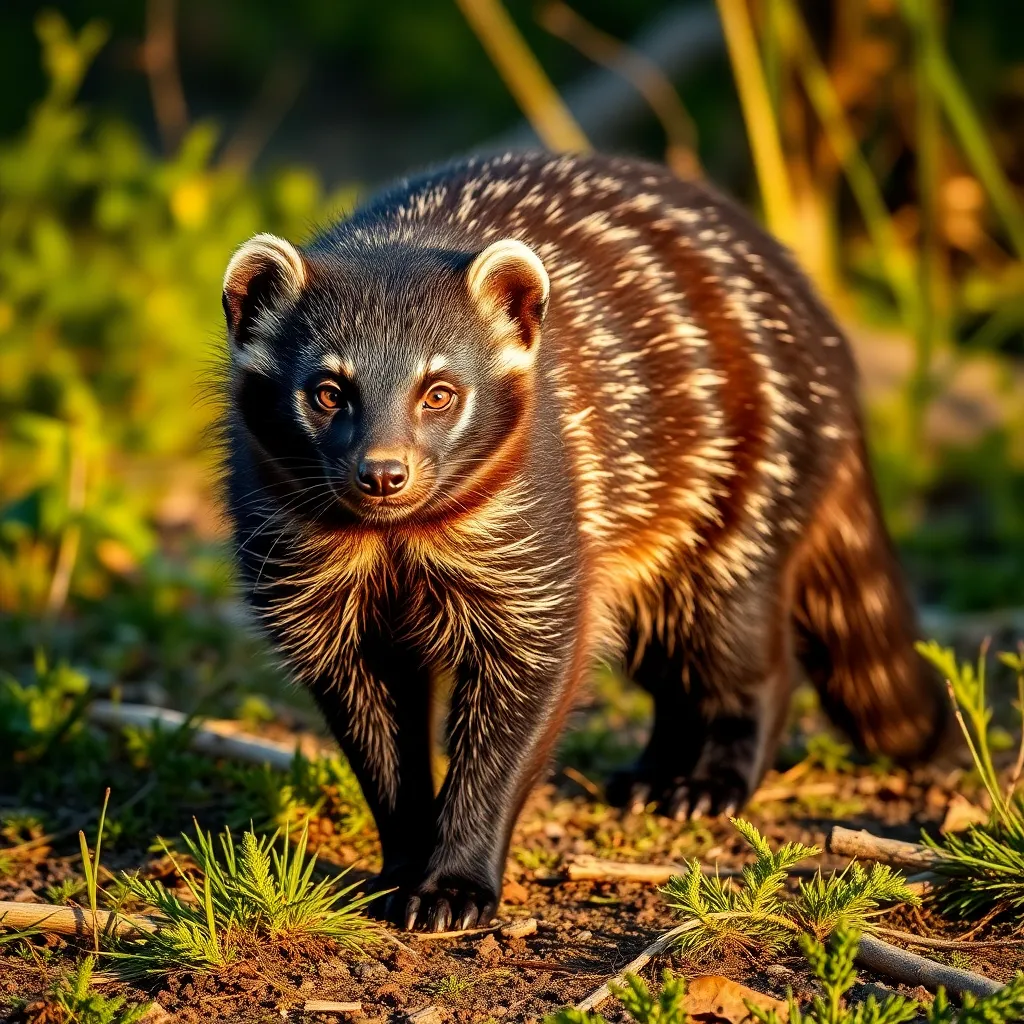
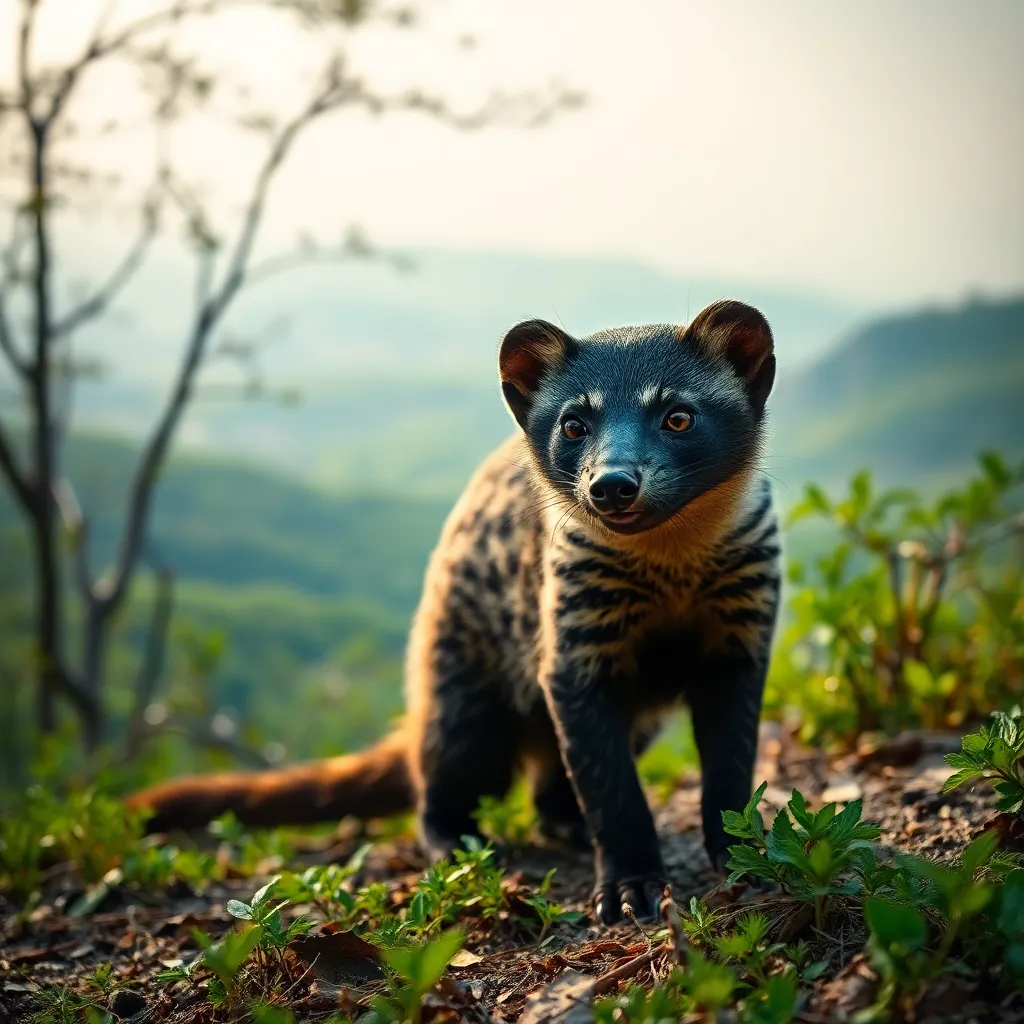
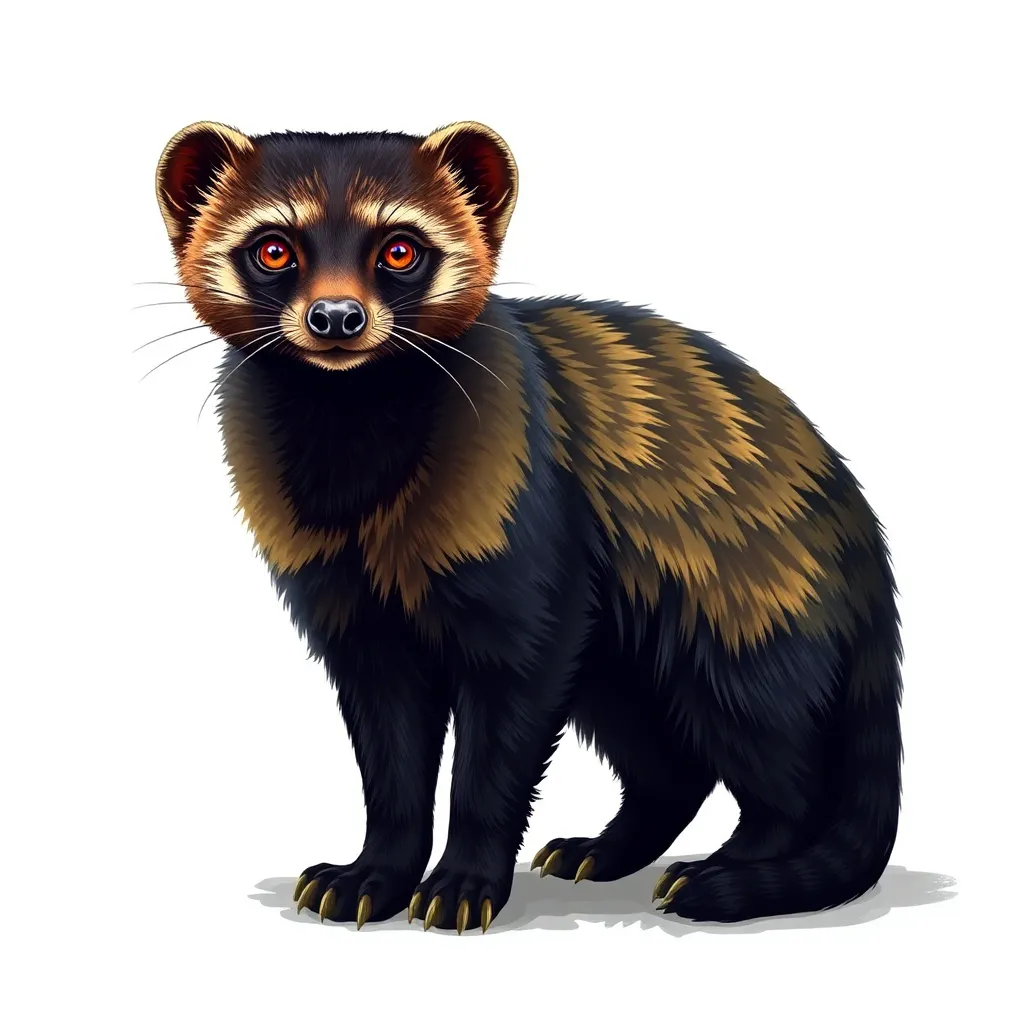
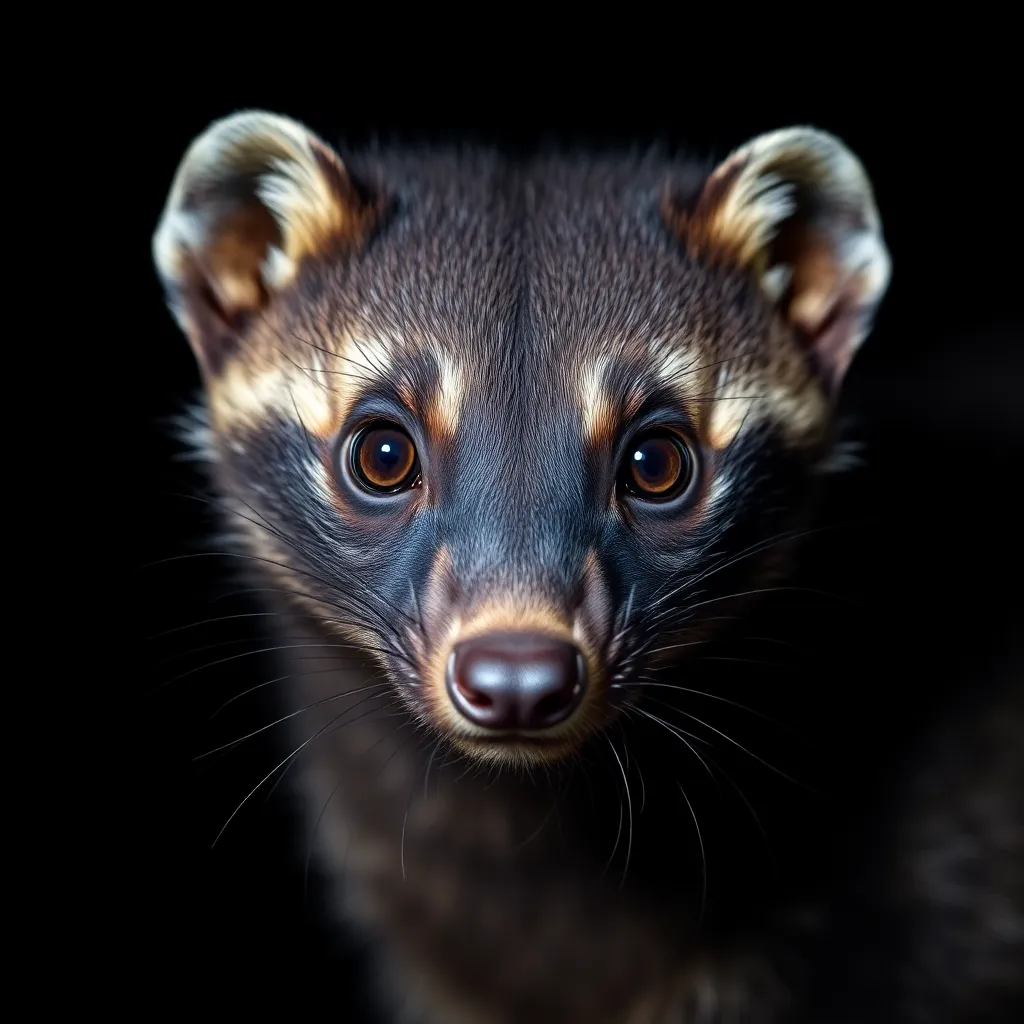
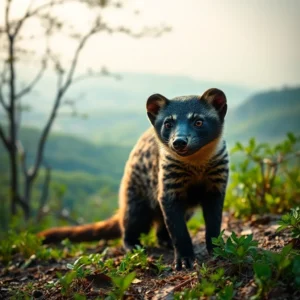
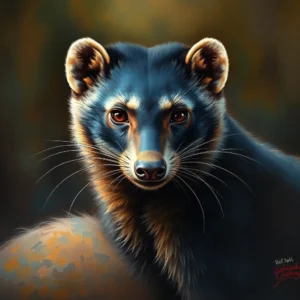
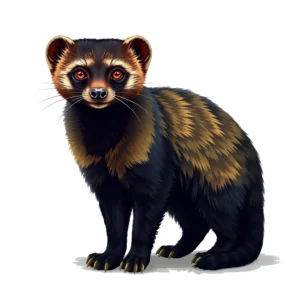
The large Indian civet is a secretive nocturnal mammal of South and Southeast Asia, resembling a large cat but more closely related to mongooses and hyenas. Civets are famous for producing civetone — a musky secretion from perineal glands near the tail used for scent marking and, historically, as a base note in luxury perfumes. They are also inadvertently famous for Kopi Luwak, the world’s most expensive coffee, produced when civets eat and partially digest coffee cherries before the beans are recovered from their droppings.
About the Civet
Viverra zibetha
Advertisement
⚡ Speed Comparison
📸 Photo Gallery
💡 Fun Facts
01
Civet musk secretion, called civetone, was a key ingredient in Chanel No. 5 and other classic luxury perfumes before being replaced by synthetic versions due to animal welfare concerns.
02
Kopi Luwak coffee, produced from beans that pass through the civet's digestive system, sells for up to $700 per kilogram, making it the world's most expensive coffee.
03
Civets are important seed dispersers — they swallow whole fruits and pass the seeds undigested, spreading trees across the forest floor.
04
The civet's perineal scent glands produce enough musk to be detected by the human nose from over 100 meters away in still air.
05
Despite looking cat-like, civets walk on their toes (digitigrade) and possess retractable claws in some species, independently evolving cat-like traits.
📍 Where to Find This Animal
Habitat Types:
Tropical Forest
🛒 Civet Related Gear
As an Amazon Associate we earn from qualifying purchases.
Join the Conversation
Share your thoughts about the Civet