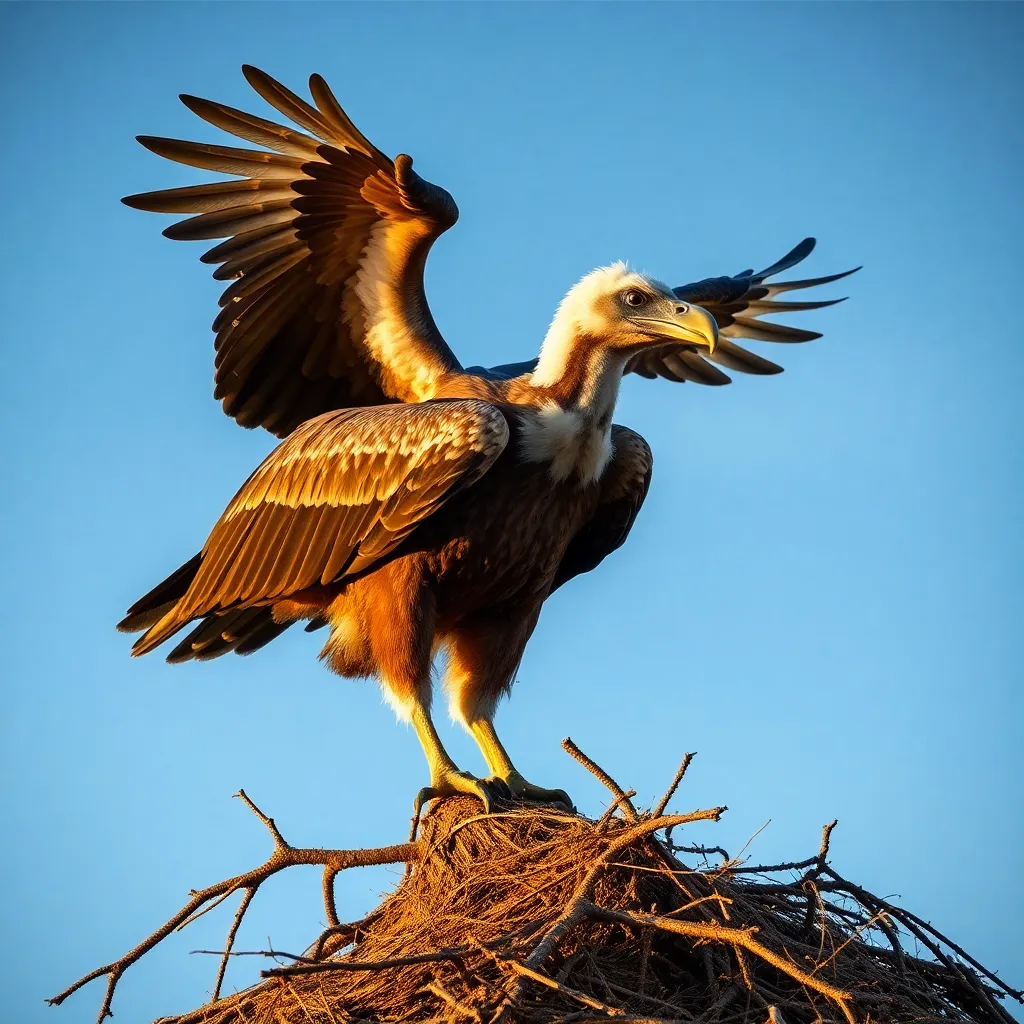
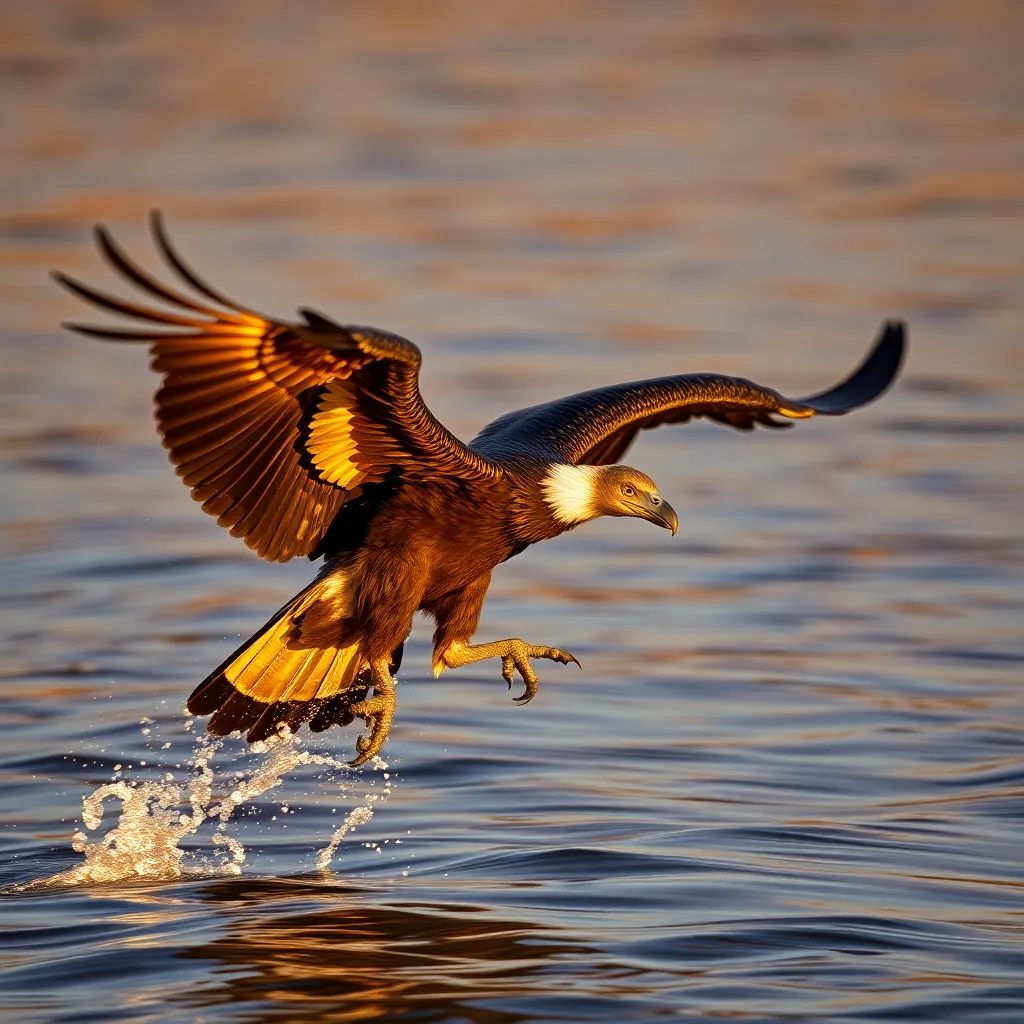
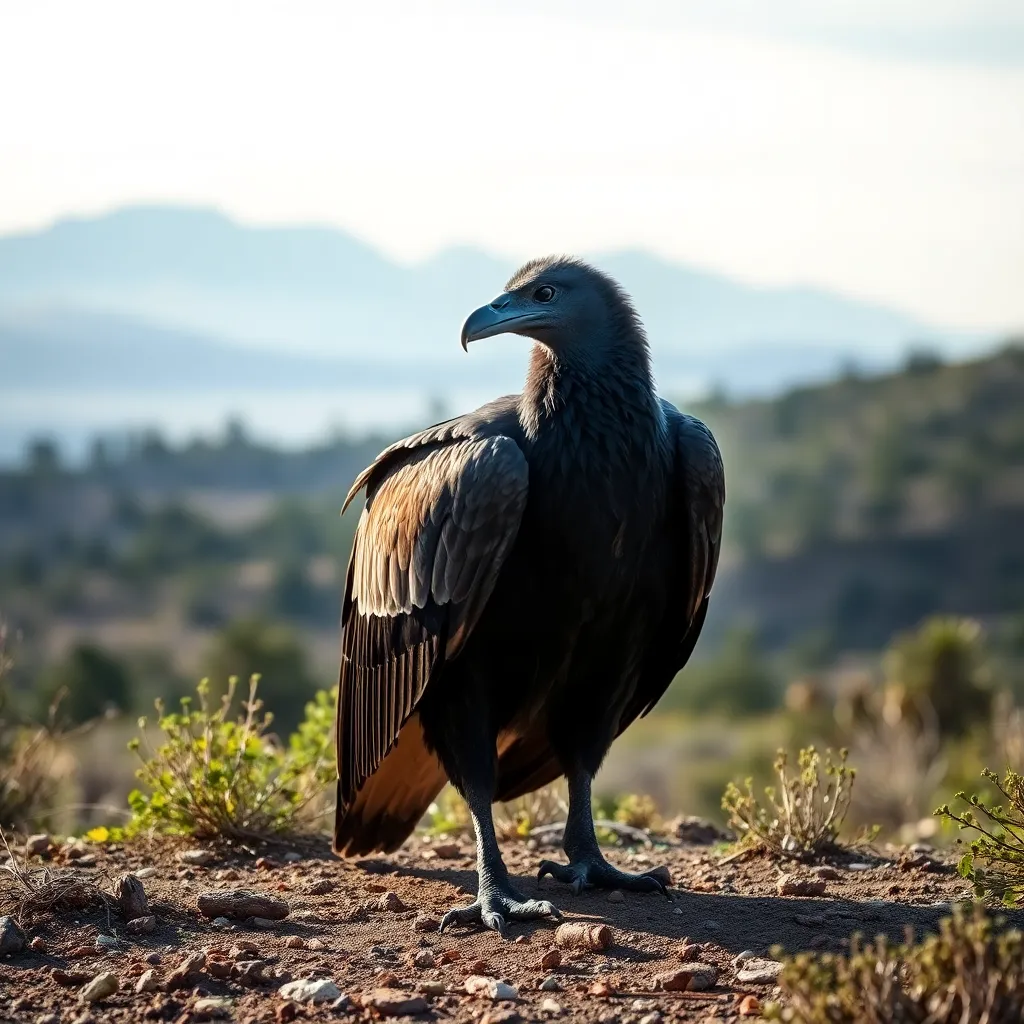
The California condor is the largest flying land bird in North America and one of conservation’s most dramatic comeback stories. By 1987, the entire wild population had been captured — just 27 birds remained on Earth — and an intensive captive-breeding program was the only hope for survival. Through extraordinary effort, the population has grown to over 500 individuals with more than 300 flying free in the wild across California, Utah, Arizona, and Baja California. However, lead poisoning from hunter-killed carcasses remains the primary ongoing threat.
About the Condor
Gymnogyps californianus
Advertisement
⚡ Speed Comparison
📸 Photo Gallery
💡 Fun Facts
01
California condors became extinct in the wild in 1987 when the last 27 birds were captured for a captive-breeding program.
02
Their 3-meter wingspan is the largest of any North American bird — they rarely need to flap, using thermals to soar for hours.
03
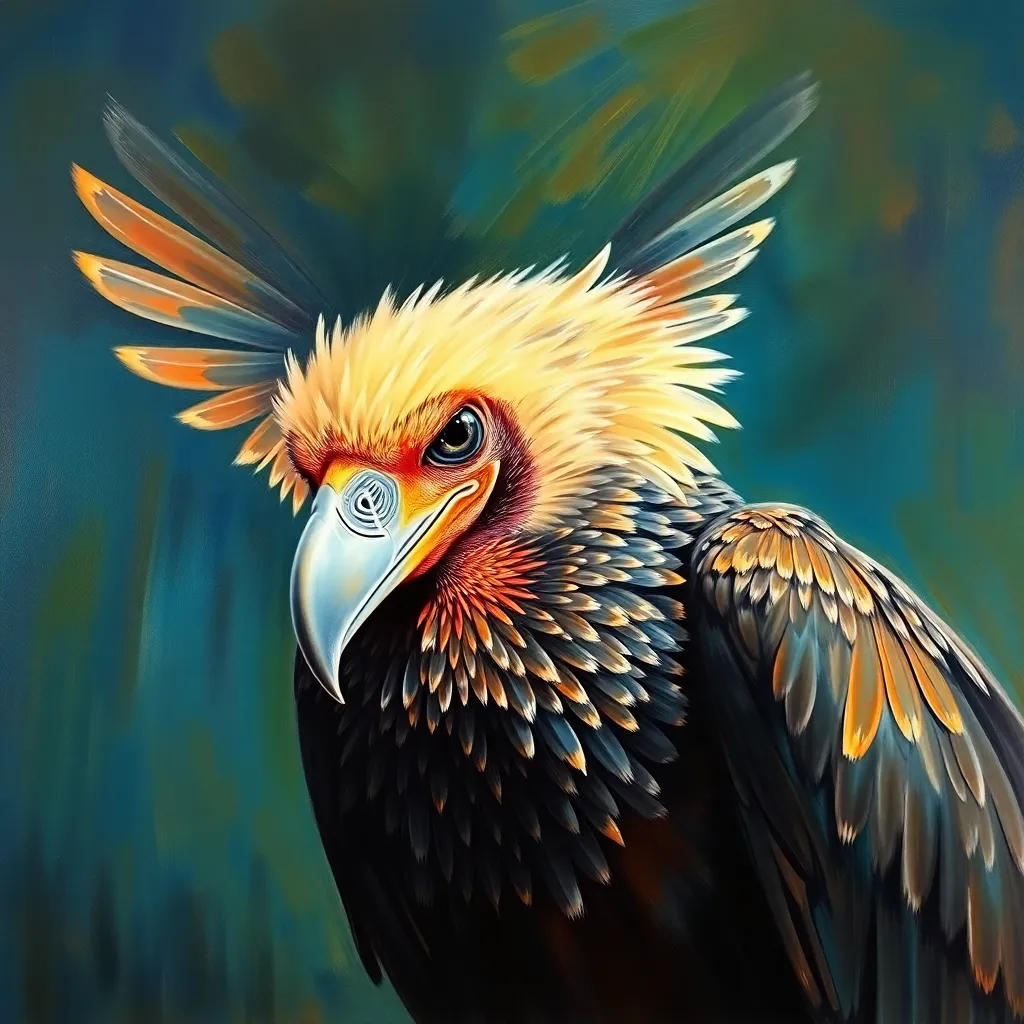
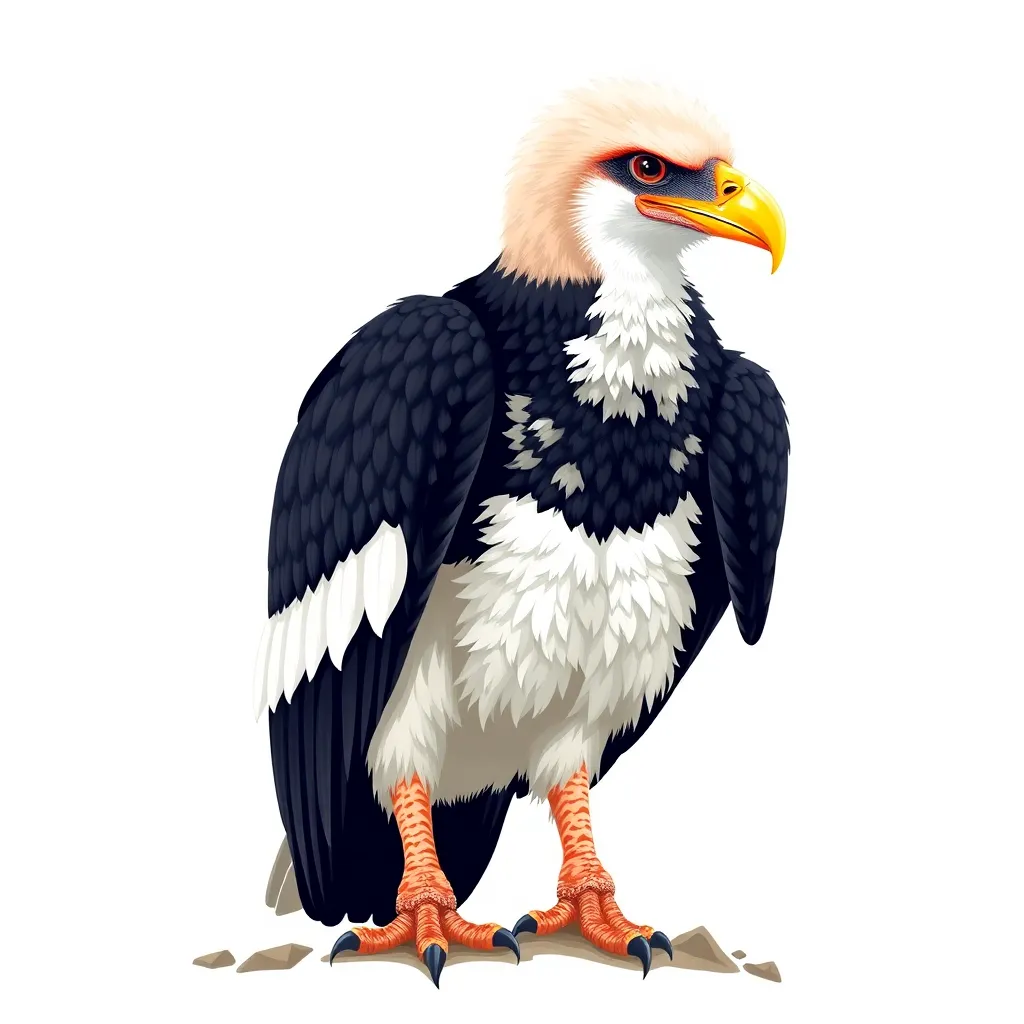
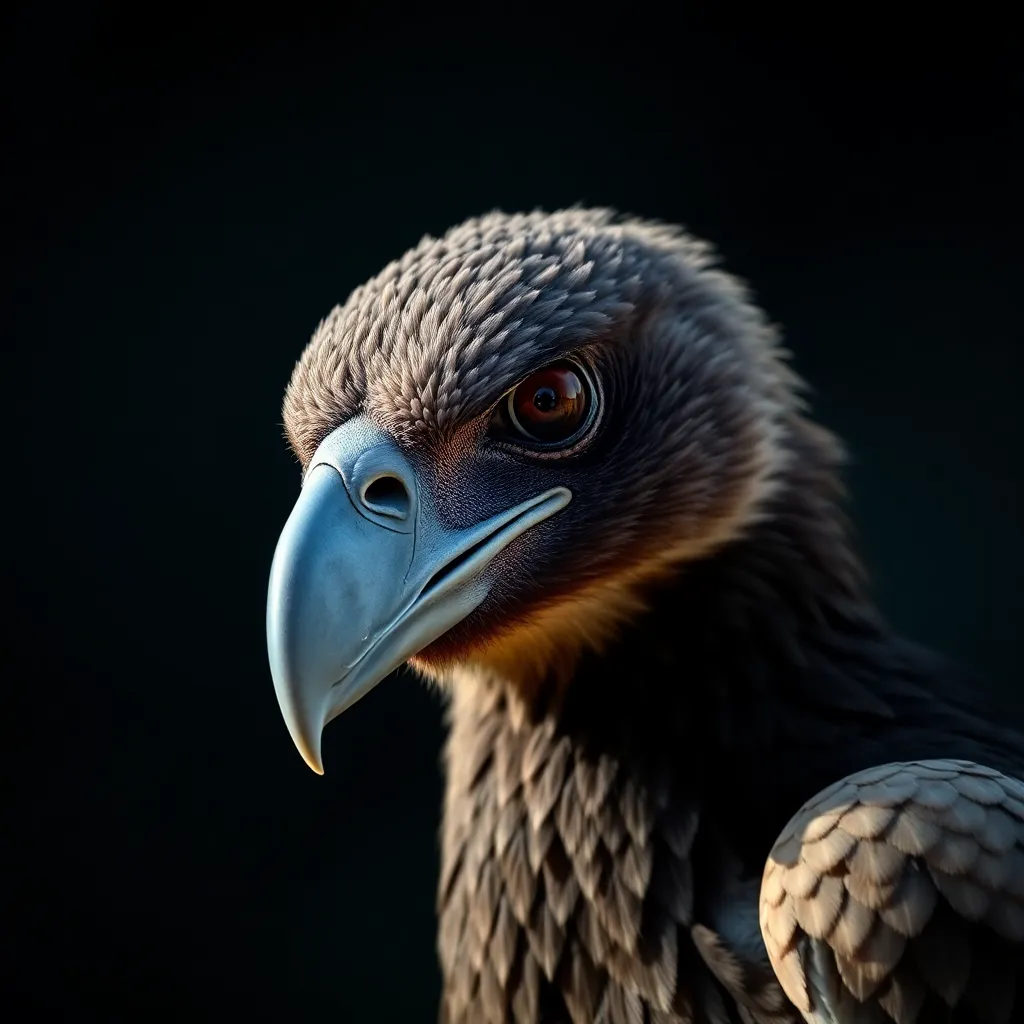
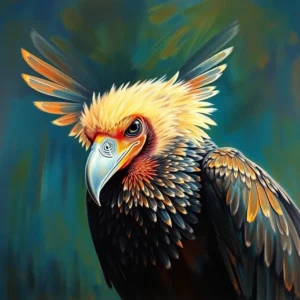
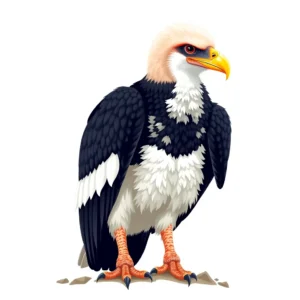
Condors have no feathers on their head; the bare skin changes color with emotion, flushing red when excited or alarmed.
04
They have an extraordinary lifespan of up to 60 years and don't reach sexual maturity until age 6.
05
Condors can soar up to 4,500 metres above sea level and travel up to 240 km in a single day while searching for carrion.
📍 Where to Find This Animal
Habitat Types:
Rocky Mountains & Canyon Lands
🛒 Condor Related Gear
As an Amazon Associate we earn from qualifying purchases.

Join the Conversation
Share your thoughts about the Condor