Loading Wildlife…

Equidae LC

THE

DONKEY

Steadfast Beast of Burden

Equus africanus asinus

Global (Domesticated)
CLASS Mammalia FAMILY Equidae GENUS Equus
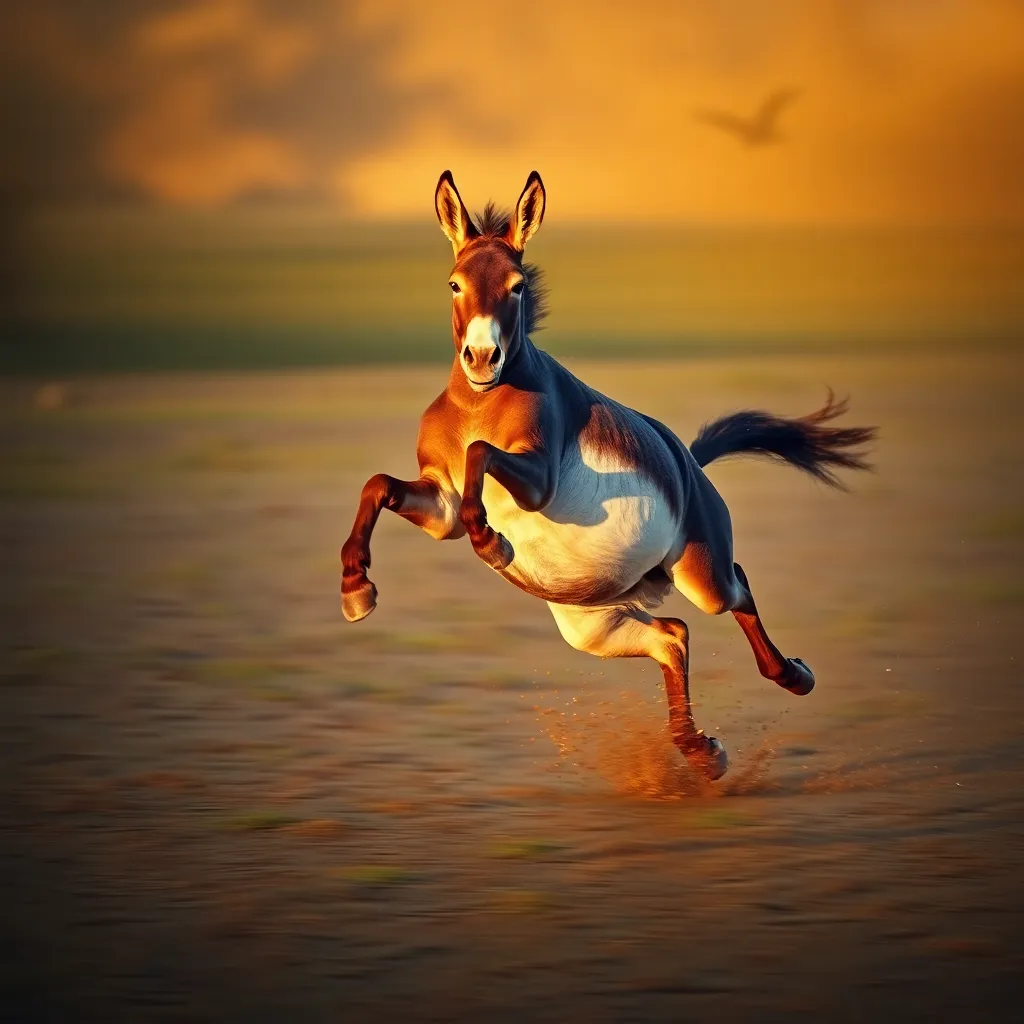
48 km/h
Top Speed
⚖️
80–480 kg
Max Weight
📏
0.9–1.4 m (shoulder height)
Body Length
🕰️
25–40 years
Lifespan
🍖
Herbivore
Diet Type

IUCN Red List — Where this species stands

LC Least Concern
NT Near Threatened
VU Vulnerable
EN Endangered
CR Critical
EW Extinct Wild
EX Extinct

About the Donkey

Equus africanus asinus

Advertisement

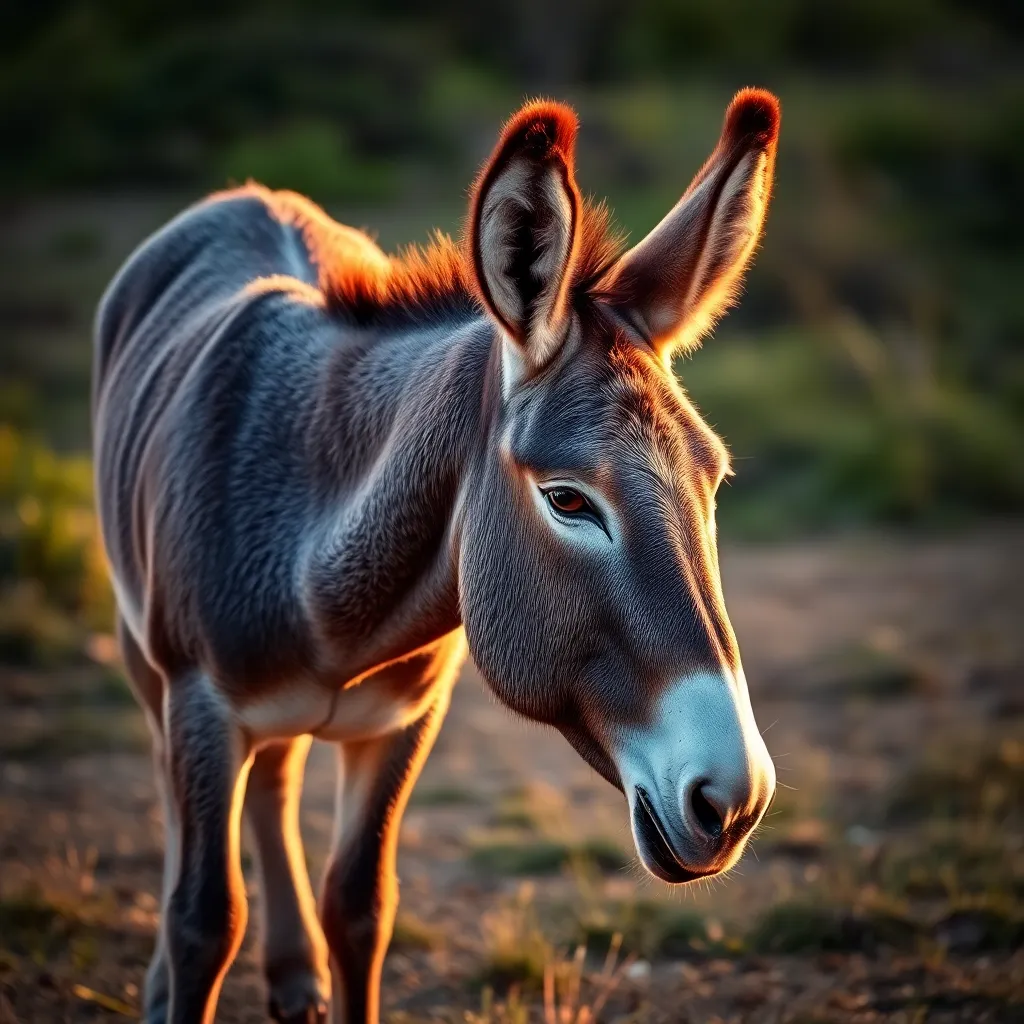
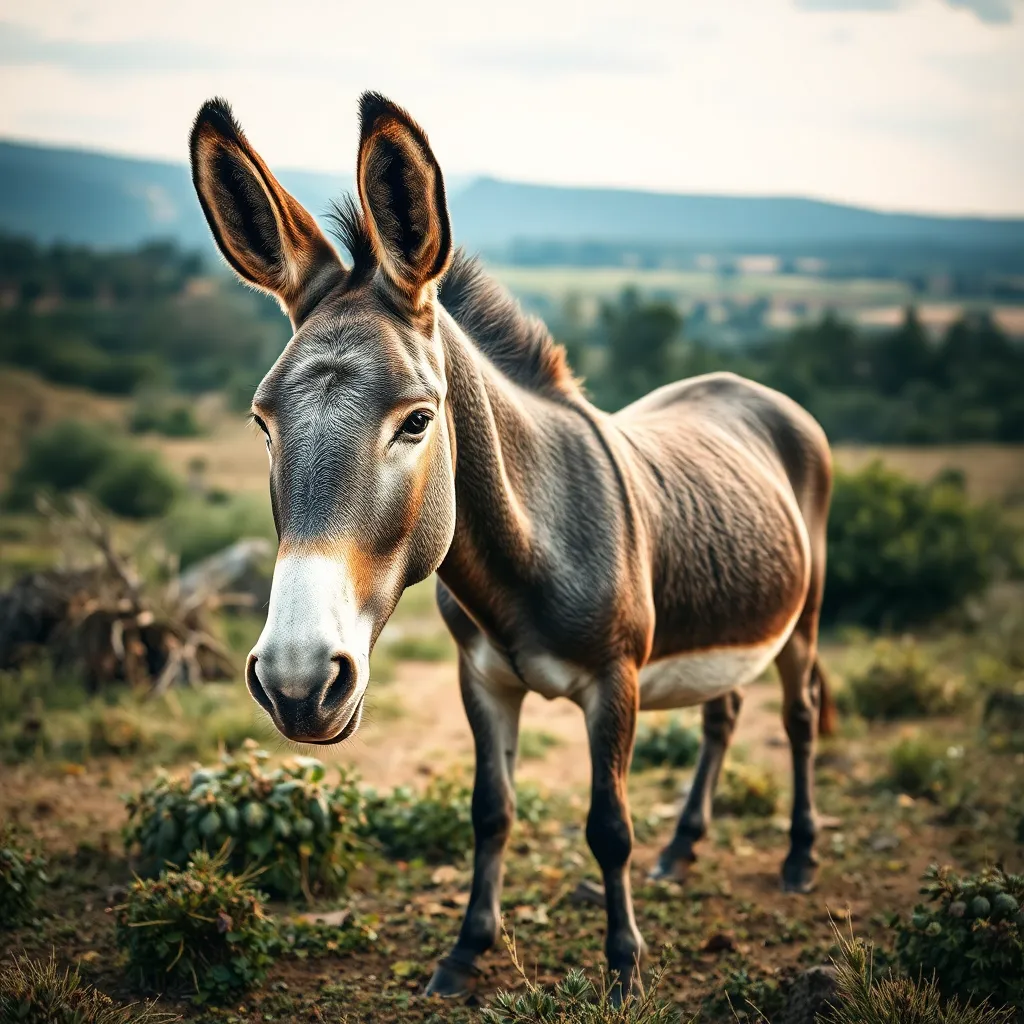
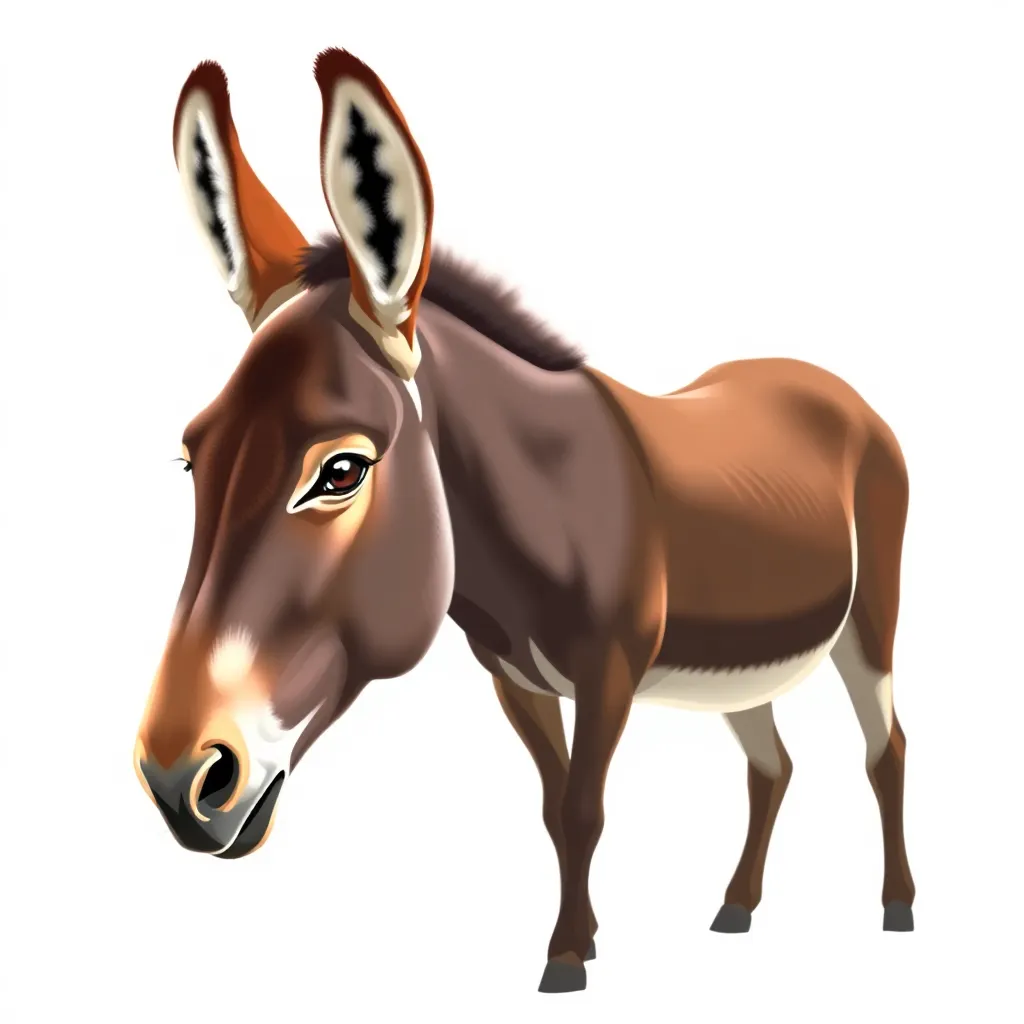
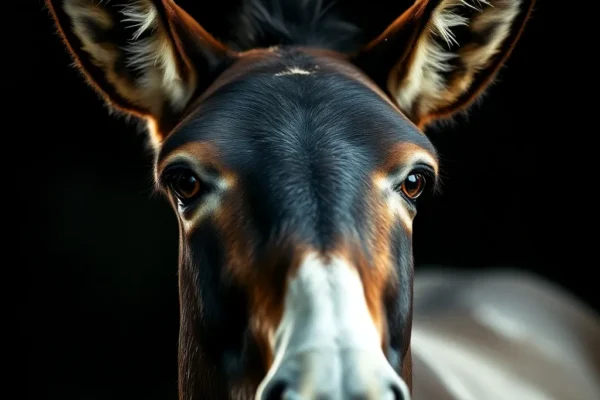
The domestic donkey, descended from the African wild ass, has partnered with humanity for over 6,000 years, serving as one of the most important working animals in history. Remarkably sure-footed on rocky terrain and capable of thriving on sparse vegetation that would starve a horse, donkeys have been indispensable in mountainous and arid regions across Africa, Asia, and the Americas. Far from the slow-witted stereotype, donkeys are highly intelligent, cautious, and have an extraordinary memory for places and individuals.

⚡ Speed Comparison

Human
12 km/h
Donkey
48 km/h
Car (city)
50 km/h
Horse
54 km/h

💡 Fun Facts

01

Donkeys can hear another donkey's bray from over 60 km away in open desert — their large ears evolved in arid environments where sound carries exceptionally far.

02

Unlike horses, donkeys have a strong sense of self-preservation and will refuse to do something they perceive as dangerous, which is often misinterpreted as stubbornness.

03

A donkey's digestive system is so efficient it can extract nutrients from low-quality vegetation that horses and cattle cannot process.

04

Donkeys remember places they have visited and people they have met for decades — a cognitive ability that rivals elephants on some memory tasks.

05

There are more than 40 million donkeys worldwide, making them one of the most numerous large domestic animals on Earth, essential to subsistence farming communities.

Unlock Expert Wildlife Facts

Watch a short 15-second video to unlock detailed expert analysis, exclusive wildlife photography, and rare behavioral facts.

📍 Where to Find This Animal

🛒 Donkey Related Gear

As an Amazon Associate we earn from qualifying purchases.
🗨️

Join the Conversation

Share your thoughts about the Donkey

✍️

Leave a Comment

Your email address will not be published. Required fields are marked *

How Big Is a Donkey?

Side-by-side comparison with an adult human (175 cm)

🧍
Human
175 cm
🫏
Donkey
65 cm
shoulder height
80–480 BODY WEIGHT
0.9–1.4 BODY LENGTH
48 TOP SPEED
25–40 LIFESPAN
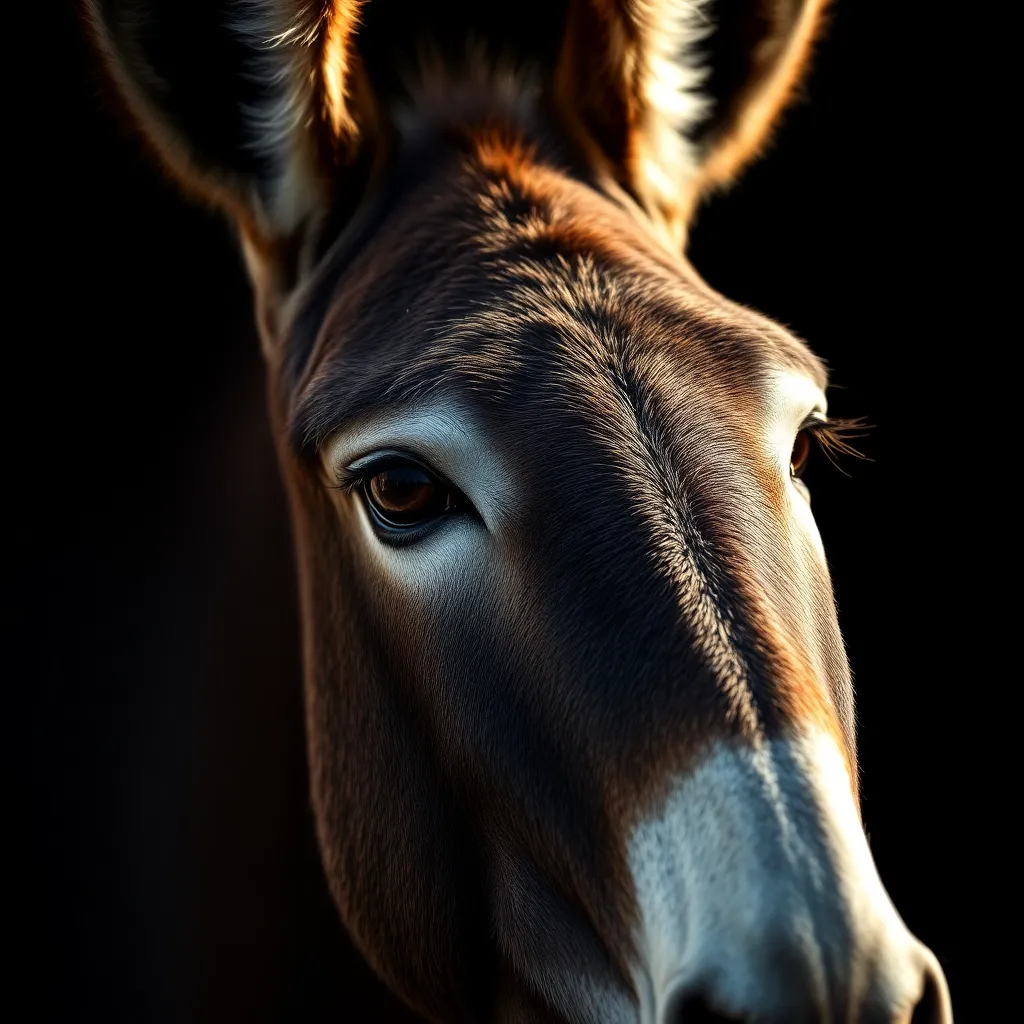
Donkey close-up
Donkey

SURVIVAL TOOLKIT

Built for Survival

Nature's engineering refined over millions of years

🔬 SURVIVAL TOOLKIT
Large Desert Ears
01

Large Desert Ears

Oversized ears contain a dense blood vessel network that radiates heat and amplify sound over vast distances, an adaptation for hot arid environments.

Sure-Footed Hooves
02

Sure-Footed Hooves

Narrow, upright hooves with a harder outer wall than horse hooves grip rocky and uneven terrain with exceptional stability, enabling safe movement in mountainous landscapes.

Efficient Digestion
03

Efficient Digestion

A highly efficient hindgut fermentation system extracts maximum nutrition from dry, fibrous, low-quality vegetation in semi-arid habitats.

Cautious Intelligence
04

Cautious Intelligence

Donkeys assess risk independently before acting, a survival trait developed in wild ancestors to avoid predators in open terrain where escape is difficult.

Water Conservation
05

Water Conservation

Donkeys can lose up to 30% of their body weight in water — far more than horses — and rapidly rehydrate by drinking large volumes in a single session.

Steadfast Beast of Burden. An extraordinary creature that reminds us what we stand to lose.

Jungal Safari · Wildlife Network
💡

Did You Know?

Donkeys can hear another donkey's bray from over 60 km away in open desert — their large ears evolved in arid environments where sound carries exceptionally far.

🍖 DIET: HERBIVORE

What Does the Donkey Eat?

🌾
Dry Grasses & Hay
🌿
Shrubs & Browse
🌵
Desert Vegetation
🍎
Fruit & Vegetables
🌱
Bark & Twigs
🗺️ GEOGRAPHIC RANGE

Where Do Donkeys Live?

🌍
➡️
Population Trend Stable

Conservation in Action

How You Can Help the Donkey

Small actions, taken together, can reverse the decline of species like this one

🌳
Protect Habitat

Support wildlife reserves and protected land corridors

🚫
Stop Poaching

Report illegal trade and back anti-poaching patrols

🔬
Fund Research

Camera-trap studies and population monitoring

🤝
Community Work

Partner with local herders to reduce conflict

📢
Raise Awareness

Educate and inspire future wildlife champions

"Without urgent action, the Donkey could disappear from the wild within our lifetime."

PROTECT THEM. PRESERVE THEIR LEGACY.

The Donkey's Future
Is In Our Hands

Every share, every donation, every voice raised — makes a difference for wildlife conservation.

🌳Protect Habitat
📢Raise Awareness
💰Fund Research
🤝Community Work
🚫Stop Poaching

"Protect Wildlife. Preserve Our Planet."

Every species matters. Every action counts.

Advertisement