Loading Wildlife…

Aeshnidae LC

THE

DRAGONFLY

Aerial Ace of Ancient Skies

Anax junius

Global
CLASS Insecta FAMILY Aeshnidae GENUS Anax
56 km/h
Top Speed
⚖️
0.3-1 g kg
Max Weight
📏
5-9 cm
Body Length
🕰️
Up to 6 months (adult) yrs
Lifespan
🍖
Carnivore
Diet Type

IUCN Red List — Where this species stands

LC Least Concern
NT Near Threatened
VU Vulnerable
EN Endangered
CR Critical
EW Extinct Wild
EX Extinct

About the Dragonfly

Anax junius

Advertisement

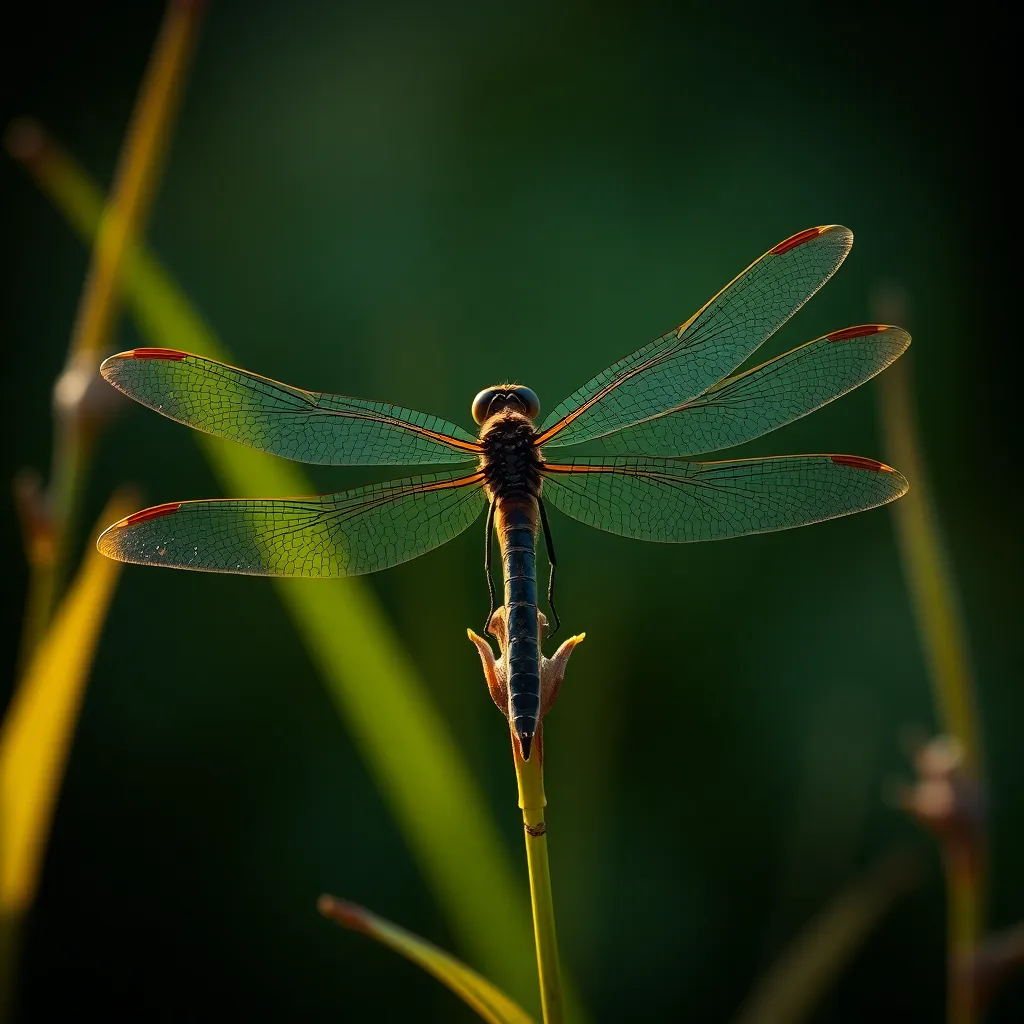
Dragonflies are among the most ancient and perfected aerial predators on Earth, with a lineage stretching back 300 million years. The common green darner is one of the largest and most powerful North American dragonflies, undertaking one of the few known insect migrations of thousands of kilometres. Dragonflies have the highest prey capture success rate of any predator studied — up to 95% of hunts succeed — achieved through a combination of extraordinary flight control, predictive neural processing, and multi-faceted visual acuity.

⚡ Speed Comparison

Human
12 km/h
Car (city)
50 km/h
Horse
54 km/h
Dragonfly
56 km/h

💡 Fun Facts

01

Dragonflies have a 95% hunting success rate — the highest of any predator, beating lions (25%) and great white sharks (50%).

02

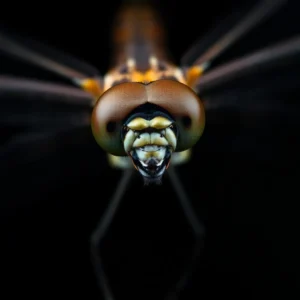
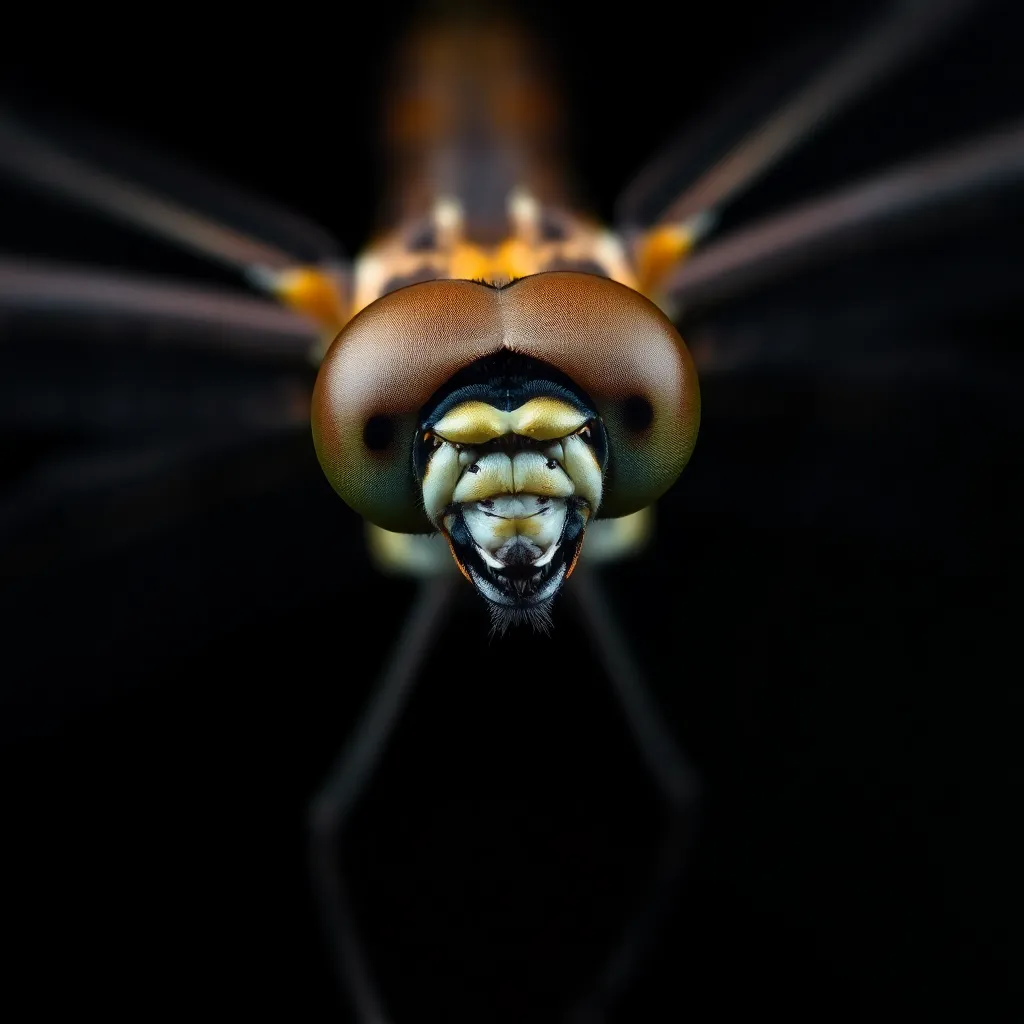
Their compound eyes cover almost their entire head and contain up to 30,000 individual facets with 4 types of color-sensitive photoreceptors (compared to 3 in humans).

03

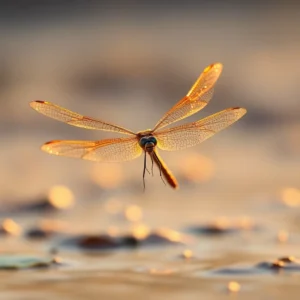
Dragonflies can fly in all directions including backward and sideways, hover perfectly still, and perform sudden turns at full speed.

04

They are one of the few insect species known to migrate, with some populations flying up to 6,000 km between North America and the Caribbean.

05

Fossil dragonflies from 300 million years ago had wingspans of over 70 cm — larger than many modern birds.

Unlock Expert Wildlife Facts

Watch a short 15-second video to unlock detailed expert analysis, exclusive wildlife photography, and rare behavioral facts.

📍 Where to Find This Animal

🛒 Dragonfly Related Gear

As an Amazon Associate we earn from qualifying purchases.
🗨️

Join the Conversation

Share your thoughts about the Dragonfly

✍️

Leave a Comment

Your email address will not be published. Required fields are marked *

How Big Is a Dragonfly?

Side-by-side comparison with an adult human (175 cm)

🧍
Human
175 cm
🪰
Dragonfly
65 cm
shoulder height
0.3-1 BODY WEIGHT
5-9 BODY LENGTH
56 TOP SPEED
Up LIFESPAN
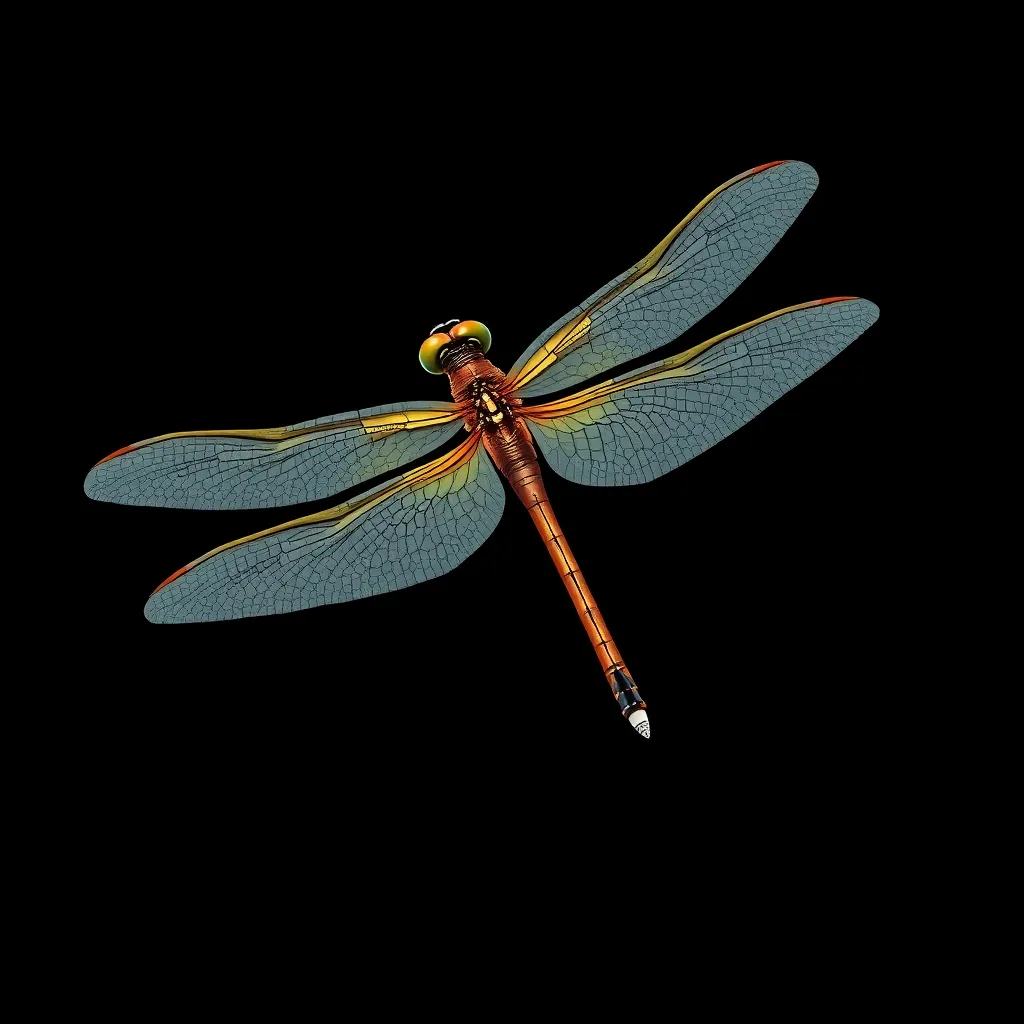
Dragonfly close-up
Dragonfly

SURVIVAL TOOLKIT

Built for Survival

Nature's engineering refined over millions of years

🔬 SURVIVAL TOOLKIT
Four Independent Wings
01

Four Independent Wings

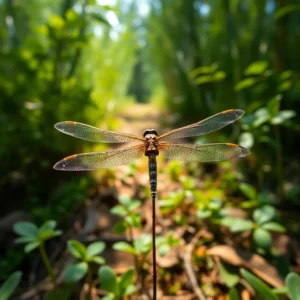
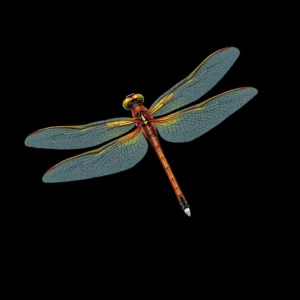
Unlike most insects, all four wings operate independently under neural control, enabling hover flight, backward flight, and instantaneous changes of direction at full speed.

Panoramic Compound Eyes
02

Panoramic Compound Eyes

Compound eyes covering nearly 360 degrees contain up to 30,000 facets and four types of photoreceptor, including UV sensitivity, providing unmatched prey detection in cluttered environments.

Predictive Interception
03

Predictive Interception

Neural circuits calculate prey trajectory and intercept the prey's future position rather than tracking its current location, explaining the extraordinary 95% capture success rate.

Basket Trap Legs
04

Basket Trap Legs

All six legs are positioned toward the front of the body and lined with interlocking spines, forming a basket that snatches prey mid-flight and holds it securely.

Aquatic Larval Ambush
05

Aquatic Larval Ambush

Larvae are fearsome ambush predators with an extendable hinged jaw (labial mask) that shoots forward at high speed to capture tadpoles, fish, and other invertebrates.

Aerial Ace of Ancient Skies. An extraordinary creature that reminds us what we stand to lose.

Jungal Safari · Wildlife Network
💡

Did You Know?

Dragonflies have a 95% hunting success rate — the highest of any predator, beating lions (25%) and great white sharks (50%).

🍖 DIET: CARNIVORE

What Does the Dragonfly Eat?

🦟
Mosquito
🦋
Moth
🐝
Bee
🦗
Midge
🐜
Ant
🗺️ GEOGRAPHIC RANGE

Where Do Dragonflys Live?

🌍
Continents
📉
Population Trend Declining

Conservation in Action

How You Can Help the Dragonfly

Small actions, taken together, can reverse the decline of species like this one

🌳
Protect Habitat

Support wildlife reserves and protected land corridors

🚫
Stop Poaching

Report illegal trade and back anti-poaching patrols

🔬
Fund Research

Camera-trap studies and population monitoring

🤝
Community Work

Partner with local herders to reduce conflict

📢
Raise Awareness

Educate and inspire future wildlife champions

"Without urgent action, the Dragonfly could disappear from the wild within our lifetime."

PROTECT THEM. PRESERVE THEIR LEGACY.

The Dragonfly's Future
Is In Our Hands

Every share, every donation, every voice raised — makes a difference for wildlife conservation.

🌳Protect Habitat
📢Raise Awareness
💰Fund Research
🤝Community Work
🚫Stop Poaching

"Protect Wildlife. Preserve Our Planet."

Every species matters. Every action counts.

Advertisement