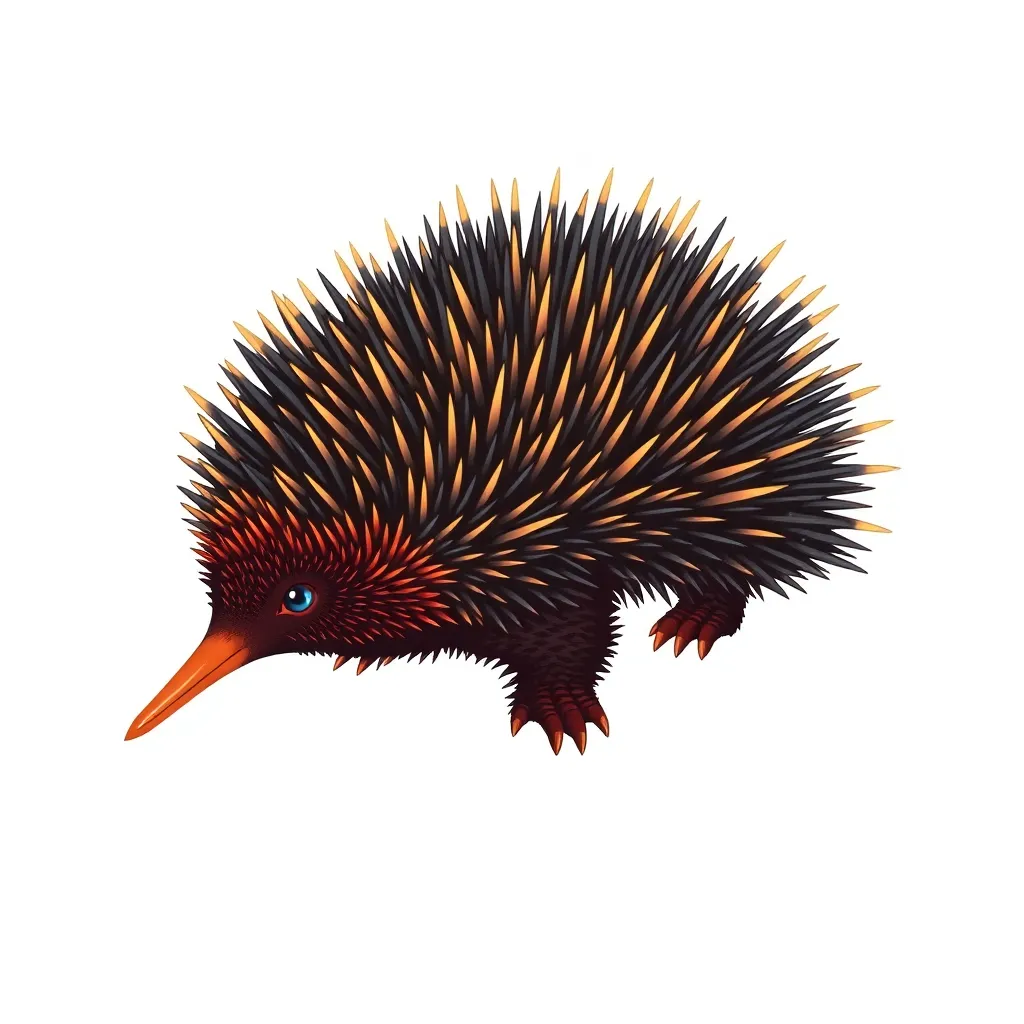
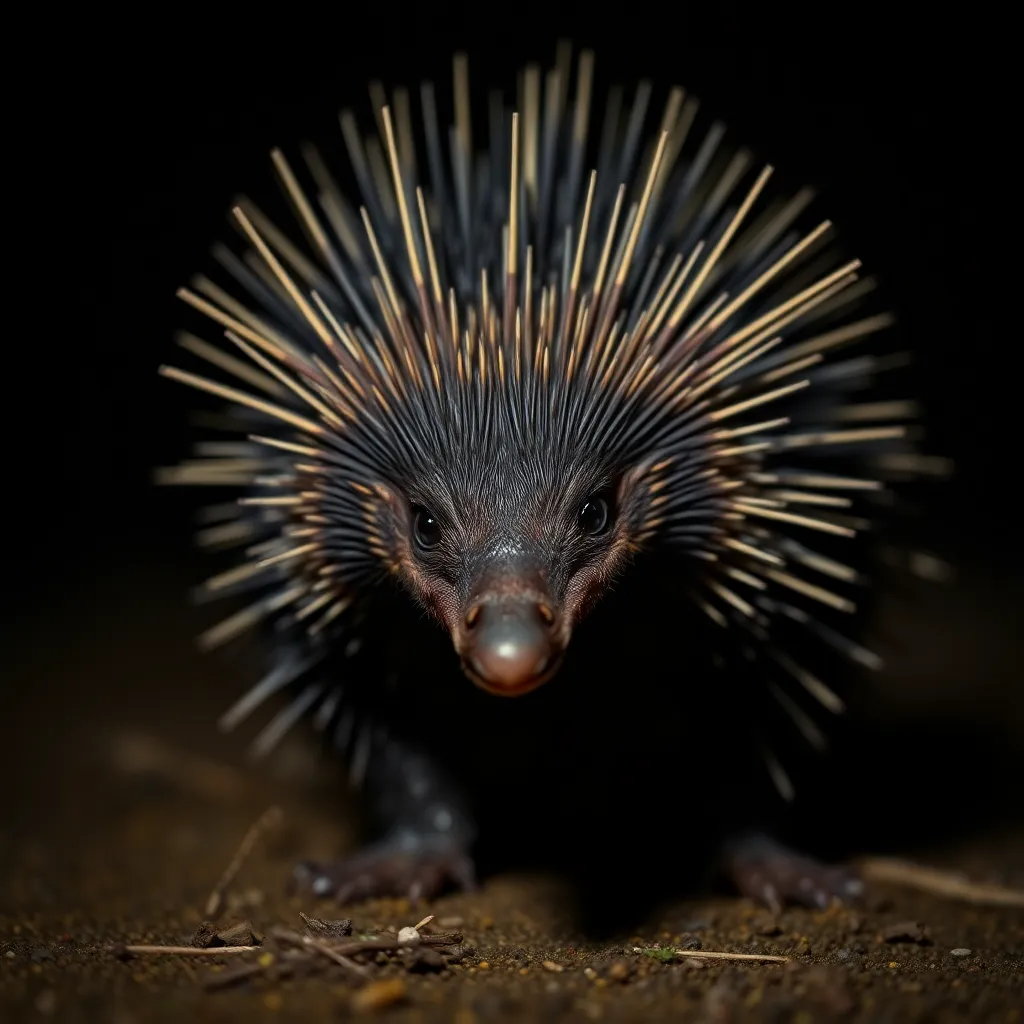
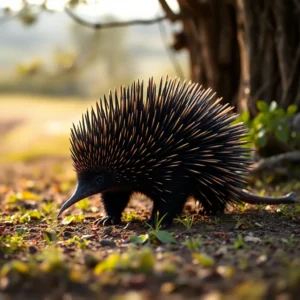
The short-beaked echidna is one of only five surviving monotremes — the ancient group of egg-laying mammals — making it one of the most evolutionarily remarkable animals alive today. Found throughout Australia and lowland New Guinea, echidnas have changed little in tens of millions of years. Despite being mammals, they lack nipples and instead secrete milk through patches of specialized skin; their young, called puggles, lap up the milk directly from the mother’s skin.
About the Echidna
Tachyglossus aculeatus
Advertisement
⚡ Speed Comparison
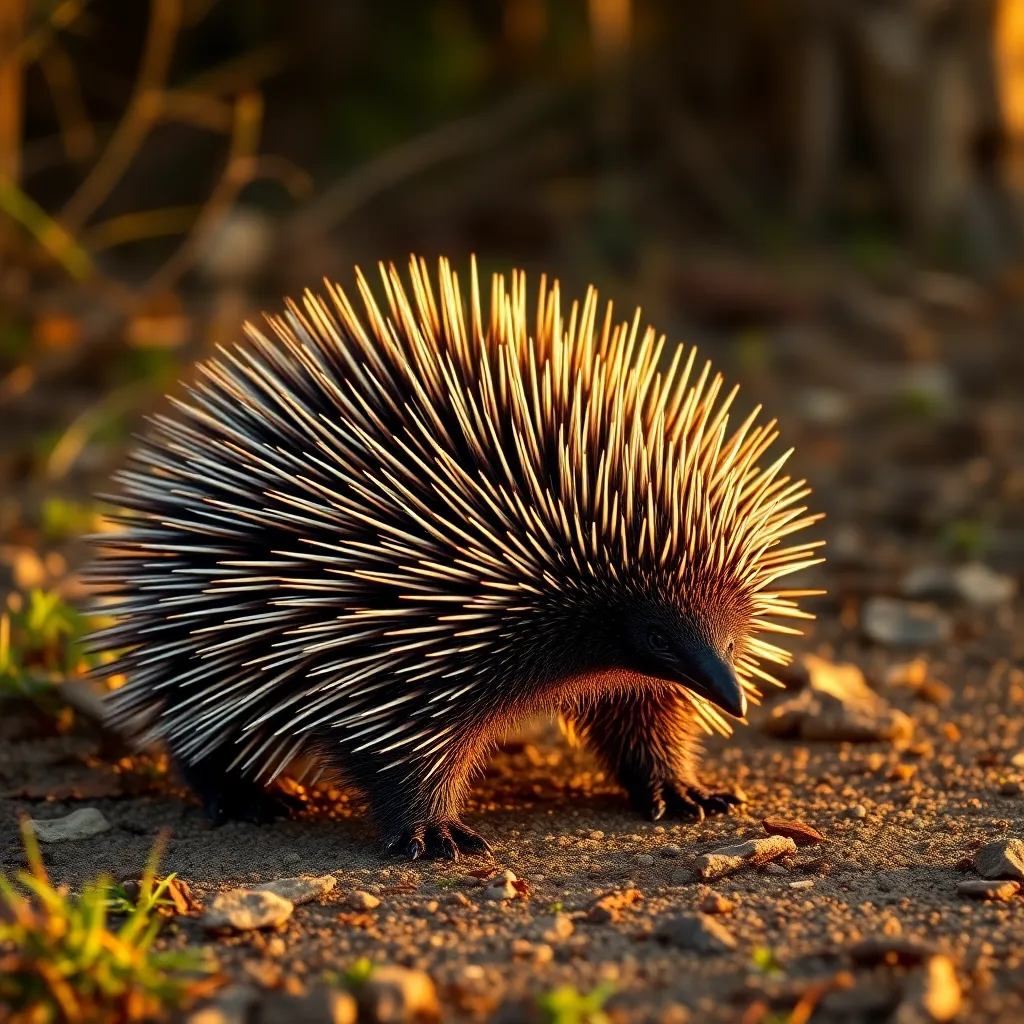
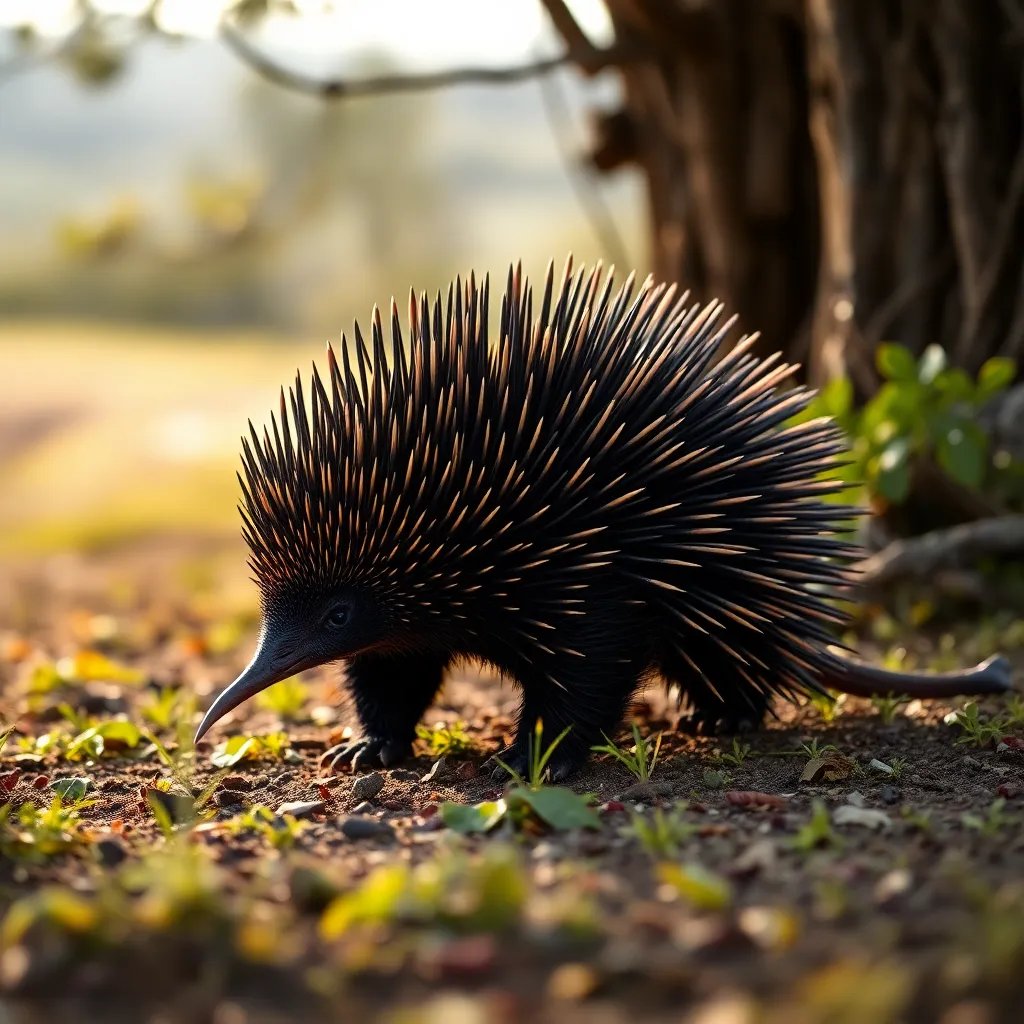
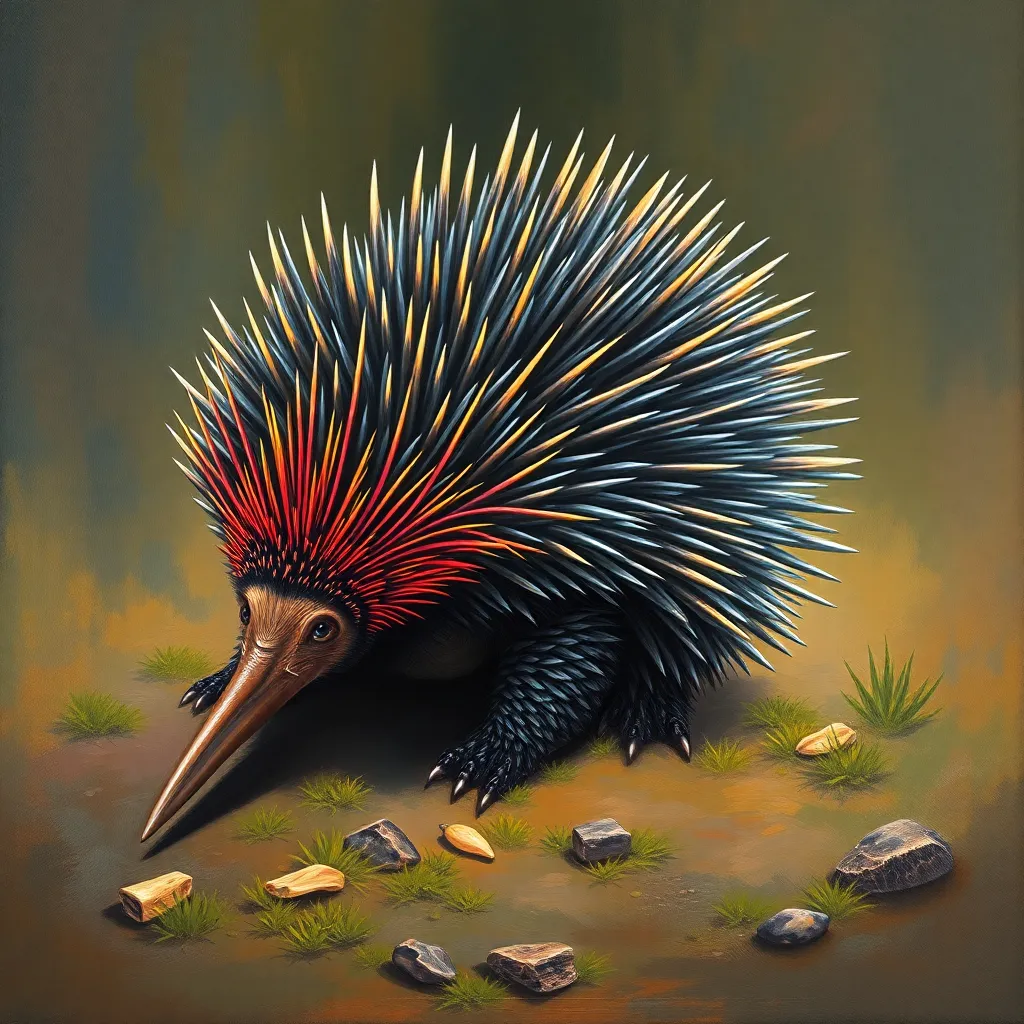
📸 Photo Gallery
💡 Fun Facts
01
Echidnas are one of only five species of monotremes — egg-laying mammals — along with the four platypus species.
02
They have the lowest body temperature of any mammal at around 32°C, and can enter deep torpor during cold winters.
03
Echidnas have no teeth; they grind food between the roof of their mouth and a long, sticky tongue.
04
The male echidna has a four-headed penis, but only two heads are used at a time during mating.
05
Echidnas have electroreceptors in their snout that can detect the weak electrical fields produced by insects, similar to a platypus.
📍 Where to Find This Animal
Habitat Types:
Forest, Scrubland & Desert
🛒 Echidna Related Gear
As an Amazon Associate we earn from qualifying purchases.
Join the Conversation
Share your thoughts about the Echidna