Loading Wildlife…

Thraupidae LC

THE

FINCH

Living Proof of Evolution's Hand

Geospiza fortis

Americas
CLASS Aves FAMILY Thraupidae GENUS Geospiza
48 km/h
Top Speed
⚖️
14-27 g kg
Max Weight
📏
12-14 cm
Body Length
🕰️
5-15 years
Lifespan
🍖
Granivore
Diet Type

IUCN Red List — Where this species stands

LC Least Concern
NT Near Threatened
VU Vulnerable
EN Endangered
CR Critical
EW Extinct Wild
EX Extinct

About the Finch

Geospiza fortis

Advertisement

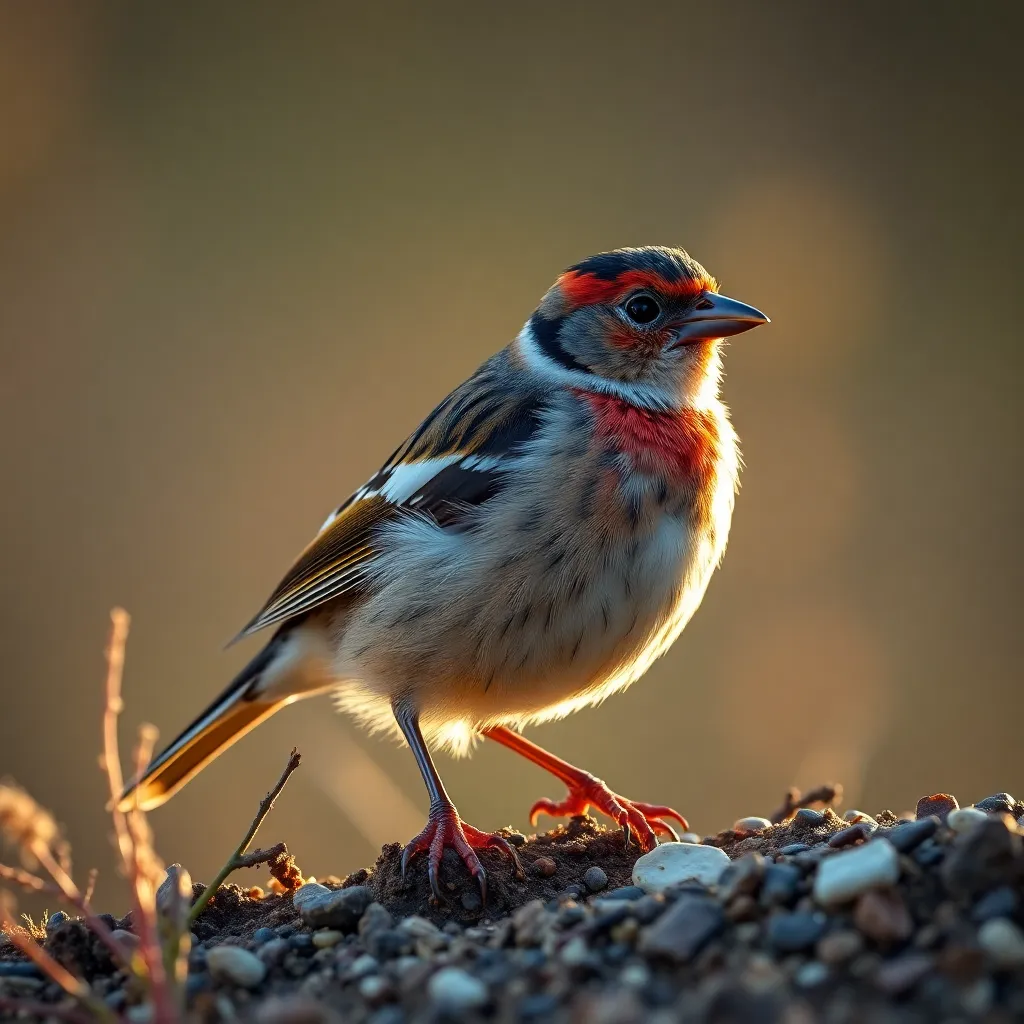
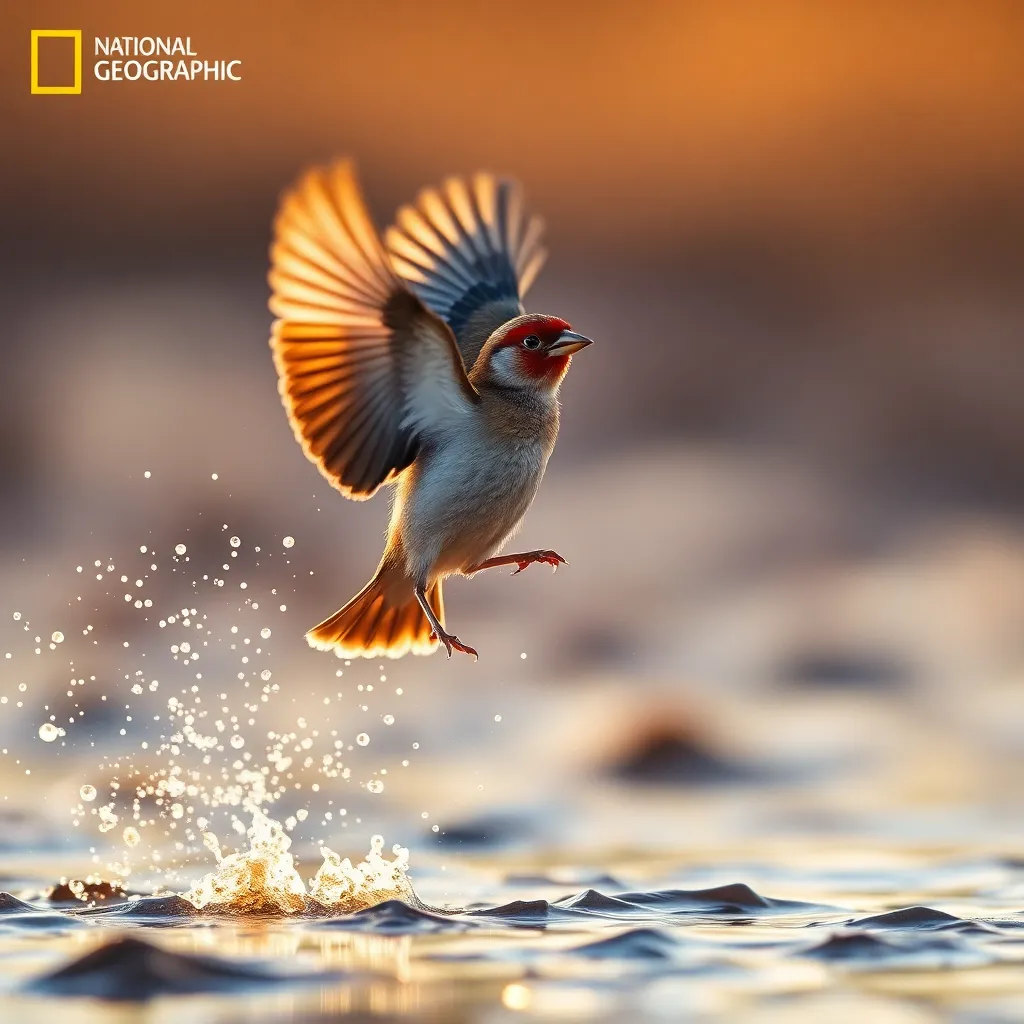
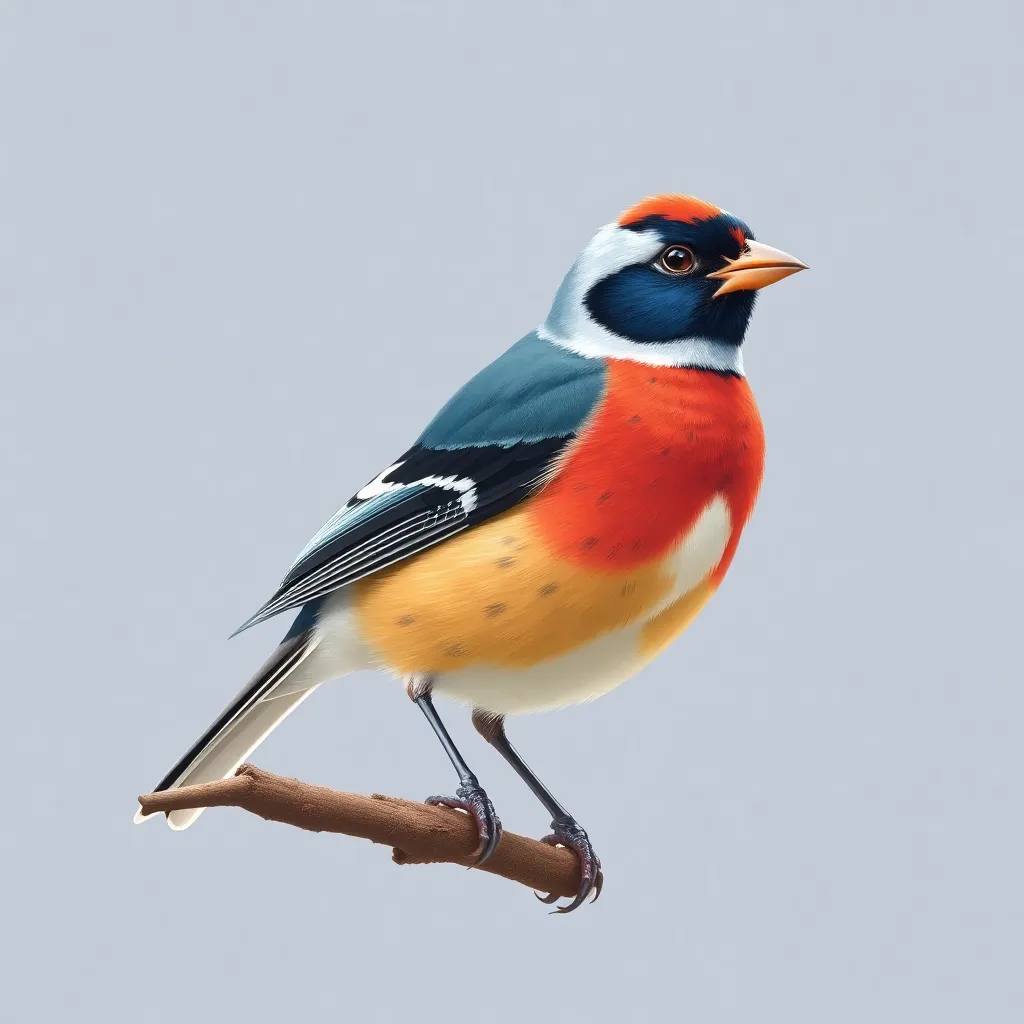
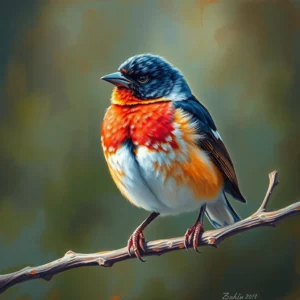
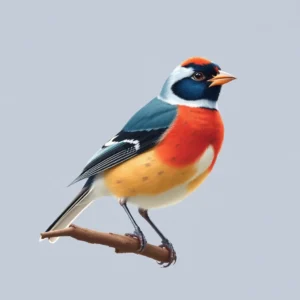
Darwin’s medium ground finch is the most iconic of the Galapagos finches — a small seed-eating bird whose beak variations across islands provided Charles Darwin with crucial inspiration for his theory of natural selection. Found on the Galapagos Islands of Ecuador, these finches represent one of evolutionary biology’s most celebrated adaptive radiations. Long-term studies by Peter and Rosemary Grant documented measurable evolutionary change in real time, confirming that natural selection operates far more rapidly than previously imagined.

⚡ Speed Comparison

Human
12 km/h
Finch
48 km/h
Car (city)
50 km/h
Horse
54 km/h

💡 Fun Facts

01

Darwin's medium ground finch became the first species for which natural selection was directly observed in real time — during the 1977 drought, beak size increased measurably within a single generation.

02

The Galapagos finches descended from a single ancestral finch species that colonized the islands approximately 2-3 million years ago and diversified into 18 distinct species.

03

Tool use has been recorded in the woodpecker finch, which uses cactus spines or small twigs to extract wood-boring insect larvae from tight crevices.

04

Finch beak shapes are so precisely tuned to food sources that scientists can calculate the hardness of the seeds on an island from beak measurements alone.

05

During El Niño years when seeds are abundant, medium ground finches evolved measurably smaller beaks within two generations — evolution reversing direction in real time.

Unlock Expert Wildlife Facts

Watch a short 15-second video to unlock detailed expert analysis, exclusive wildlife photography, and rare behavioral facts.

📍 Where to Find This Animal

🛒 Finch Related Gear

As an Amazon Associate we earn from qualifying purchases.
🗨️

Join the Conversation

Share your thoughts about the Finch

✍️

Leave a Comment

Your email address will not be published. Required fields are marked *

How Big Is a Finch?

Side-by-side comparison with an adult human (175 cm)

🧍
Human
175 cm
🐦
Finch
65 cm
shoulder height
14-27 BODY WEIGHT
12-14 BODY LENGTH
48 TOP SPEED
5-15 LIFESPAN
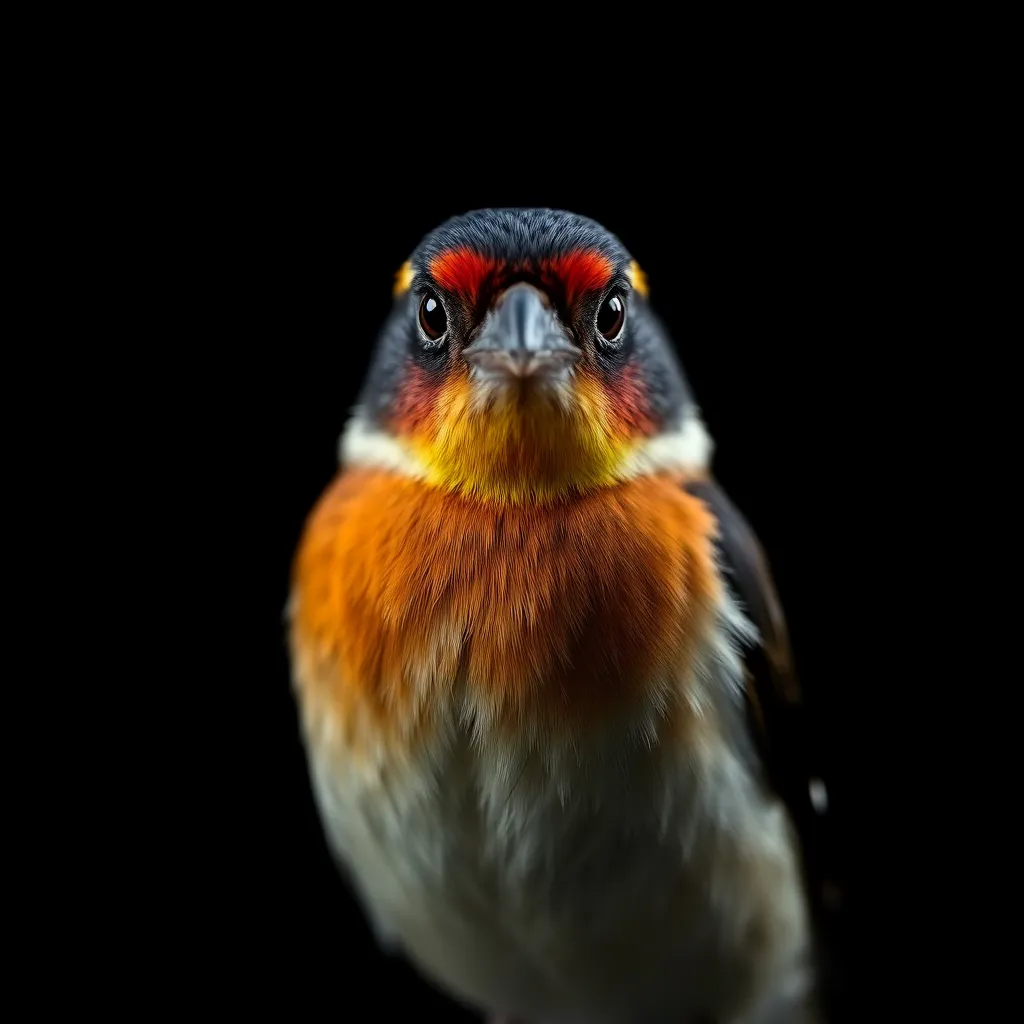
Finch close-up
Finch

SURVIVAL TOOLKIT

Built for Survival

Nature's engineering refined over millions of years

🔬 SURVIVAL TOOLKIT
Specialized Beak
01

Specialized Beak

A deep, strong beak with a hard keratin edge is mechanically optimized for cracking the hardest large seeds on the Galapagos Islands.

Drought Tolerance
02

Drought Tolerance

Metabolic efficiency and behavioral flexibility allow survival during prolonged food scarcity on semi-arid volcanic islands.

Rapid Evolution
03

Rapid Evolution

A small, isolated population with high heritability of beak traits enables measurable evolutionary responses within 1-2 generations.

Song Dialects
04

Song Dialects

Locally learned song variations create acoustic barriers between populations, driving behavioral isolation that reinforces speciation.

Island Colonization
05

Island Colonization

Ability to survive oceanic crossings and immediately exploit vacant ecological niches drove the rapid adaptive radiation across the archipelago.

Living Proof of Evolution's Hand. An extraordinary creature that reminds us what we stand to lose.

Jungal Safari · Wildlife Network
💡

Did You Know?

Darwin's medium ground finch became the first species for which natural selection was directly observed in real time — during the 1977 drought, beak size increased measurably within a single generation.

🍖 DIET: GRANIVORE

What Does the Finch Eat?

🌾
Seeds
🌵
Cactus Pulp
🦗
Insects (seasonal)
🌱
Plant Buds
🗺️ GEOGRAPHIC RANGE

Where Do Finchs Live?

🌍
Continents
➡️
Population Trend Stable

Conservation in Action

How You Can Help the Finch

Small actions, taken together, can reverse the decline of species like this one

🌳
Protect Habitat

Support wildlife reserves and protected land corridors

🚫
Stop Poaching

Report illegal trade and back anti-poaching patrols

🔬
Fund Research

Camera-trap studies and population monitoring

🤝
Community Work

Partner with local herders to reduce conflict

📢
Raise Awareness

Educate and inspire future wildlife champions

"Without urgent action, the Finch could disappear from the wild within our lifetime."

PROTECT THEM. PRESERVE THEIR LEGACY.

The Finch's Future
Is In Our Hands

Every share, every donation, every voice raised — makes a difference for wildlife conservation.

🌳Protect Habitat
📢Raise Awareness
💰Fund Research
🤝Community Work
🚫Stop Poaching

"Protect Wildlife. Preserve Our Planet."

Every species matters. Every action counts.

Advertisement