Loading Wildlife…

Gavialidae CR

THE

GHARIAL

The River's Ancient Fisherman

Gavialis gangeticus

Asia
CLASS Reptilia FAMILY Gavialidae GENUS Gavialis
~20 km/h (swimming)
Top Speed
⚖️
160-250 kg
Max Weight
📏
3.5-5 m
Body Length
🕰️
50-60 years
Lifespan
🍖
Piscivore
Diet Type

IUCN Red List — Where this species stands

LC Least Concern
NT Near Threatened
VU Vulnerable
EN Endangered
CR Critical
EW Extinct Wild
EX Extinct

About the Gharial

Gavialis gangeticus

Advertisement

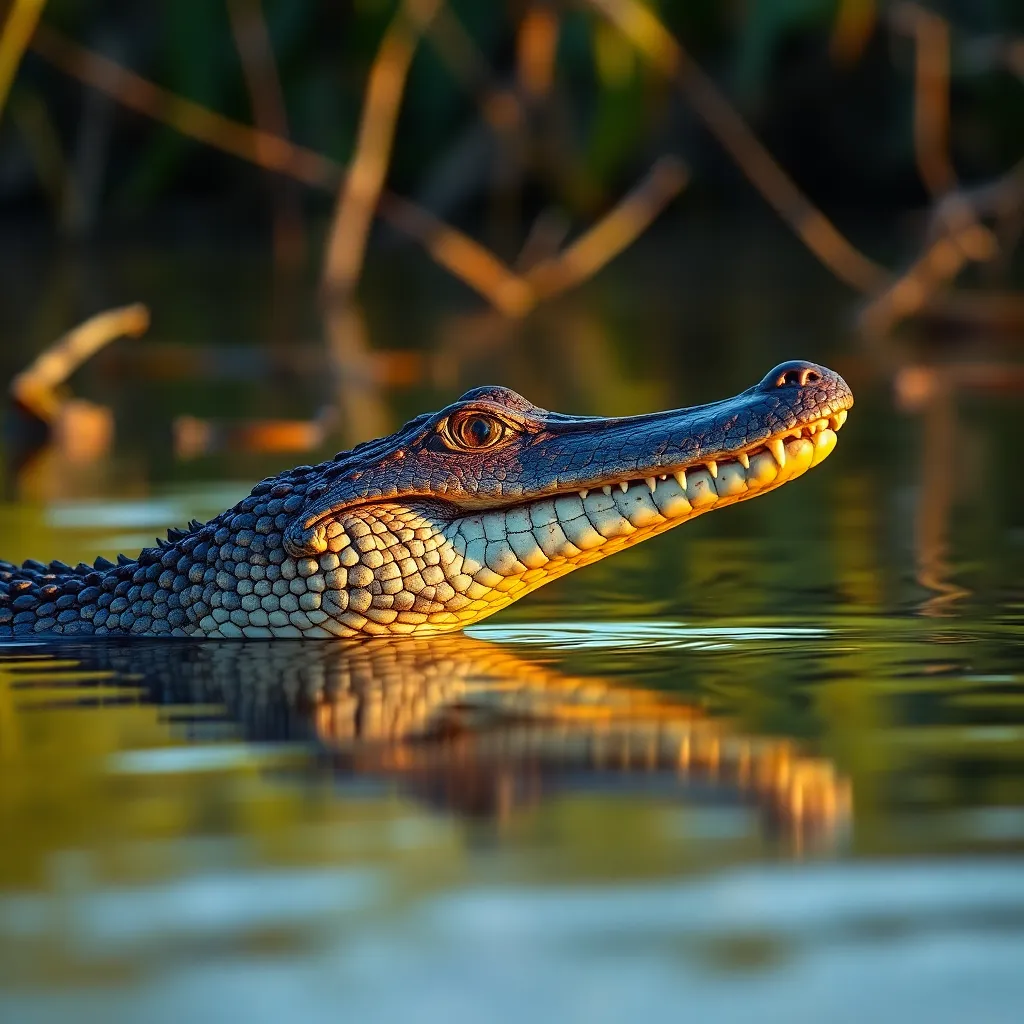
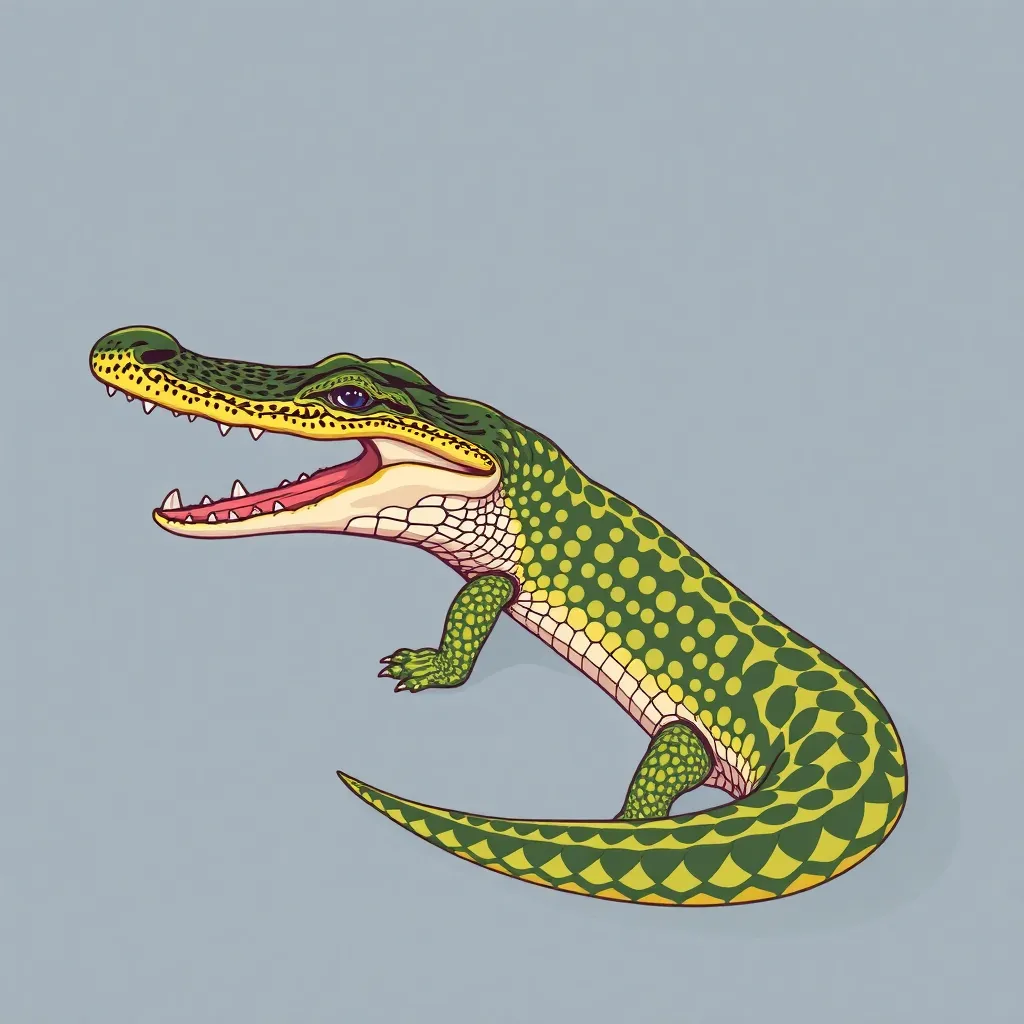
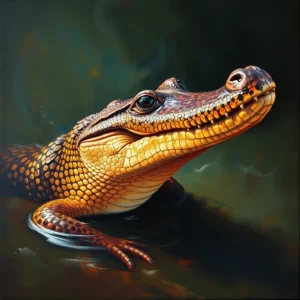
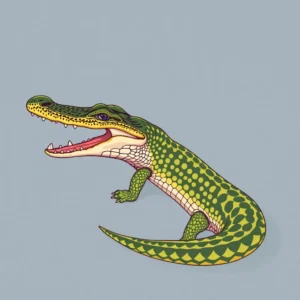
The gharial is one of the most critically endangered large reptiles on Earth, with fewer than 250 mature individuals remaining in the wild rivers of northern India and Nepal. It is immediately recognizable by its extraordinarily long, narrow snout armed with approximately 100 interlocking teeth — a highly specialized fish trap evolved for lateral sweeping strikes in fast-flowing rivers. Adult males develop a prominent bulbous nasal growth called a ghara that functions as a sound resonator and visual signal during breeding season.

⚡ Speed Comparison

Human
12 km/h
Gharial
20 km/h
Car (city)
50 km/h
Horse
54 km/h

💡 Fun Facts

01

The gharial's snout contains up to 110 interlocking teeth and reduces water resistance by 70% compared to broad-snouted crocodilians, enabling lightning-fast lateral sweeps to catch fish.

02

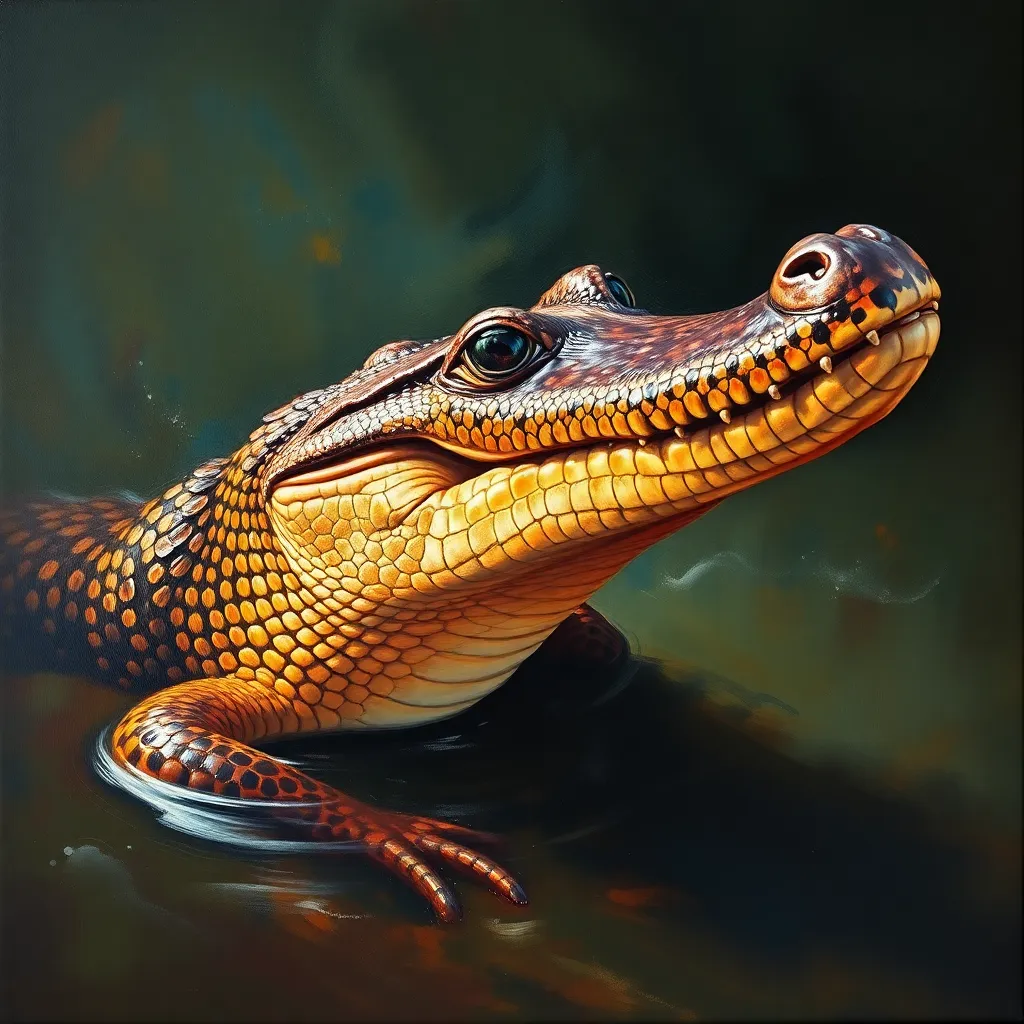
Adult males grow a distinctive bulbous ghara on the nose tip — a term derived from the Hindi word for a clay pot — which vibrates to amplify hissing vocalizations during courtship.

03

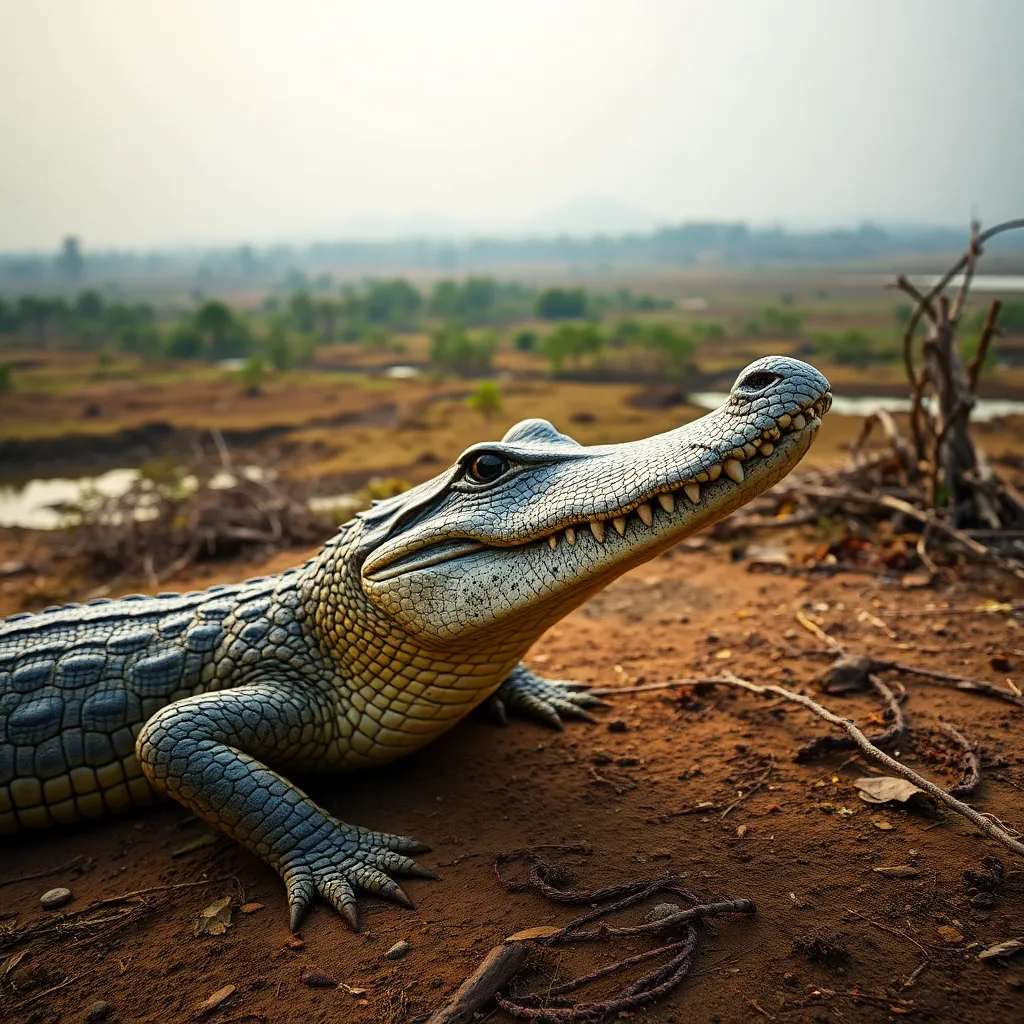
Despite being one of the largest crocodilians, gharials are nearly helpless on land; their leg muscles are adapted for swimming, not walking, and they belly-slide rather than high-walk on shore.

04

Gharials are cooperative nesters — multiple females in a group may lay eggs in the same nesting bank, guarded communally by a dominant male.

05

Population surveys in the 1970s found only 200 individuals remaining; conservation breeding programs have since released over 5,000 captive-bred gharials, yet wild populations remain critically low.

Unlock Expert Wildlife Facts

Watch a short 15-second video to unlock detailed expert analysis, exclusive wildlife photography, and rare behavioral facts.

📍 Where to Find This Animal

Habitat Types: Freshwater Rivers

🛒 Gharial Related Gear

As an Amazon Associate we earn from qualifying purchases.
🗨️

Join the Conversation

Share your thoughts about the Gharial

✍️

Leave a Comment

Your email address will not be published. Required fields are marked *

How Big Is a Gharial?

Side-by-side comparison with an adult human (175 cm)

🧍
Human
175 cm
🐊
Gharial
65 cm
shoulder height
160-250 BODY WEIGHT
3.5-5 BODY LENGTH
~20 TOP SPEED
50-60 LIFESPAN
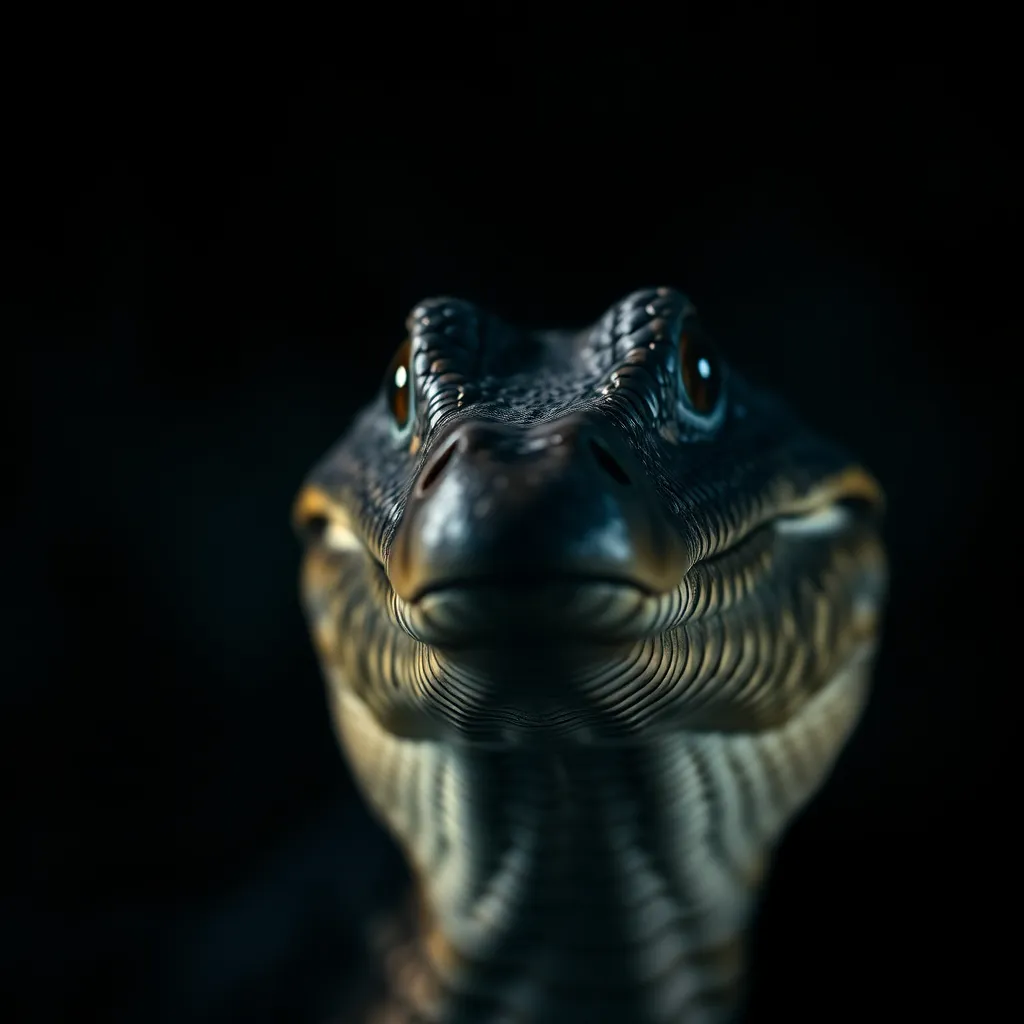
Gharial close-up
Gharial

SURVIVAL TOOLKIT

Built for Survival

Nature's engineering refined over millions of years

🔬 SURVIVAL TOOLKIT
Hydrodynamic Narrow Snout
01

Hydrodynamic Narrow Snout

The elongated snout reduces lateral drag by 70%, enabling sub-second sweeping strikes through water to intercept fast-moving fish.

Ghara Resonator
02

Ghara Resonator

The male's bulbous nasal protuberance amplifies hissing calls and creates visual display signals during competitive breeding season.

Laterally Compressed Tail
03

Laterally Compressed Tail

A powerful, vertically flattened tail provides the primary propulsion for fast swimming in turbulent river currents.

Interlocking Teeth
04

Interlocking Teeth

Up to 110 needle-like teeth angle inward to create a fish trap that prevents slippery prey from escaping once seized.

Ectothermic Basking
05

Ectothermic Basking

Long periods of sun-basking on sandbars raise body temperature to optimal metabolic levels for digestion and immune function.

The River's Ancient Fisherman. An extraordinary creature that reminds us what we stand to lose.

Jungal Safari · Wildlife Network
💡

Did You Know?

The gharial's snout contains up to 110 interlocking teeth and reduces water resistance by 70% compared to broad-snouted crocodilians, enabling lightning-fast lateral sweeps to catch fish.

🍖 DIET: PISCIVORE

What Does the Gharial Eat?

🐟
River fish (primary)
🦐
Freshwater crustaceans
🐸
Frogs (juveniles)
🐛
Insects (hatchlings only)
🗺️ GEOGRAPHIC RANGE

Where Do Gharials Live?

🌍
Continents
📉
Population Trend Declining

Conservation in Action

How You Can Help the Gharial

Small actions, taken together, can reverse the decline of species like this one

🌳
Protect Habitat

Support wildlife reserves and protected land corridors

🚫
Stop Poaching

Report illegal trade and back anti-poaching patrols

🔬
Fund Research

Camera-trap studies and population monitoring

🤝
Community Work

Partner with local herders to reduce conflict

📢
Raise Awareness

Educate and inspire future wildlife champions

"Without urgent action, the Gharial could disappear from the wild within our lifetime."

PROTECT THEM. PRESERVE THEIR LEGACY.

The Gharial's Future
Is In Our Hands

Every share, every donation, every voice raised — makes a difference for wildlife conservation.

🌳Protect Habitat
📢Raise Awareness
💰Fund Research
🤝Community Work
🚫Stop Poaching

"Protect Wildlife. Preserve Our Planet."

Every species matters. Every action counts.

Advertisement