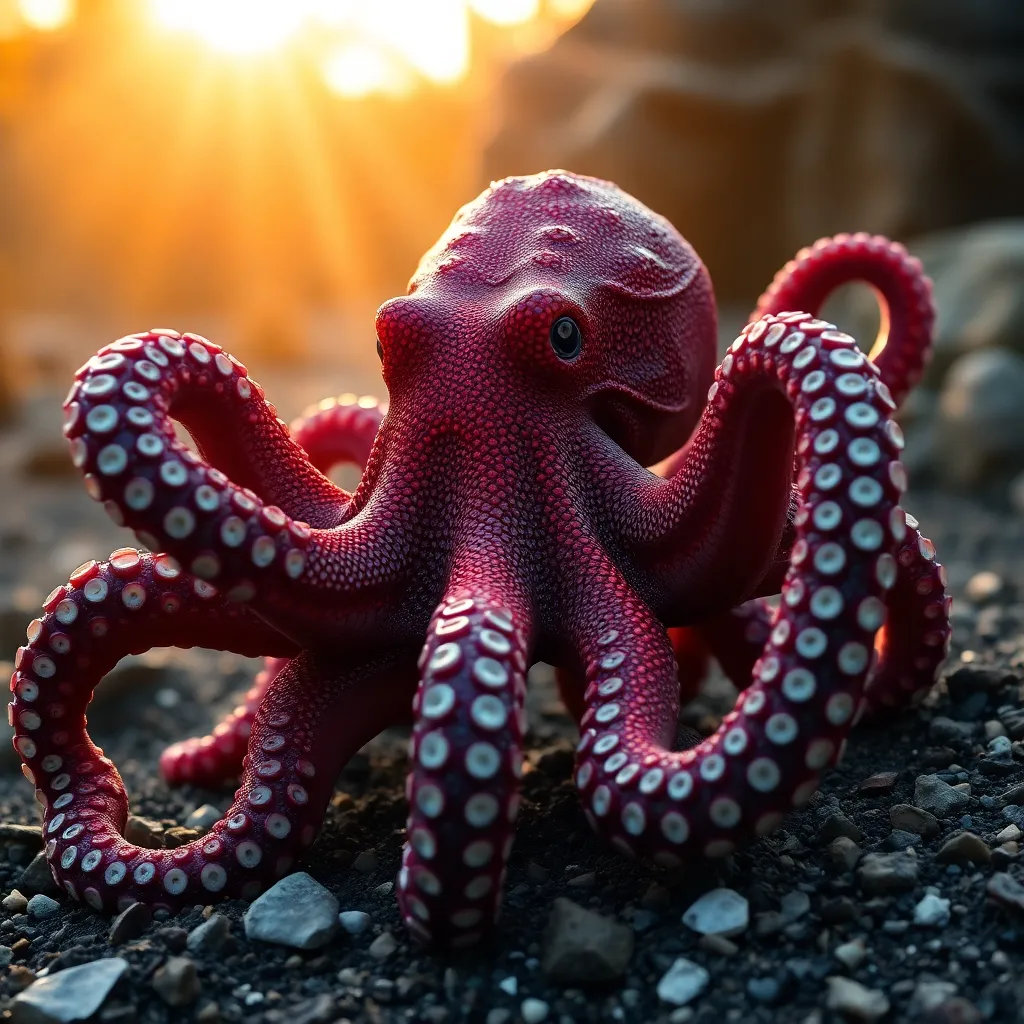
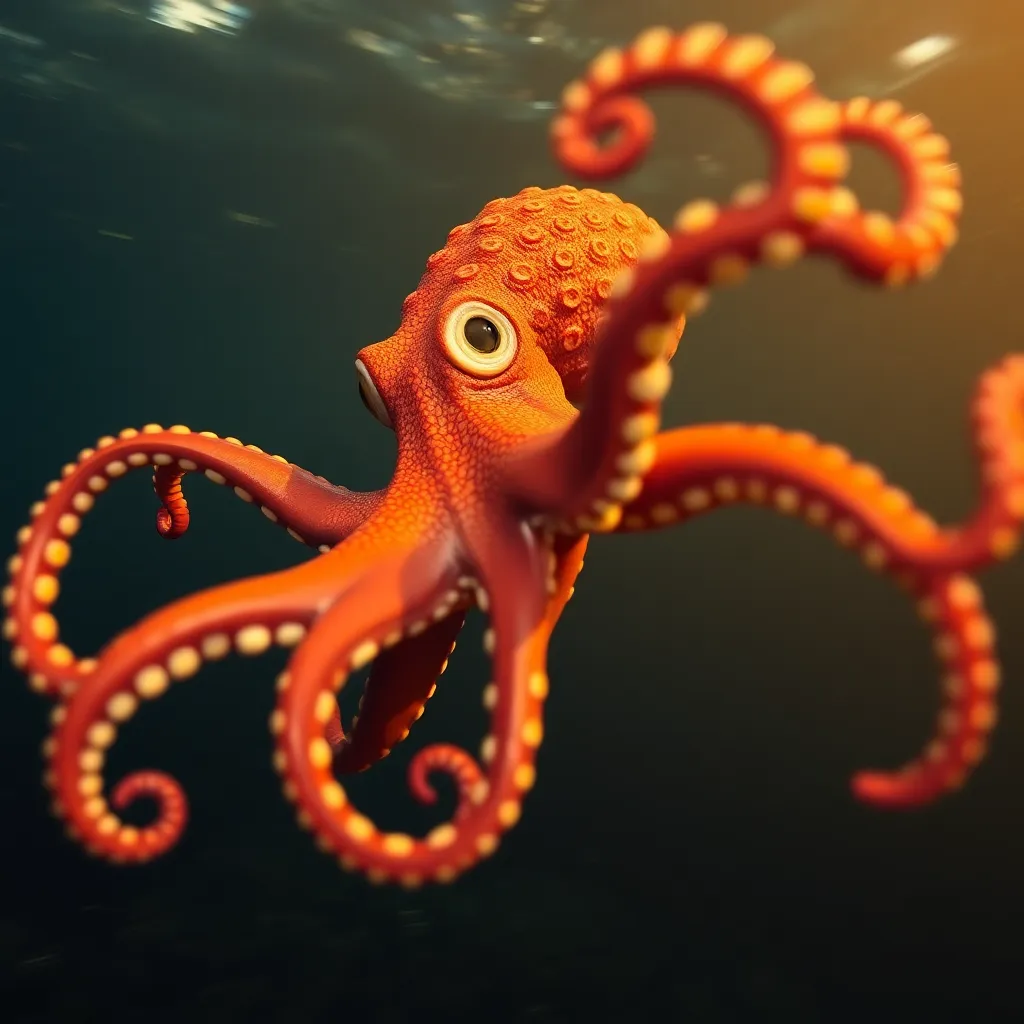
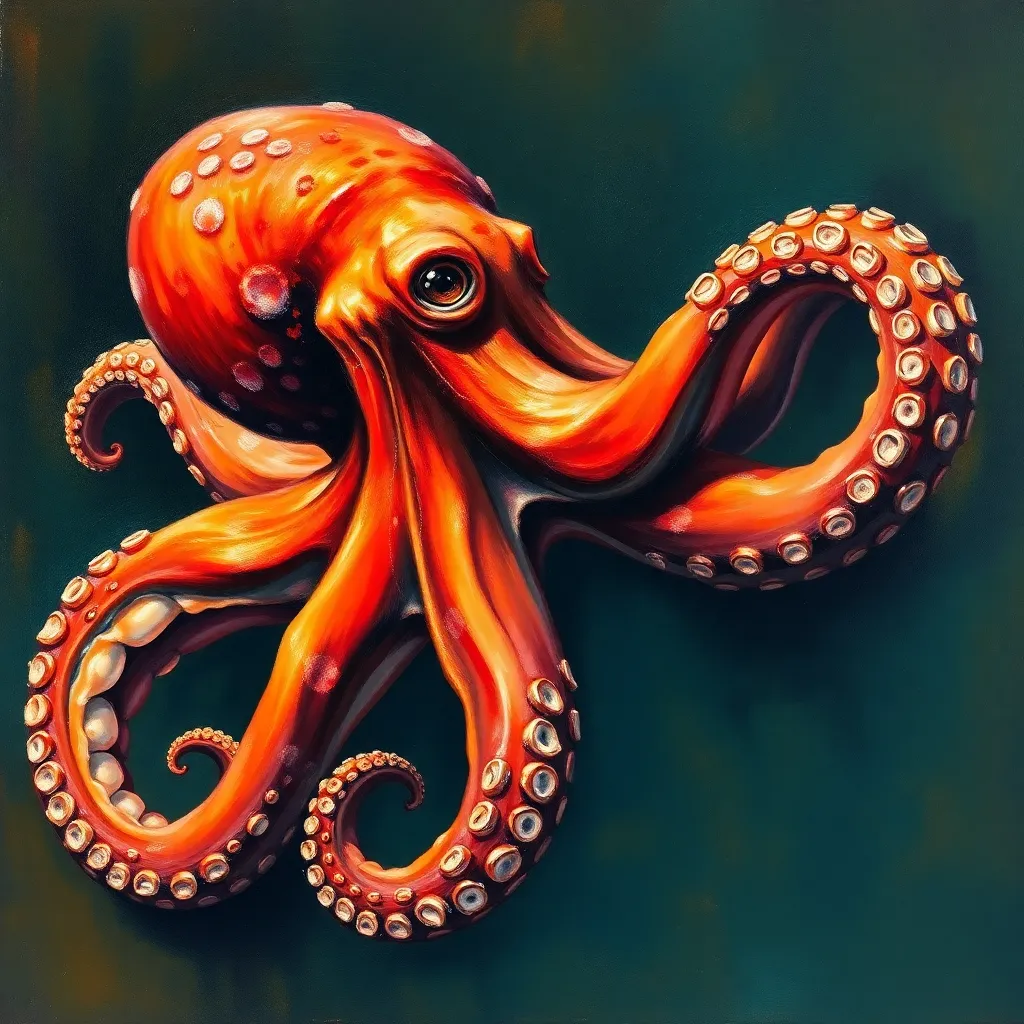
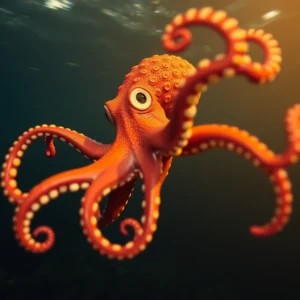
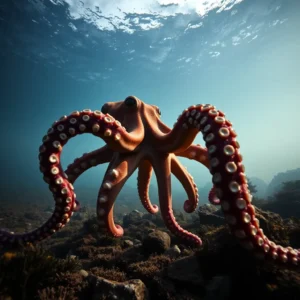
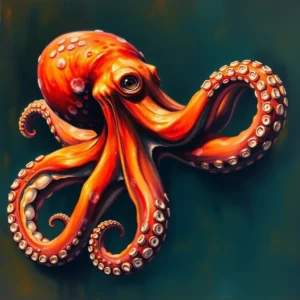
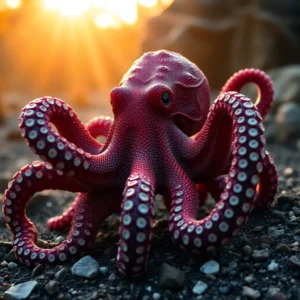
The giant Pacific octopus is the largest octopus species in the world and one of the most intelligent invertebrates on Earth, capable of learning from experience, solving puzzle boxes, playing, and even recognizing individual human faces. Found in the cold, nutrient-rich waters of the North Pacific from California to Japan, these solitary hunters use highly flexible, suckerlined arms to overpower crabs, clams, and fish from rocky dens. Every individual lives for only 3–5 years, dying soon after reproduction.
About the Giant Pacific Octopus
Enteroctopus dofleini
Advertisement
⚡ Speed Comparison
📸 Photo Gallery


💡 Fun Facts
01
Giant Pacific octopuses have been documented opening child-proof prescription medicine bottles, unscrewing jar lids, and navigating mazes in laboratory settings.
02
Their blood is blue because it uses copper-based hemocyanin instead of iron-based hemoglobin — highly effective for oxygen transport in cold water.
03
Each arm contains two-thirds of the octopus's neurons — the arms are semi-autonomous and can react and move independently of the brain.
04
Octopuses can change both color and skin texture in 200 milliseconds, matching complex backgrounds like gravel, coral, and algae with extraordinary precision.
05
After laying up to 100,000 eggs, a female giant Pacific octopus guards them without eating for 6 months until they hatch, then dies.
📍 Where to Find This Animal
Habitat Types:
North Pacific Ocean
🛒 Giant Pacific Octopus Related Gear
As an Amazon Associate we earn from qualifying purchases.


Join the Conversation
Share your thoughts about the Giant Pacific Octopus