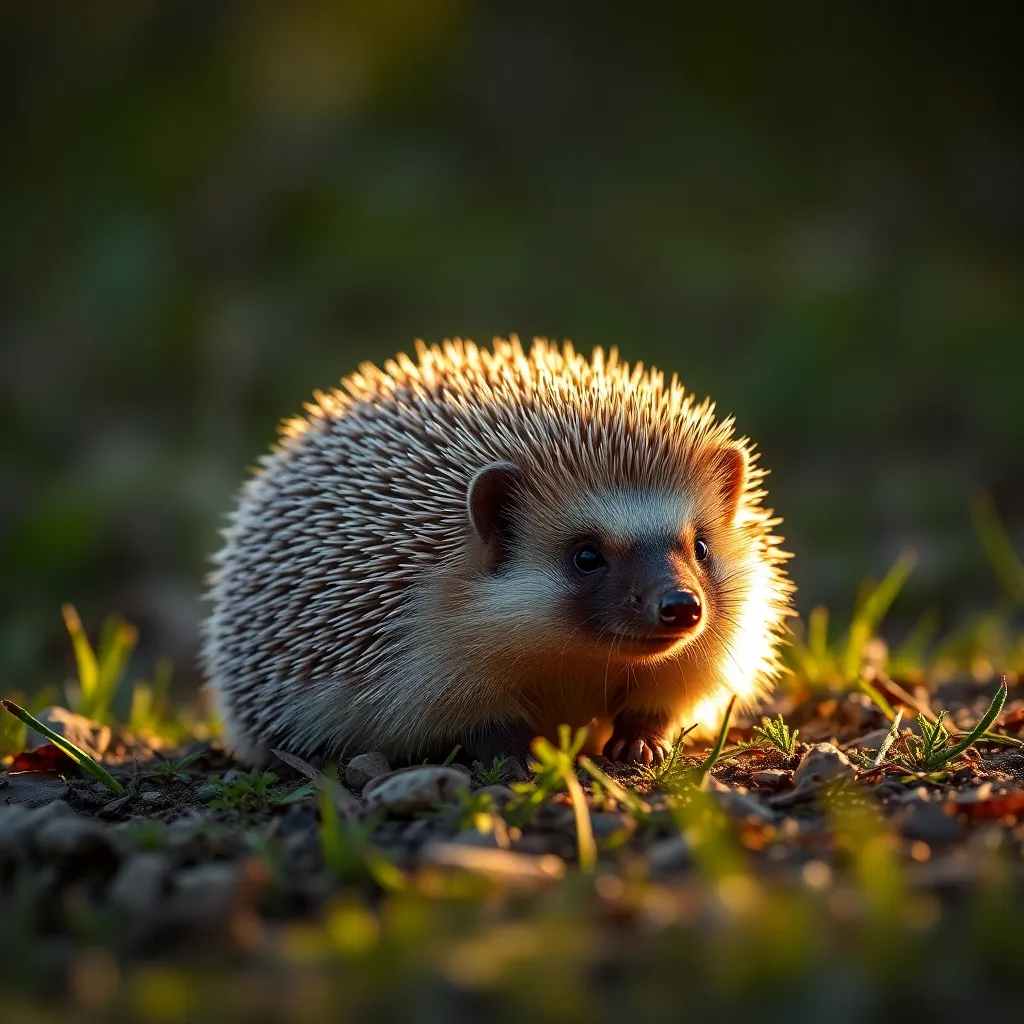
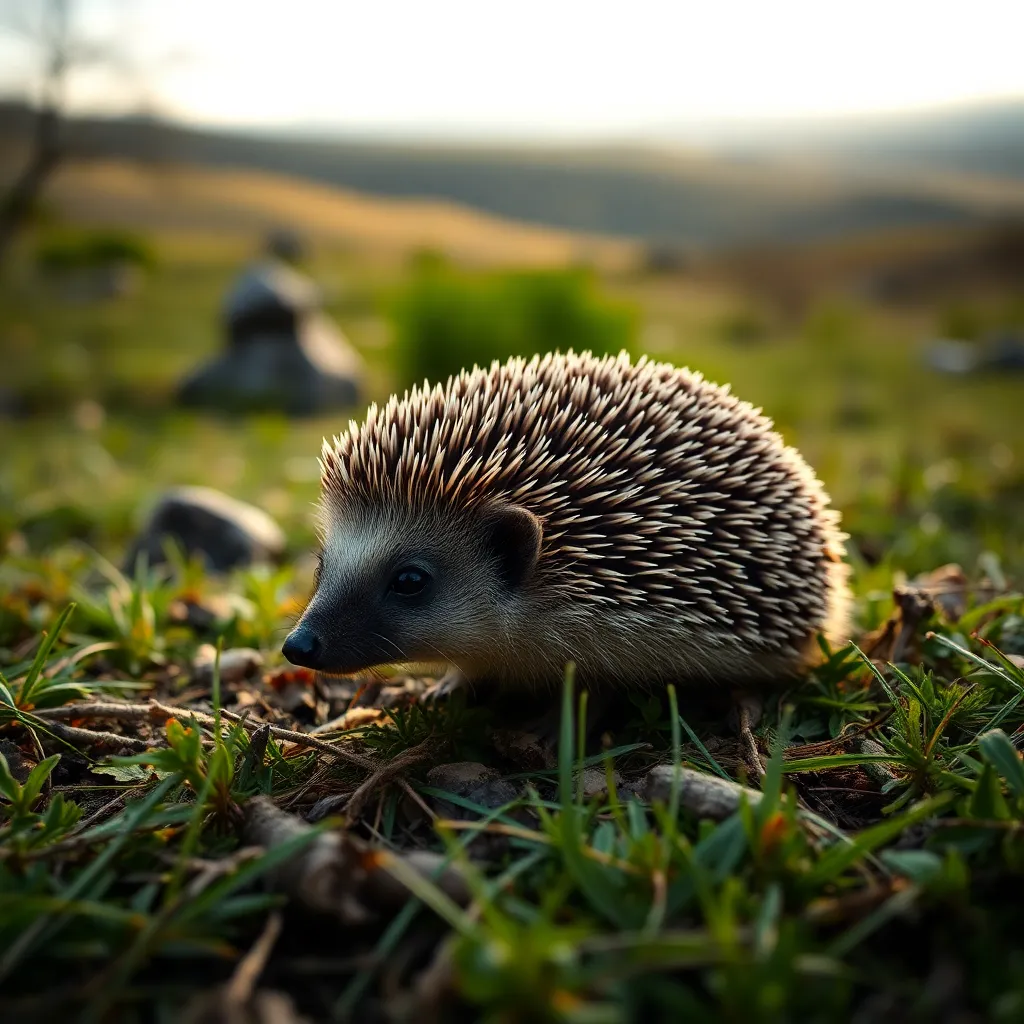
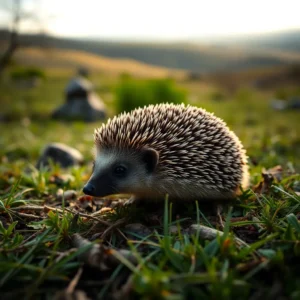
The Western European hedgehog is a beloved insectivorous mammal found across gardens, hedgerows, woodlands, and farmland from Western Europe to Scandinavia. Its iconic coat of approximately 5,000 hollow, keratin spines — modified hairs — serves as a near-impenetrable defence when the animal rolls into a tight ball. Despite being one of Europe’s best-known wild mammals, populations have declined dramatically in recent decades due to habitat loss, road casualties, and reduced invertebrate prey.
About the Hedgehog
Erinaceus europaeus
Advertisement
⚡ Speed Comparison
📸 Photo Gallery

💡 Fun Facts
01
A hedgehog has around 5,000-7,000 hollow keratin spines, each lasting about a year before being replaced.
02
They are partially immune to adder venom and can eat venomous snakes with relative impunity.
03
Hedgehogs undergo true hibernation, dropping their body temperature to near-ambient levels for up to five months.
04
They perform a bizarre behaviour called self-anointing, chewing pungent substances and spreading frothy saliva onto their spines — the purpose is still debated.
05
A foraging hedgehog can travel up to 2 km in a single night, covering its entire home range.
📍 Where to Find This Animal
Habitat Types:
Woodlands & Gardens
🛒 Hedgehog Related Gear
As an Amazon Associate we earn from qualifying purchases.



Join the Conversation
Share your thoughts about the Hedgehog