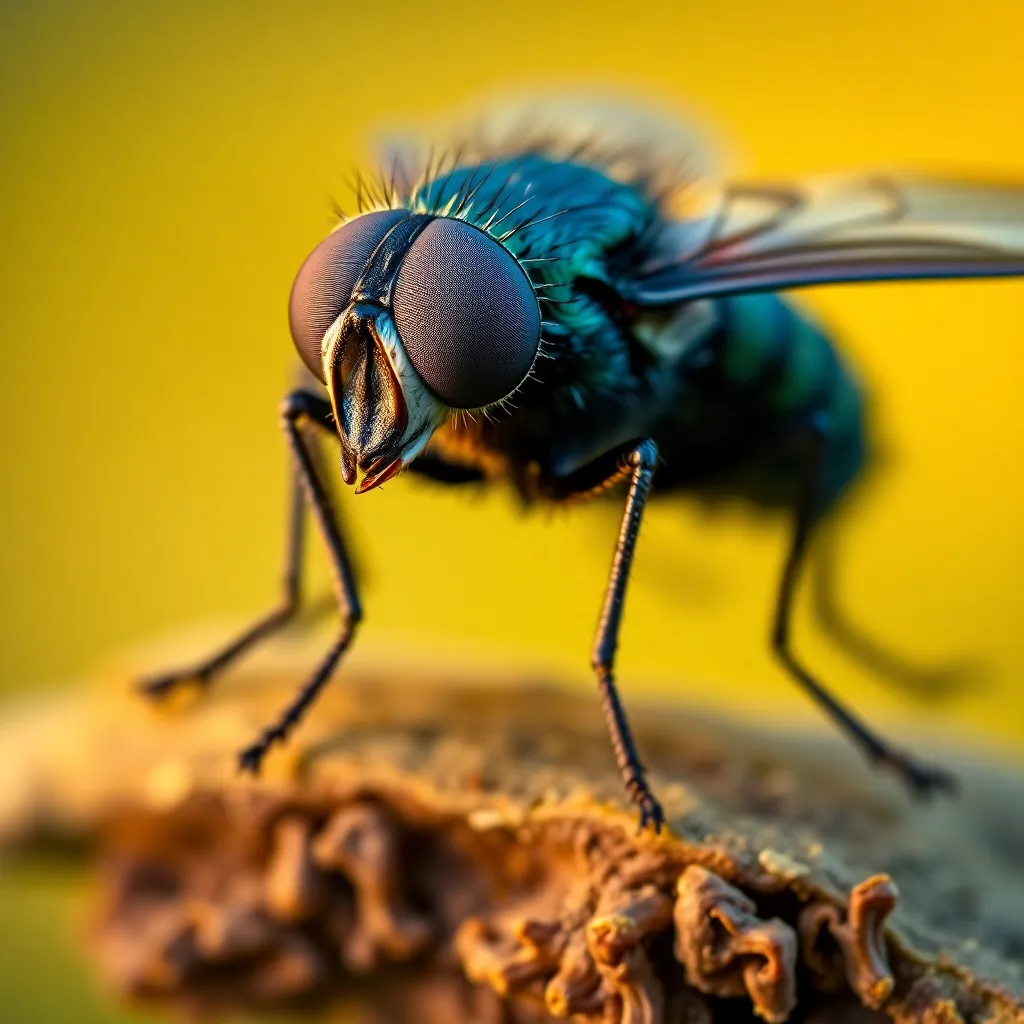
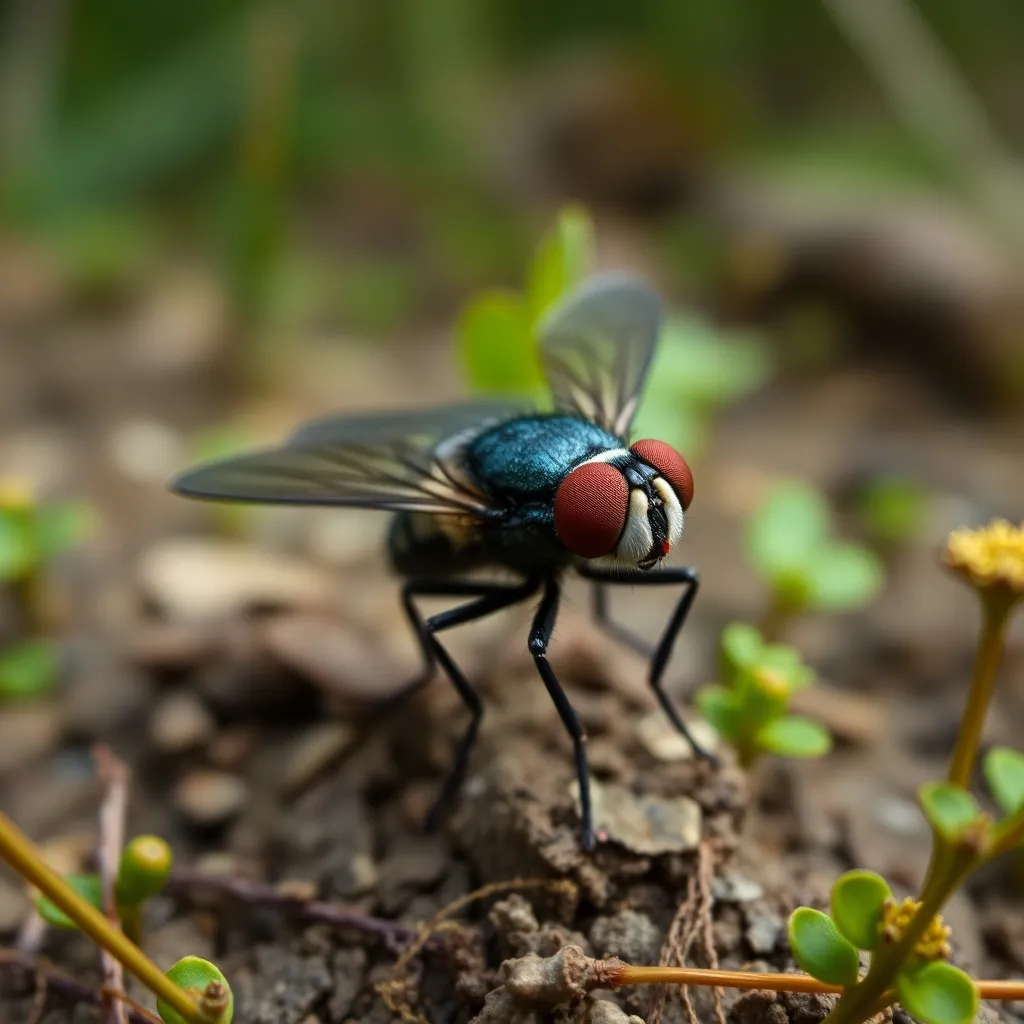
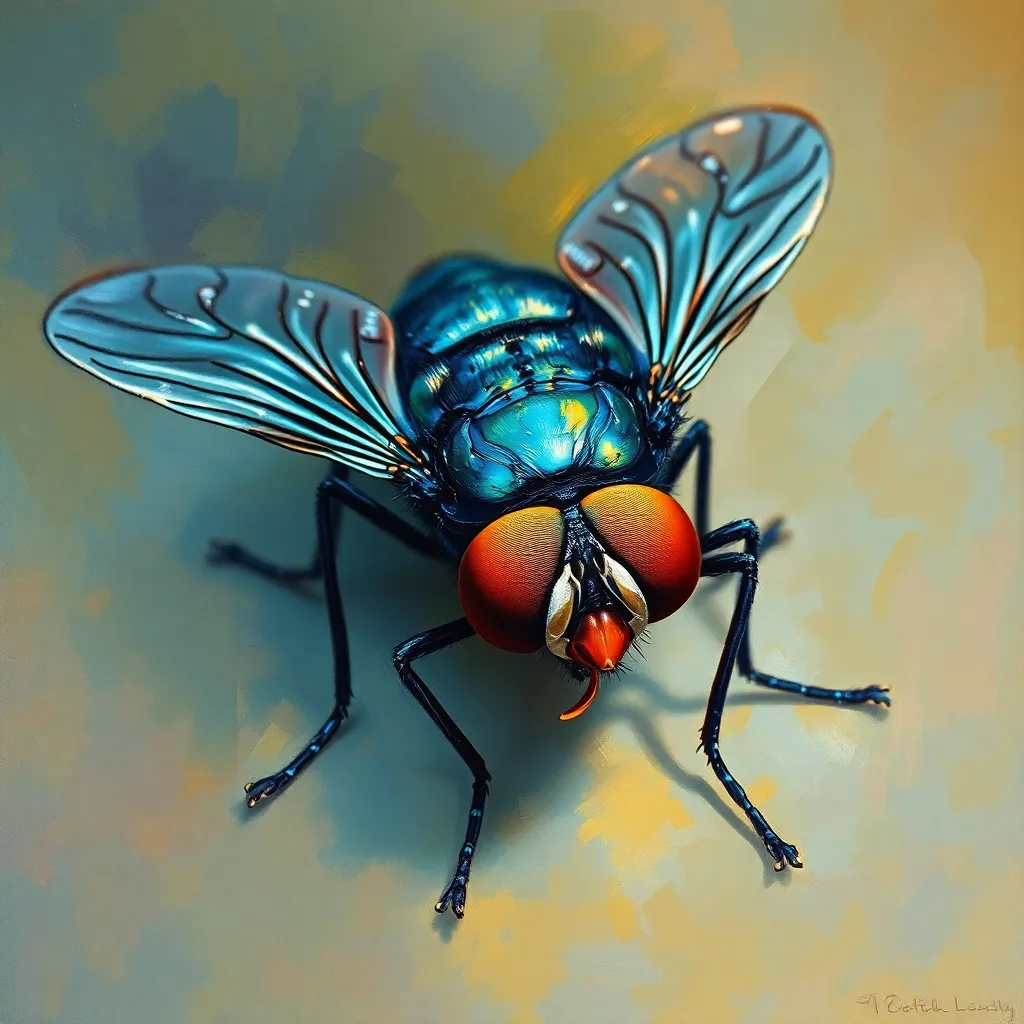
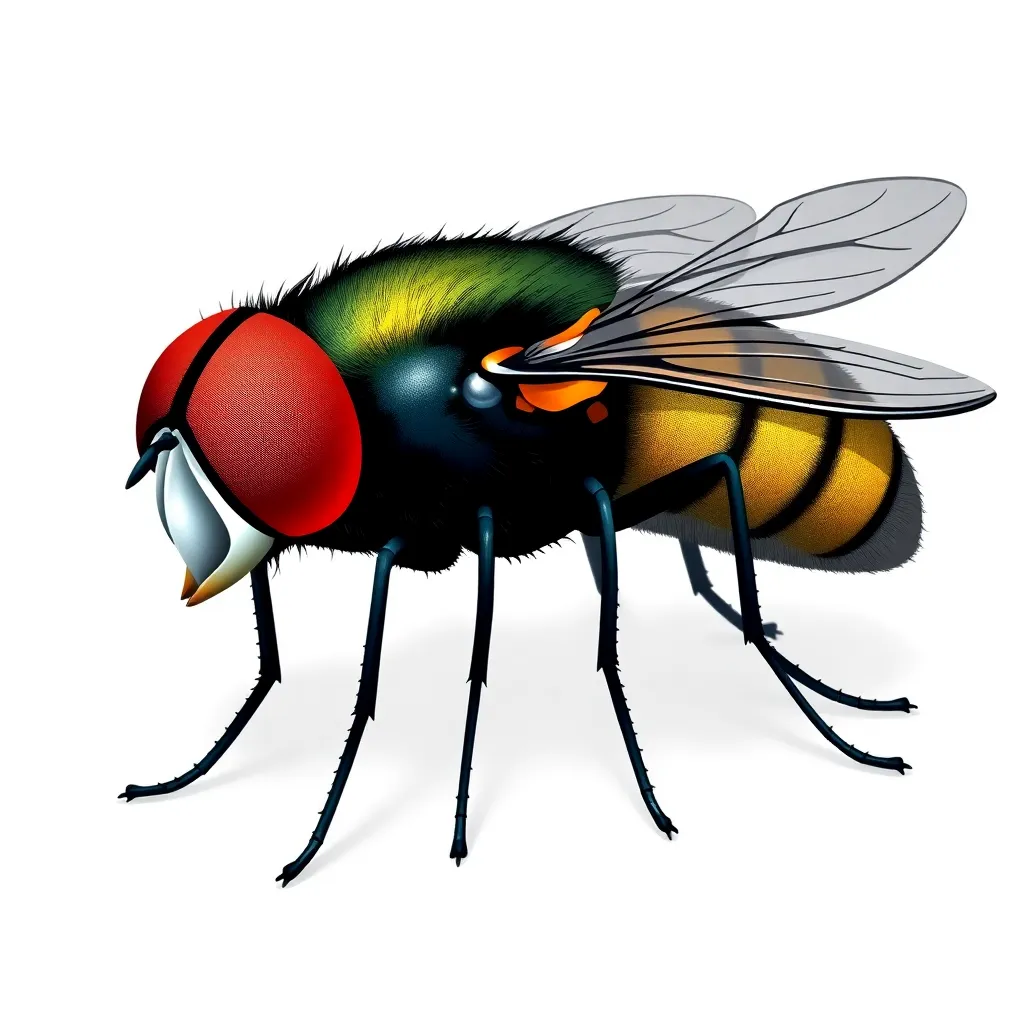
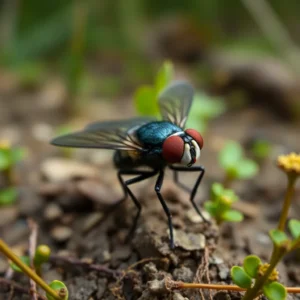
The common housefly is one of the world’s most widely distributed insects, found on every continent except Antarctica wherever humans and their livestock create warm, food-rich environments. Houseflies are mechanical vectors of over 100 pathogens, transmitting diseases from contaminated waste to food through their hairy bodies and regurgitative feeding behavior. Despite their pest status, they are ecologically important decomposers, with maggots breaking down organic waste and serving as critical protein for countless insectivorous animals.
About the Housefly
Musca domestica
Advertisement
⚡ Speed Comparison
📸 Photo Gallery
💡 Fun Facts
01
Houseflies taste with their feet — chemoreceptors on their tarsi are 10 million times more sensitive to sugar than the human tongue, allowing them to detect food the instant they land.
02
A female housefly can lay up to 500 eggs in batches of 75–150, and under optimal conditions, the descendants of a single pair of flies could theoretically reach 191 quintillion individuals in just one summer.
03
Flies walk on ceilings using adhesive pads (pulvilli) coated in thousands of tiny hairs that secrete a fluid creating capillary adhesion — they can support 200 times their own weight this way.
04
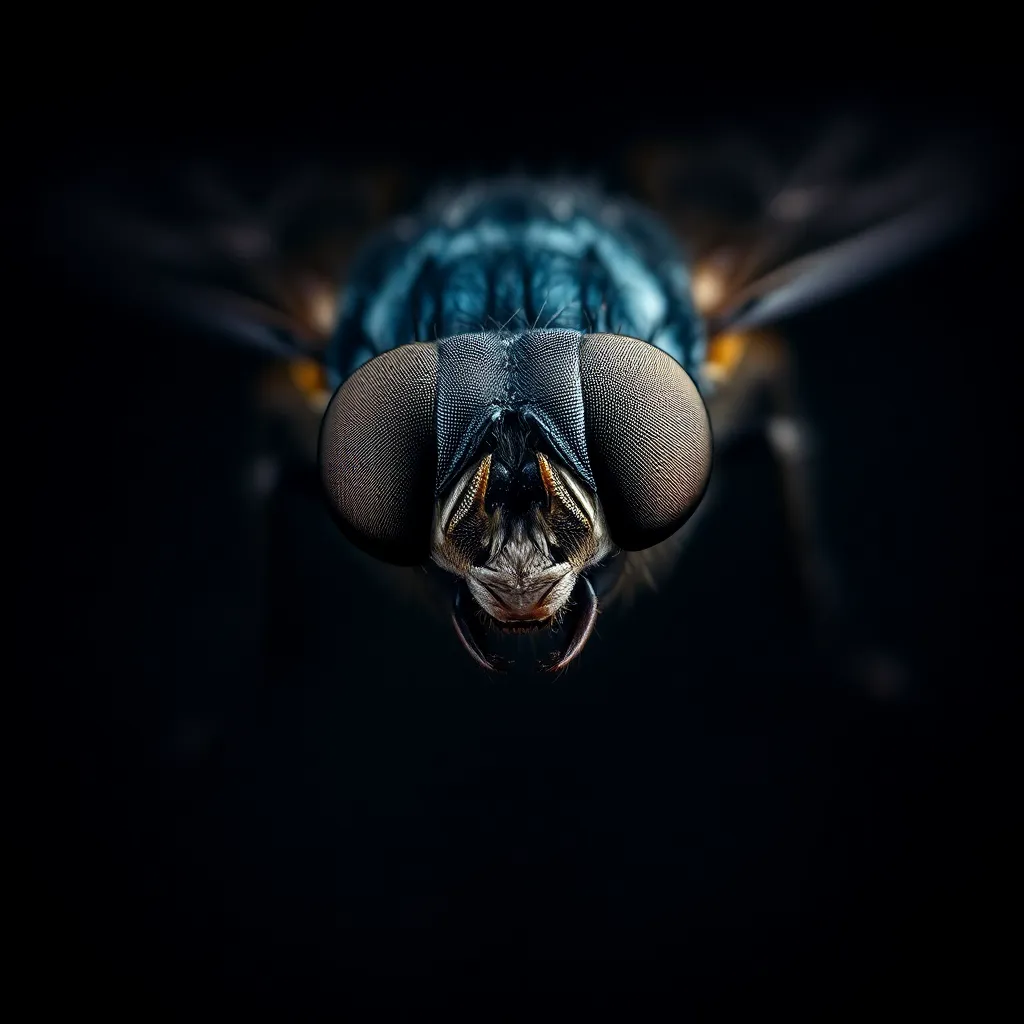
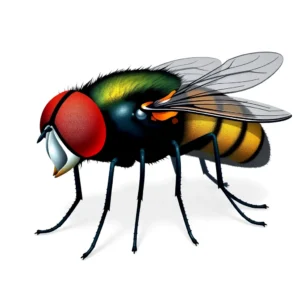
The compound eye of a housefly contains 4,000 individual ommatidia per eye and detects motion at 250 frames per second — five times faster than human vision — making them nearly impossible to swat.
05
Maggots produced by houseflies are now used medically in 'maggot therapy' to clean necrotic tissue from chronic wounds; they produce antibacterial secretions while selectively consuming dead tissue.
📍 Where to Find This Animal
Habitat Types:
Human Settlements & Livestock Areas
🛒 Housefly Related Gear
As an Amazon Associate we earn from qualifying purchases.

Join the Conversation
Share your thoughts about the Housefly