Loading Wildlife…

Apterygidae EN

THE

KIWI

Night Walker Without Wings

Apteryx mantelli

Oceania
CLASS Aves FAMILY Apterygidae GENUS Apteryx
16 km/h
Top Speed
⚖️
2.2-3.3 kg
Max Weight
📏
45-55 cm
Body Length
🕰️
25-50 years
Lifespan
🍖
Omnivore
Diet Type

IUCN Red List — Where this species stands

LC Least Concern
NT Near Threatened
VU Vulnerable
EN Endangered
CR Critical
EW Extinct Wild
EX Extinct

About the Kiwi

Apteryx mantelli

Advertisement

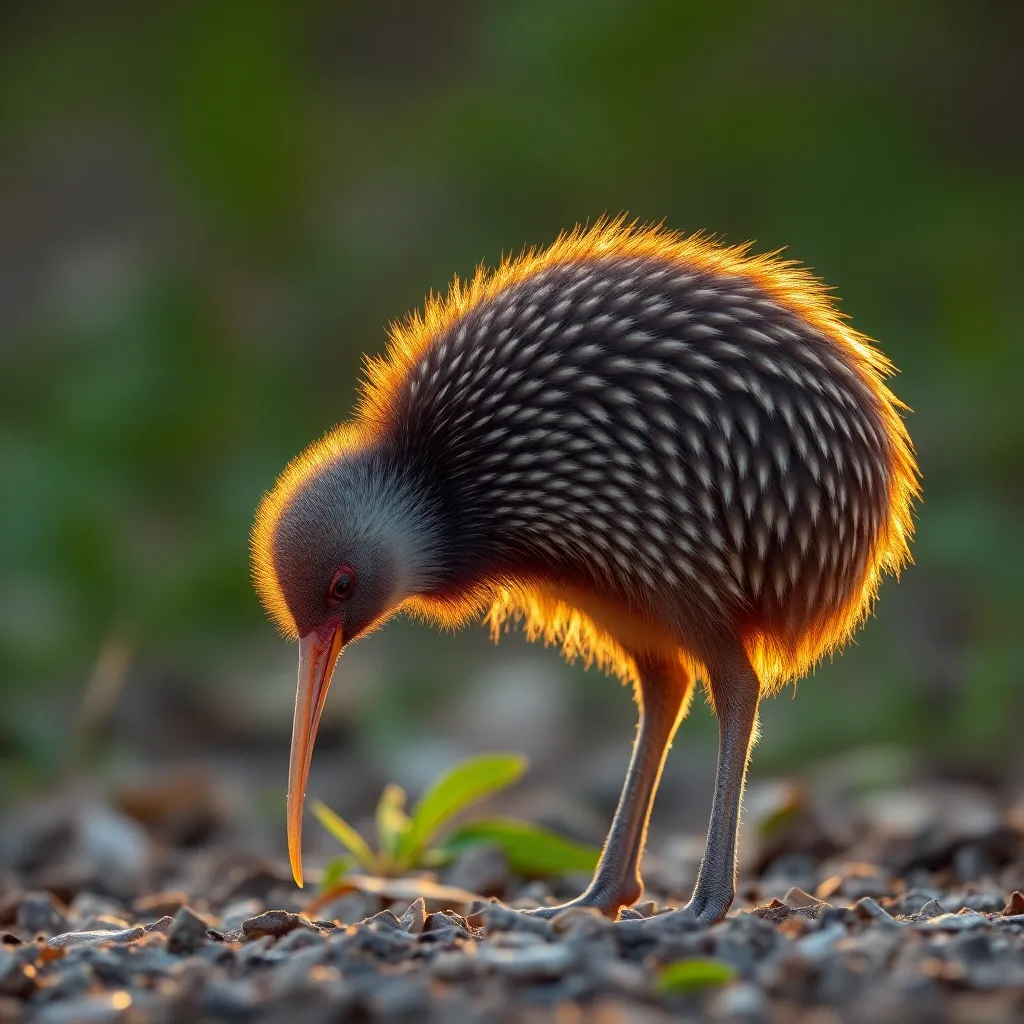
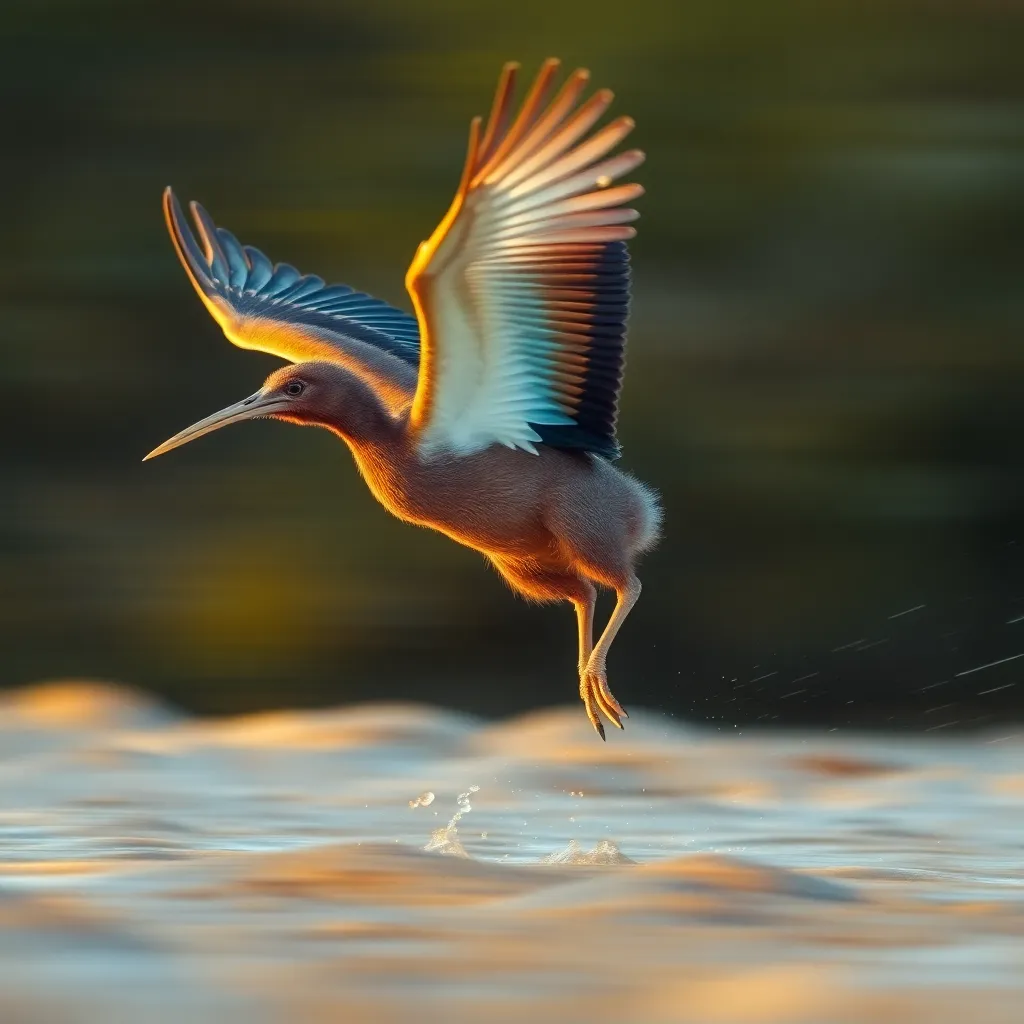
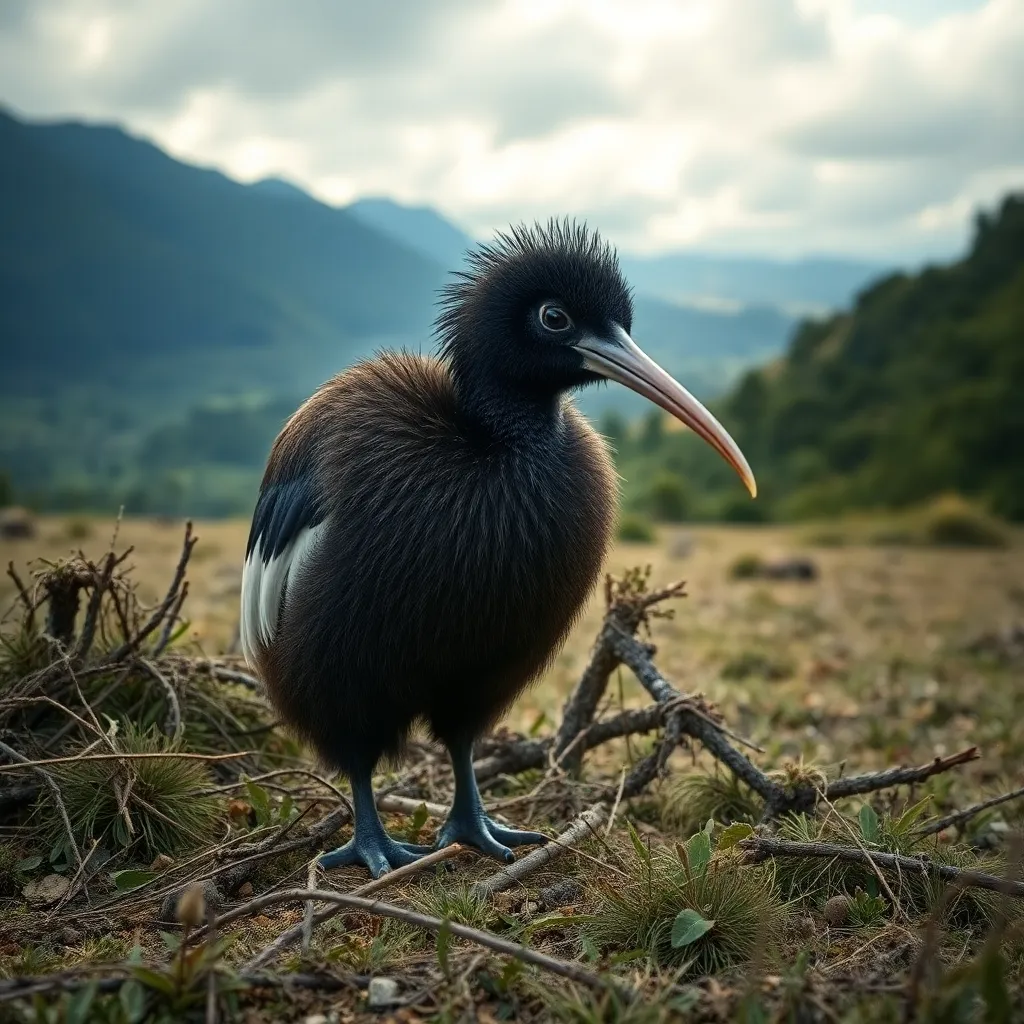
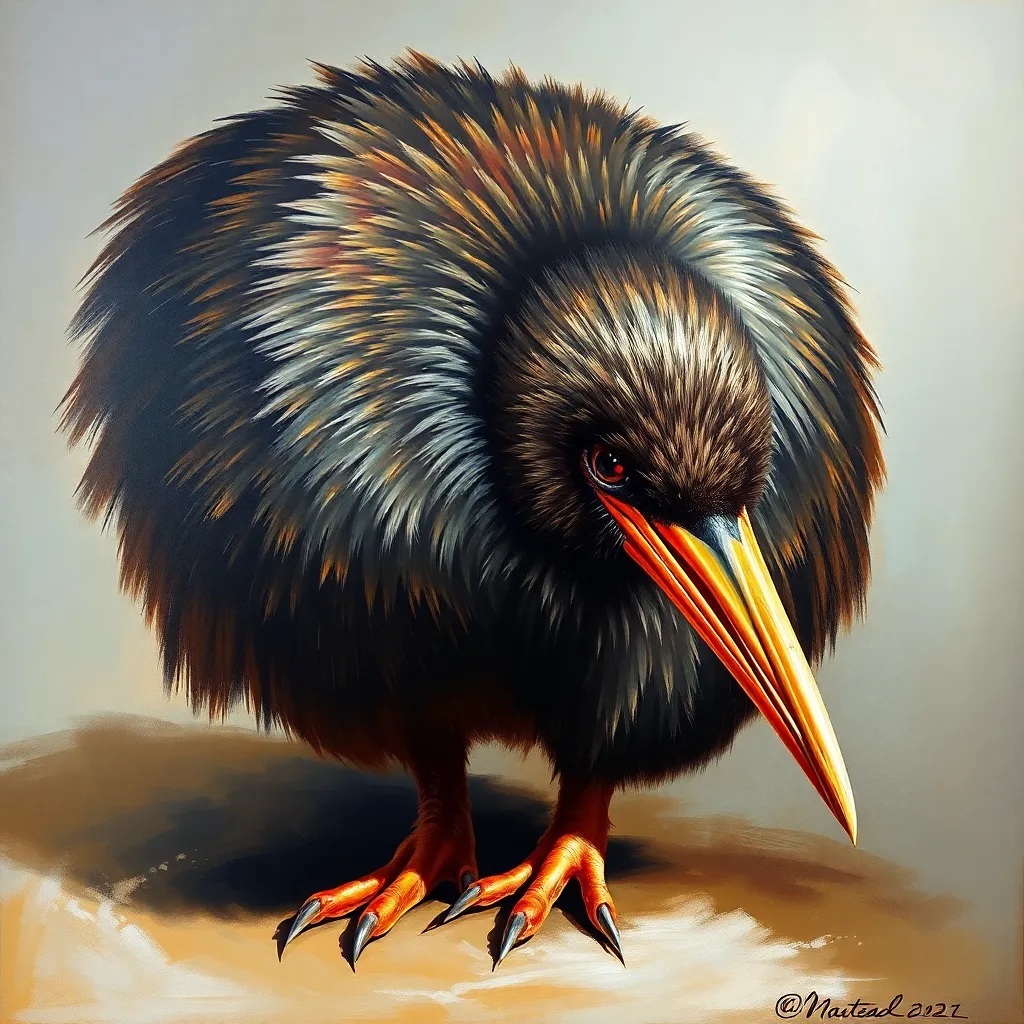
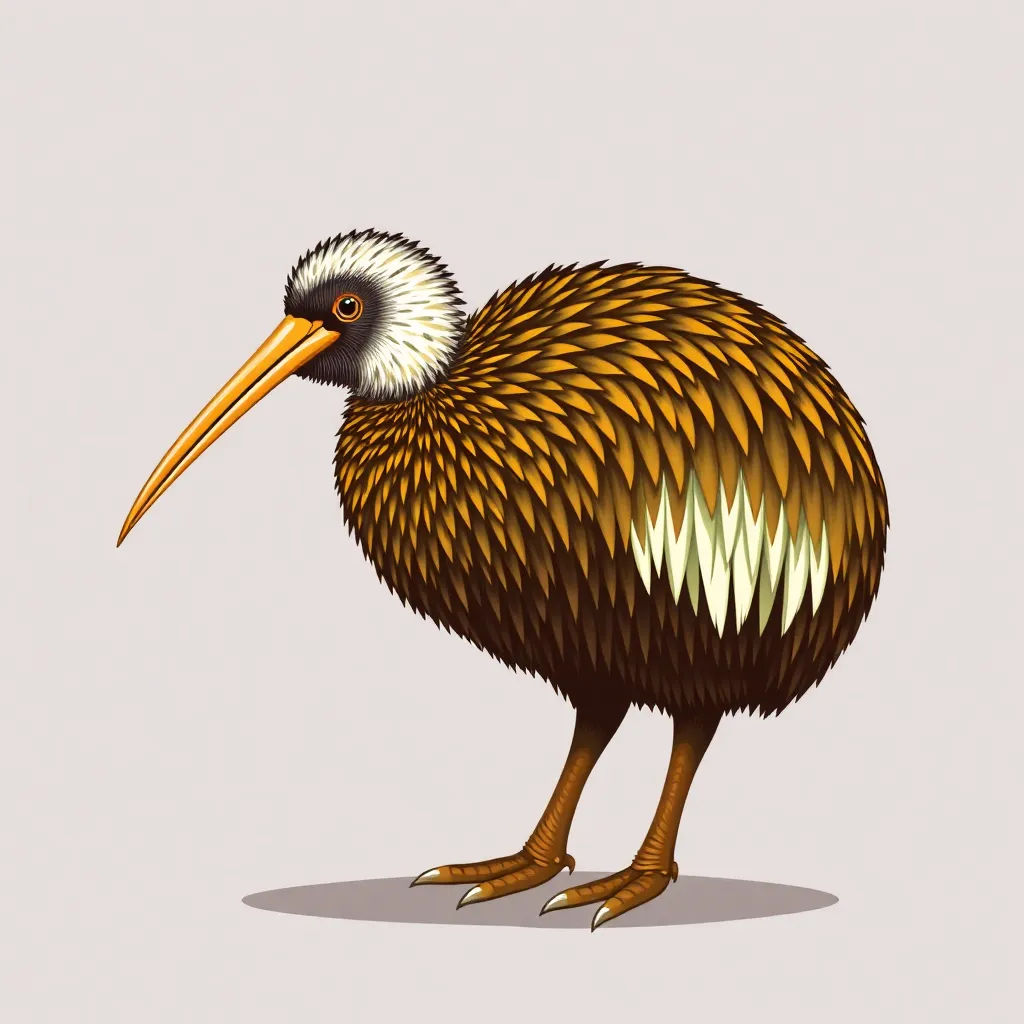
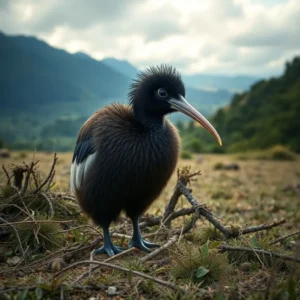
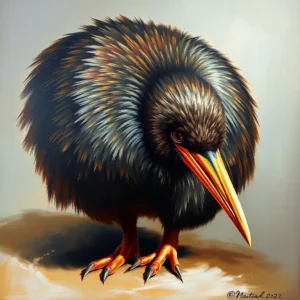
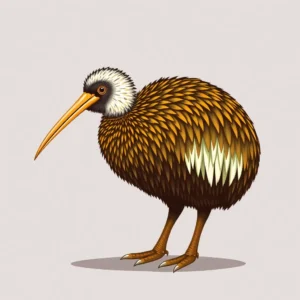
The North Island brown kiwi is New Zealand’s national bird and one of the most evolutionarily unique animals on Earth — a flightless, nocturnal bird that behaves more like a mammal than any other avian species. Found only in New Zealand’s North Island forests, kiwis face severe pressure from introduced predators including stoats, rats, and domestic dogs. Intensive conservation management, including predator-free sanctuaries and egg incubation programs, is critical to preventing their extinction.

⚡ Speed Comparison

Human
12 km/h
Kiwi
16 km/h
Car (city)
50 km/h
Horse
54 km/h

💡 Fun Facts

01

The kiwi is the only bird with nostrils at the tip of its bill, allowing it to smell earthworms underground — an adaptation unique among living birds.

02

Kiwi eggs are the largest relative to body size of any bird: a female North Island brown kiwi's egg represents up to 20% of her total body weight.

03

Unlike most birds, kiwis have bone marrow — a mammalian trait linked to their evolution in a land once devoid of land mammals.

04

Kiwi feathers lack the interlocking barb structure found in flying birds, making them soft and hair-like in texture, resembling fur more than plumage.

05

Male kiwis incubate the enormous egg alone for 70-85 days and often lose up to 20% of their body weight during this marathon brooding session.

Unlock Expert Wildlife Facts

Watch a short 15-second video to unlock detailed expert analysis, exclusive wildlife photography, and rare behavioral facts.

📍 Where to Find This Animal

Habitat Types: Temperate Forest

🛒 Kiwi Related Gear

As an Amazon Associate we earn from qualifying purchases.

🗨️

Join the Conversation

Share your thoughts about the Kiwi

✍️

Leave a Comment

Your email address will not be published. Required fields are marked *

How Big Is a Kiwi?

Side-by-side comparison with an adult human (175 cm)

🧍
Human
175 cm
🥝
Kiwi
65 cm
shoulder height
2.2-3.3 BODY WEIGHT
45-55 BODY LENGTH
16 TOP SPEED
25-50 LIFESPAN
Kiwi close-up
Kiwi

SURVIVAL TOOLKIT

Built for Survival

Nature's engineering refined over millions of years

🔬 SURVIVAL TOOLKIT
Nasal Olfaction
01

Nasal Olfaction

Nostrils positioned at the bill tip with a highly developed olfactory system locate buried invertebrates without visual cues.

Nocturnal Lifestyle
02

Nocturnal Lifestyle

Excellent low-light vision and acute hearing allow efficient foraging in the dark, reducing exposure to diurnal predators.

Marrow-Filled Bones
03

Marrow-Filled Bones

Unlike most birds with hollow bones, kiwi bones contain marrow — a relic of ancestors that evolved before flying became necessary.

Oversized Eggs
04

Oversized Eggs

Enormous yolk-rich eggs supply fully developed chicks with enough reserves to survive their first week without parental feeding.

Powerful Legs
05

Powerful Legs

Disproportionately large, muscular legs support a dense body and deliver powerful defensive kicks against stoats and dogs.

Night Walker Without Wings. An extraordinary creature that reminds us what we stand to lose.

Jungal Safari · Wildlife Network
💡

Did You Know?

The kiwi is the only bird with nostrils at the tip of its bill, allowing it to smell earthworms underground — an adaptation unique among living birds.

🍖 DIET: OMNIVORE

What Does the Kiwi Eat?

🪱
Earthworms
🍓
Berries
🪲
Beetles
🍄
Fallen Fruit
🗺️ GEOGRAPHIC RANGE

Where Do Kiwis Live?

🌍
Continents
📉
Population Trend Declining

Conservation in Action

How You Can Help the Kiwi

Small actions, taken together, can reverse the decline of species like this one

🌳
Protect Habitat

Support wildlife reserves and protected land corridors

🚫
Stop Poaching

Report illegal trade and back anti-poaching patrols

🔬
Fund Research

Camera-trap studies and population monitoring

🤝
Community Work

Partner with local herders to reduce conflict

📢
Raise Awareness

Educate and inspire future wildlife champions

"Without urgent action, the Kiwi could disappear from the wild within our lifetime."

PROTECT THEM. PRESERVE THEIR LEGACY.

The Kiwi's Future
Is In Our Hands

Every share, every donation, every voice raised — makes a difference for wildlife conservation.

🌳Protect Habitat
📢Raise Awareness
💰Fund Research
🤝Community Work
🚫Stop Poaching

"Protect Wildlife. Preserve Our Planet."

Every species matters. Every action counts.

Advertisement