World’s Largest Lizard & Ancient Predator
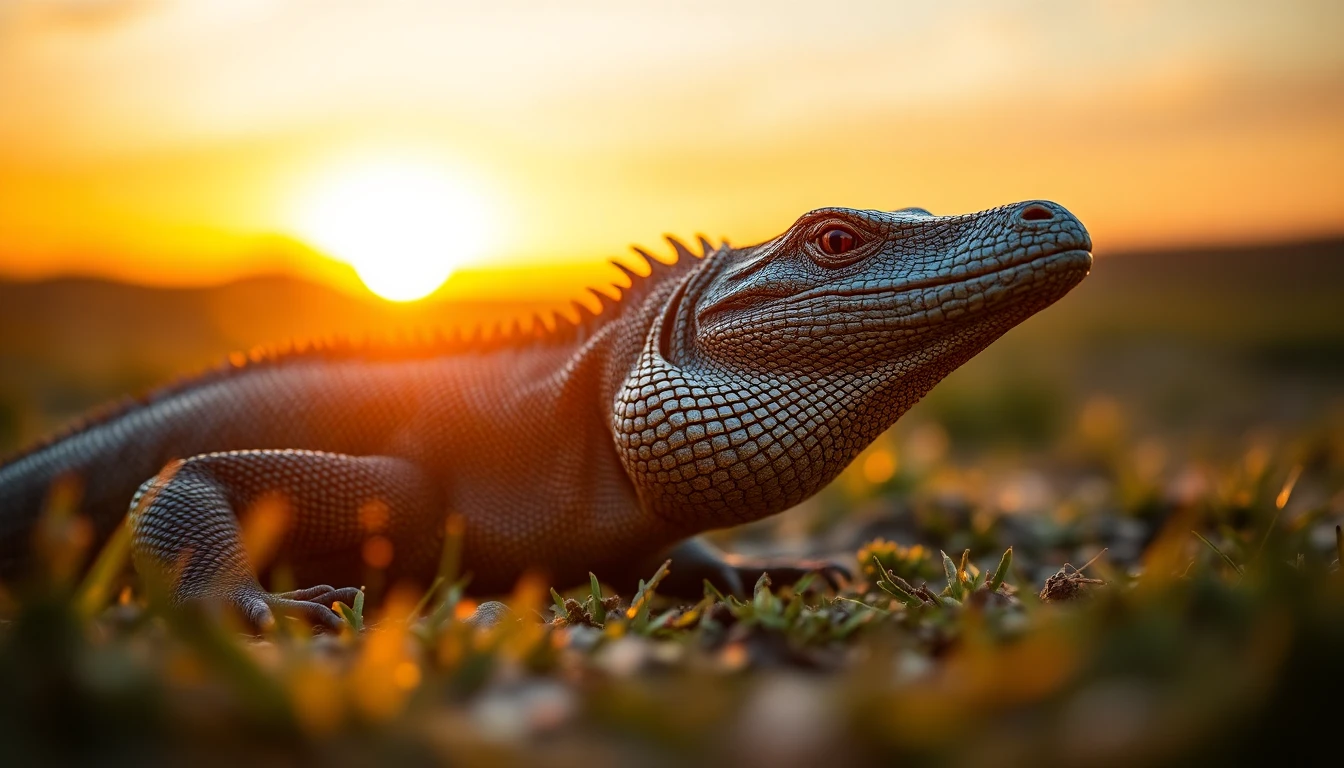
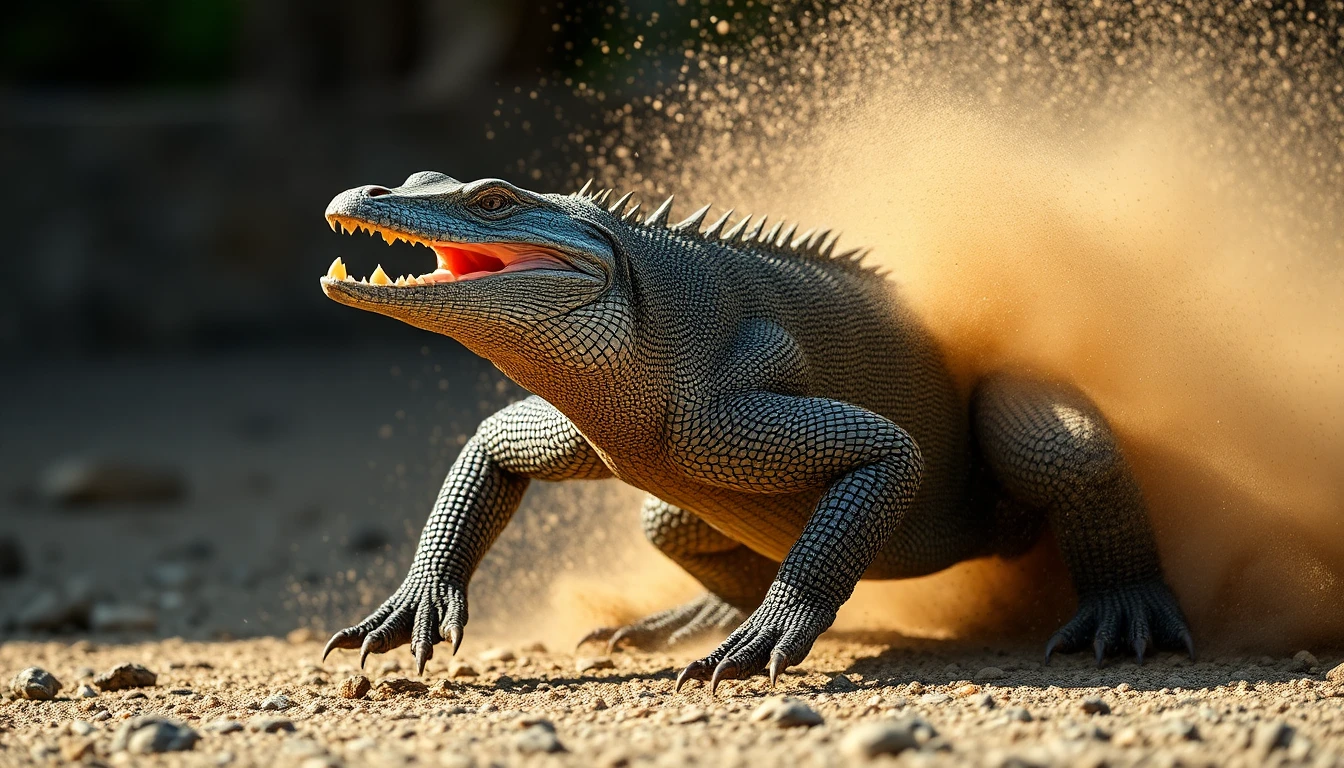
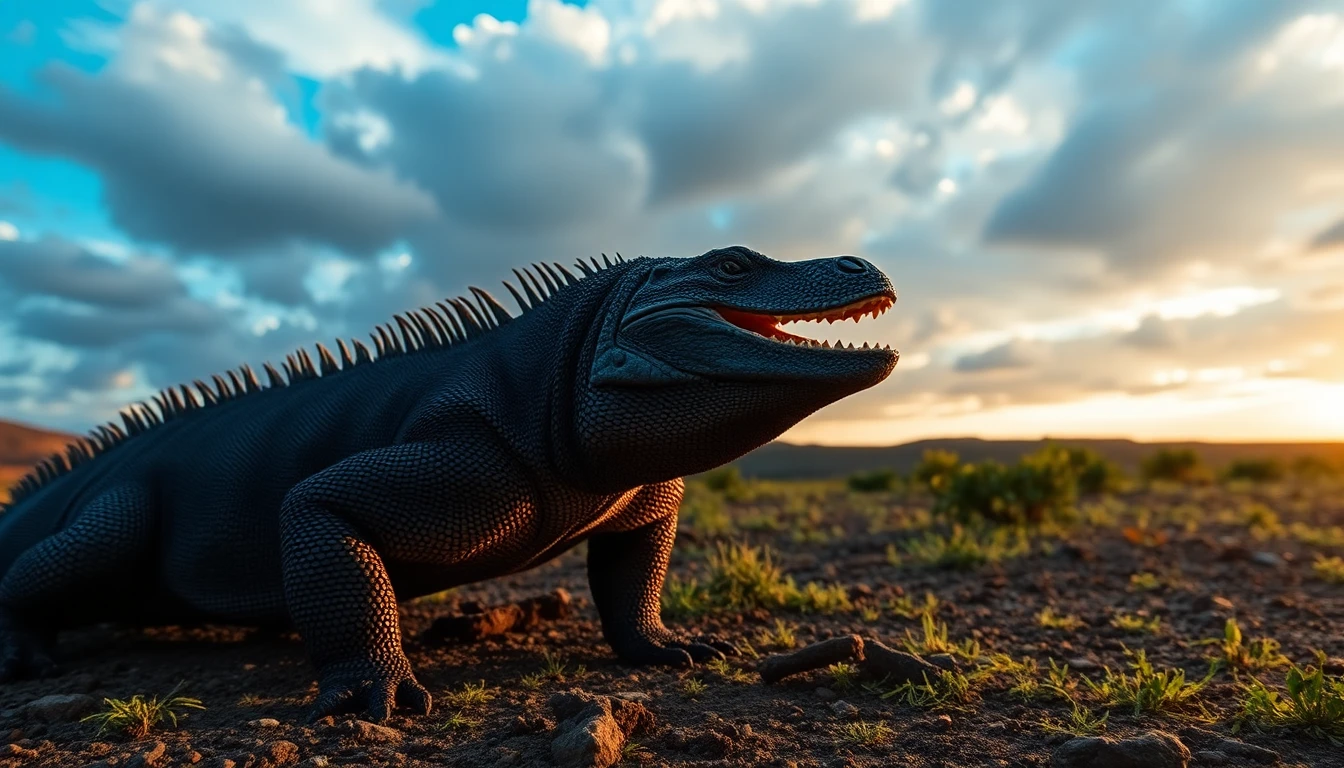
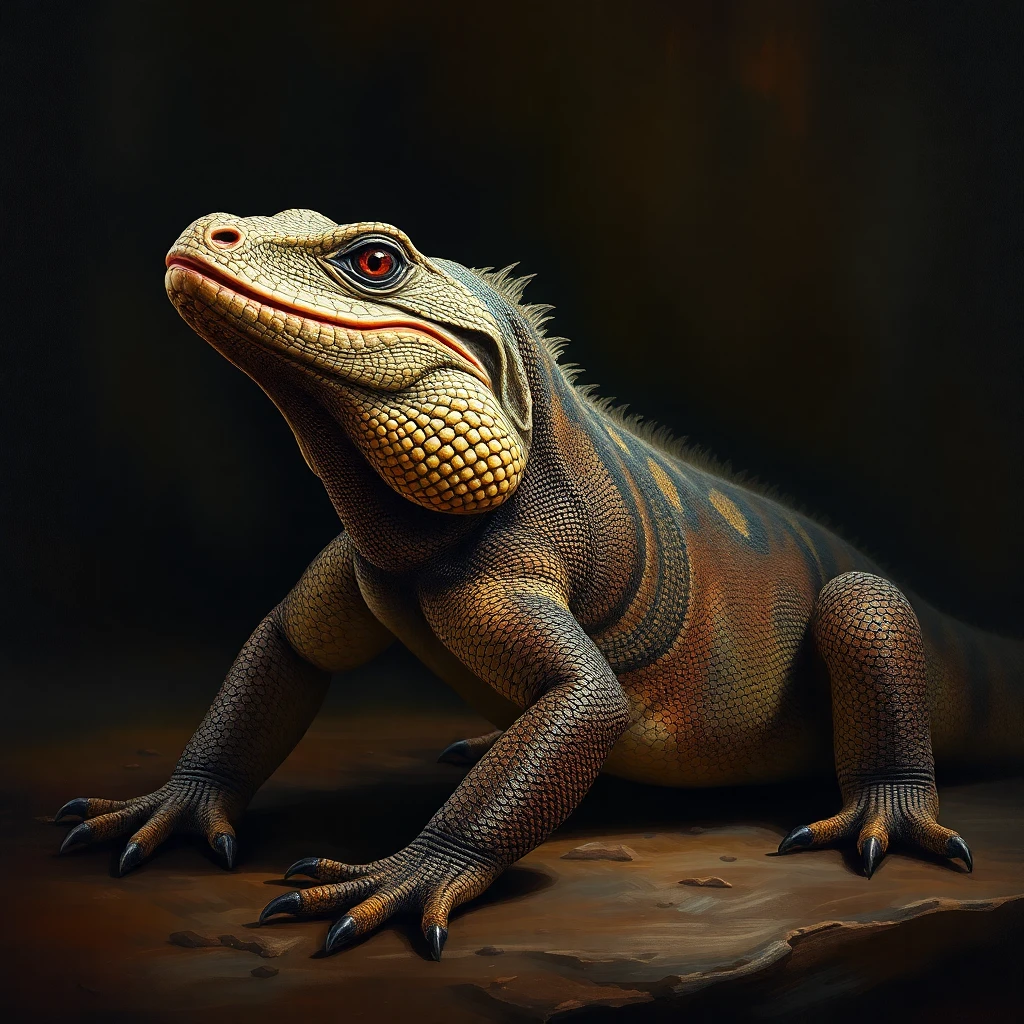
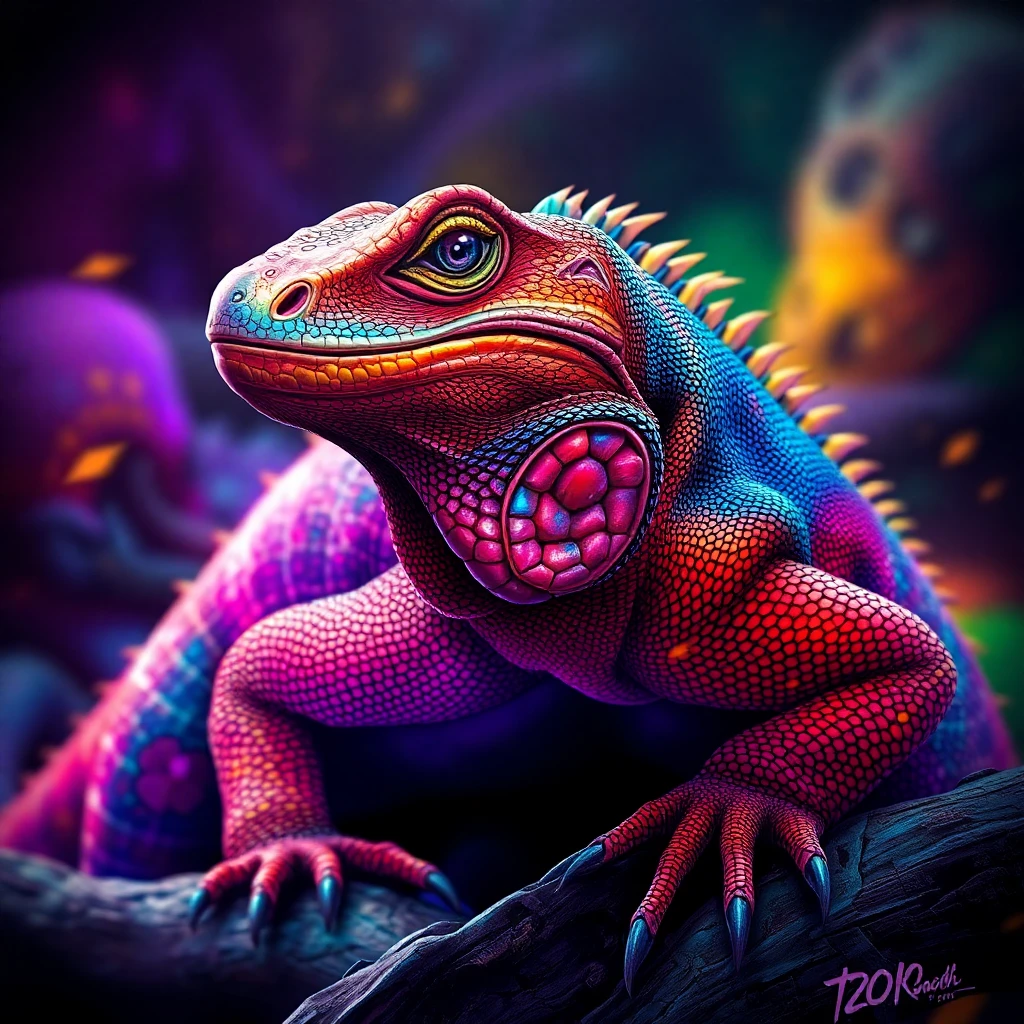
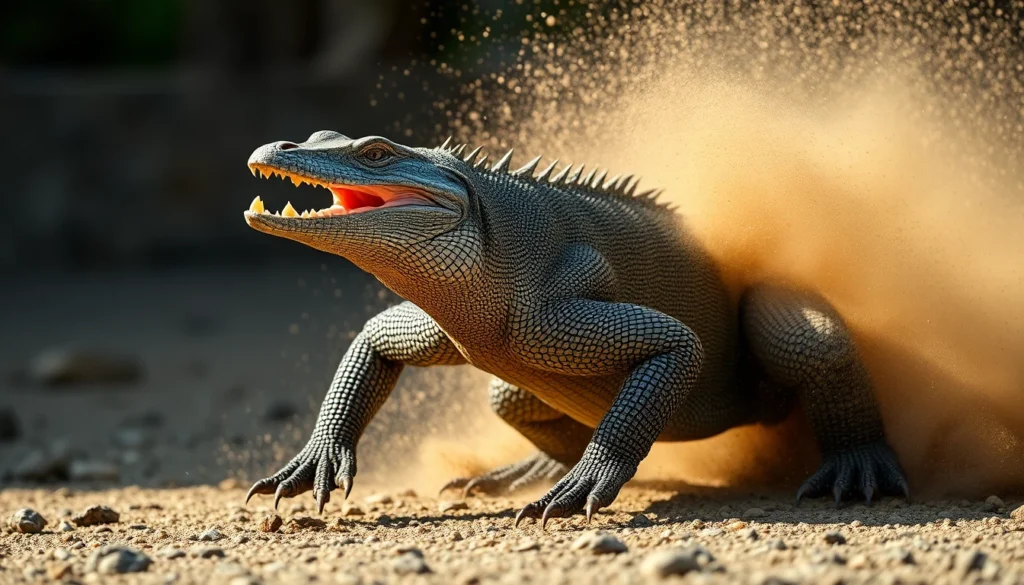
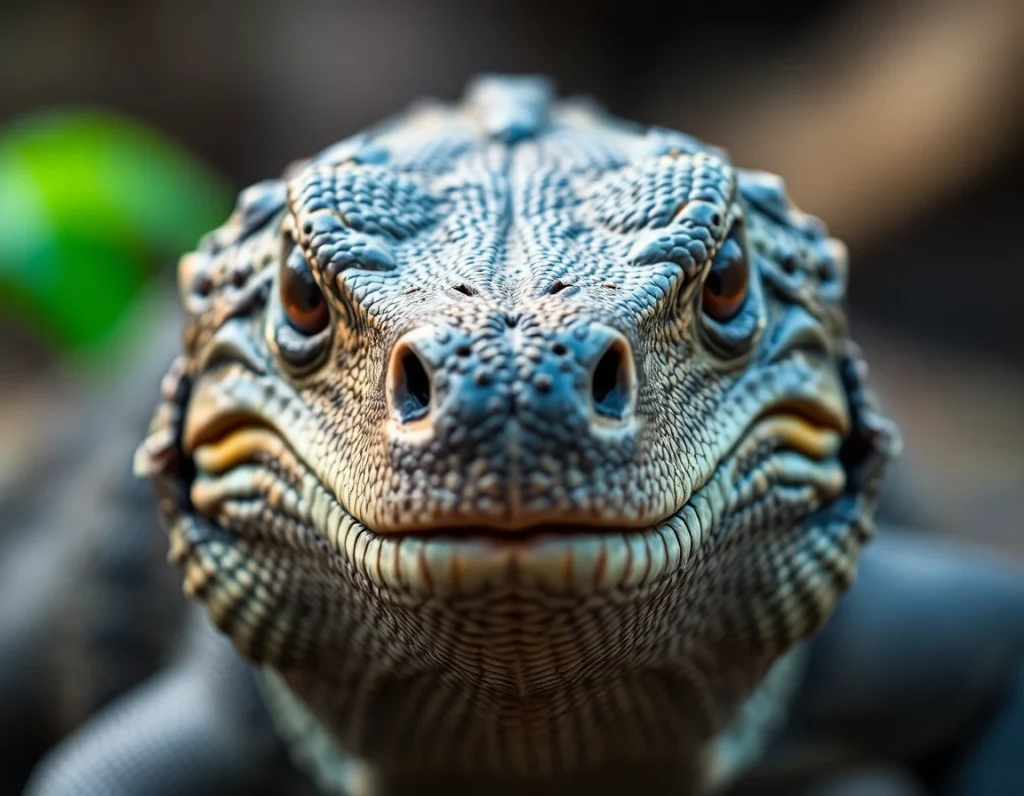
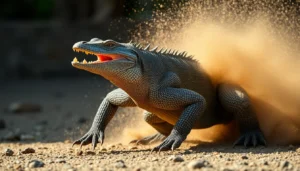
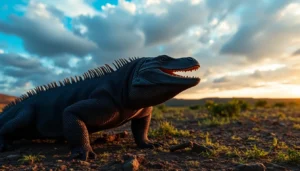
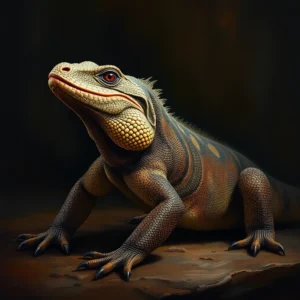
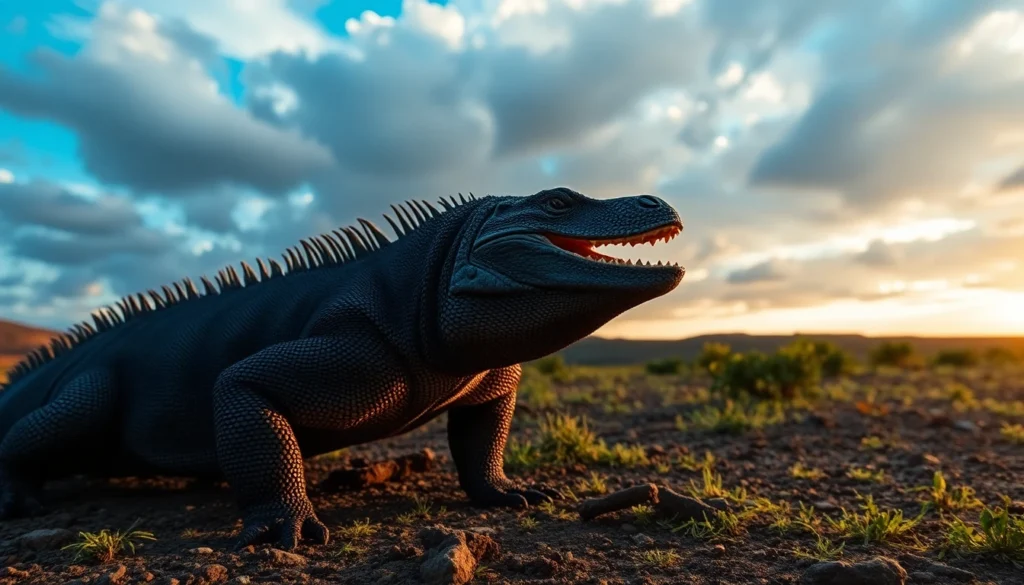
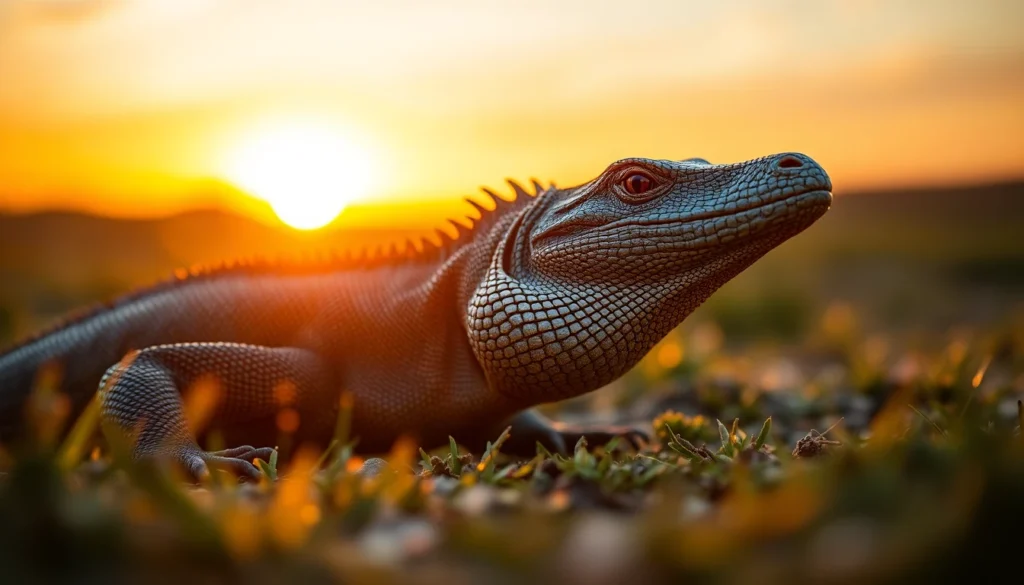
The Komodo Dragon (Varanus komodoensis) is the world’s largest living lizard — a prehistoric survivor whose lineage extends back 4 million years. Found only on five Indonesian islands (Komodo, Rinca, Flores, Gili Motang, and Padar), this apex predator can bring down animals 10 times its own size, using a combination of stealth, ambush, venomous bite, and sheer persistence that makes it one of the most effective hunters in the animal kingdom.
The Venom Revelation
For decades, scientists believed Komodo Dragon bites were deadly due to bacteria in their saliva. A landmark 2009 study revealed the truth: Komodo Dragons possess venom glands along their lower jaw that secrete anticoagulants, preventing blood clotting in bitten prey. The venom induces shock through rapid blood pressure drops and prevents the wound from closing, ensuring that even prey that escapes the initial attack will eventually weaken and be tracked down by the dragon’s extraordinary sense of smell — detecting blood from up to 9.5 km away.
Parthogenesis: Virgin Birth
In captivity and (potentially) in isolated wild populations, female Komodo dragons can reproduce without male fertilization through parthenogenesis — a form of asexual reproduction in which unfertilized eggs develop into viable offspring. The offspring are always male (ZZ chromosomes), providing a mechanism for a lone female to establish a new population on an island and produce males with which she subsequently mates. This reproductive strategy is believed to be an adaptation to their island-confined habitat.
Advertisement
Conservation on the Edge
Classified as Endangered by the IUCN in 2021, the Komodo Dragon faces an increasingly severe threat from climate change. Rising sea levels threaten to inundate significant portions of the low-lying coastal habitat on their island range, potentially reducing viable habitat by up to 30% by 2050. The global wild population is estimated at only 3,000–5,000 individuals, confined to an area smaller than the city of Los Angeles. Komodo National Park (a UNESCO World Heritage Site) provides their primary protection, but tourism pressure and prey depletion remain ongoing management challenges.
Join the Conversation
Share your thoughts about the Komodo Dragon