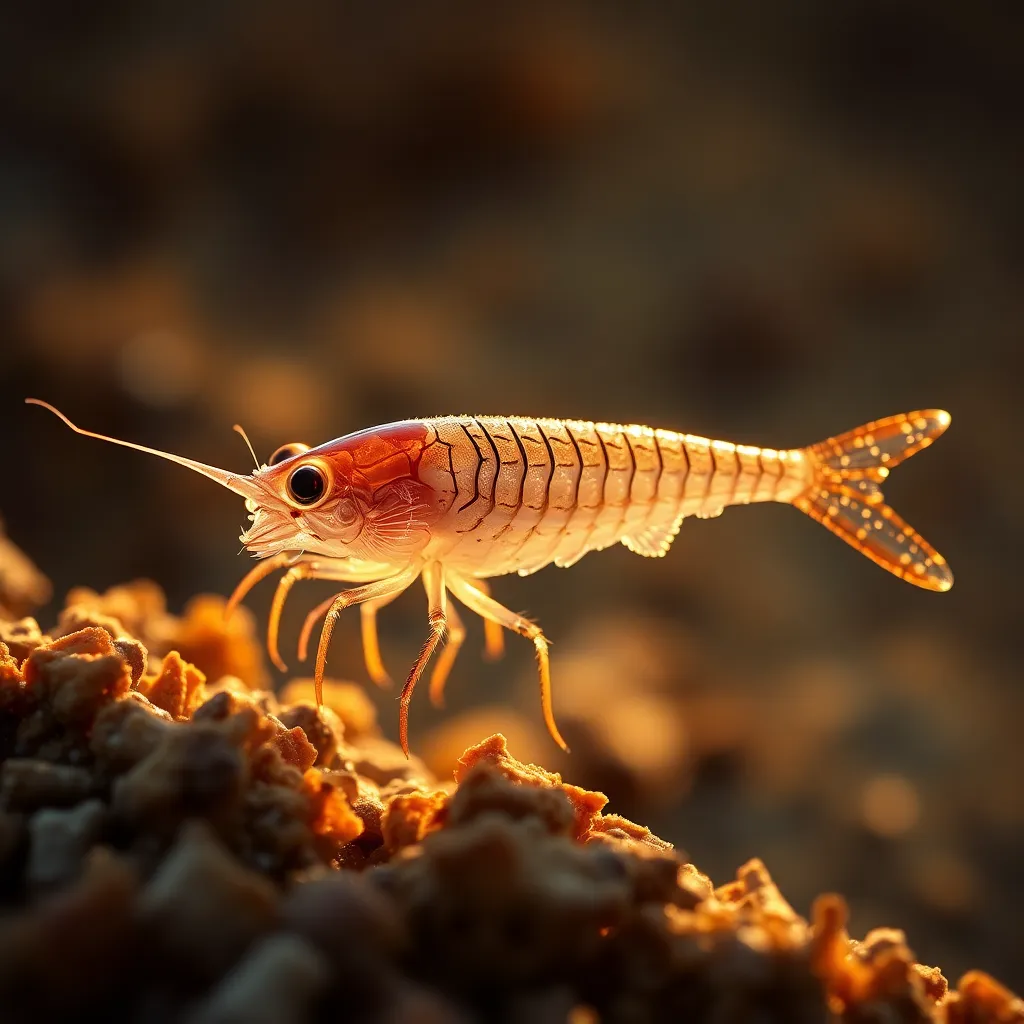
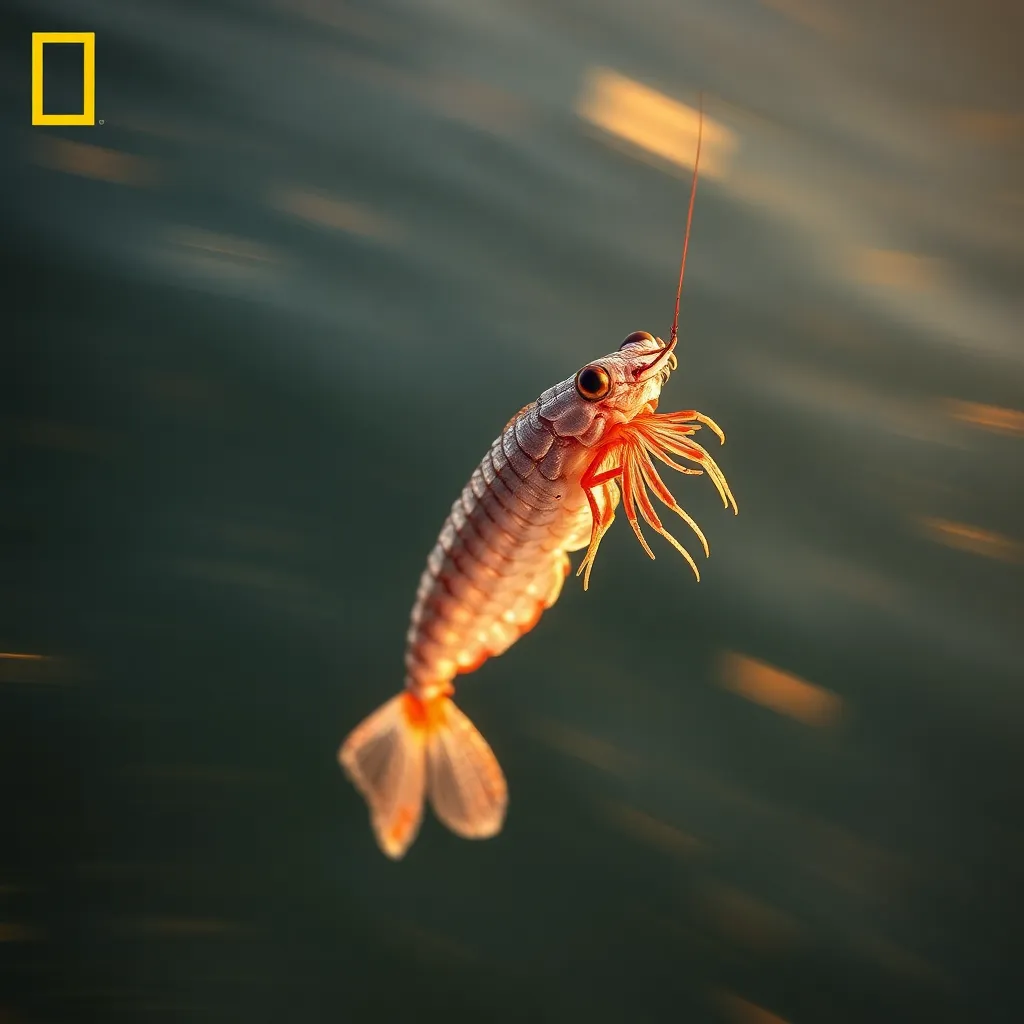
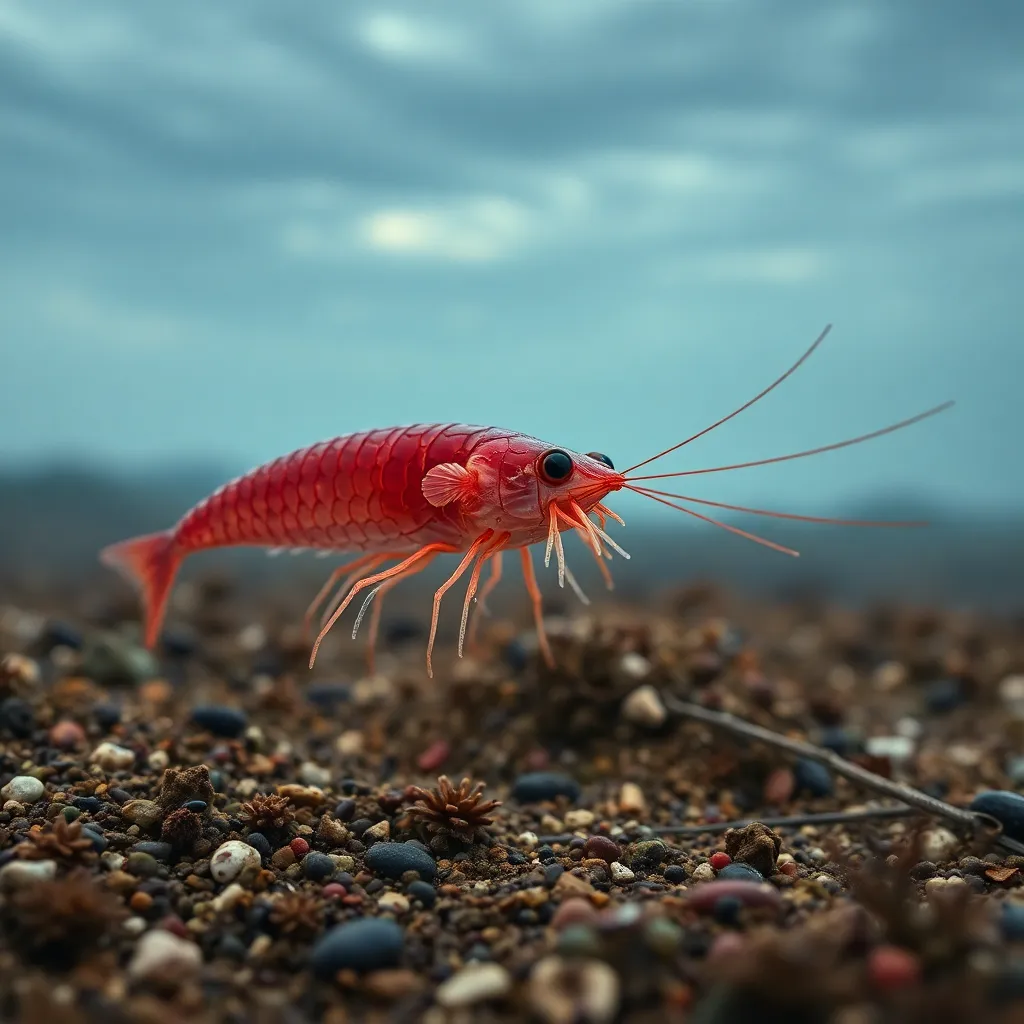
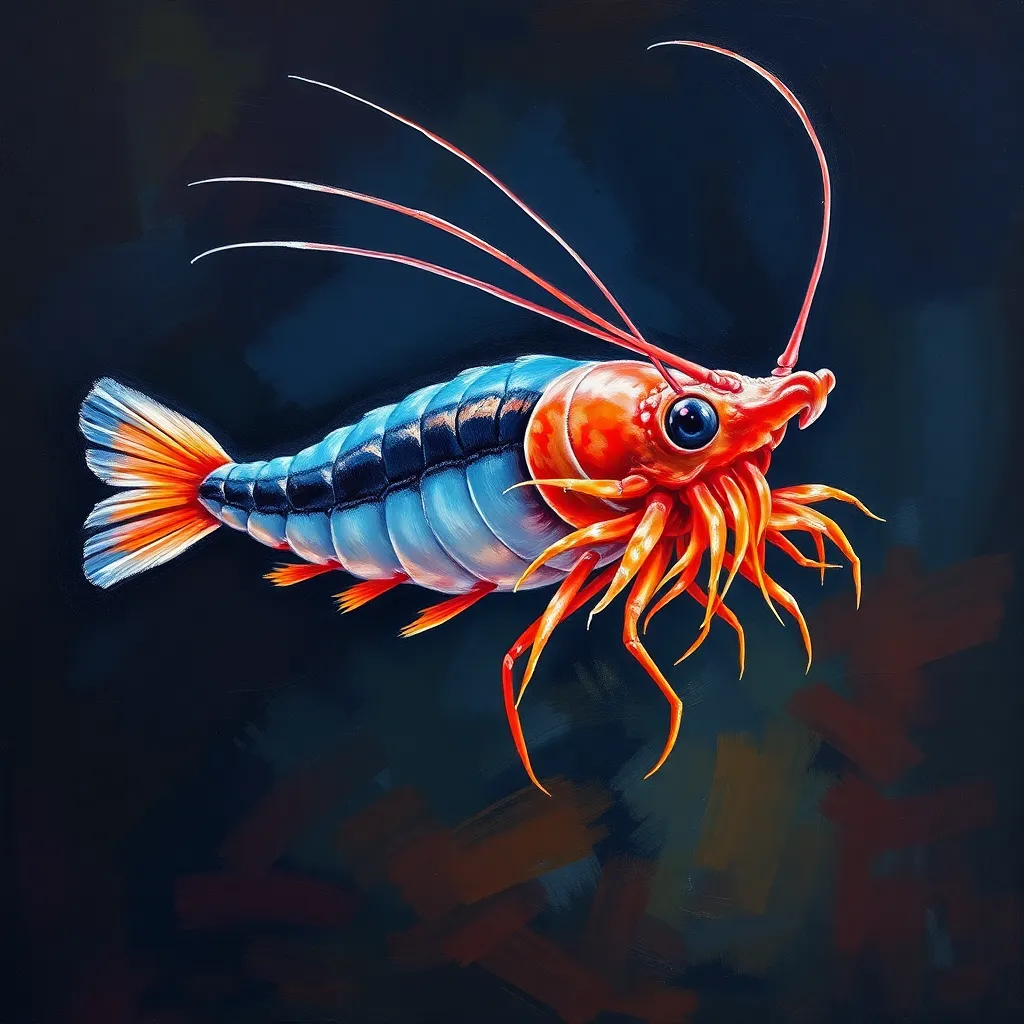
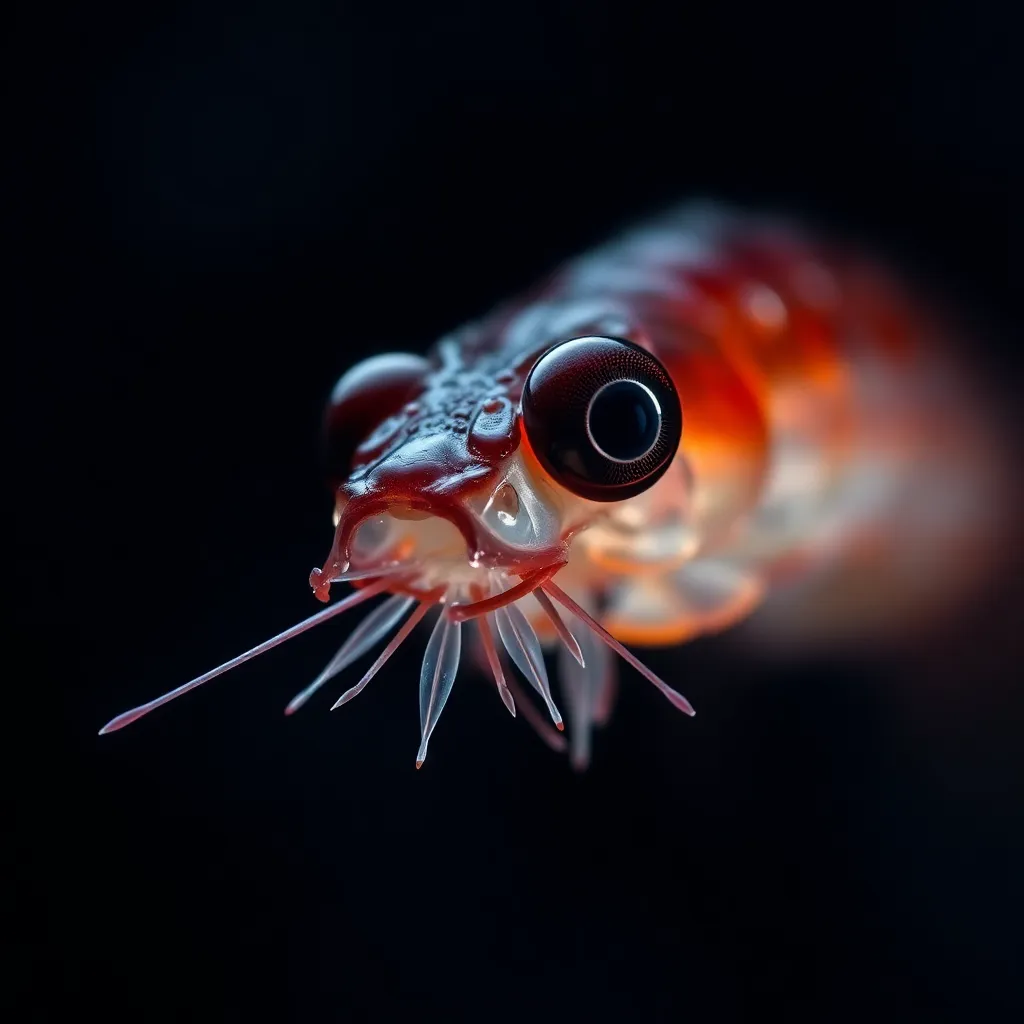
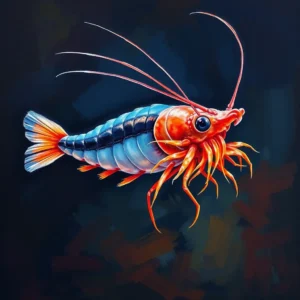
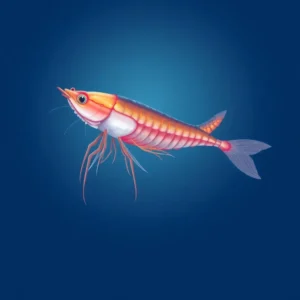
Antarctic krill are tiny shrimp-like crustaceans that form the foundational link in the Southern Ocean food web. Existing in staggering densities — swarms can cover hundreds of square kilometers and weigh millions of tons — they are the primary food source for whales, seals, penguins, and seabirds. Their total biomass is estimated at 379-500 million metric tons, making them one of the most abundant animal species on Earth by total mass.
About the Krill
Euphausia superba
Advertisement
⚡ Speed Comparison
📸 Photo Gallery

💡 Fun Facts
01
Antarctic krill can shrink their body size during food shortages by actually digesting their own muscles and organs.
02
Krill swarms can be so dense they are visible from space and turn the ocean surface pink or orange.
03
Krill excrete iron-rich feces that fertilize phytoplankton, effectively 'pumping' nutrients from deep water to the surface.
04
They can survive under sea ice in winter by scraping algae from the underside of the ice with specialized feeding appendages.
05
A single blue whale consumes up to 4 tonnes of krill per day during feeding season.
📍 Where to Find This Animal
Habitat Types:
Southern Ocean
🛒 Krill Related Gear
As an Amazon Associate we earn from qualifying purchases.
Join the Conversation
Share your thoughts about the Krill