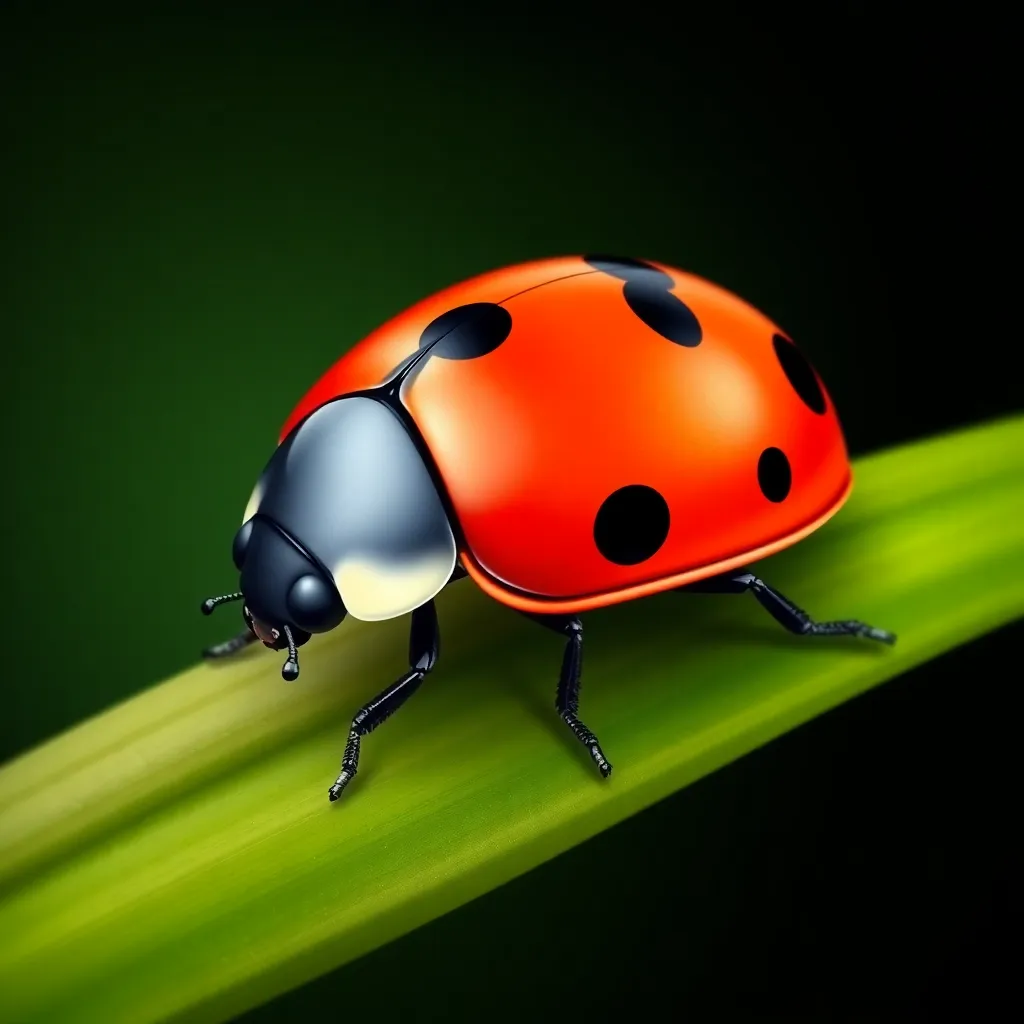
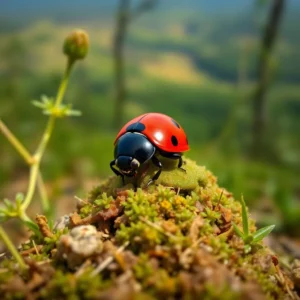
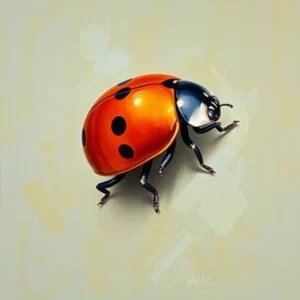
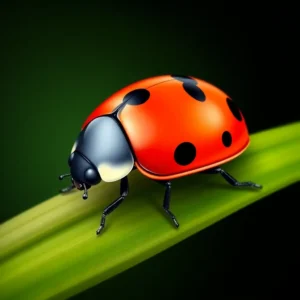
The seven-spot ladybird is one of the most recognizable insects in the world and one of nature’s most effective biological pest controllers, a single individual consuming up to 5,000 aphids over its lifetime. The bright red and black coloration warns predators of its chemical defenses — when threatened, ladybirds secrete toxic, foul-tasting alkaloid fluids called hemolymph from their leg joints in a behavior called reflex bleeding. They are also champions of long-distance dispersal, catching high-altitude air currents to migrate hundreds of kilometres in a single flight.
About the Ladybug
Coccinella septempunctata
Advertisement
⚡ Speed Comparison
📸 Photo Gallery
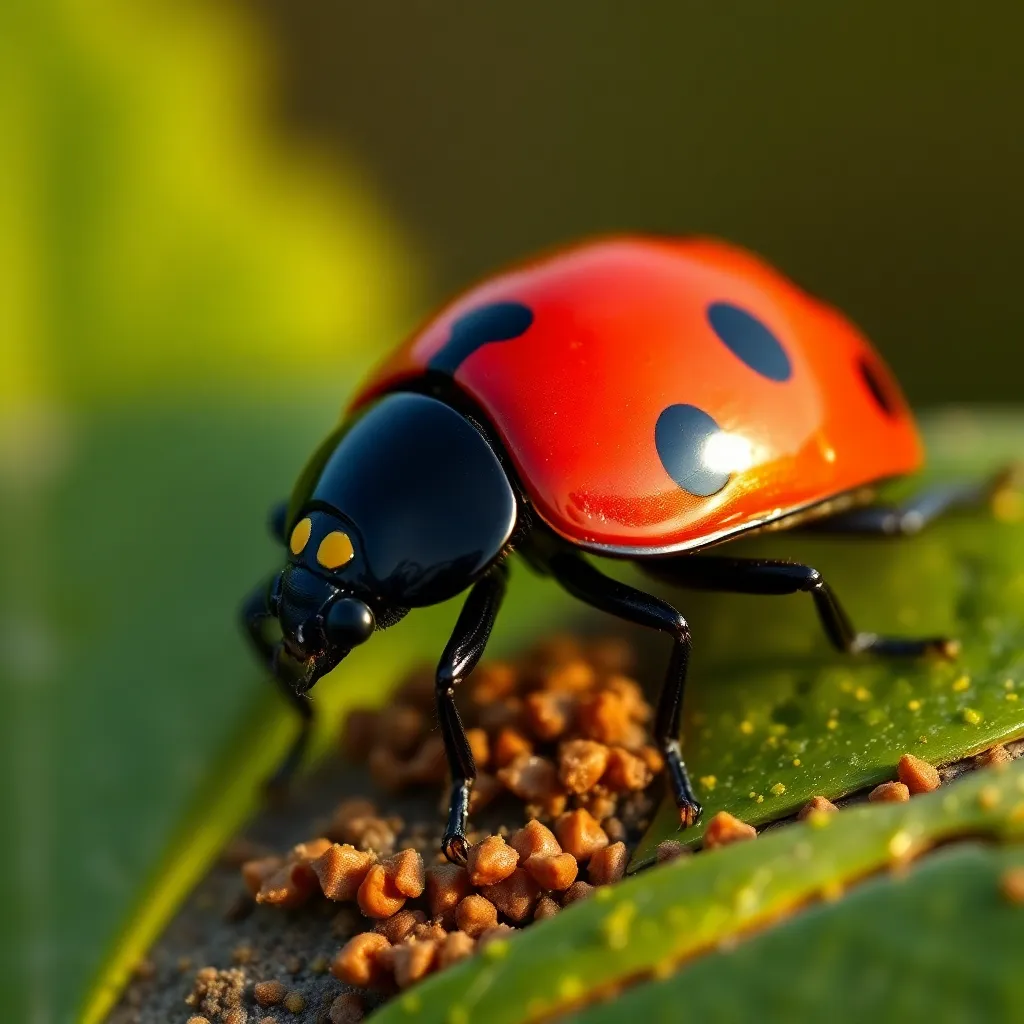
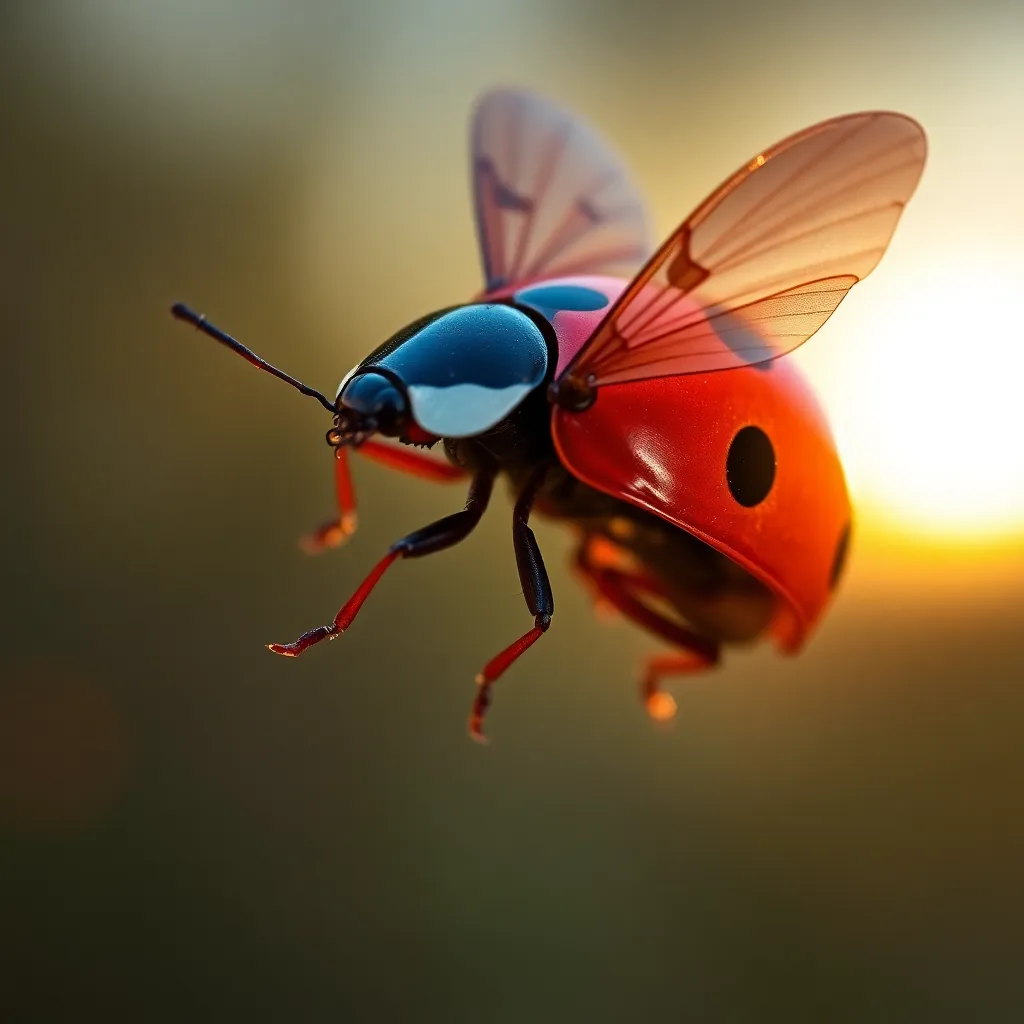
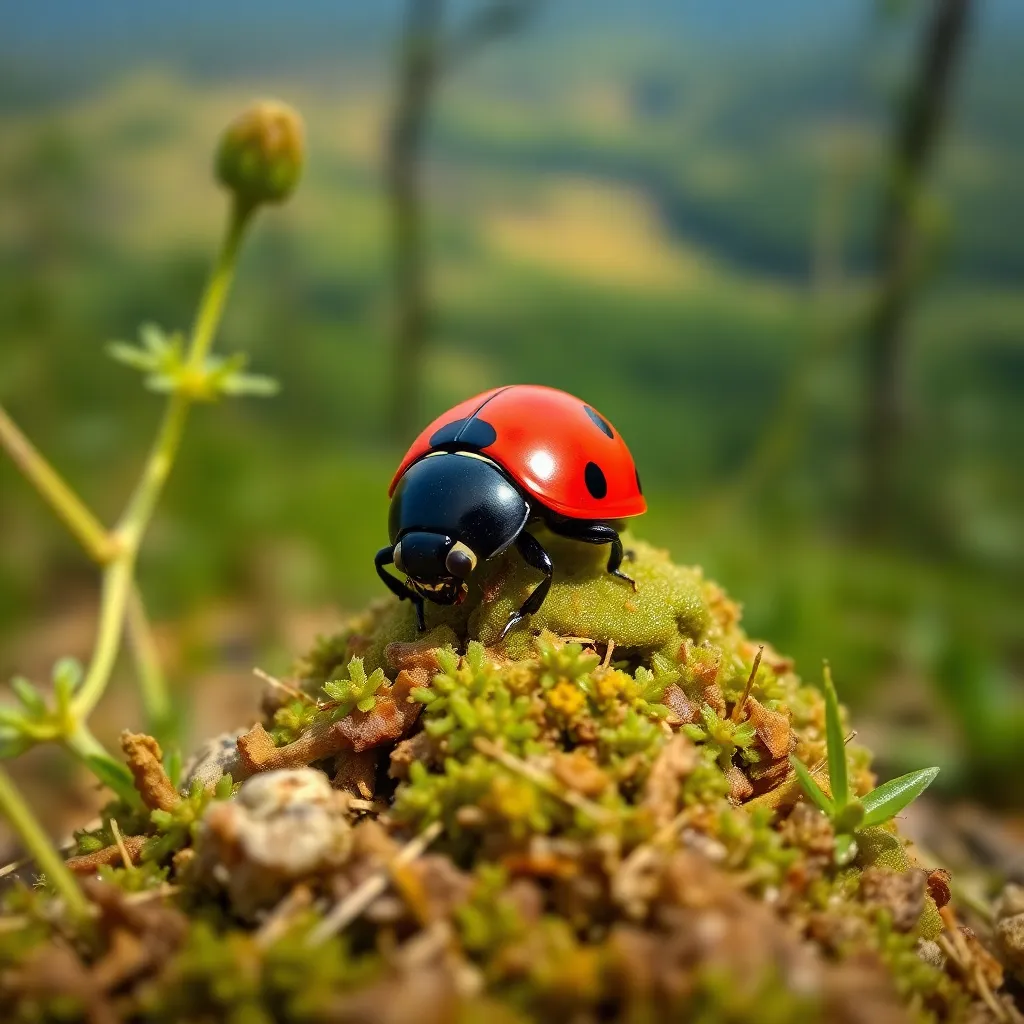
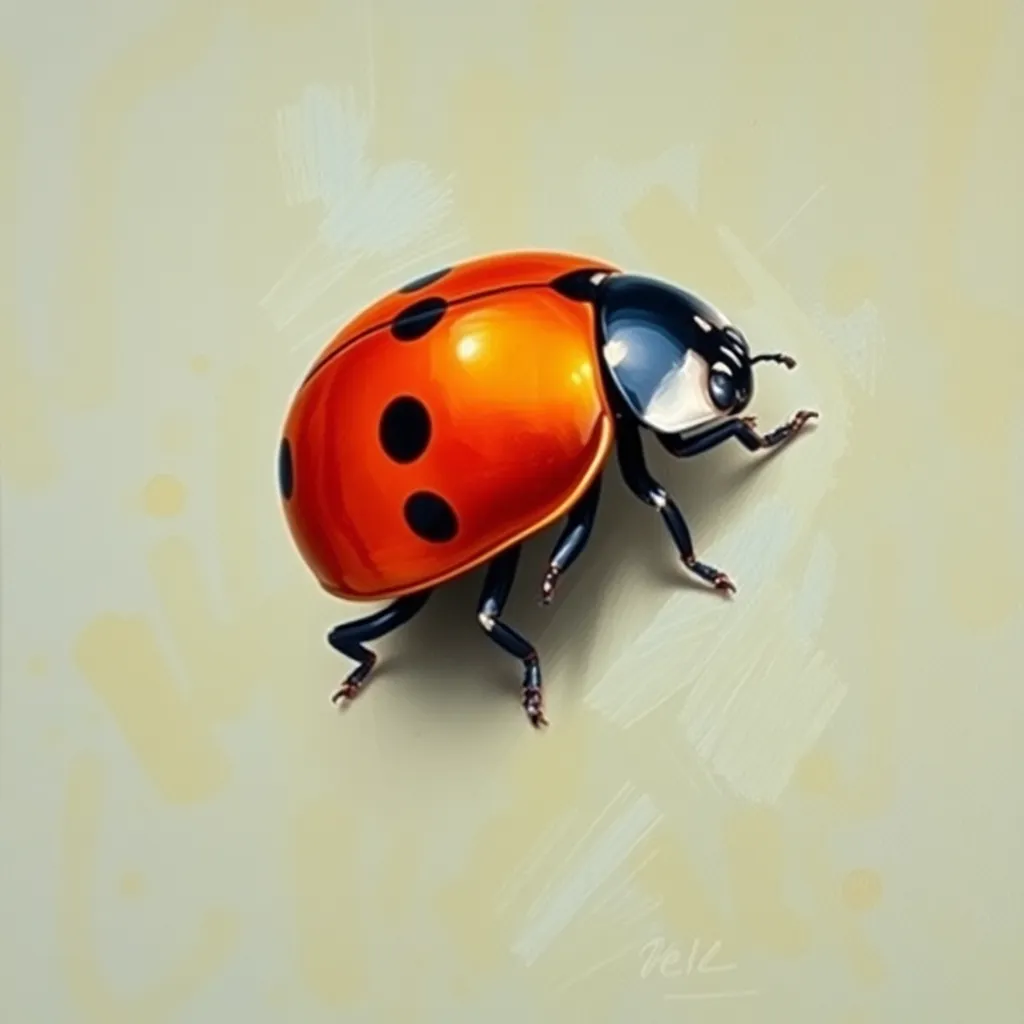
💡 Fun Facts
01
A single seven-spot ladybird can consume up to 5,000 aphids during its lifetime, making it one of the most economically valuable insects for natural pest control in agriculture.
02
Ladybirds engage in reflex bleeding — they deliberately release bitter, toxic orange hemolymph from their leg joints when threatened, coating themselves in a chemical deterrent.
03
The seven spots on Coccinella septempunctata are not indicators of age; they are fixed from the moment the wing cases harden after adult emergence from the pupa.
04
Ladybirds overwinter communally in enormous aggregations of hundreds of thousands, with the same specific sheltering sites used by successive generations who have never visited the location before.
05
During flight, a ladybird beats its wings up to 85 times per second while the spotted wing cases (elytra) remain stationary and extended, acting as stabilising airfoils.
📍 Where to Find This Animal
Habitat Types:
Meadows, Gardens, Agricultural Fields
🛒 Ladybug Related Gear
As an Amazon Associate we earn from qualifying purchases.
Join the Conversation
Share your thoughts about the Ladybug