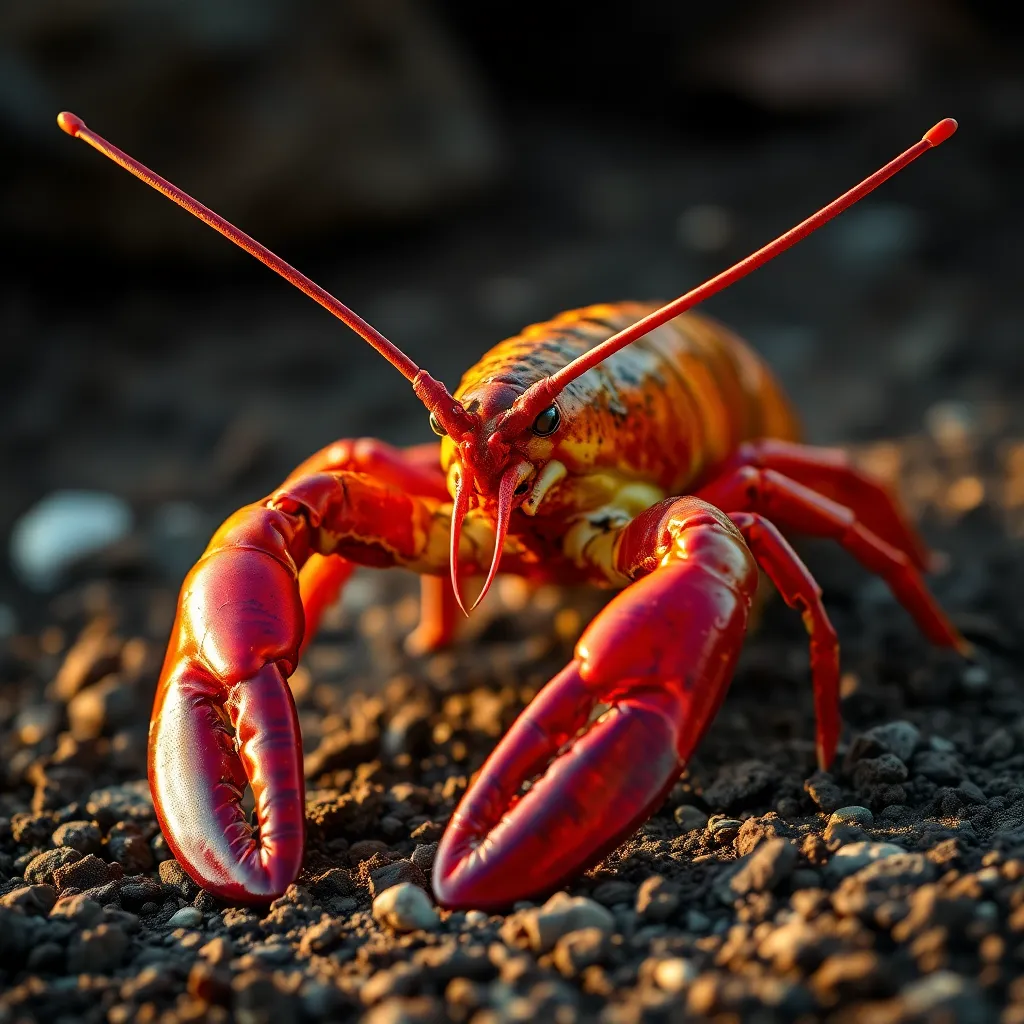
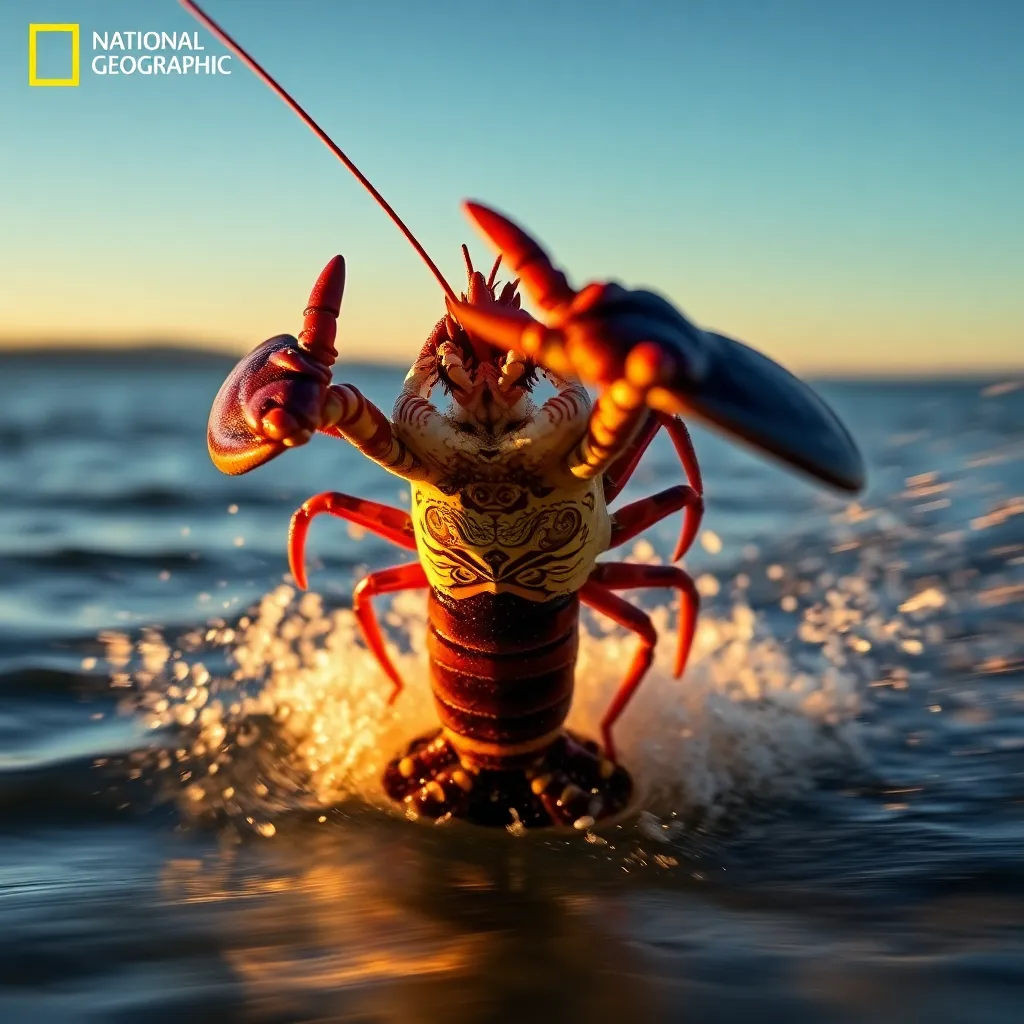
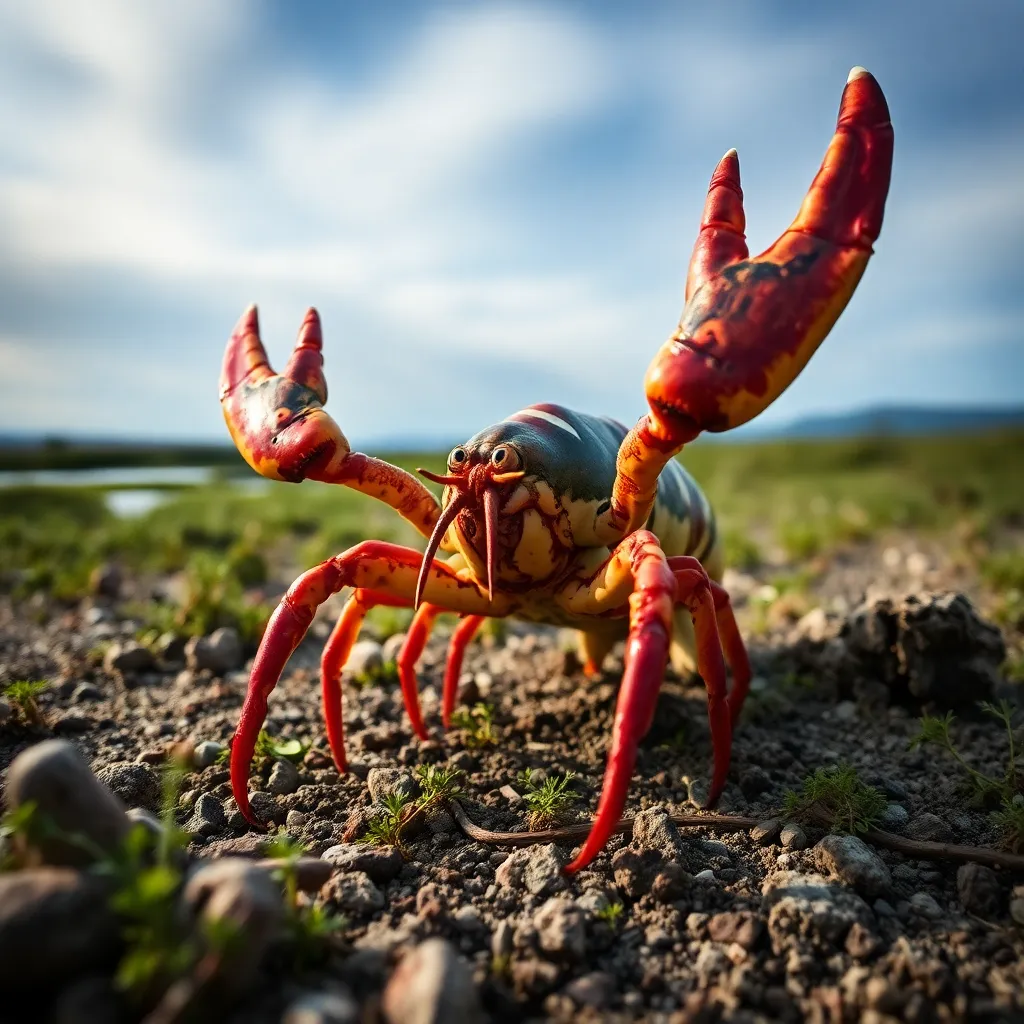
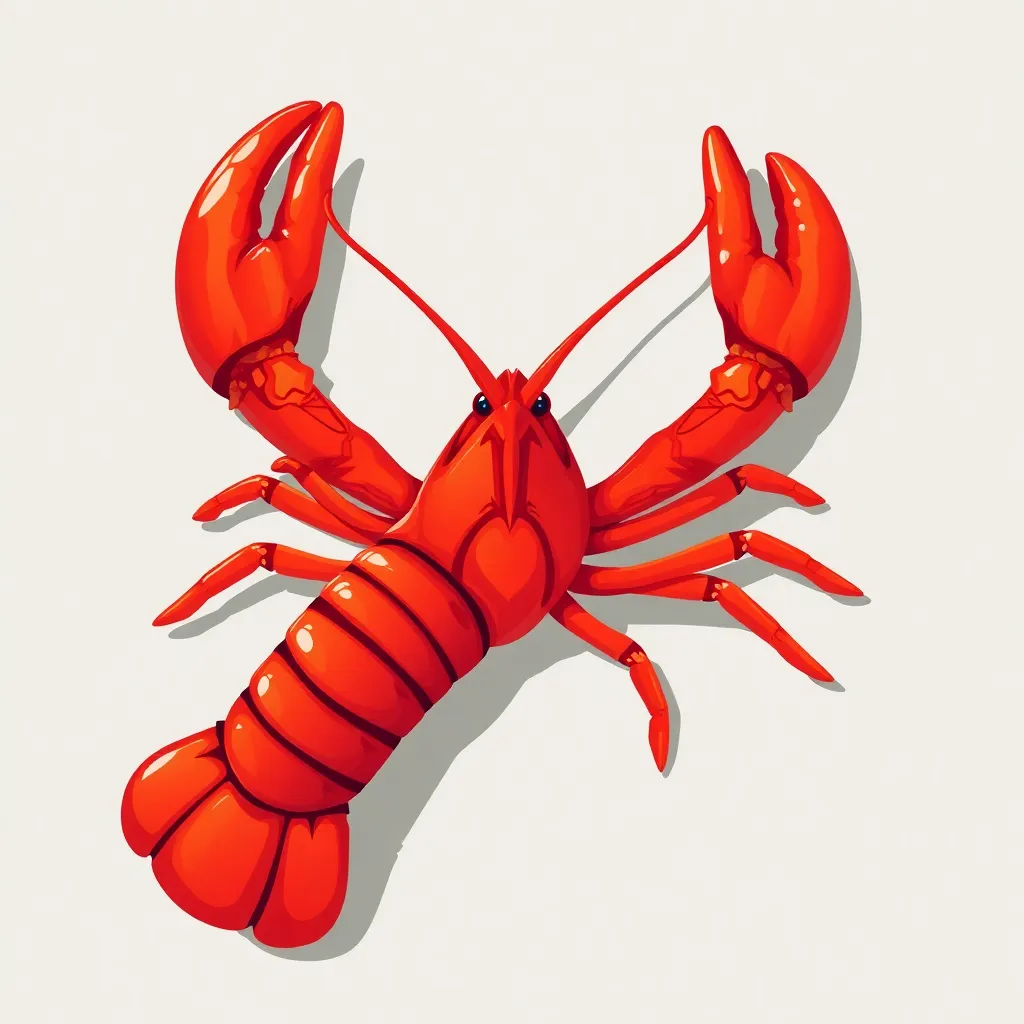
The American lobster is one of the largest crustaceans in the world and a keystone species of the North Atlantic seafloor ecosystem. Remarkably, lobsters may show negligible senescence — they do not appear to weaken or lose fertility with age, and older lobsters are actually more fertile than younger ones. They navigate the ocean floor using a combination of chemical sensing, magnetic field detection, and memory of their home range, sometimes migrating hundreds of kilometres seasonally.
About the Lobster
Homarus americanus
Advertisement
⚡ Speed Comparison
📸 Photo Gallery
💡 Fun Facts
01
Lobsters may be biologically immortal — they show no signs of ageing (negligible senescence) and continue to grow and reproduce indefinitely, dying mainly from moulting accidents or predation.
02
The largest American lobster on record weighed 20.1 kg and was caught off Nova Scotia — roughly the weight of a toddler.
03
Lobsters chew with a stomach, not a mouth — they have a gastric mill with tooth-like calcified plates inside their stomach for grinding food.
04
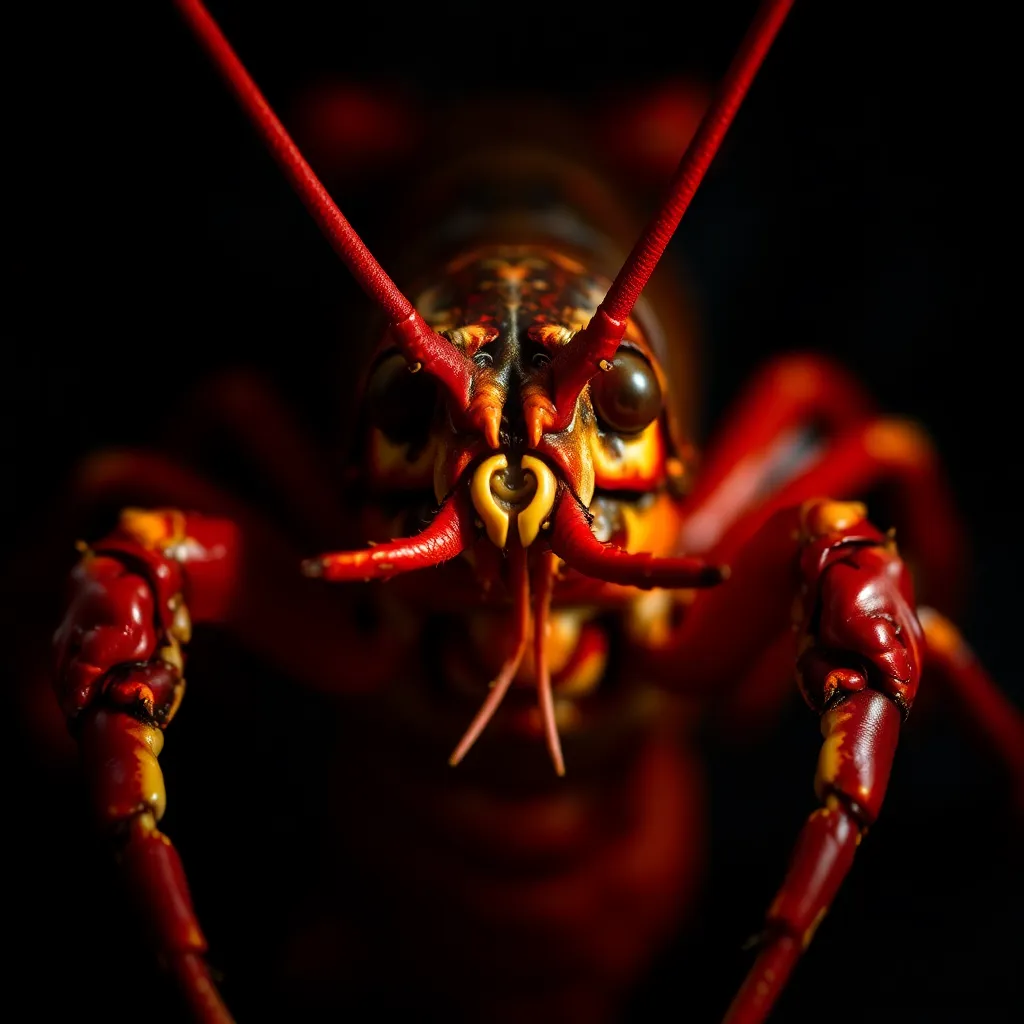
They urinate from their faces — bladders located in the head release pheromone-laced urine through openings near the antennae to signal dominance or mating readiness.
05
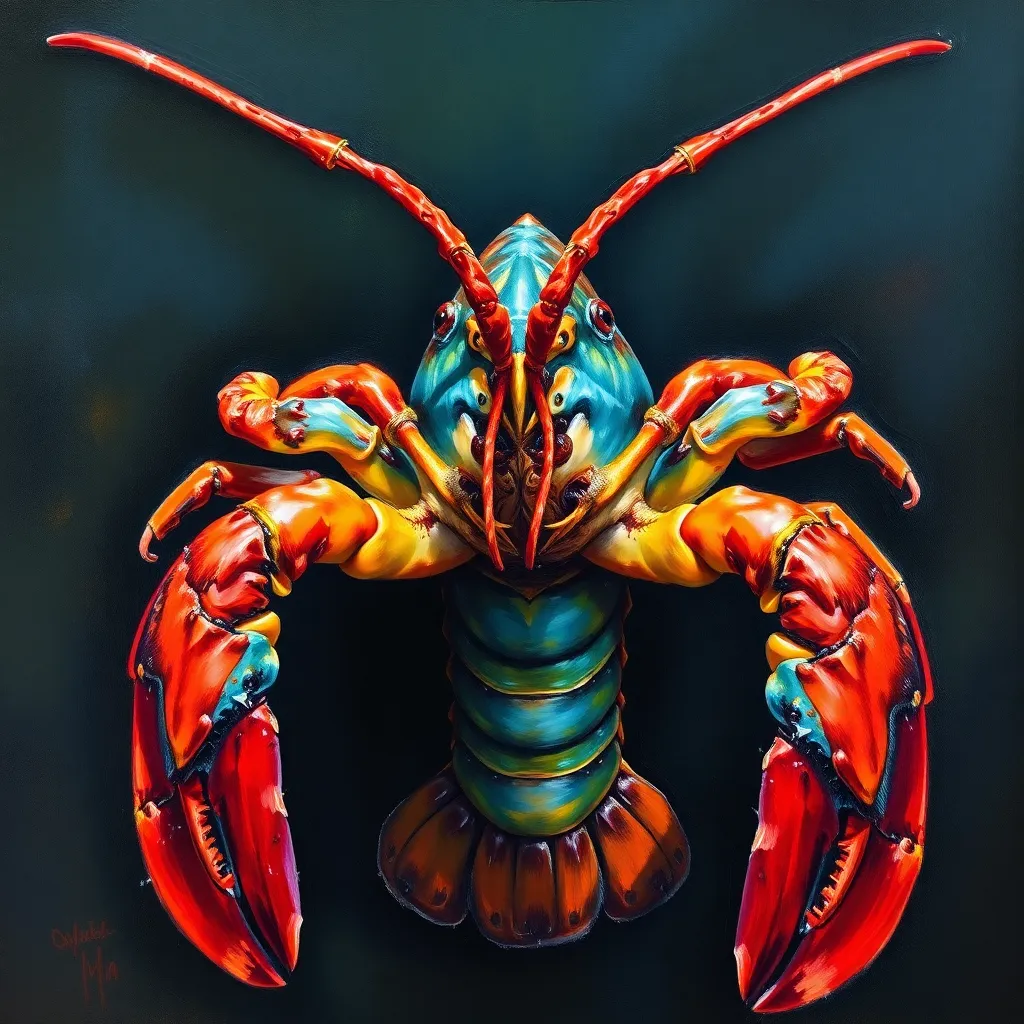
Before colour photography, many people believed lobsters were blue — they only turn the familiar red when their shell protein (crustacyanin) denatures during cooking.
📍 Where to Find This Animal
Habitat Types:
Rocky Seafloor
🛒 Lobster Related Gear
As an Amazon Associate we earn from qualifying purchases.

Join the Conversation
Share your thoughts about the Lobster