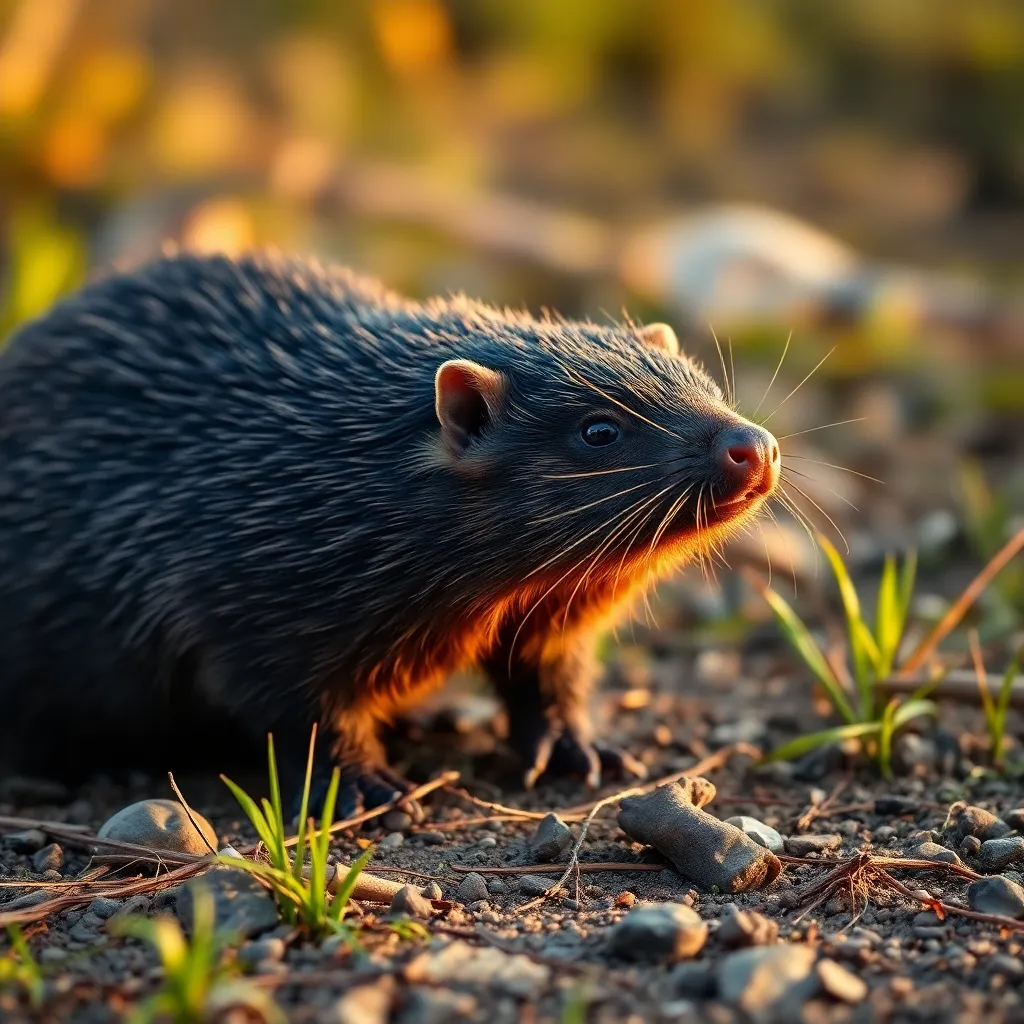
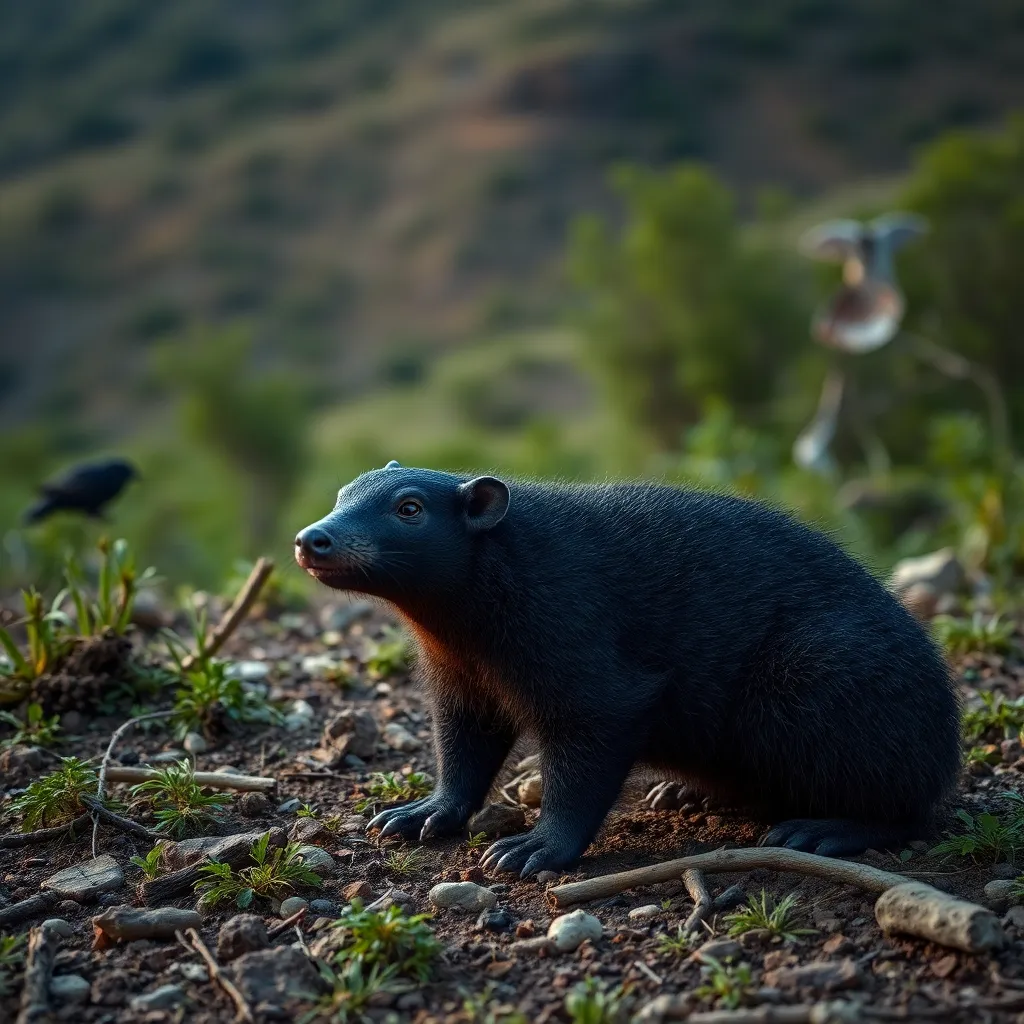
The European mole is a subterranean insectivore that spends virtually its entire life underground, excavating an elaborate network of tunnels that can extend over 200 meters. Its broad, shovel-like forelimbs are rotated outward with an extra thumb-like sesamoid bone that dramatically increases digging surface area. Moles have a remarkable adaptation in their blood — a unique form of hemoglobin that can recycle carbon dioxide, allowing them to breathe the oxygen-poor air of deep soil tunnels without suffocating.
About the Mole
Talpa europaea
Advertisement
⚡ Speed Comparison
📸 Photo Gallery



💡 Fun Facts
01
A mole can dig a new tunnel at a rate of 20 meters per hour, excavating up to 6 kg of soil in a single day relative to its tiny body size.
02
Moles have a unique hemoglobin variant that recycles carbon dioxide, allowing them to tolerate the high CO2 levels of deep underground air.
03
They possess a specialized extra 'thumb' — the pre-pollux, a sesamoid bone — that effectively gives them a six-fingered hand for powerful digging.
04
Moles paralyze earthworms with a toxic saliva, then store them alive in underground larders; some caches contain over 400 immobilized worms.
05
Despite being nearly blind, moles have a star-nosed relative (Condylura cristata) with 22 pink tentacles on its nose containing more sensory neurons per cm² than any known mammal organ.
📍 Where to Find This Animal
Habitat Types:
Temperate Grasslands & Woodland
🛒 Mole Related Gear
As an Amazon Associate we earn from qualifying purchases.





Join the Conversation
Share your thoughts about the Mole