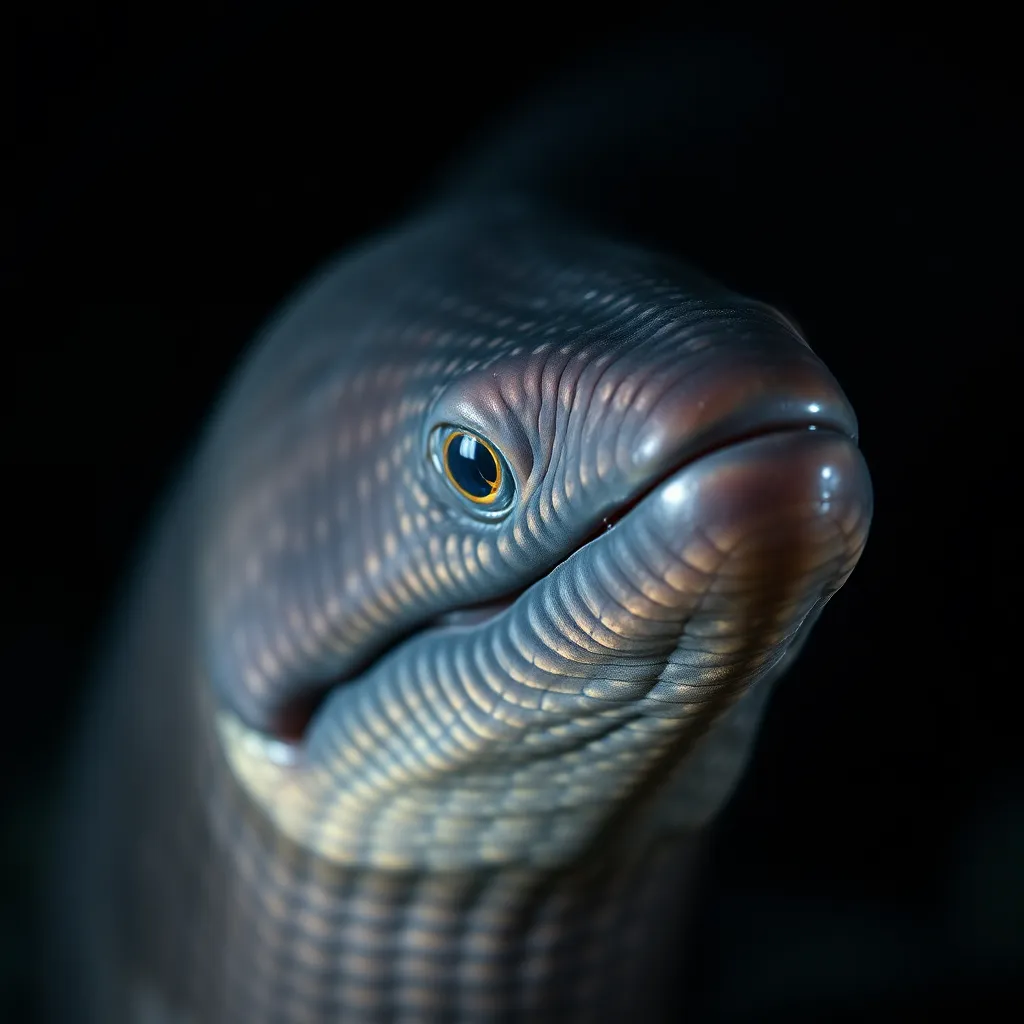
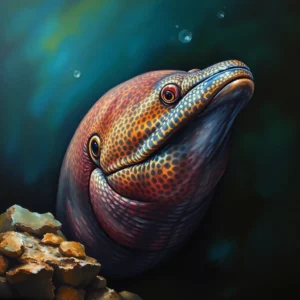
The giant moray eel is the largest of its family, lurking within the crevices of coral reefs across the Indo-Pacific. Despite their fearsome reputation, morays are generally shy creatures that only bite when threatened or provoked. They play a vital role in reef ecosystems by controlling fish and invertebrate populations.
About the Moray Eel
Gymnothorax javanicus
Advertisement
⚡ Speed Comparison
📸 Photo Gallery
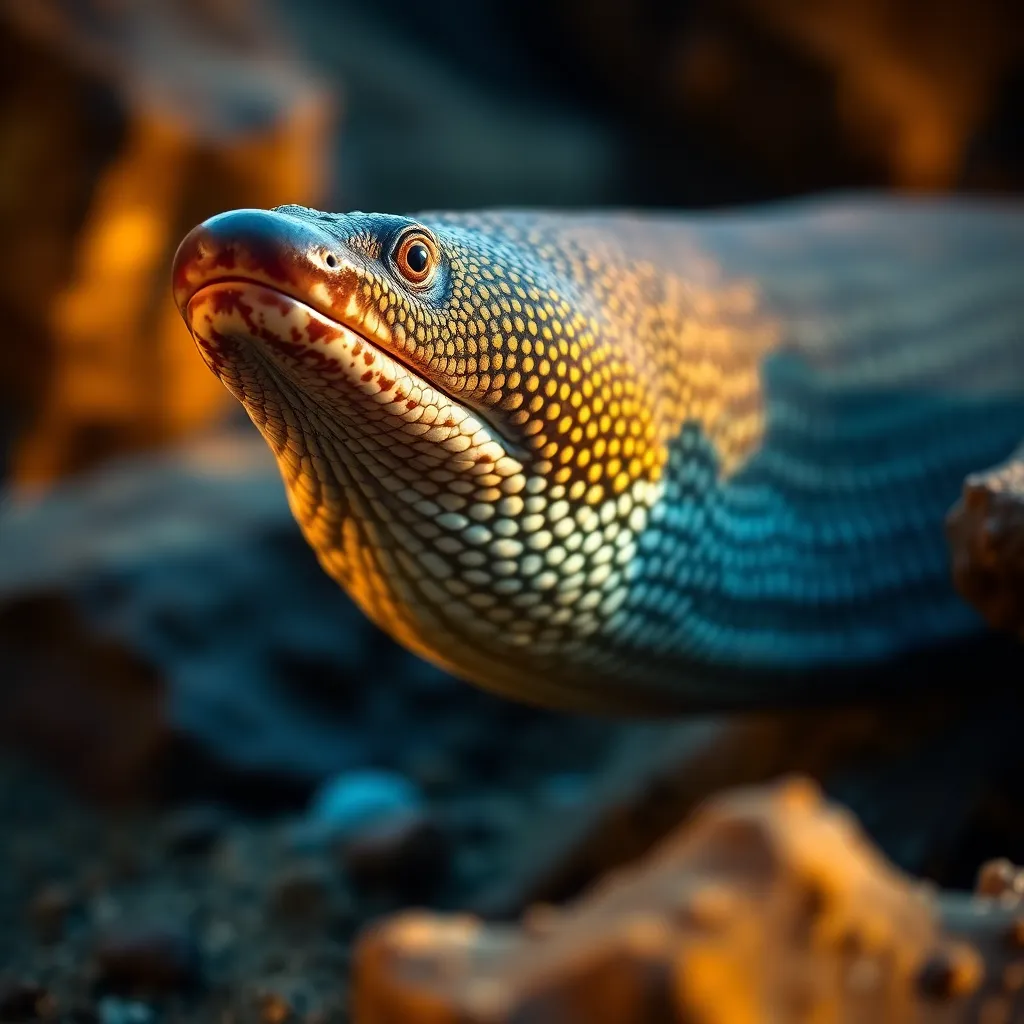
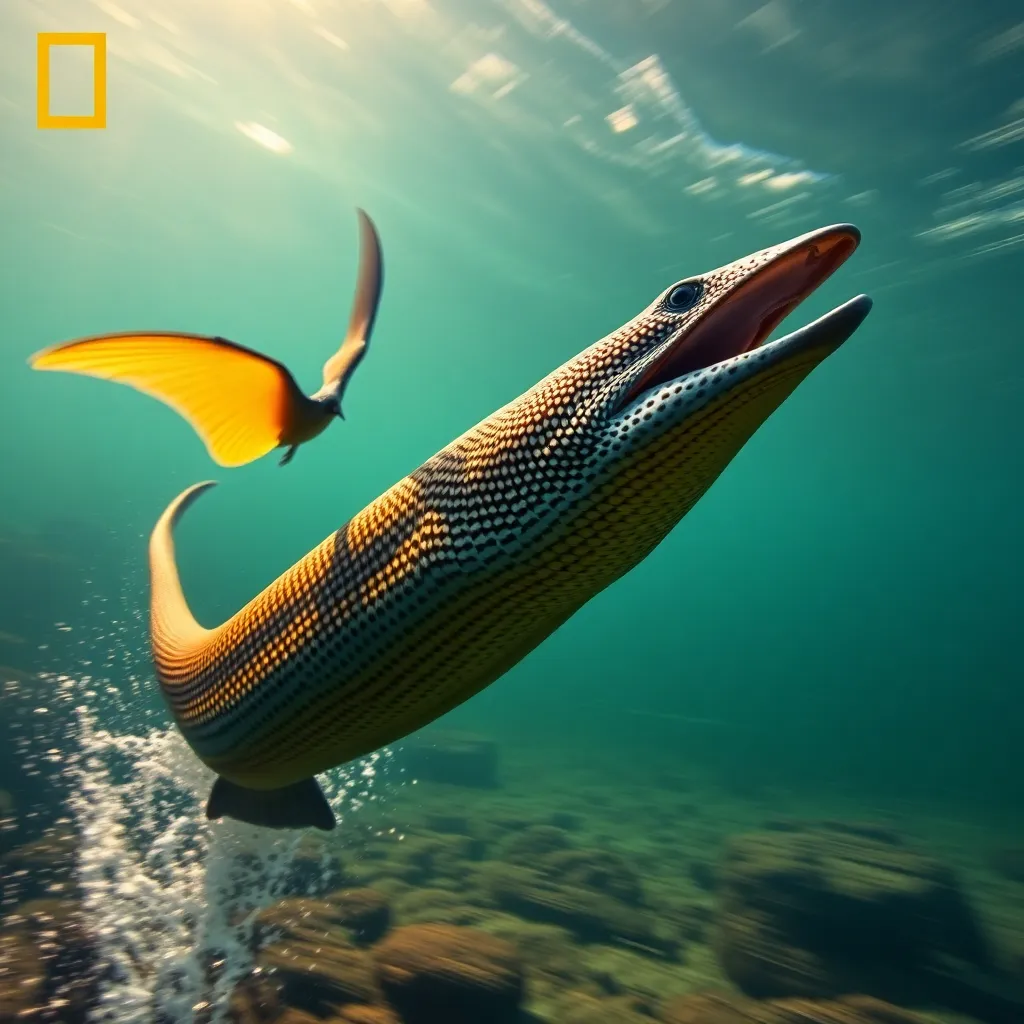
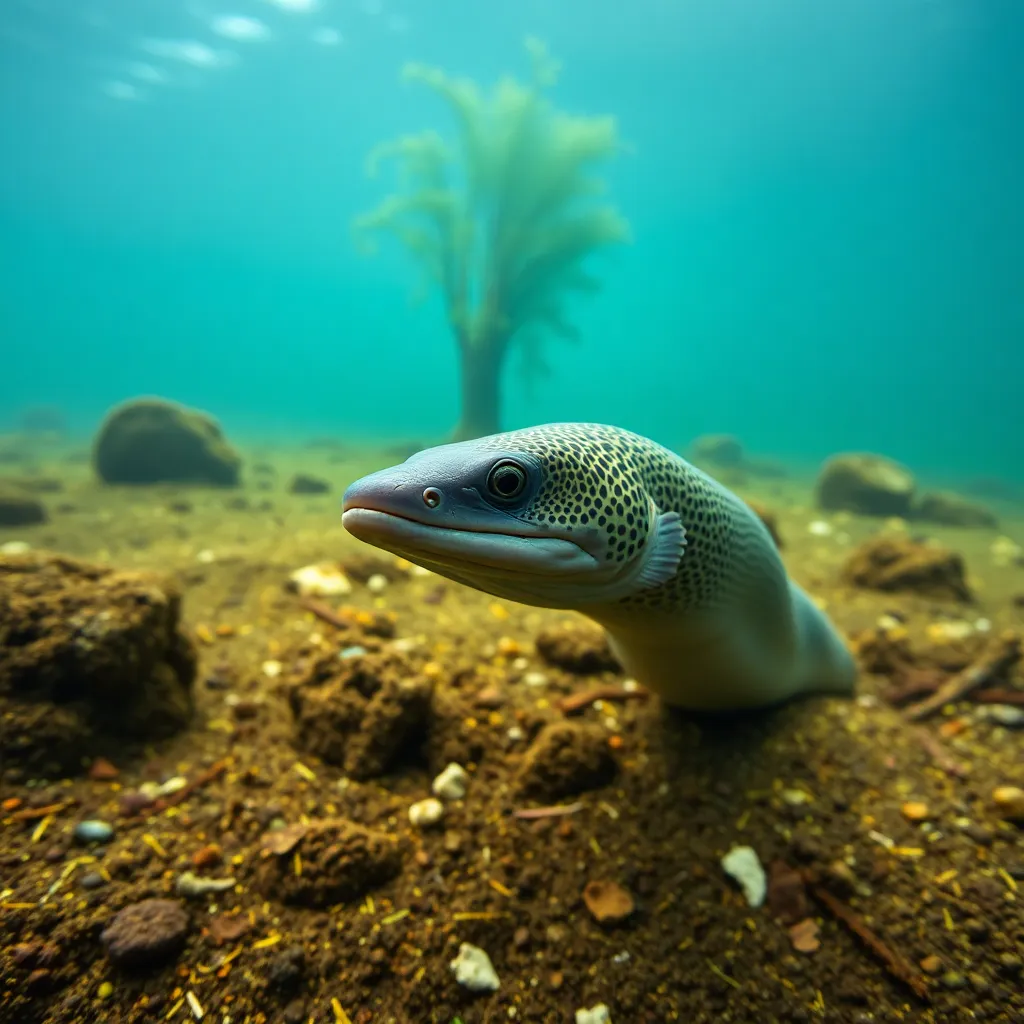
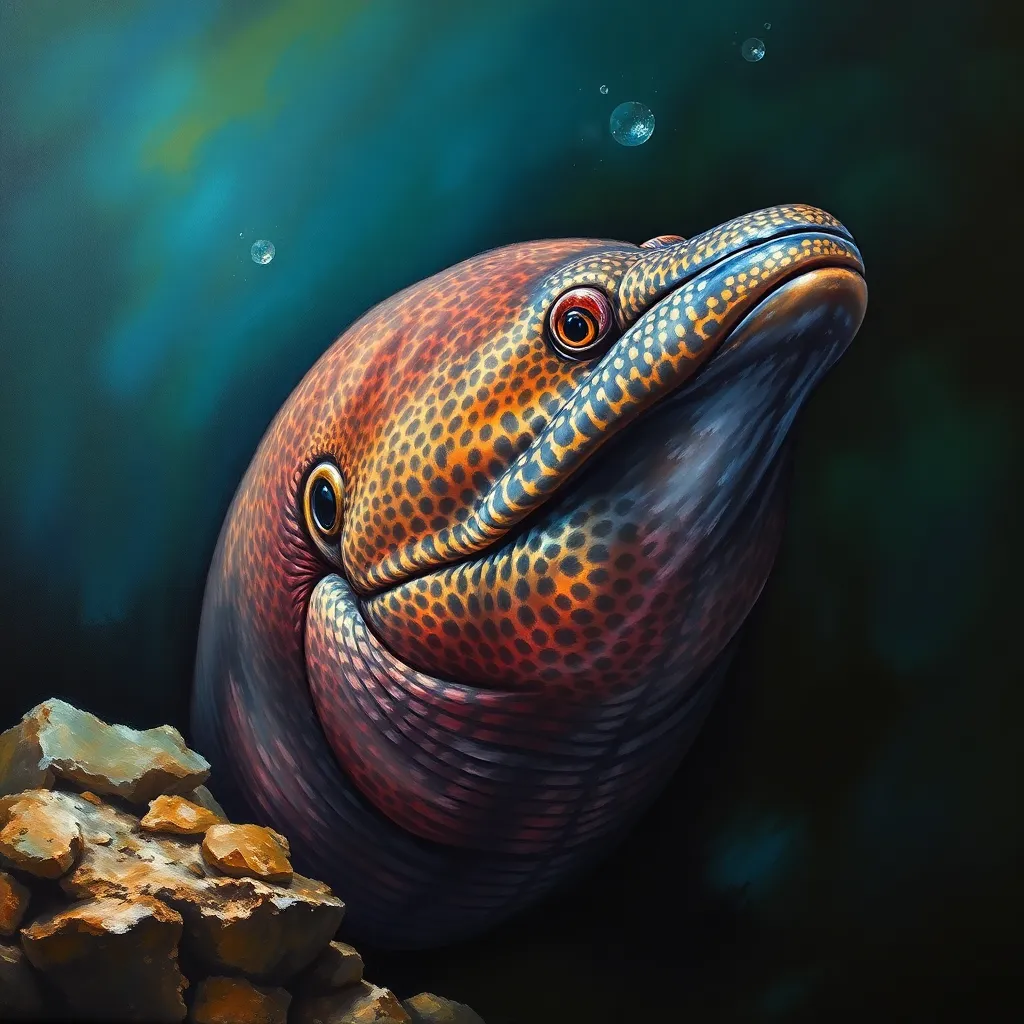
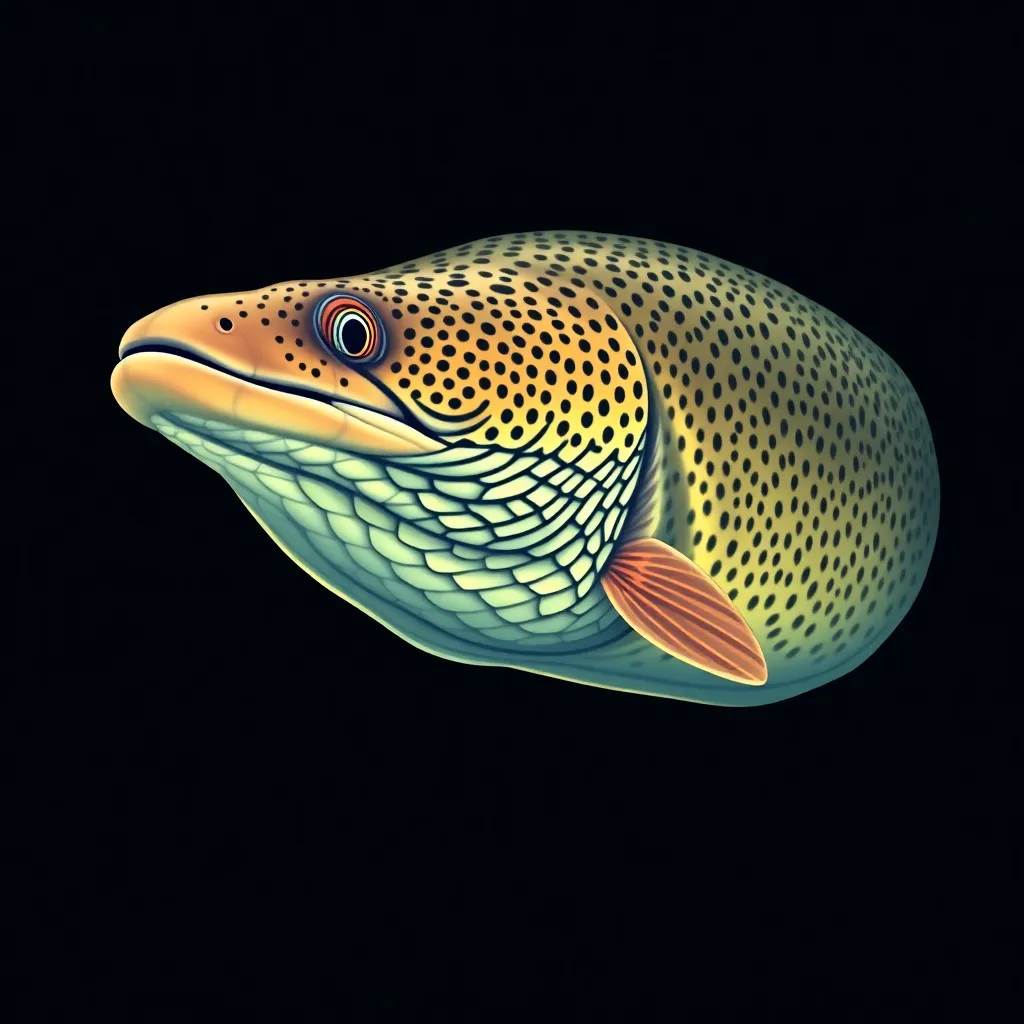
💡 Fun Facts
01
Moray eels have a second set of jaws called pharyngeal jaws that shoot forward into the mouth to grab and pull prey inward — the only vertebrate known to use pharyngeal jaws for prey capture.
02
Their skin lacks scales; instead it is covered in thick, mucus-coated skin that can be toxic in some species.
03
Morays breathe by constantly opening and closing their mouths to pump water over their gills, which often looks like an aggressive gape.
04
They have been observed cooperating with grouper fish to hunt — the grouper signals where prey is hiding and the eel flushes it out.
05
Some moray species can secrete ciguatoxin from their skin, making them dangerous to eat even when fully cooked.
📍 Where to Find This Animal
Habitat Types:
Coral Reef
🛒 Moray Eel Related Gear
As an Amazon Associate we earn from qualifying purchases.

Join the Conversation
Share your thoughts about the Moray Eel