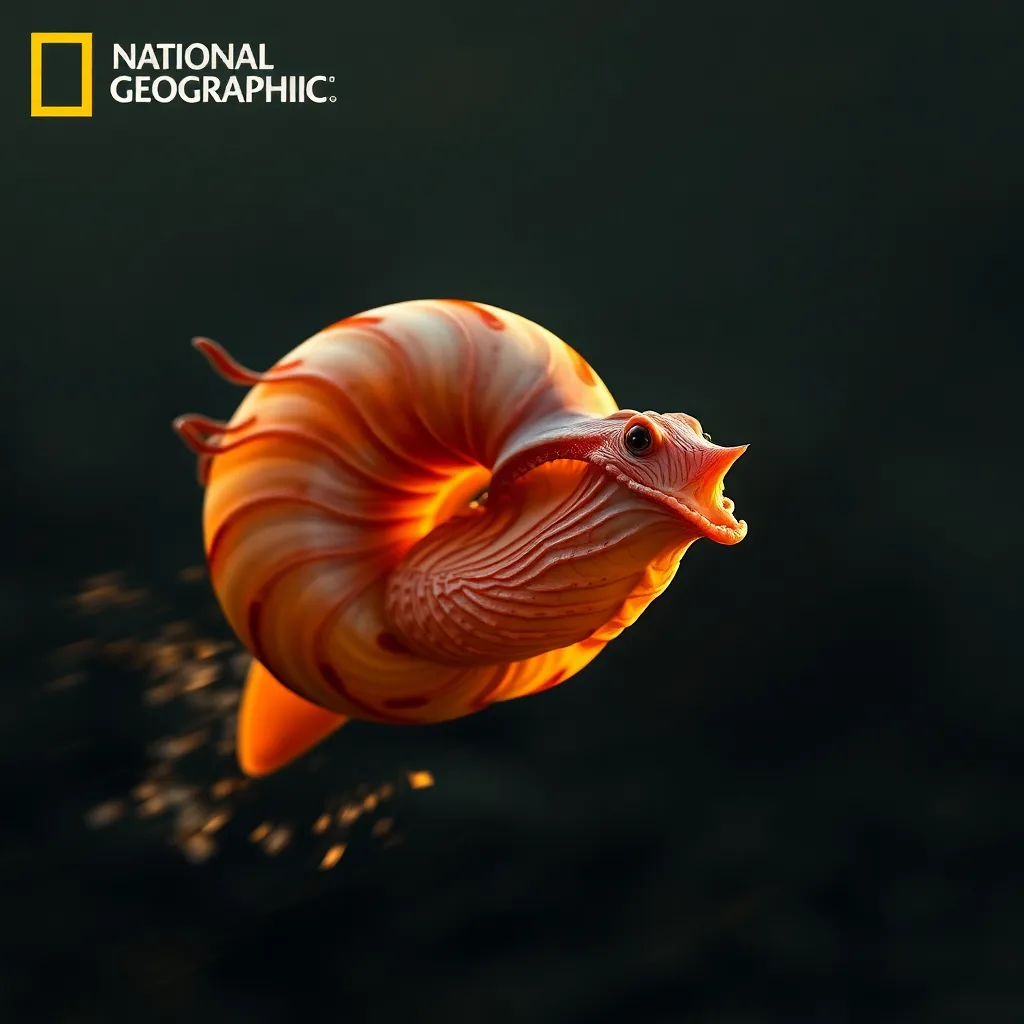
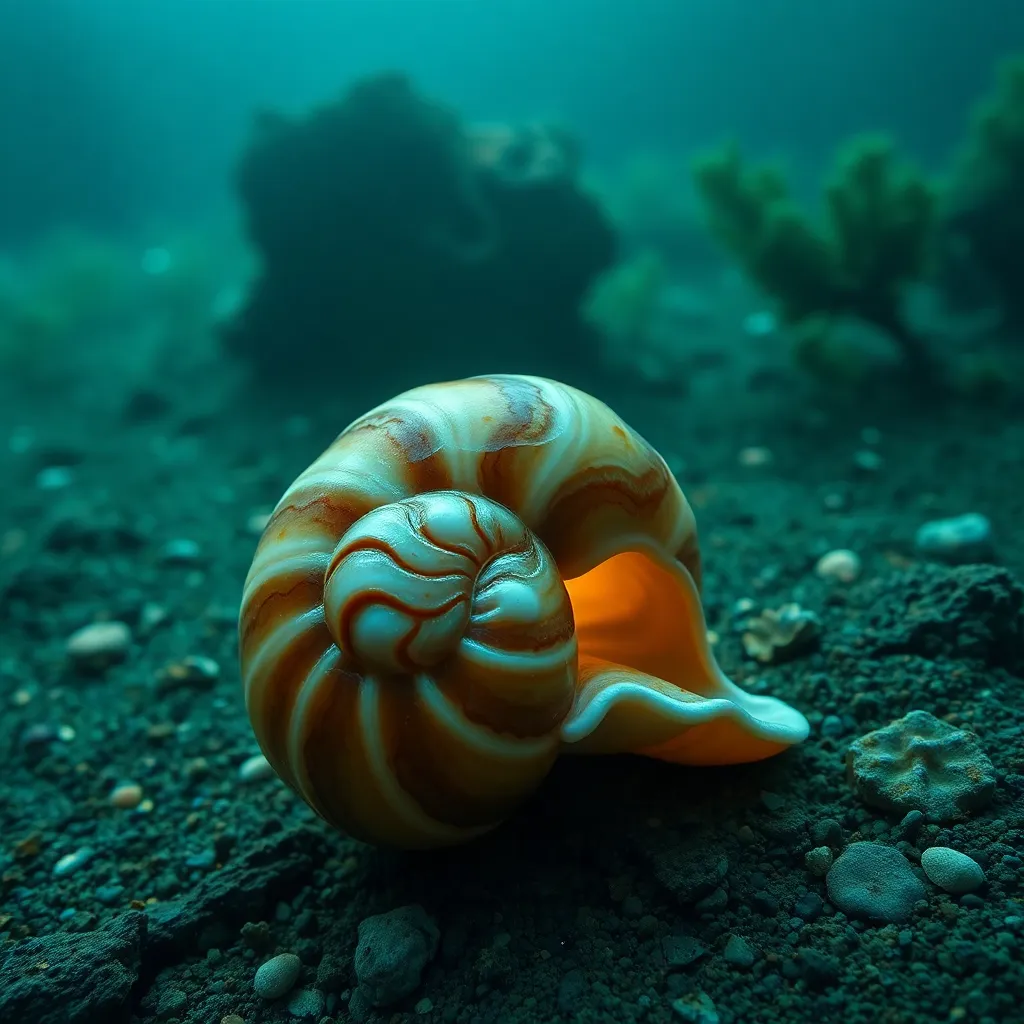
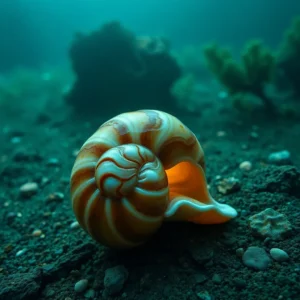
The chambered nautilus is often called a ‘living fossil’ — it has remained nearly unchanged for over 500 million years while countless other species evolved and went extinct around it. Its beautiful logarithmically spiraling shell is partitioned into gas-filled chambers that provide buoyancy control rivaling a submarine’s ballast system. Unlike their cephalopod cousins the squid and octopus, nautiluses lack ink sacs and have up to 90 tentacles without suckers, relying on chemical scent to find food in deep, dark reef waters.
About the Nautilus
Nautilus pompilius
Advertisement
⚡ Speed Comparison
📸 Photo Gallery

💡 Fun Facts
01
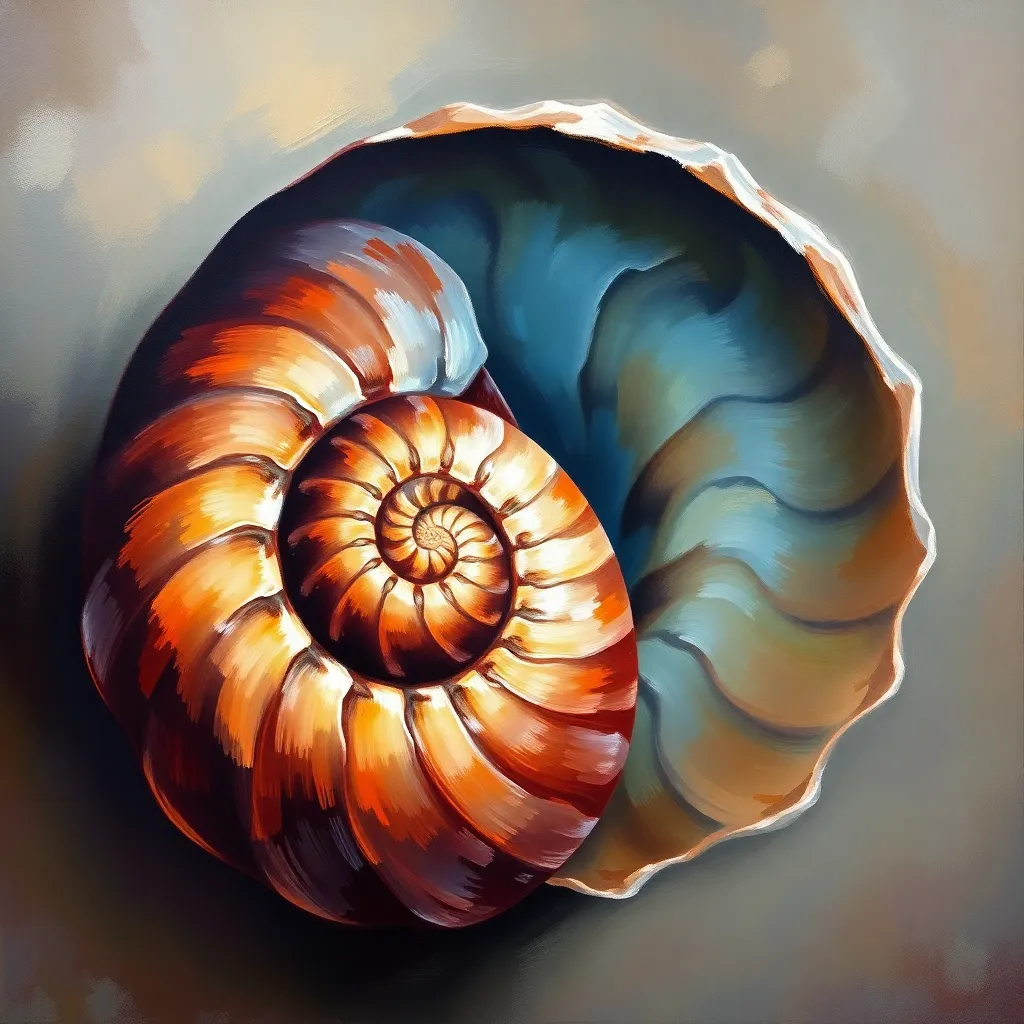
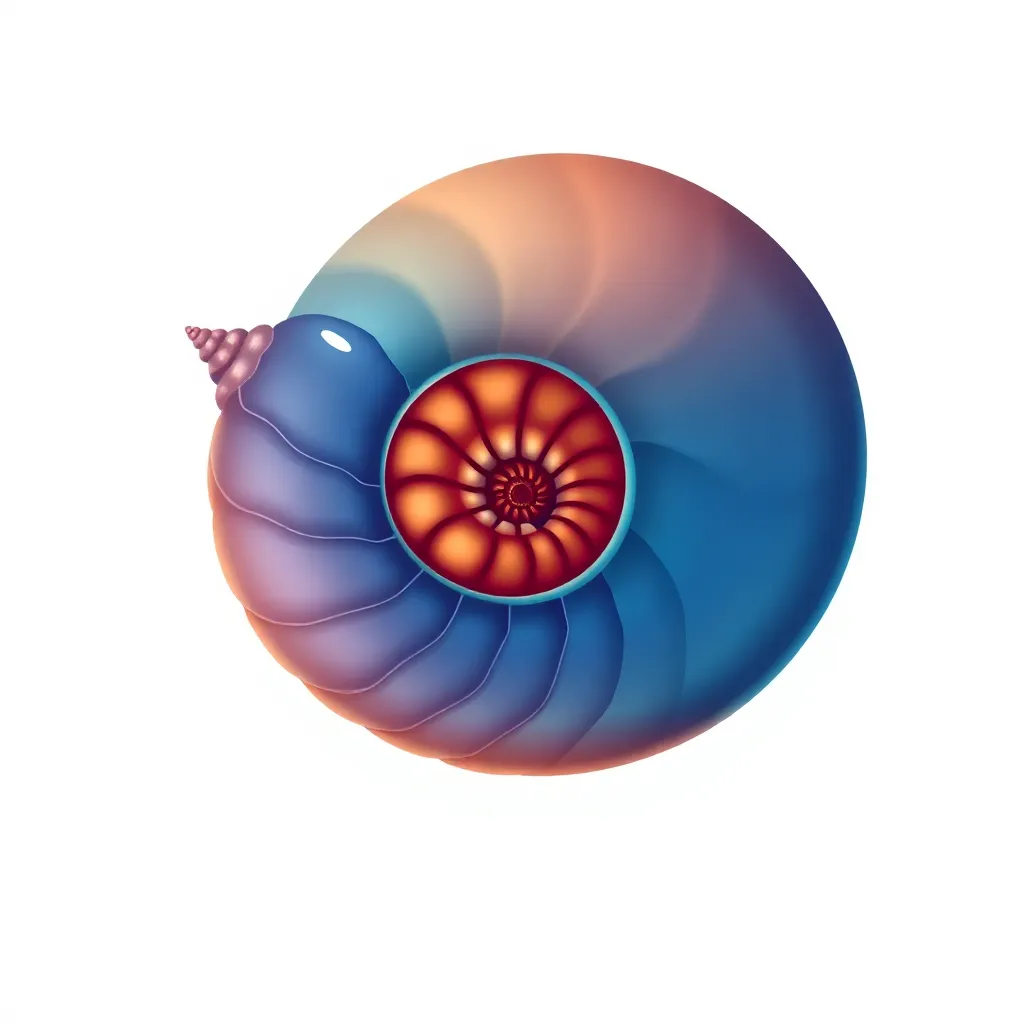
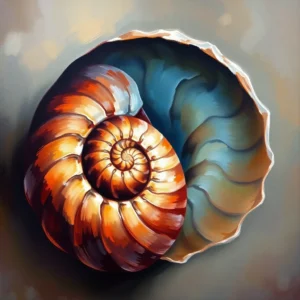
Nautilus shells grow in a logarithmic spiral — a mathematically perfect golden ratio spiral found throughout nature, from galaxies to sunflowers.
02
Nautiluses have survived five mass extinction events, including the event that wiped out the dinosaurs 66 million years ago.
03
Their eyes have no lens — they function as pinhole cameras, the simplest possible eye design, yet still allow basic light and shadow detection.
04
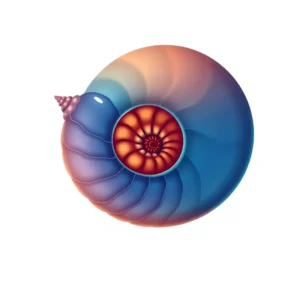
A nautilus adds new shell chambers throughout its life as it grows, always living in the outermost chamber while flooding inner ones with gas for buoyancy.
05
Nautilus shell iridescence comes from thin-film interference in the nacre (mother-of-pearl) lining — the same optical effect seen in soap bubbles.
📍 Where to Find This Animal
Habitat Types:
Tropical Indo-Pacific Reef Slopes
🛒 Nautilus Related Gear
As an Amazon Associate we earn from qualifying purchases.


Join the Conversation
Share your thoughts about the Nautilus