Loading Wildlife…

Delphinidae

THE

ORCA

Apex Predator of the Oceans

Orcinus orca

Global
CLASS Mammalia FAMILY Delphinidae GENUS Orcinus
56 km/h
Top Speed
⚖️
3,600–5,400 kg
Max Weight
📏
5.5–9.7 m
Body Length
🕰️
50–90 years
Lifespan
🍖
Carnivore
Diet Type

IUCN Red List — Where this species stands

LC Least Concern
NT Near Threatened
VU Vulnerable
EN Endangered
CR Critical
EW Extinct Wild
EX Extinct

About the Orca

Orcinus orca

Advertisement

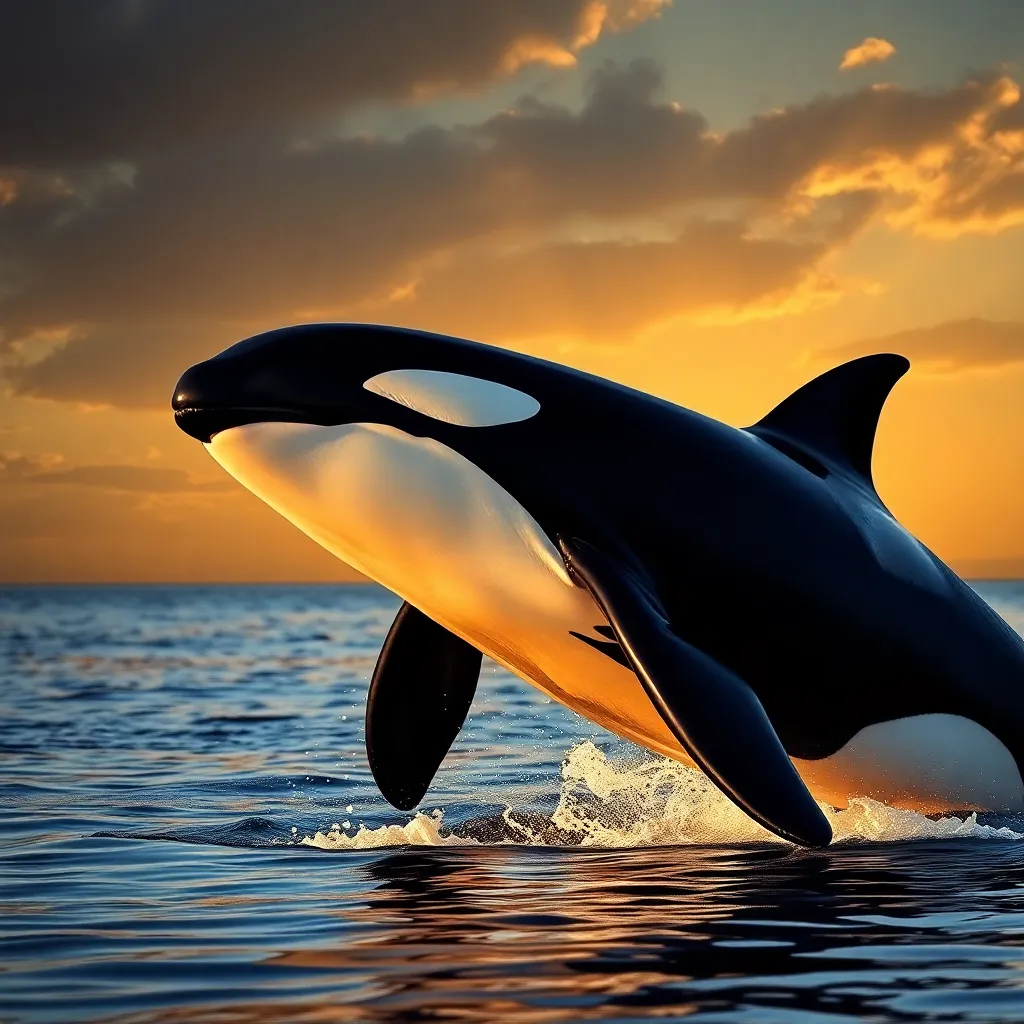
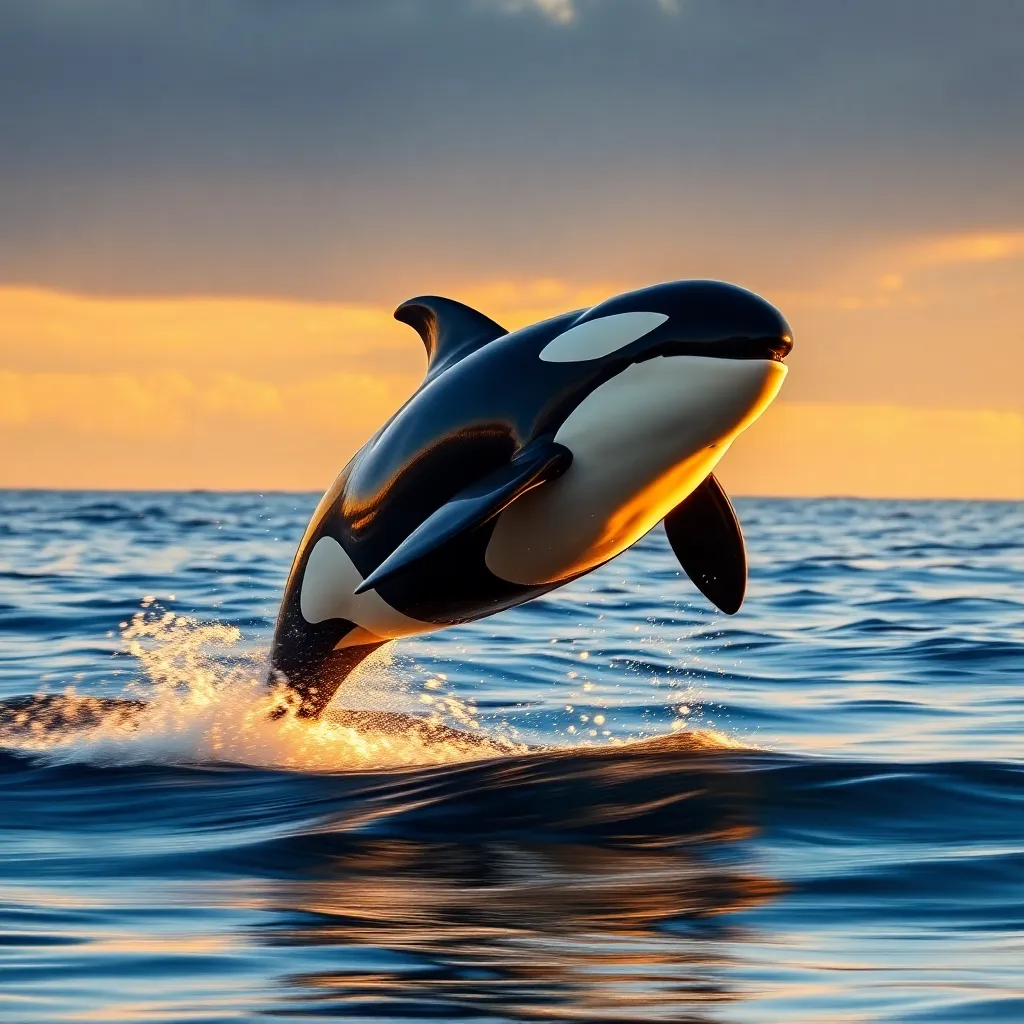
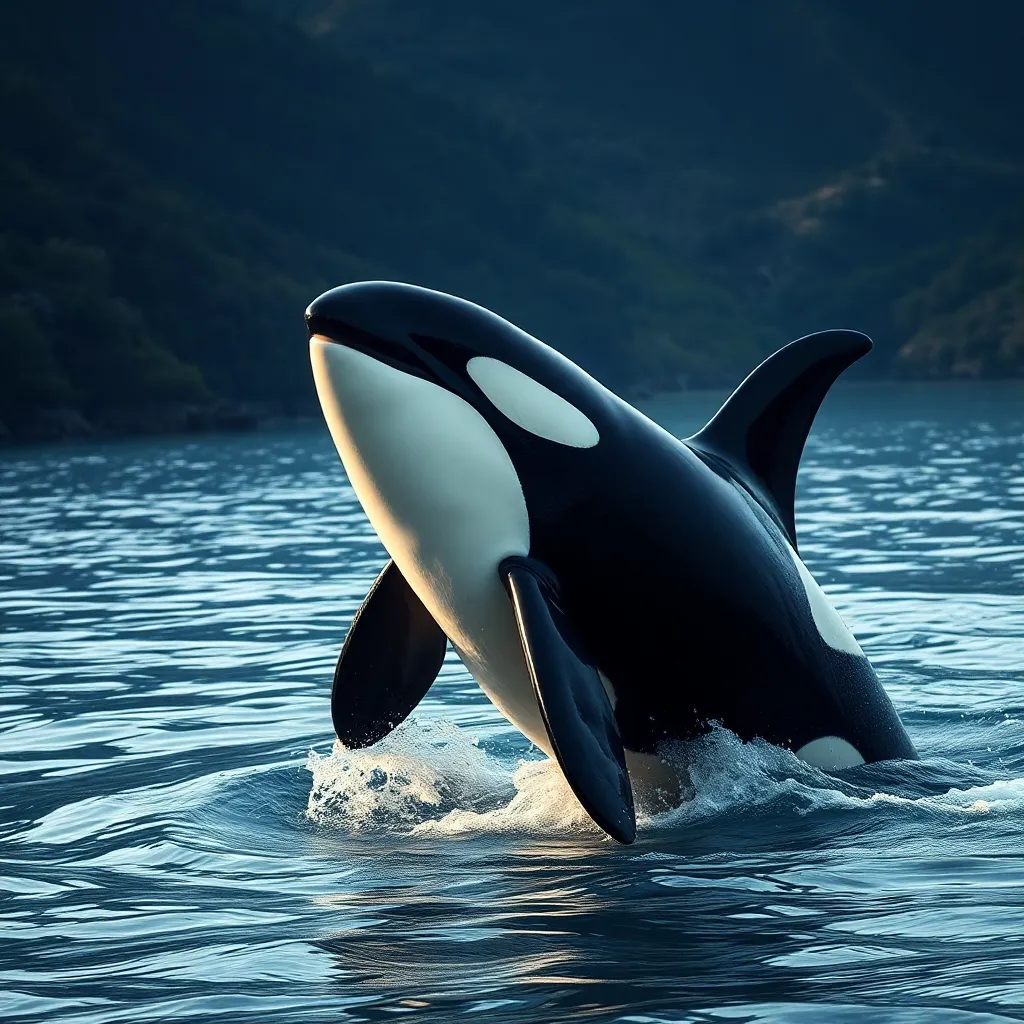
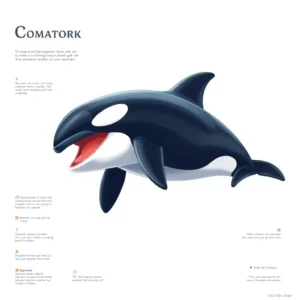
The orca, or killer whale, is the largest member of the dolphin family and the ocean’s undisputed apex predator. Found in every ocean from the Arctic to the Antarctic, orcas live in complex, matrilineal social groups called pods, each with its own dialect of clicks and calls passed down through generations. Their sophisticated cooperative hunting strategies — including wave-washing seals off ice floes and herding fish into bait balls — rank among the most advanced in the animal kingdom.

⚡ Speed Comparison

Human
12 km/h
Car (city)
50 km/h
Horse
54 km/h
Orca
56 km/h

💡 Fun Facts

01

Orca pods have distinct vocal dialects passed down through generations, functioning as cultural identities that researchers can use to identify specific family groups.

02

Female orcas undergo menopause and can live for decades post-reproduction, one of only five known species to do so, likely to serve as experienced matriarchal guides.

03

Orcas have been documented teaching their calves to intentionally beach themselves to catch sea lions — a high-risk technique taught over months of supervised practice.

04

Different orca ecotypes in the same ocean do not interbreed and have dietary, cultural, and physical differences so distinct that some scientists argue they represent separate species.

05

An orca's brain has a developed paralimbic lobe not found in humans, suggesting a capacity for complex emotional processing tied to their rich social lives.

Unlock Expert Wildlife Facts

Watch a short 15-second video to unlock detailed expert analysis, exclusive wildlife photography, and rare behavioral facts.

📍 Where to Find This Animal

🛒 Orca Related Gear

As an Amazon Associate we earn from qualifying purchases.
🗨️

Join the Conversation

Share your thoughts about the Orca

✍️

Leave a Comment

Your email address will not be published. Required fields are marked *

How Big Is a Orca?

Side-by-side comparison with an adult human (175 cm)

🧍
Human
175 cm
🐳
Orca
65 cm
shoulder height
3,600–5,400 BODY WEIGHT
5.5–9.7 BODY LENGTH
56 TOP SPEED
50–90 LIFESPAN
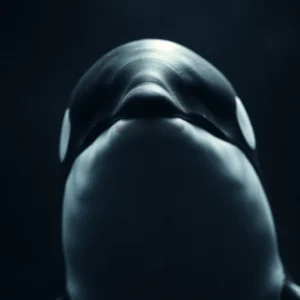
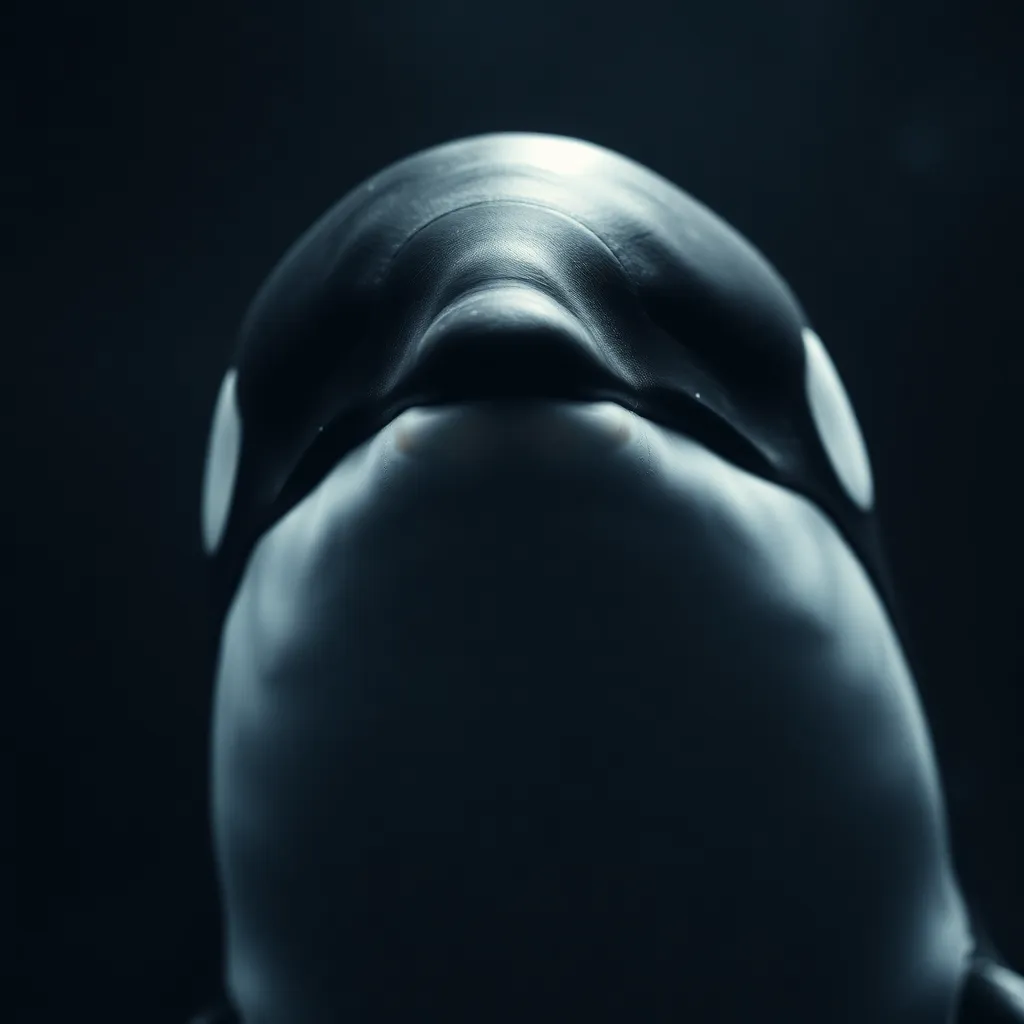
Orca close-up
Orca

SURVIVAL TOOLKIT

Built for Survival

Nature's engineering refined over millions of years

🔬 SURVIVAL TOOLKIT
Echolocation
01

Echolocation

Orcas emit focused sonar clicks through the melon in their forehead, receiving echoes through the jaw to build 3D acoustic images of prey in total darkness.

Cultural Learning
02

Cultural Learning

Hunting strategies, prey preferences, and vocal dialects are culturally transmitted from mother to offspring, creating behaviorally distinct populations.

Countercurrent Heat Exchange
03

Countercurrent Heat Exchange

Retia mirabilia — networks of interlaced arteries and veins — conserve body heat in cold polar waters, maintaining core temperature in near-freezing seas.

Cooperative Hunting
04

Cooperative Hunting

Pods coordinate complex multi-stage hunts using group encirclement, wave-washing, and tail-slapping to disorient and immobilize large prey.

Hydrodynamic Body
05

Hydrodynamic Body

A streamlined, torpedo-shaped body with a large dorsal fin reduces drag, enabling bursts of speed up to 56 km/h when pursuing prey.

Apex Predator of the Oceans. An extraordinary creature that reminds us what we stand to lose.

Jungal Safari · Wildlife Network
💡

Did You Know?

Orca pods have distinct vocal dialects passed down through generations, functioning as cultural identities that researchers can use to identify specific family groups.

🍖 DIET: CARNIVORE

What Does the Orca Eat?

🐟
Fish (Salmon, Herring)
🦭
Seals & Sea Lions
🐳
Whales & Dolphins
🦑
Squid
🐧
Penguins
🗺️ GEOGRAPHIC RANGE

Where Do Orcas Live?

🌍
Continents
📉
Population Trend Declining

Conservation in Action

How You Can Help the Orca

Small actions, taken together, can reverse the decline of species like this one

🌳
Protect Habitat

Support wildlife reserves and protected land corridors

🚫
Stop Poaching

Report illegal trade and back anti-poaching patrols

🔬
Fund Research

Camera-trap studies and population monitoring

🤝
Community Work

Partner with local herders to reduce conflict

📢
Raise Awareness

Educate and inspire future wildlife champions

"Without urgent action, the Orca could disappear from the wild within our lifetime."

PROTECT THEM. PRESERVE THEIR LEGACY.

The Orca's Future
Is In Our Hands

Every share, every donation, every voice raised — makes a difference for wildlife conservation.

🌳Protect Habitat
📢Raise Awareness
💰Fund Research
🤝Community Work
🚫Stop Poaching

"Protect Wildlife. Preserve Our Planet."

Every species matters. Every action counts.

Advertisement