Loading Wildlife…

Manidae CR

THE

PANGOLIN

Living Pinecone of the Forest

Manis pentadactyla

Asia
CLASS Mammalia FAMILY Manidae GENUS Manis
5 km/h
Top Speed
⚖️
3.3–7 kg
Max Weight
📏
40–58 cm
Body Length
🕰️
Up to 20 years
Lifespan
🍖
Insectivore
Diet Type

IUCN Red List — Where this species stands

LC Least Concern
NT Near Threatened
VU Vulnerable
EN Endangered
CR Critical
EW Extinct Wild
EX Extinct

About the Pangolin

Manis pentadactyla

Advertisement

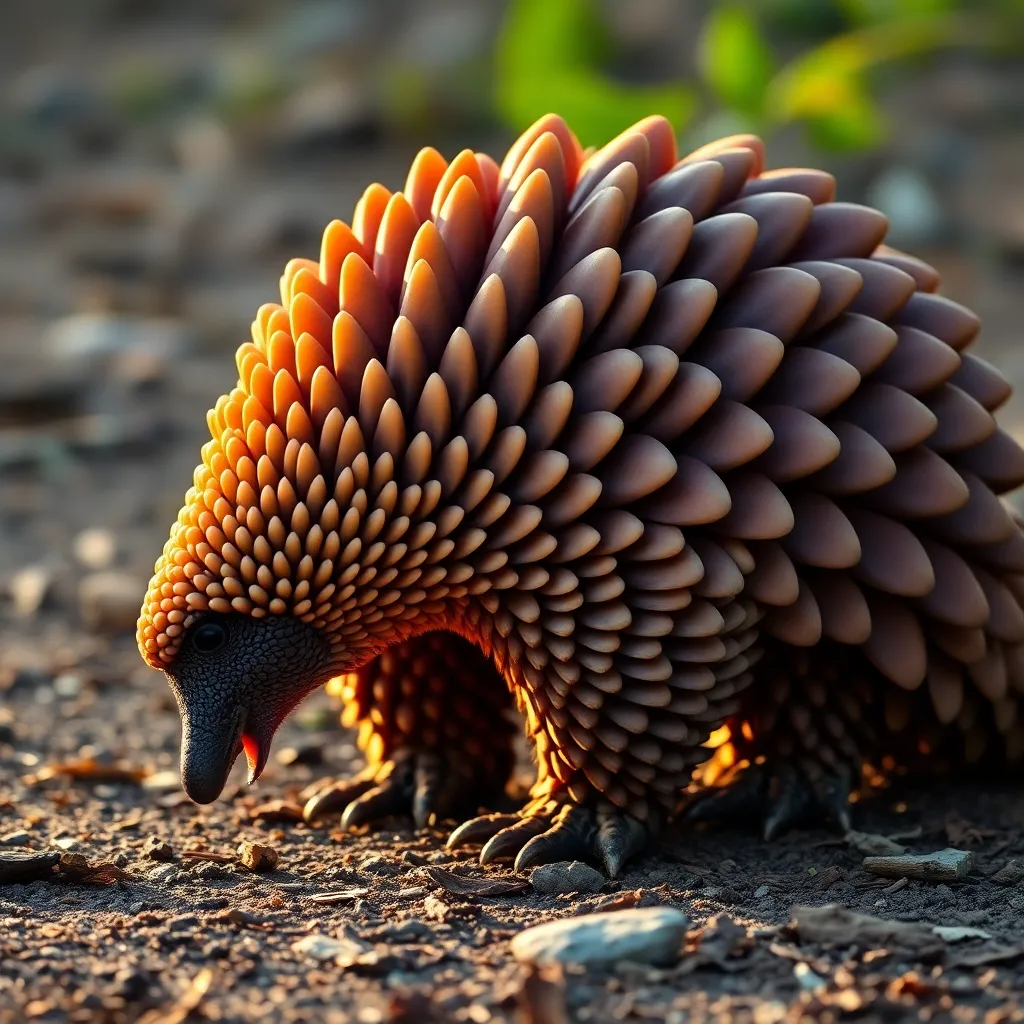
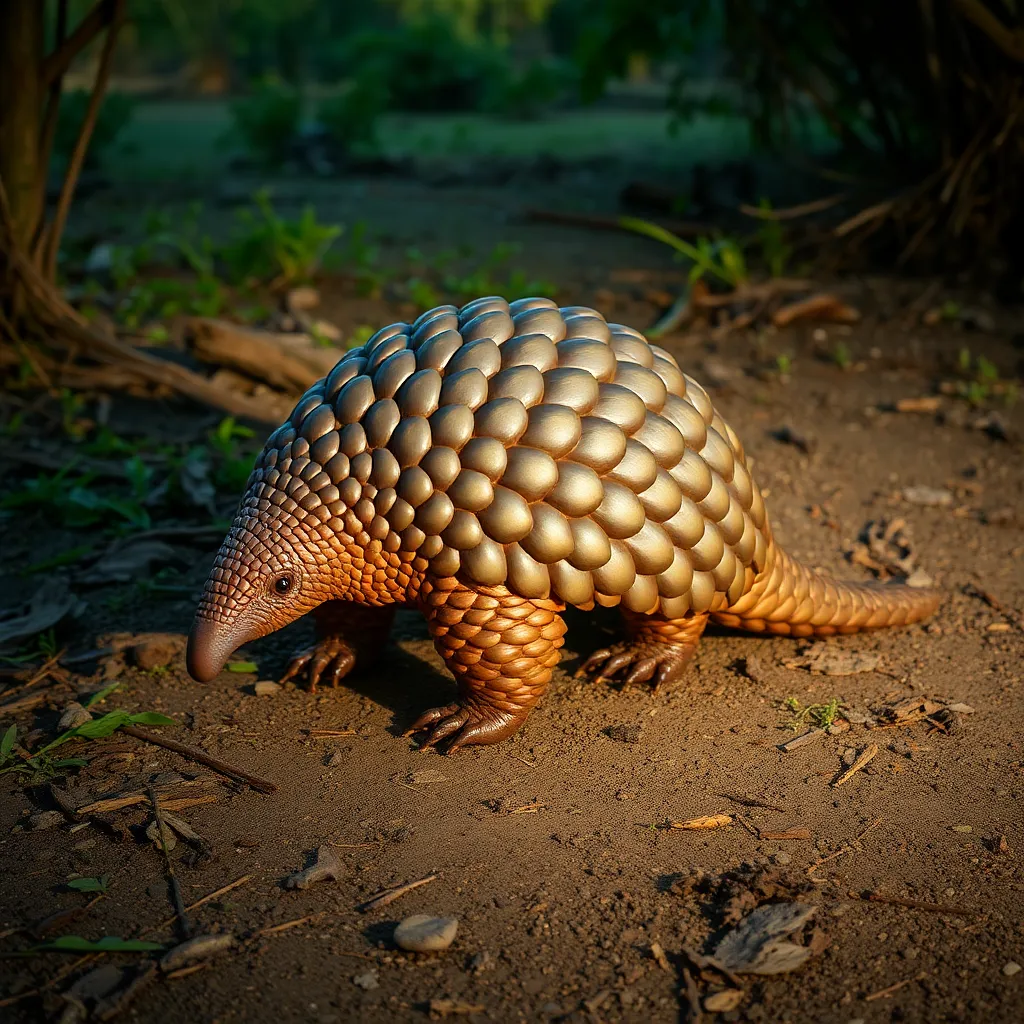
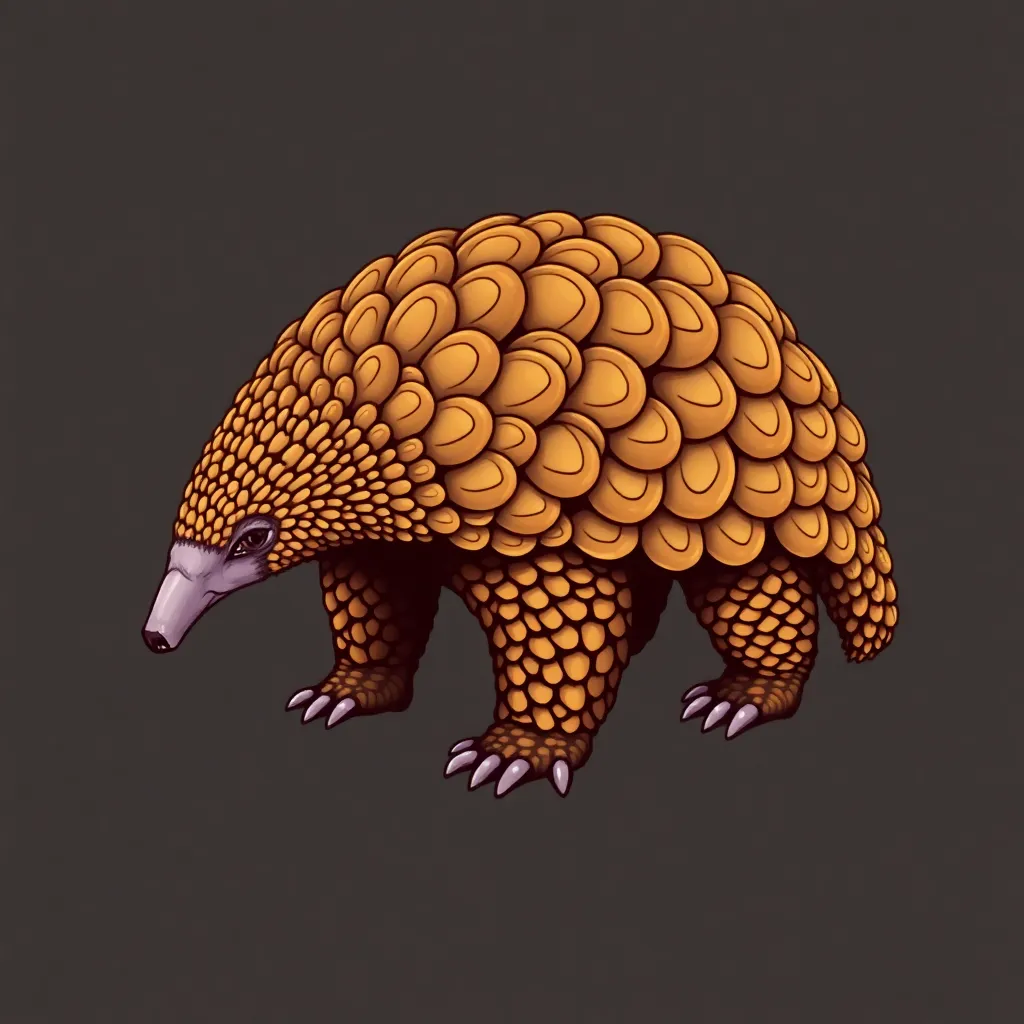
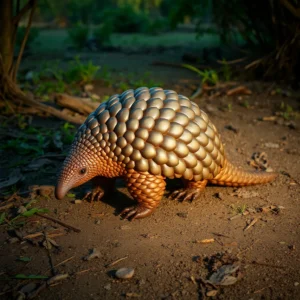
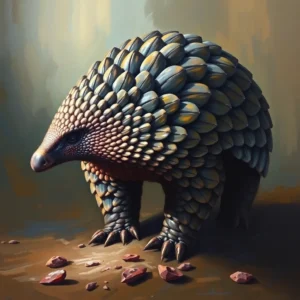
The Chinese pangolin is one of the world’s most trafficked mammals and a creature of extraordinary evolutionary uniqueness — the only mammals with a body covered in overlapping keratin scales. When threatened, pangolins curl into a nearly impenetrable ball, their scales forming armour that deters even lions. Their staggeringly long, sticky tongue, which can exceed the animal’s body length, is perfectly evolved to extract termites and ants from deep within mounds and tree bark.

⚡ Speed Comparison

Pangolin
5 km/h
Human
12 km/h
Car (city)
50 km/h
Horse
54 km/h

💡 Fun Facts

01

A pangolin's tongue is attached not to its mouth but to its pelvis, allowing it to extend up to 40 cm beyond its snout to reach deep insect galleries.

02

Pangolins have no teeth whatsoever; they swallow small stones that grind up insects in their muscular gizzard-like stomach.

03

All eight pangolin species are threatened with extinction — they are the most trafficked wild mammal on Earth, with over one million believed killed in the past decade.

04

Pangolin scales are made of keratin, the same protein as human fingernails, yet they have no proven medicinal value despite fueling massive illegal demand.

05

A mother pangolin carries her pup on her tail and curls around it completely when threatened, sacrificing herself as a living shield.

Unlock Expert Wildlife Facts

Watch a short 15-second video to unlock detailed expert analysis, exclusive wildlife photography, and rare behavioral facts.

📍 Where to Find This Animal

🛒 Pangolin Related Gear

As an Amazon Associate we earn from qualifying purchases.
🗨️

Join the Conversation

Share your thoughts about the Pangolin

✍️

Leave a Comment

Your email address will not be published. Required fields are marked *

How Big Is a Pangolin?

Side-by-side comparison with an adult human (175 cm)

🧍
Human
175 cm
🦔
Pangolin
65 cm
shoulder height
3.3–7 BODY WEIGHT
40–58 BODY LENGTH
5 TOP SPEED
Up LIFESPAN
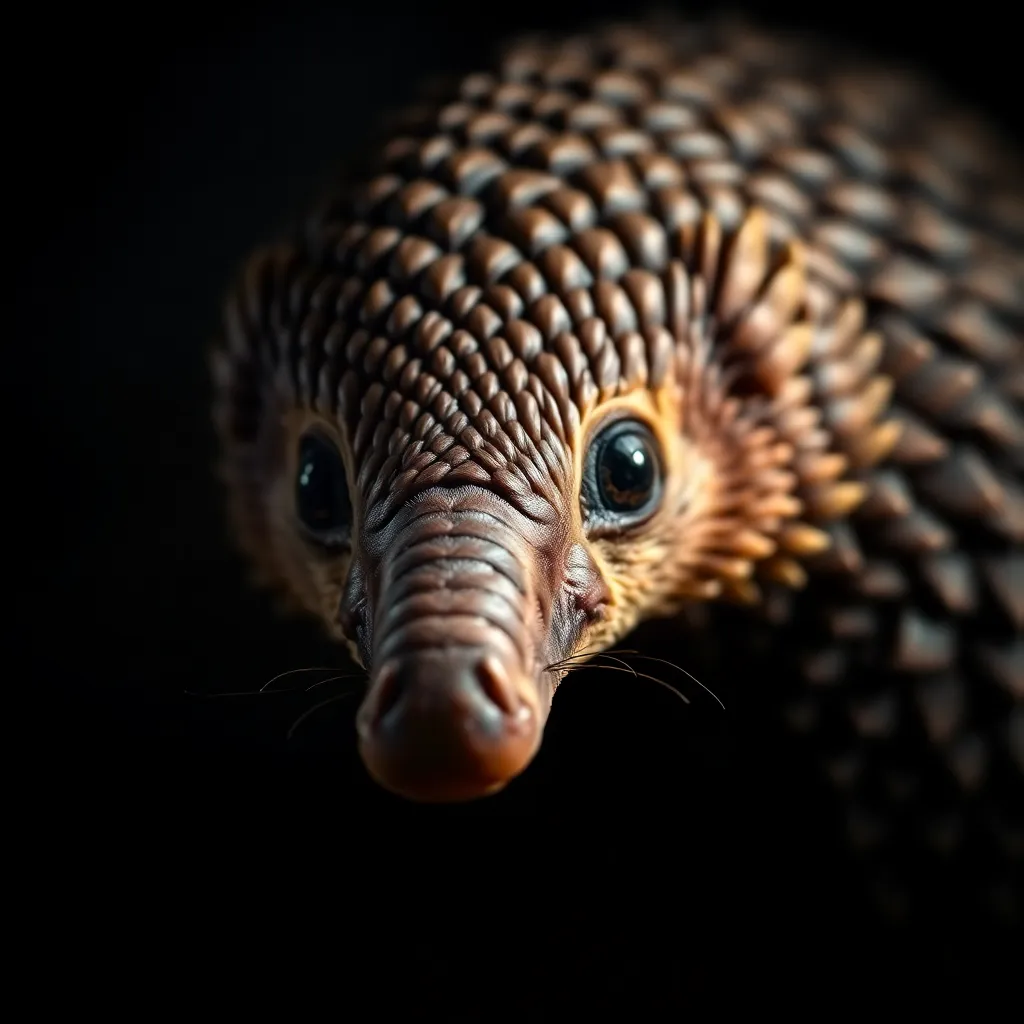
Pangolin close-up
Pangolin

SURVIVAL TOOLKIT

Built for Survival

Nature's engineering refined over millions of years

🔬 SURVIVAL TOOLKIT
Keratin Scale Armour
01

Keratin Scale Armour

Overlapping scales of hardened keratin cover the entire dorsal surface, creating flexible armour that deflects claws and teeth when the animal curls into a ball.

Prehensile Mega-Tongue
02

Prehensile Mega-Tongue

An extraordinarily long, mucus-coated tongue attached at the pelvis can probe deep insect tunnels and capture thousands of ants or termites per minute.

Sealed Nostrils
03

Sealed Nostrils

Strong muscles seal the nostrils and ears shut while feeding inside insect mounds, preventing bites from soldier ants and termites.

Defensive Ball Curl
04

Defensive Ball Curl

Powerful back muscles curl the pangolin into a nearly perfect sphere, with the scaled tail covering the vulnerable underbelly, forming an almost impenetrable defence.

Powerful Digging Claws
05

Powerful Digging Claws

Enlarged, curved front claws tear open hardened termite mounds and rotten logs with ease, giving access to insect colonies otherwise inaccessible to competitors.

Living Pinecone of the Forest. An extraordinary creature that reminds us what we stand to lose.

Jungal Safari · Wildlife Network
💡

Did You Know?

A pangolin's tongue is attached not to its mouth but to its pelvis, allowing it to extend up to 40 cm beyond its snout to reach deep insect galleries.

🍖 DIET: INSECTIVORE

What Does the Pangolin Eat?

🐜
Ants
🏗️
Termites
🥚
Insect Larvae
🐛
Grubs & Pupae
🗺️ GEOGRAPHIC RANGE

Where Do Pangolins Live?

🌍
Continents
📉
Population Trend Declining

Conservation in Action

How You Can Help the Pangolin

Small actions, taken together, can reverse the decline of species like this one

🌳
Protect Habitat

Support wildlife reserves and protected land corridors

🚫
Stop Poaching

Report illegal trade and back anti-poaching patrols

🔬
Fund Research

Camera-trap studies and population monitoring

🤝
Community Work

Partner with local herders to reduce conflict

📢
Raise Awareness

Educate and inspire future wildlife champions

"Without urgent action, the Pangolin could disappear from the wild within our lifetime."

PROTECT THEM. PRESERVE THEIR LEGACY.

The Pangolin's Future
Is In Our Hands

Every share, every donation, every voice raised — makes a difference for wildlife conservation.

🌳Protect Habitat
📢Raise Awareness
💰Fund Research
🤝Community Work
🚫Stop Poaching

"Protect Wildlife. Preserve Our Planet."

Every species matters. Every action counts.

Advertisement