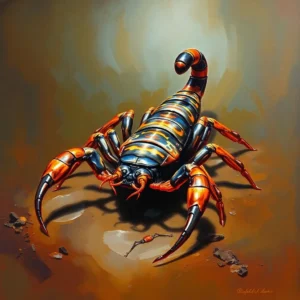
Loading Wildlife…

Buthidae LC

THE

SCORPION

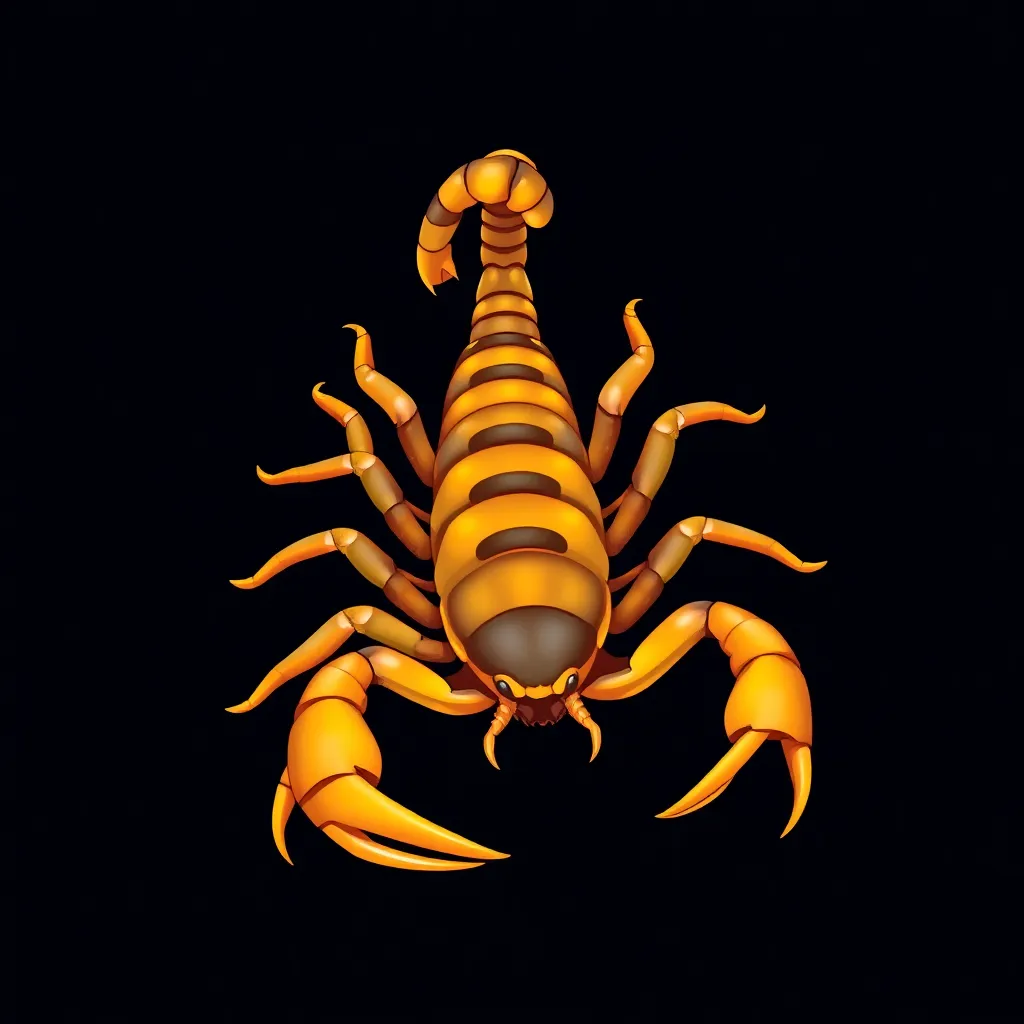
Desert Armored and Unyielding

Androctonus australis

Africa & Middle East
CLASS Arachnida FAMILY Buthidae GENUS Androctonus
19 km/h
Top Speed
⚖️
2-5 g kg
Max Weight
📏
7-10 cm
Body Length
🕰️
4-8 years
Lifespan
🍖
Carnivore
Diet Type

IUCN Red List — Where this species stands

LC Least Concern
NT Near Threatened
VU Vulnerable
EN Endangered
CR Critical
EW Extinct Wild
EX Extinct

About the Scorpion

Androctonus australis

Advertisement

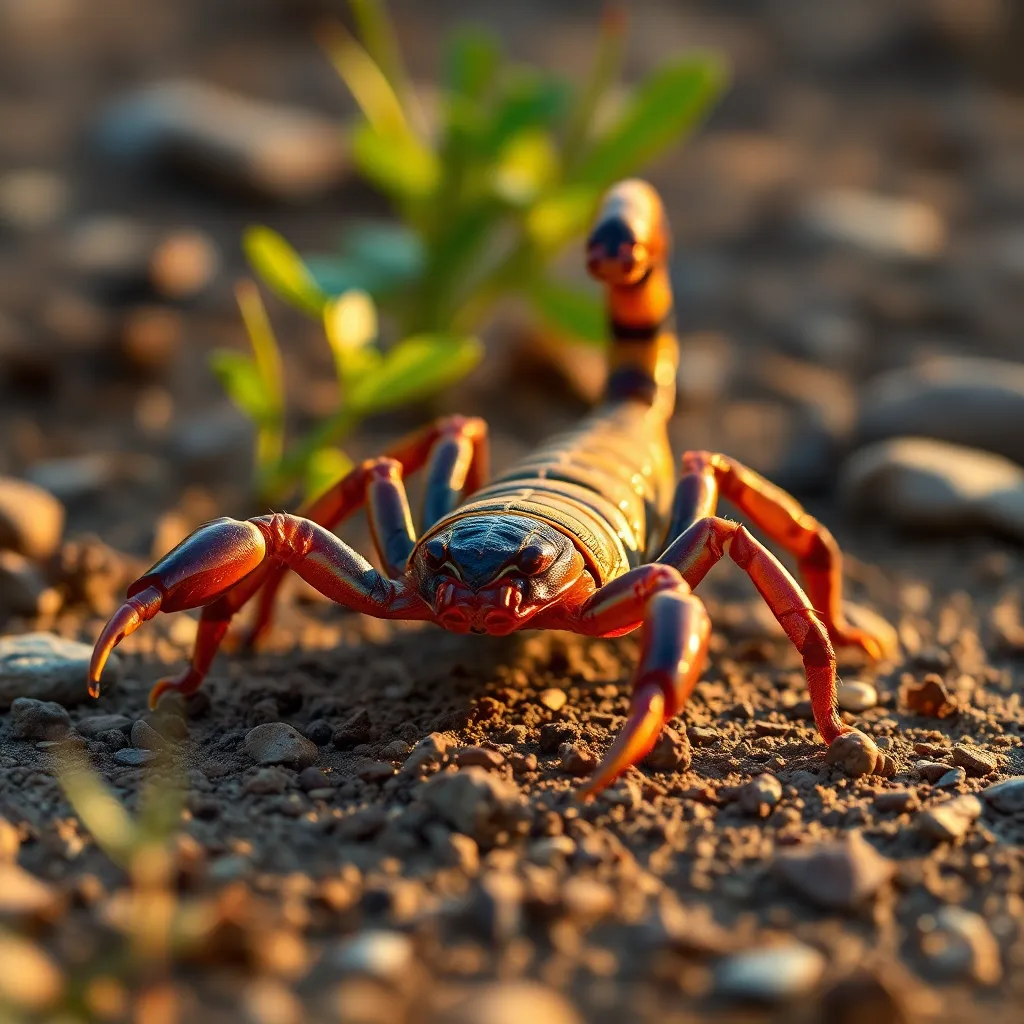
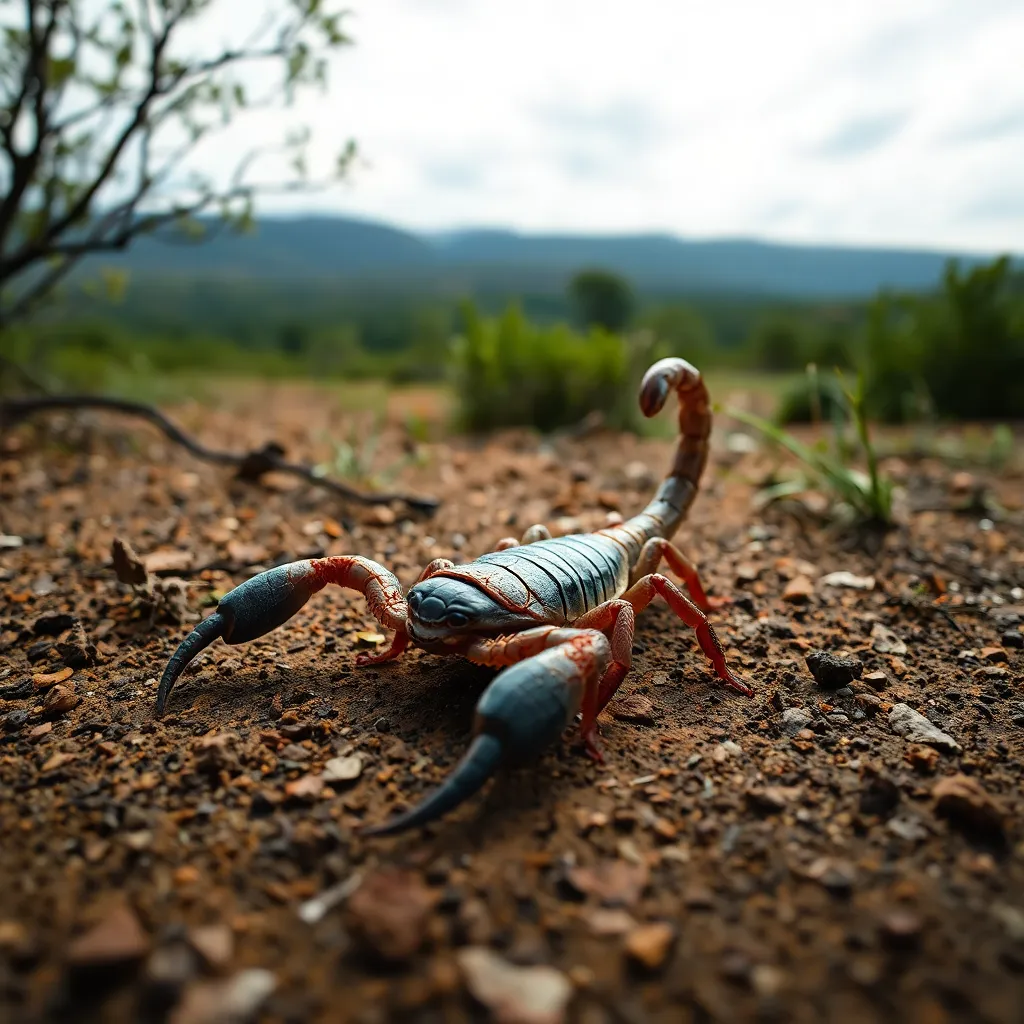
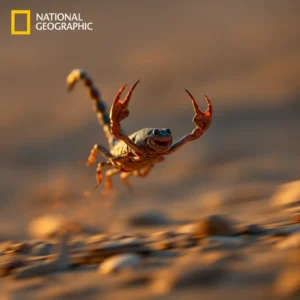
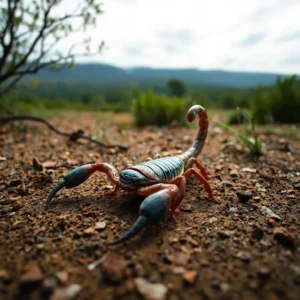
The fat-tailed scorpion is one of the world’s most venomous scorpions, inhabiting the arid deserts and rocky outcrops of North Africa and the Middle East. Well adapted to extreme heat and drought, these nocturnal predators are perfectly engineered survivors of some of Earth’s harshest environments. The compound chemicals in their venom are the subject of intensive pharmaceutical research for applications ranging from cancer imaging to pain management and antibiotic treatments.

⚡ Speed Comparison

Human
12 km/h
Scorpion
19 km/h
Car (city)
50 km/h
Horse
54 km/h

💡 Fun Facts

01

Scorpions glow an eerie blue-green under ultraviolet light due to fluorescent compounds in their cuticle — scientists believe this may function as a UV detection system to avoid moonlight.

02

The fat-tailed scorpion is responsible for approximately 90% of human scorpion-related deaths in North Africa, yet antivenom derived from its venom is used to treat its own stings.

03

Scorpions can survive being frozen in a block of ice overnight — when thawed slowly, they recover fully and resume normal activity within hours.

04

Female scorpions gestate young for 7-12 months and give birth to live young, which immediately climb onto the mother's back and are carried until their first molt.

05

A scorpion can reduce its metabolic rate to just 5% of baseline, allowing survival without food for up to a year on a single large meal.

Unlock Expert Wildlife Facts

Watch a short 15-second video to unlock detailed expert analysis, exclusive wildlife photography, and rare behavioral facts.

📍 Where to Find This Animal

🛒 Scorpion Related Gear

As an Amazon Associate we earn from qualifying purchases.
🗨️

Join the Conversation

Share your thoughts about the Scorpion

✍️

Leave a Comment

Your email address will not be published. Required fields are marked *

How Big Is a Scorpion?

Side-by-side comparison with an adult human (175 cm)

🧍
Human
175 cm
🦂
Scorpion
65 cm
shoulder height
2-5 BODY WEIGHT
7-10 BODY LENGTH
19 TOP SPEED
4-8 LIFESPAN
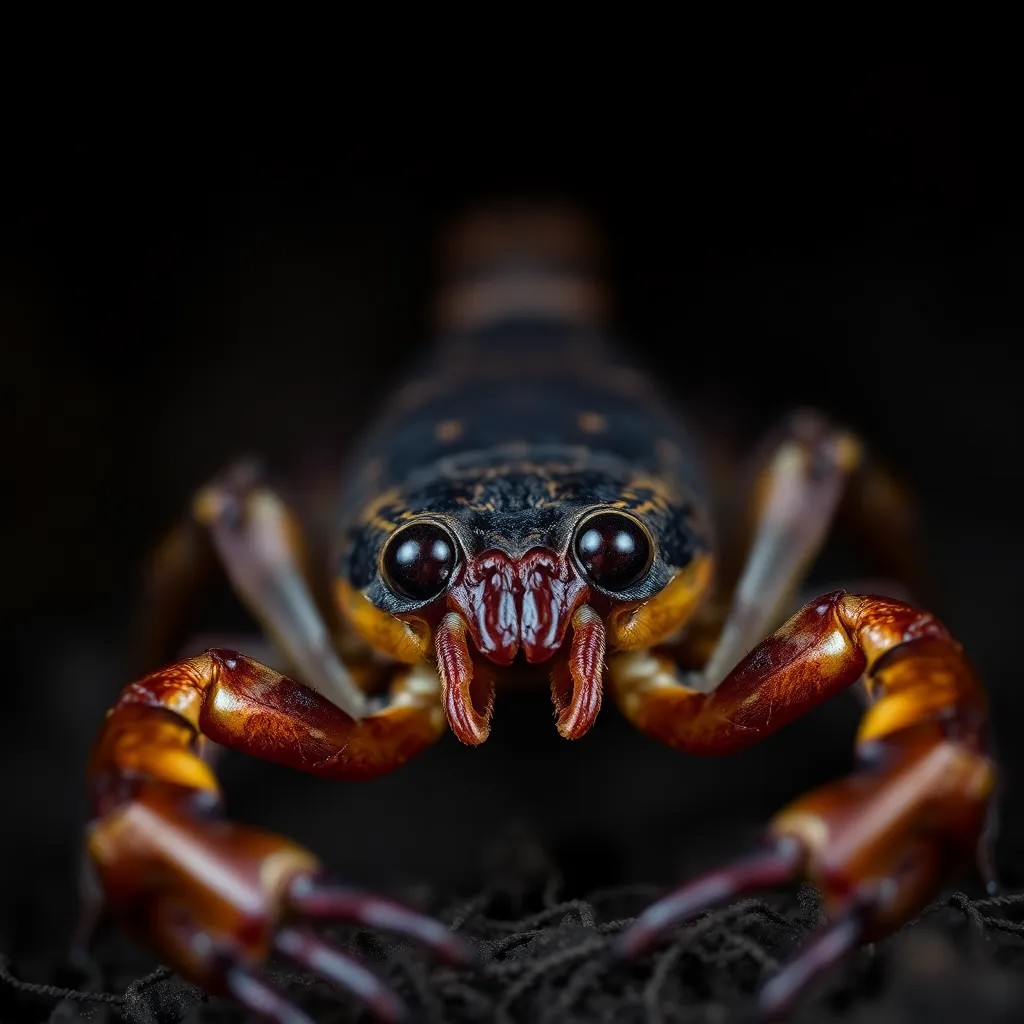
Scorpion close-up
Scorpion

SURVIVAL TOOLKIT

Built for Survival

Nature's engineering refined over millions of years

🔬 SURVIVAL TOOLKIT
Neurotoxic Venom
01

Neurotoxic Venom

Venom cocktails containing ion-channel toxins, chlorotoxins, and antimicrobial peptides rapidly immobilize prey and deter vertebrate predators.

Extreme Desiccation Resistance
02

Extreme Desiccation Resistance

A waxy epicuticle reduces water loss to near zero, enabling survival in hyper-arid deserts where rainfall averages under 15 mm annually.

UV Fluorescence
03

UV Fluorescence

Hyaline and beta-carboline compounds in the cuticle absorb UV radiation and re-emit visible light, potentially functioning as a distributed photoreceptor.

Mechanosensory Hairs
04

Mechanosensory Hairs

Sensory pectines on the ventral surface and trichobothria hair-sensors on the claws detect ground vibrations and airborne prey from centimeters away.

Cryogenic Tolerance
05

Cryogenic Tolerance

Antifreeze proteins and cellular dehydration mechanisms prevent ice-crystal formation in tissues, enabling survival at sub-zero temperatures.

Desert Armored and Unyielding. An extraordinary creature that reminds us what we stand to lose.

Jungal Safari · Wildlife Network
💡

Did You Know?

Scorpions glow an eerie blue-green under ultraviolet light due to fluorescent compounds in their cuticle — scientists believe this may function as a UV detection system to avoid moonlight.

🍖 DIET: CARNIVORE

What Does the Scorpion Eat?

🦗
Crickets
🕷️
Spiders
🪲
Beetles
🦎
Small Lizards
🗺️ GEOGRAPHIC RANGE

Where Do Scorpions Live?

🌍
➡️
Population Trend Stable

Conservation in Action

How You Can Help the Scorpion

Small actions, taken together, can reverse the decline of species like this one

🌳
Protect Habitat

Support wildlife reserves and protected land corridors

🚫
Stop Poaching

Report illegal trade and back anti-poaching patrols

🔬
Fund Research

Camera-trap studies and population monitoring

🤝
Community Work

Partner with local herders to reduce conflict

📢
Raise Awareness

Educate and inspire future wildlife champions

"Without urgent action, the Scorpion could disappear from the wild within our lifetime."

PROTECT THEM. PRESERVE THEIR LEGACY.

The Scorpion's Future
Is In Our Hands

Every share, every donation, every voice raised — makes a difference for wildlife conservation.

🌳Protect Habitat
📢Raise Awareness
💰Fund Research
🤝Community Work
🚫Stop Poaching

"Protect Wildlife. Preserve Our Planet."

Every species matters. Every action counts.

Advertisement