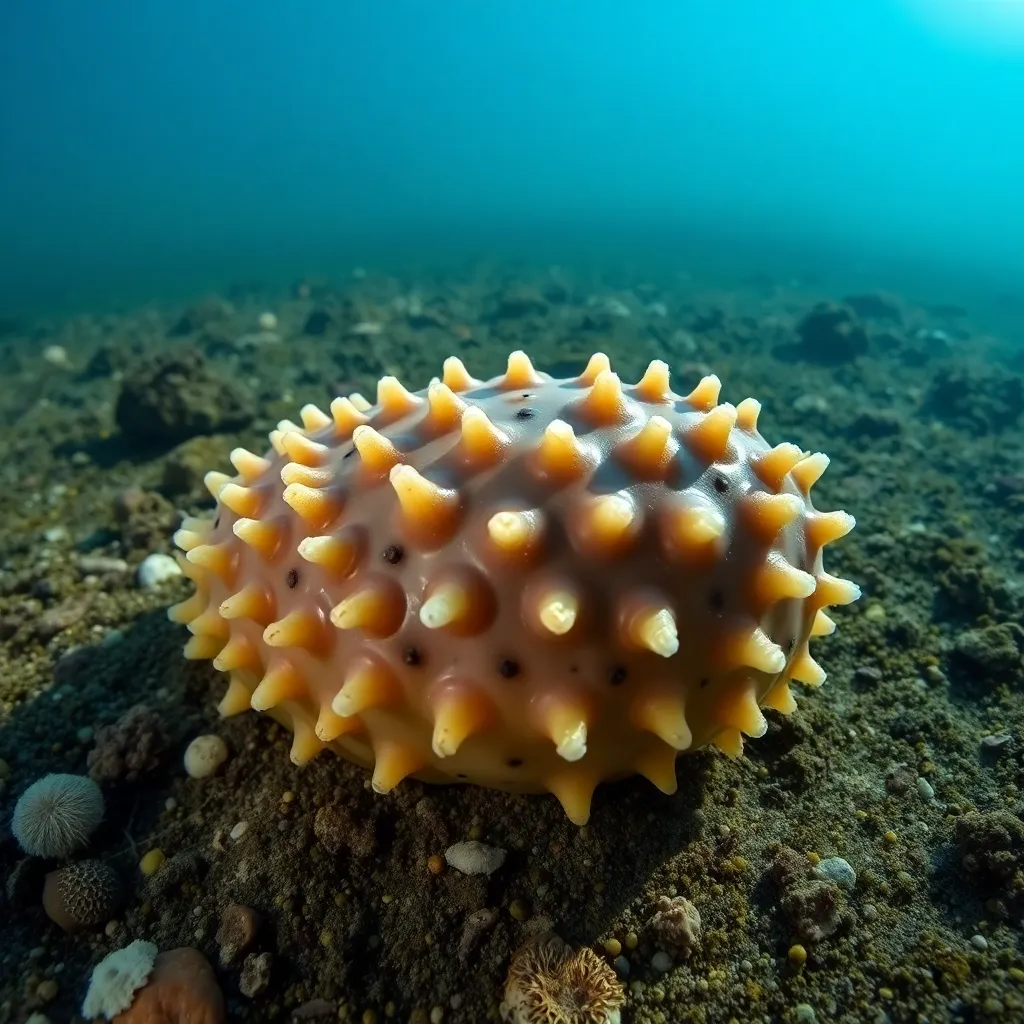
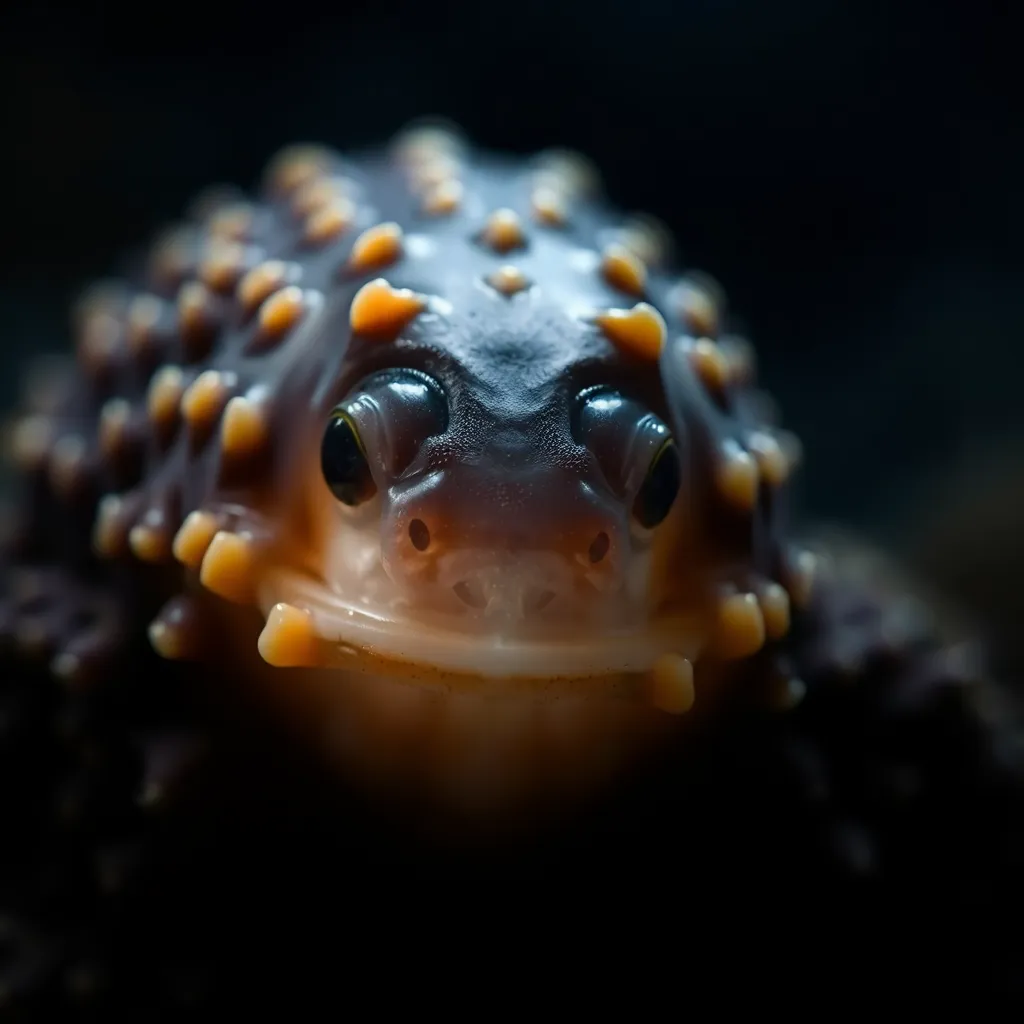
Sea cucumbers are soft-bodied marine echinoderms found across the world’s ocean floors, from shallow coral reefs to abyssal trenches. Despite their humble appearance, they are ecological powerhouses — constantly plowing through sediment, recycling nutrients, and maintaining the chemical balance of the seafloor. Heavily harvested for the luxury dried-seafood trade (bêche-de-mer), many tropical species are now endangered.
About the Sea Cucumber
Holothuria scabra
Advertisement
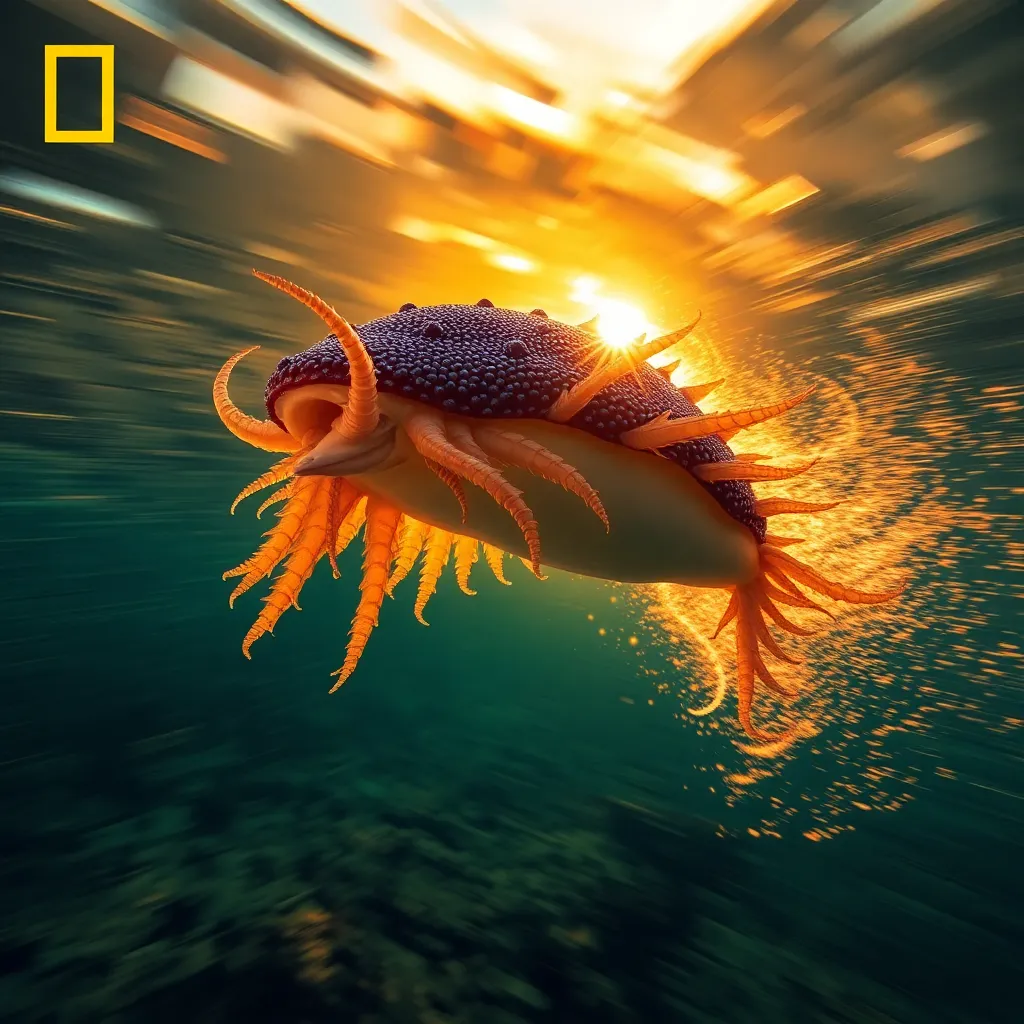
⚡ Speed Comparison
📸 Photo Gallery

💡 Fun Facts
01
When threatened, sea cucumbers can expel their internal organs through their body wall — a process called evisceration — and later regenerate them within weeks.
02
Some species of sea cucumber host the pearlfish, a slender fish that lives inside the sea cucumber's respiratory chamber and exits at night to feed.
03
Sea cucumbers breathe through their anus by pumping water in and out of internal respiratory trees.
04
They can liquefy their connective tissue almost instantly, allowing them to squeeze through gaps far smaller than their normal body diameter.
05
Sea cucumbers process enormous quantities of sediment — a single animal can ingest up to 45 kg of sediment per year, cycling nutrients back into the ecosystem.
📍 Where to Find This Animal
Habitat Types:
Shallow Coastal Seabed
🛒 Sea Cucumber Related Gear
As an Amazon Associate we earn from qualifying purchases.


Join the Conversation
Share your thoughts about the Sea Cucumber