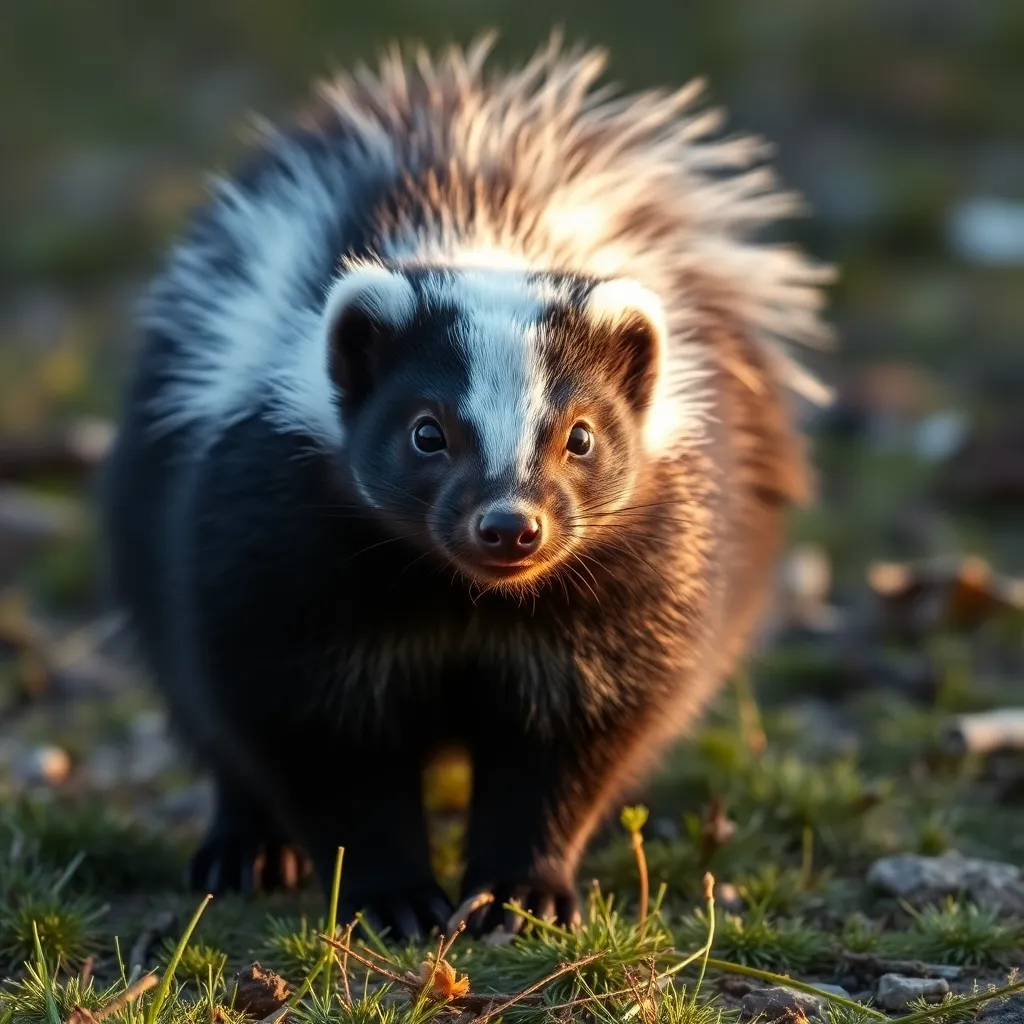
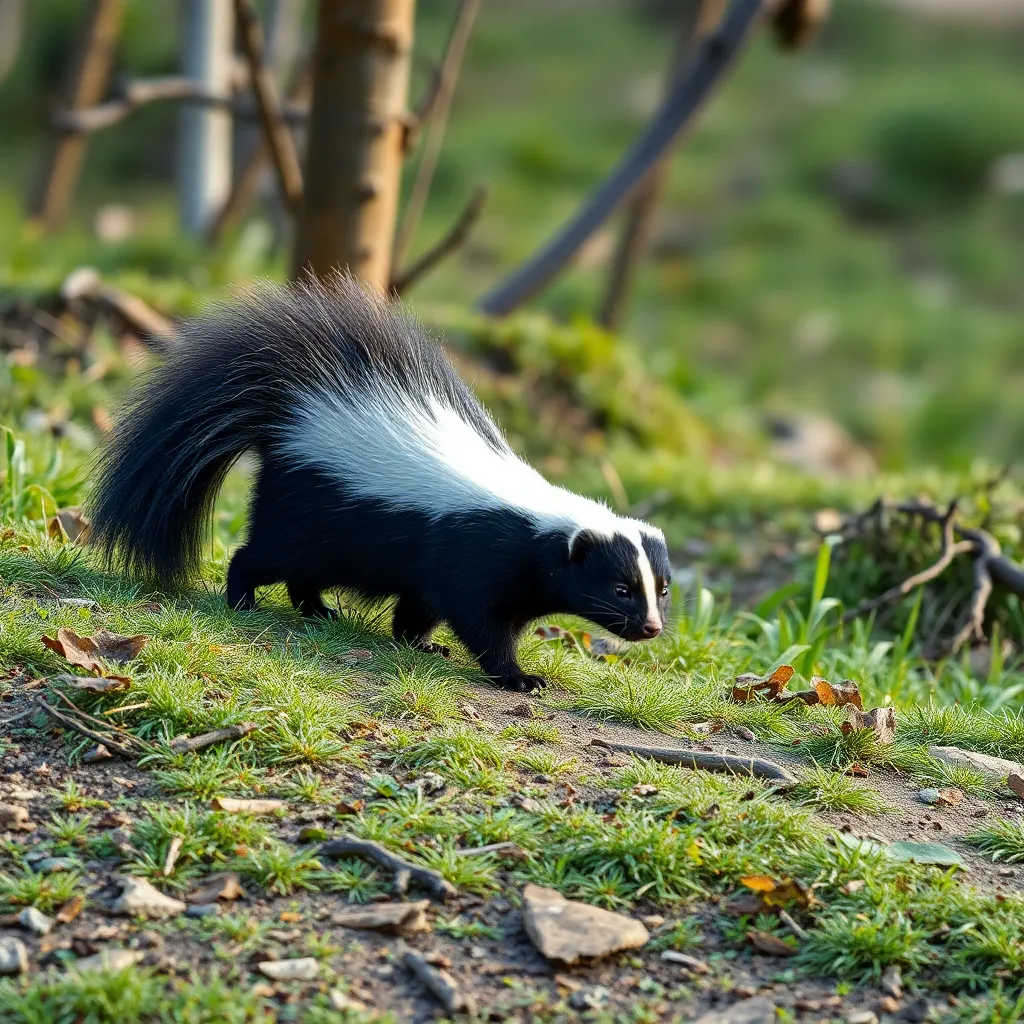
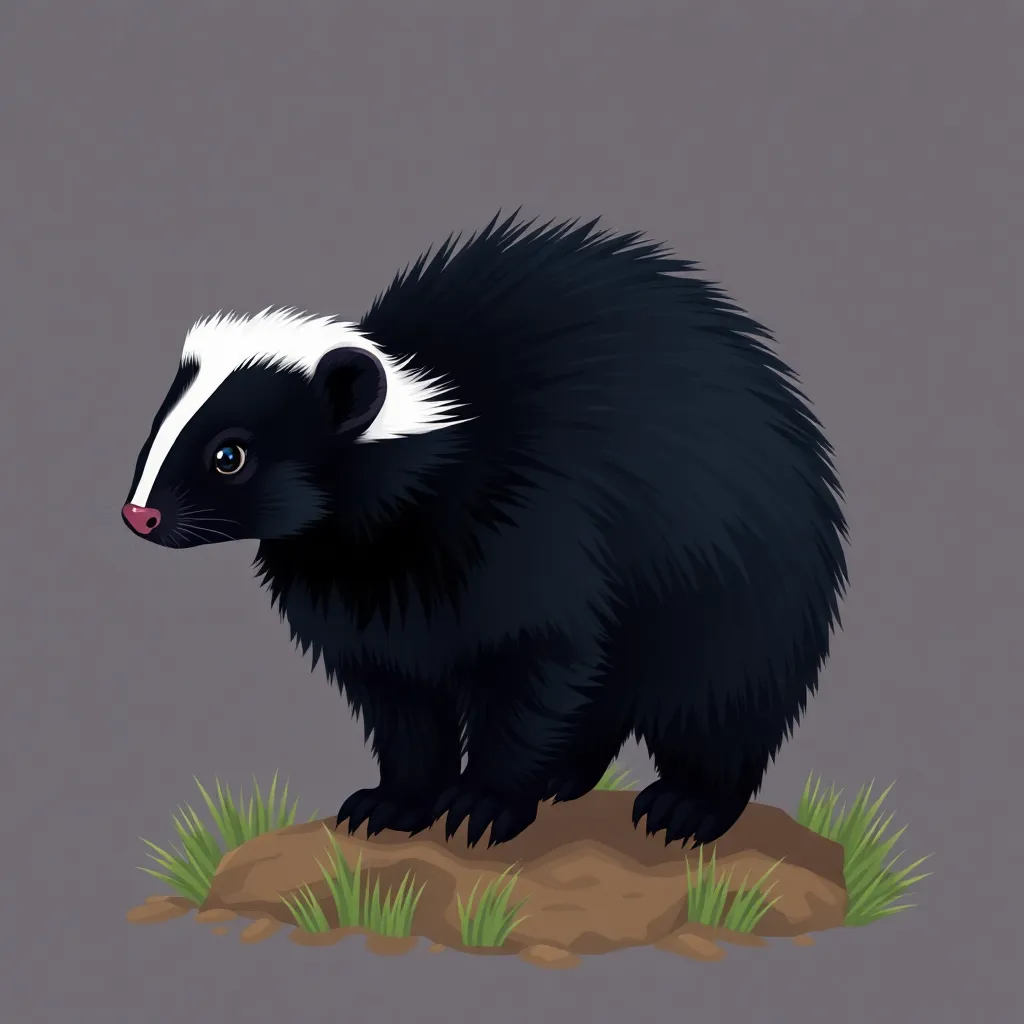
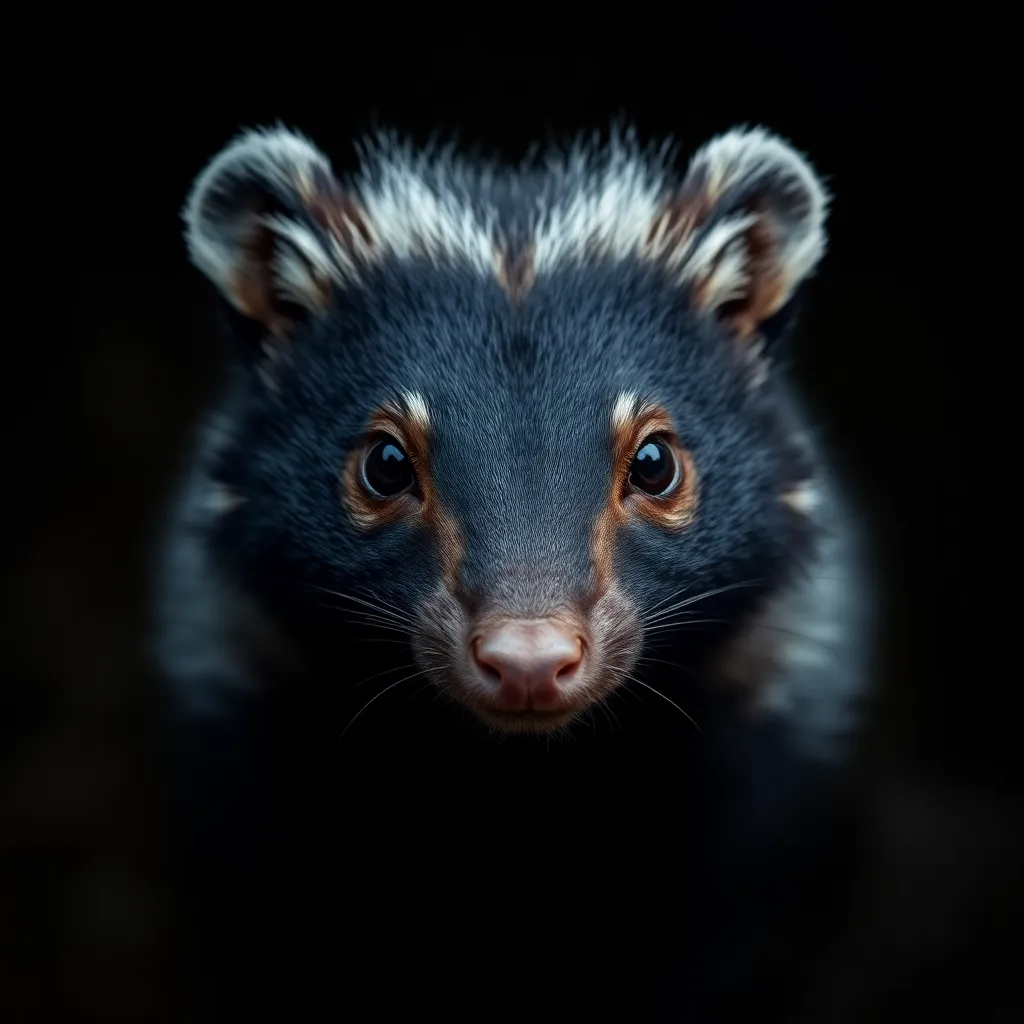
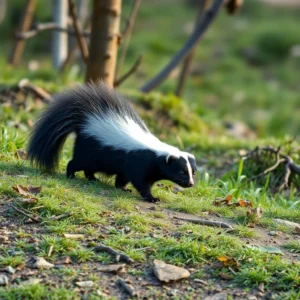
The striped skunk is one of North America’s most recognizable mammals, famous for its potent chemical defense system. Found from southern Canada through the United States into northern Mexico, skunks occupy an enormous range of habitats from woodlands and prairies to suburban gardens. Highly adaptable omnivores, they play important roles as consumers of insects and rodents while their unmistakable warning coloration has made them among the best-defended small mammals in the world.
About the Skunk
Mephitis mephitis
Advertisement
⚡ Speed Comparison
📸 Photo Gallery
💡 Fun Facts
01
Skunk spray contains sulfur-rich thiols (mercaptans) that can be detected by humans at concentrations of just 10 parts per billion — equivalent to a single drop diluted in a swimming pool.
02
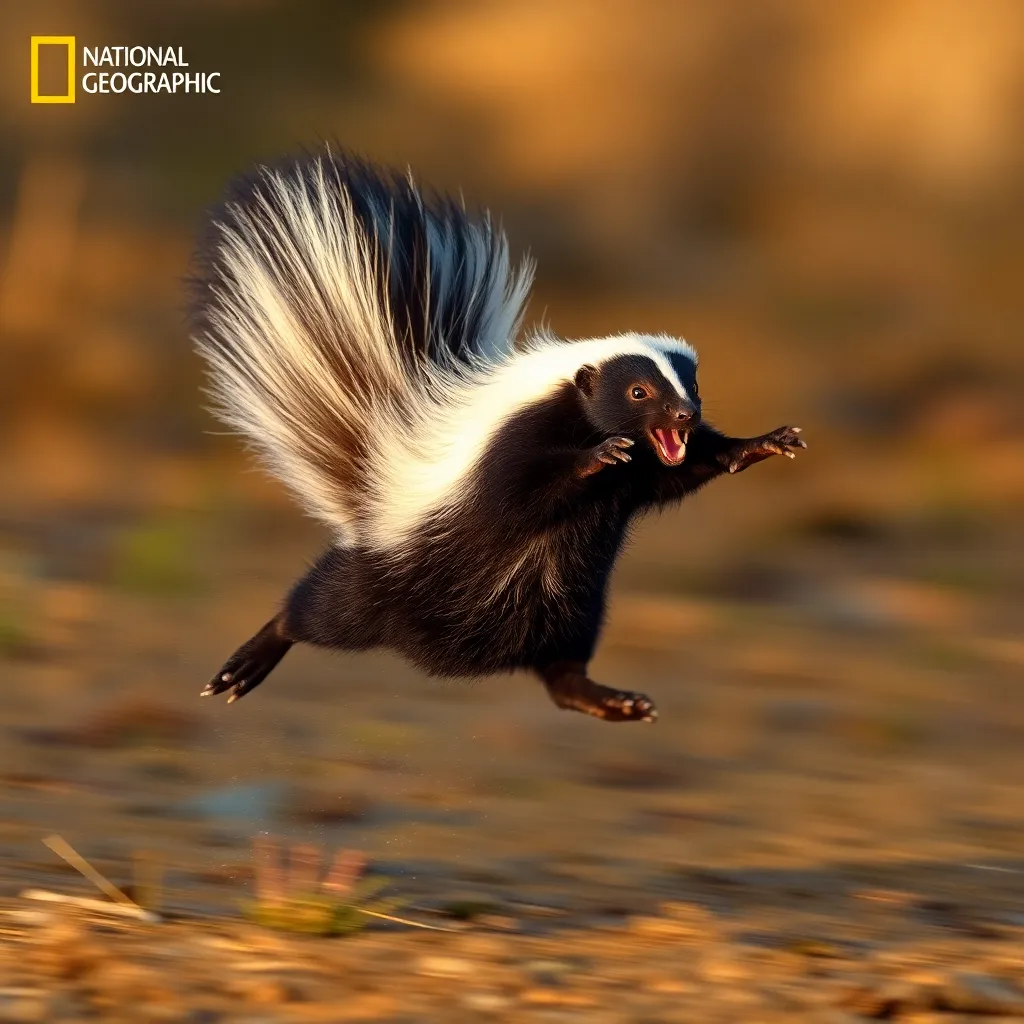
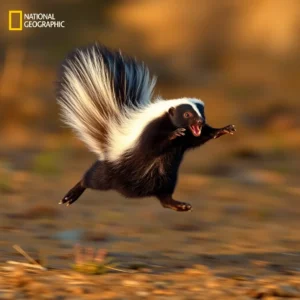
A skunk can accurately spray a target up to 3 meters away and will deliver a series of warning signals — foot stomping, hissing, and handstand displays — before spraying.
03
The spray is stored in two perineal scent glands and a skunk carries enough for 5-6 direct sprays before needing up to 10 days to replenish.
04
Skunks are one of the primary vectors of rabies in North America, but despite this, great horned owls (which lack a strong sense of smell) regularly prey on them.
05
Baby skunks are born with the spray apparatus already functional and can spray from the moment their eyes open at around 3 weeks of age.
📍 Where to Find This Animal
Habitat Types:
Woodland and Suburban Areas
🛒 Skunk Related Gear
As an Amazon Associate we earn from qualifying purchases.
Join the Conversation
Share your thoughts about the Skunk