Loading Wildlife…

Aplysinidae LC

THE

SPONGE

Ancient Architect of the Reef

Aplysina archeri

Caribbean
CLASS Anthozoa FAMILY Aplysinidae GENUS Aplysina
0 km/h
Top Speed
⚖️
0.5-10 kg
Max Weight
📏
50-150 cm
Body Length
🕰️
200+ years
Lifespan
🍖
Filter Feeder
Diet Type

IUCN Red List — Where this species stands

LC Least Concern
NT Near Threatened
VU Vulnerable
EN Endangered
CR Critical
EW Extinct Wild
EX Extinct

About the Sponge

Aplysina archeri

Advertisement

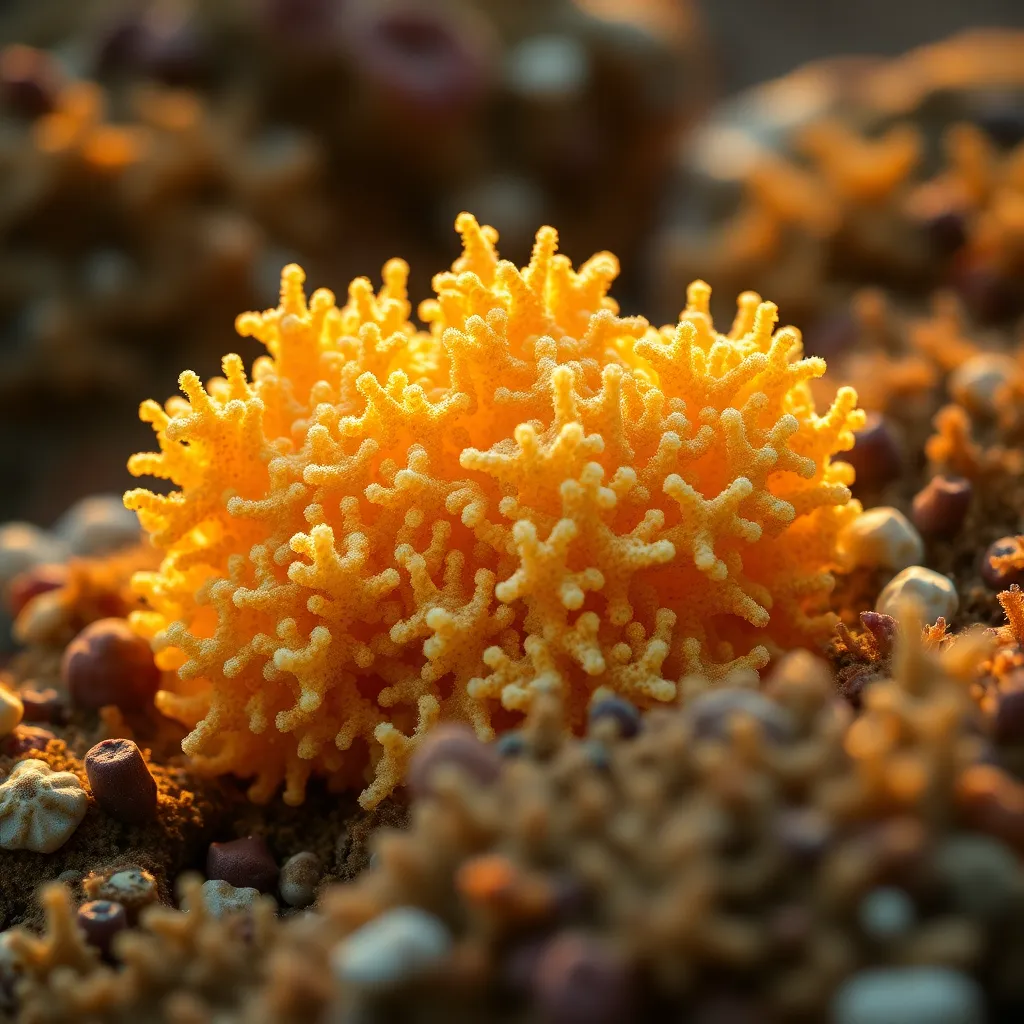
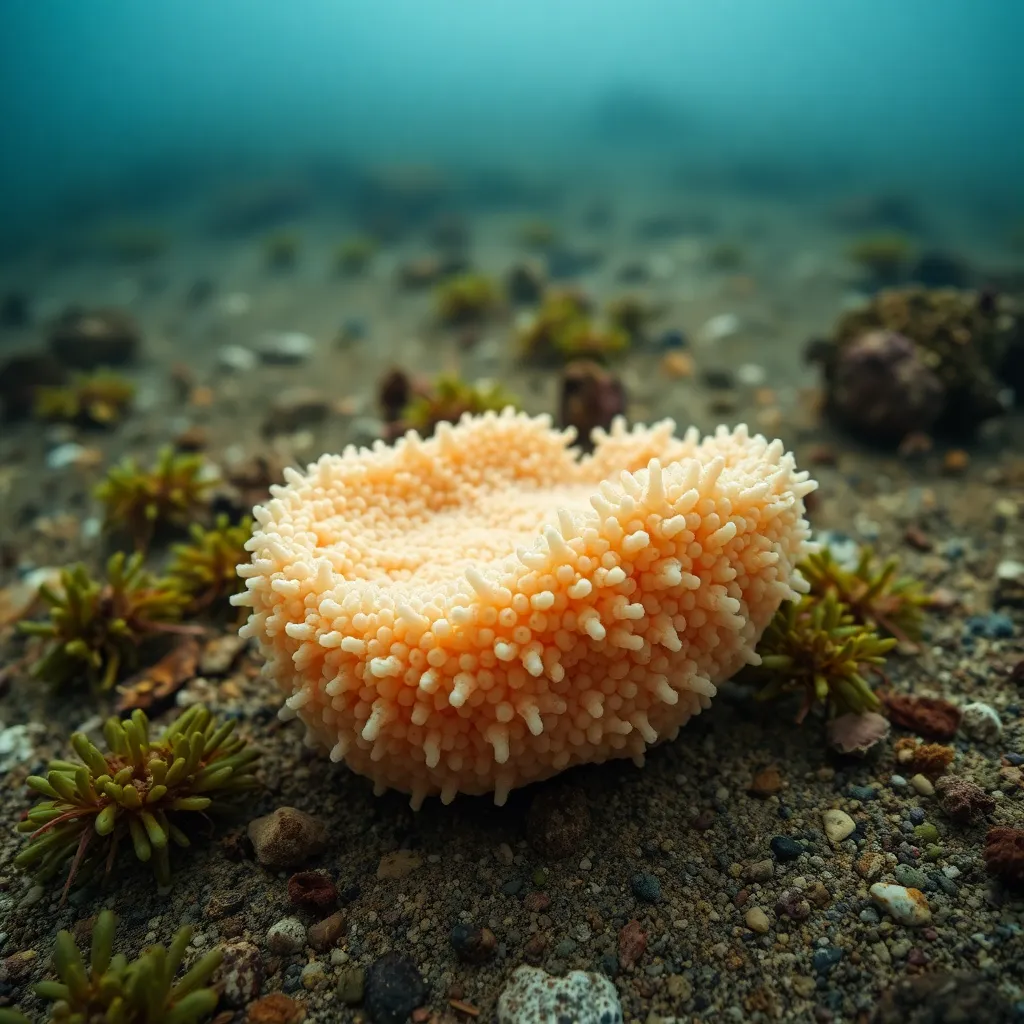
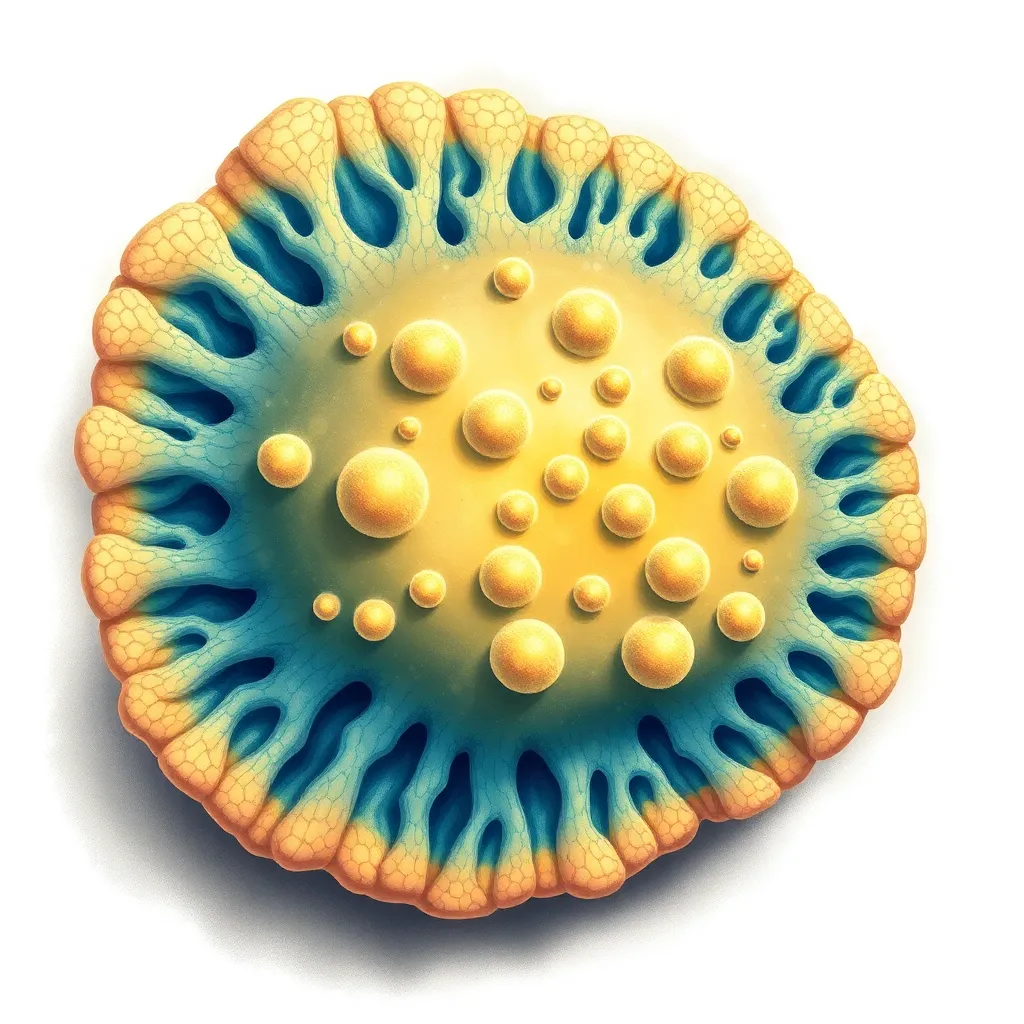
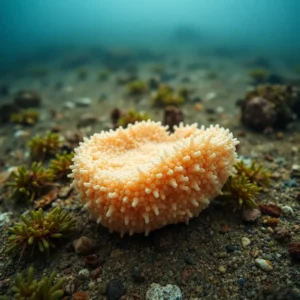
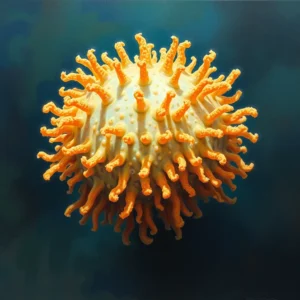
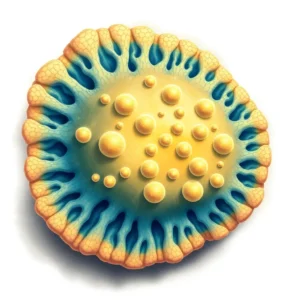
The stove-pipe sponge is a large, tube-forming marine invertebrate belonging to the phylum Porifera, forming iconic purple-grey tubular structures up to 1.5 metres tall on Caribbean coral reef walls and slopes. Sponges are among the most ancient multicellular animals on Earth, with a fossil record extending over 600 million years, and they play an irreplaceable role in reef ecosystems by filtering enormous volumes of seawater — a single sponge can filter 20,000 times its own volume of water daily, removing bacteria, dissolved organic matter, and particles. Despite lacking true tissues, organs, or a nervous system, they coordinate complex filter-feeding behaviour through chemical signalling.

⚡ Speed Comparison

Sponge
0 km/h
Human
12 km/h
Car (city)
50 km/h
Horse
54 km/h

💡 Fun Facts

01

Sponges lack true tissues and organs — their body plan has barely changed in 600 million years of evolution.

02

A single large sponge can filter up to 1,000 litres of seawater per day, removing 90% of bacteria present.

03

If a sponge is forced through a fine sieve, the dispersed cells will reaggregate and reform a functional sponge.

04

Some deep-sea sponges, including the glass sponge Monorhaphis chuni, are estimated to live for up to 11,000 years.

05

Sponges host complex microbiomes, with up to 35% of their body mass consisting of resident bacteria and archaea.

Unlock Expert Wildlife Facts

Watch a short 15-second video to unlock detailed expert analysis, exclusive wildlife photography, and rare behavioral facts.

📍 Where to Find This Animal

Habitat Types: Coral Reef

🛒 Sponge Related Gear

As an Amazon Associate we earn from qualifying purchases.
🗨️

Join the Conversation

Share your thoughts about the Sponge

✍️

Leave a Comment

Your email address will not be published. Required fields are marked *

How Big Is a Sponge?

Side-by-side comparison with an adult human (175 cm)

🧍
Human
175 cm
🧽
Sponge
65 cm
shoulder height
0.5-10 BODY WEIGHT
50-150 BODY LENGTH
0 TOP SPEED
200+ LIFESPAN
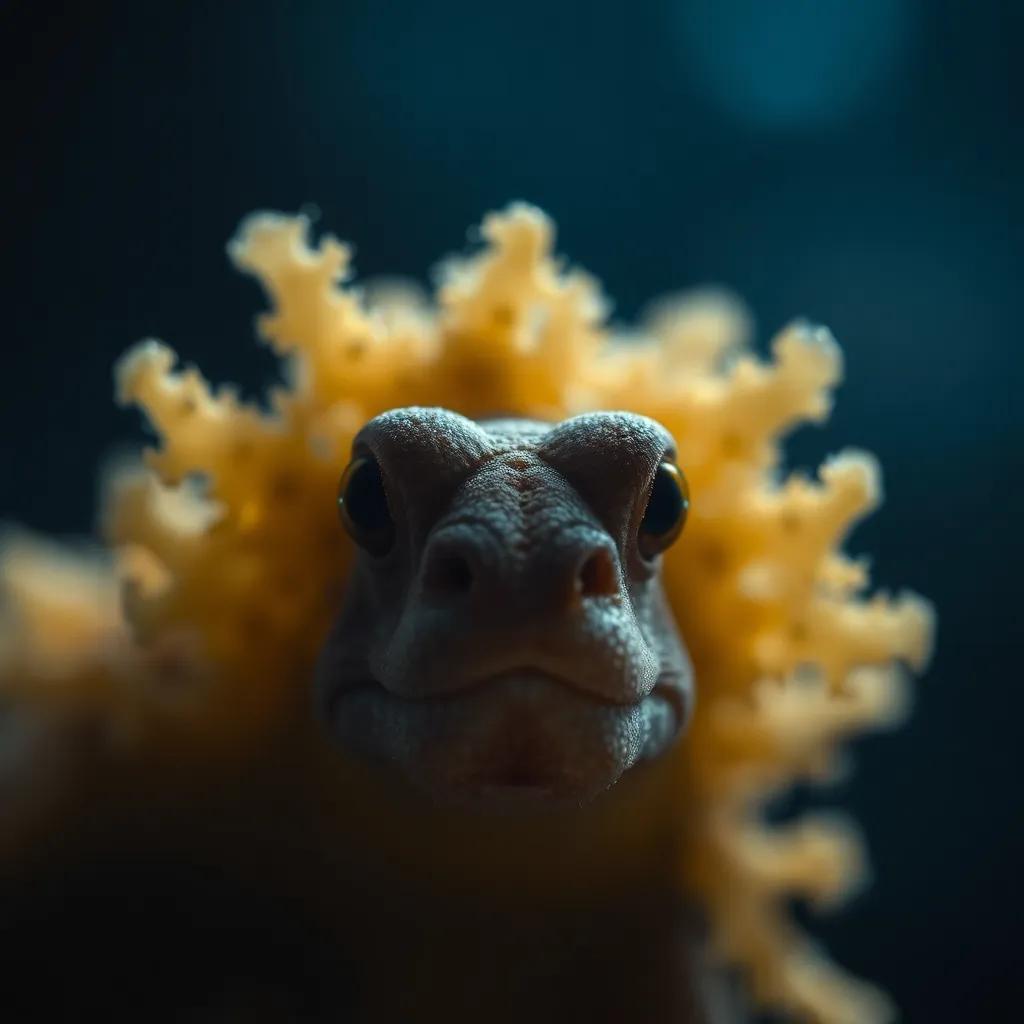
Sponge close-up
Sponge

SURVIVAL TOOLKIT

Built for Survival

Nature's engineering refined over millions of years

🔬 SURVIVAL TOOLKIT
Choanocyte Pump
01

Choanocyte Pump

Flagellated choanocyte cells lining internal chambers beat in coordinated waves, drawing water through the sponge continuously.

Spicule Skeleton
02

Spicule Skeleton

Silica or calcium carbonate spicules provide structural support without impeding water flow through the porous body.

Pinacoderm Epithelium
03

Pinacoderm Epithelium

A single-cell-thick outer layer regulates water entry and hosts chemical communication between body regions.

Chemical Defences
04

Chemical Defences

Secondary metabolites including brominated compounds deter fish grazing and are being studied as anticancer agents.

Totipotent Cells
05

Totipotent Cells

Archaeocyte stem cells can differentiate into any sponge cell type, enabling complete regeneration from small fragments.

Ancient Architect of the Reef. An extraordinary creature that reminds us what we stand to lose.

Jungal Safari · Wildlife Network
💡

Did You Know?

Sponges lack true tissues and organs — their body plan has barely changed in 600 million years of evolution.

🍖 DIET: FILTER FEEDER

What Does the Sponge Eat?

🦠
Bacteria
🔬
Phytoplankton
💧
Dissolved Organics
🌱
Detritus Particles
🗺️ GEOGRAPHIC RANGE

Where Do Sponges Live?

🌍
Continents
➡️
Population Trend Stable

Conservation in Action

How You Can Help the Sponge

Small actions, taken together, can reverse the decline of species like this one

🌳
Protect Habitat

Support wildlife reserves and protected land corridors

🚫
Stop Poaching

Report illegal trade and back anti-poaching patrols

🔬
Fund Research

Camera-trap studies and population monitoring

🤝
Community Work

Partner with local herders to reduce conflict

📢
Raise Awareness

Educate and inspire future wildlife champions

"Without urgent action, the Sponge could disappear from the wild within our lifetime."

PROTECT THEM. PRESERVE THEIR LEGACY.

The Sponge's Future
Is In Our Hands

Every share, every donation, every voice raised — makes a difference for wildlife conservation.

🌳Protect Habitat
📢Raise Awareness
💰Fund Research
🤝Community Work
🚫Stop Poaching

"Protect Wildlife. Preserve Our Planet."

Every species matters. Every action counts.

Advertisement