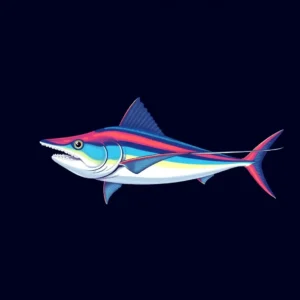
Loading Wildlife…

Xiphiidae LC

THE

SWORDFISH

Blade of the Open Ocean

Xiphias gladius

Global
CLASS Actinopterygii FAMILY Xiphiidae GENUS Xiphias
97 km/h
Top Speed
⚖️
90–650 kg
Max Weight
📏
2.5–4.5 m
Body Length
🕰️
9–15 years
Lifespan
🍖
Piscivore
Diet Type

IUCN Red List — Where this species stands

LC Least Concern
NT Near Threatened
VU Vulnerable
EN Endangered
CR Critical
EW Extinct Wild
EX Extinct

About the Swordfish

Xiphias gladius

Advertisement

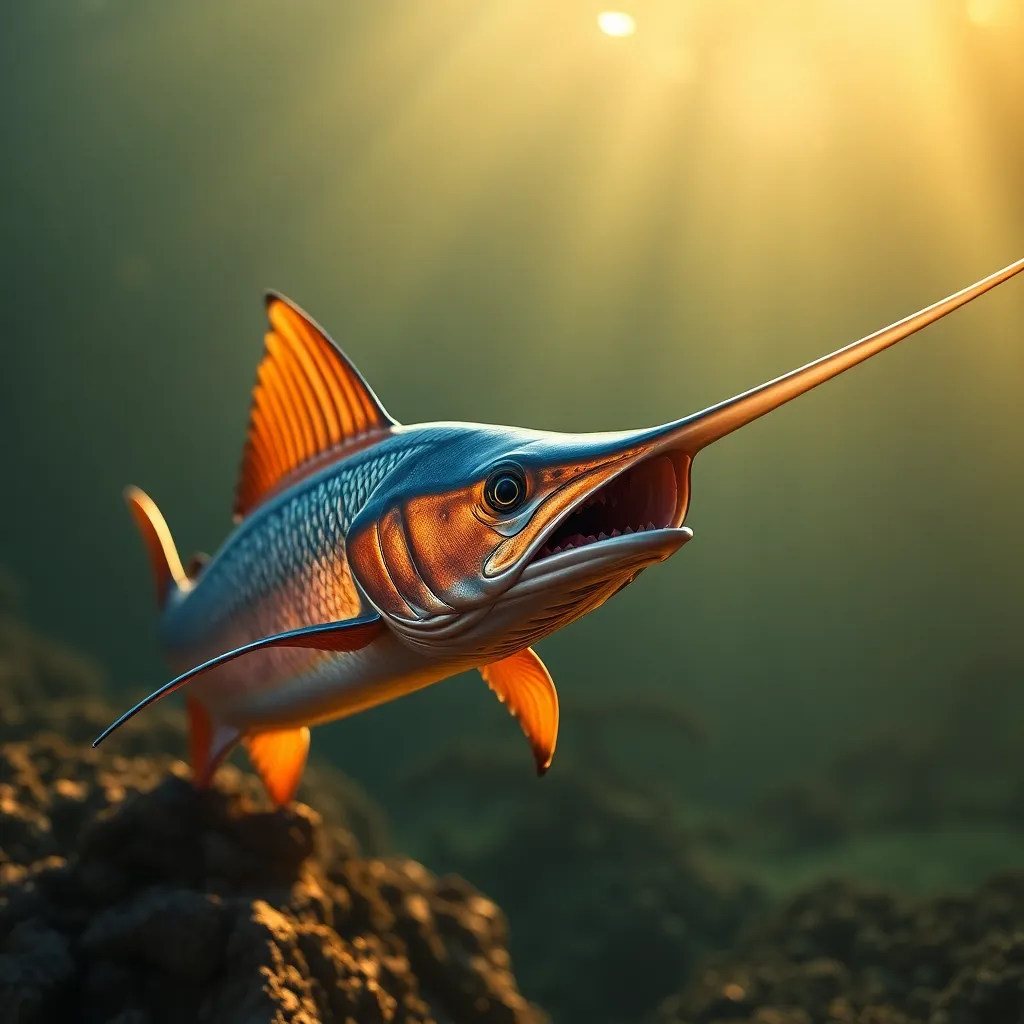
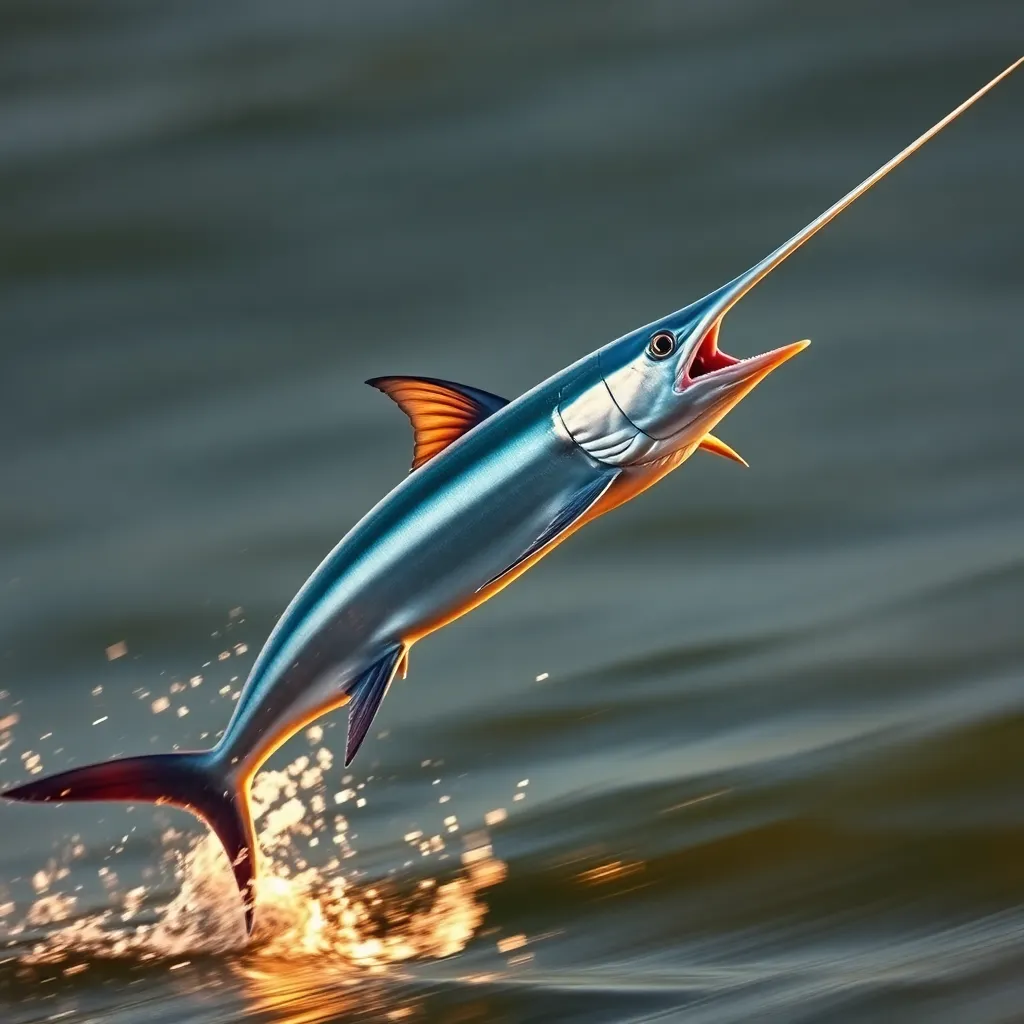
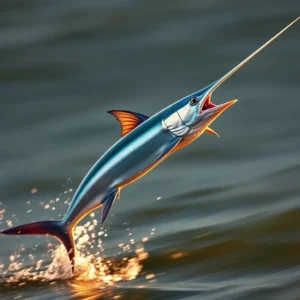
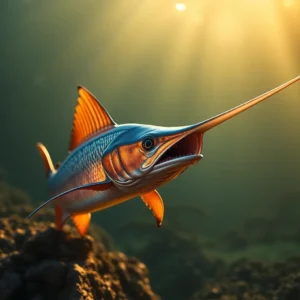
The swordfish is a large, highly migratory predatory fish renowned for its elongated, flattened bill, which can account for a third of its total body length. Found in tropical and temperate oceans worldwide, swordfish are among the fastest fish in the sea, capable of bursts exceeding 95 km/h. They are solitary hunters that undertake deep vertical migrations, descending to depths of 550 meters during the day and rising to surface waters at night to feed.

⚡ Speed Comparison

Human
12 km/h
Car (city)
50 km/h
Horse
54 km/h
Swordfish
97 km/h

💡 Fun Facts

01

Swordfish are one of the few fish that can warm their brains and eyes using a specialized organ derived from muscle tissue, improving vision in cold deep water.

02

The sword (rostrum) is not used to impale prey but to slash through schools of fish, stunning or injuring multiple prey items simultaneously.

03

Female swordfish grow much larger than males; the largest individuals on record weigh over 650 kg and are always female.

04

Swordfish lack scales and teeth as adults, which is unique among billfish and makes them streamlined for high-speed swimming.

05

A single large female swordfish can produce up to 29 million eggs in a single spawning event, though very few survive to adulthood.

Unlock Expert Wildlife Facts

Watch a short 15-second video to unlock detailed expert analysis, exclusive wildlife photography, and rare behavioral facts.

📍 Where to Find This Animal

🛒 Swordfish Related Gear

As an Amazon Associate we earn from qualifying purchases.
🗨️

Join the Conversation

Share your thoughts about the Swordfish

✍️

Leave a Comment

Your email address will not be published. Required fields are marked *

How Big Is a Swordfish?

Side-by-side comparison with an adult human (175 cm)

🧍
Human
175 cm
🐟
Swordfish
65 cm
shoulder height
90–650 BODY WEIGHT
2.5–4.5 BODY LENGTH
97 TOP SPEED
9–15 LIFESPAN
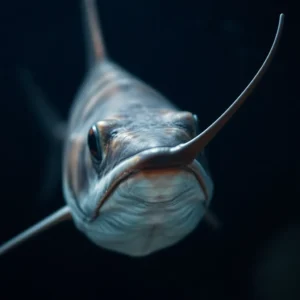
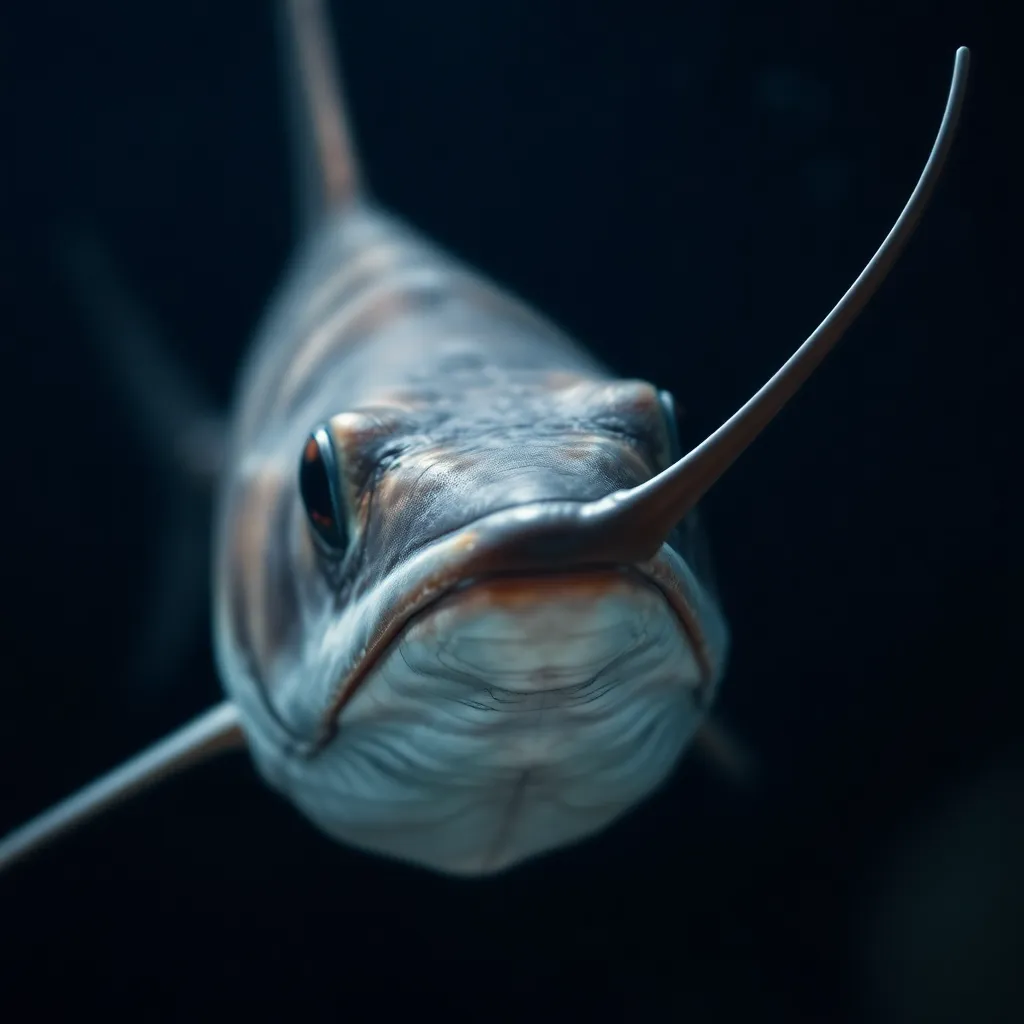
Swordfish close-up
Swordfish

SURVIVAL TOOLKIT

Built for Survival

Nature's engineering refined over millions of years

🔬 SURVIVAL TOOLKIT
Elongated Rostrum
01

Elongated Rostrum

The flattened, bony bill slashes through prey schools at high speed, stunning fish and squid with a single strike.

Brain Warming Organ
02

Brain Warming Organ

A specialized heater organ derived from eye muscles maintains the brain and retina at temperatures up to 15°C above ambient water, enabling sharp vision in the deep cold.

Crescent Tail
03

Crescent Tail

The stiff, crescent-shaped caudal fin acts like a high-aspect-ratio hydrofoil, providing powerful, efficient thrust for sustained high-speed cruising.

Countershading
04

Countershading

Dark dorsal coloration blends with deep water when viewed from above, while pale undersides mimic light from the surface when viewed from below.

Scaleless Body
05

Scaleless Body

Adults shed their scales to reduce drag and are covered instead in smooth skin, contributing to their exceptional hydrodynamic efficiency.

Diel Vertical Migration
06

Diel Vertical Migration

Swordfish follow prey from deep daytime refuges to productive surface waters at night, exploiting the richest feeding zones across the full water column.

Blade of the Open Ocean. An extraordinary creature that reminds us what we stand to lose.

Jungal Safari · Wildlife Network
💡

Did You Know?

Swordfish are one of the few fish that can warm their brains and eyes using a specialized organ derived from muscle tissue, improving vision in cold deep water.

🍖 DIET: PISCIVORE

What Does the Swordfish Eat?

🐟
Mackerel & Tuna
🦑
Squid
🐠
Mahi-Mahi
🦐
Crustaceans
🐙
Octopus
🗺️ GEOGRAPHIC RANGE

Where Do Swordfishs Live?

🌍
Continents
➡️
Population Trend Stable

Conservation in Action

How You Can Help the Swordfish

Small actions, taken together, can reverse the decline of species like this one

🌳
Protect Habitat

Support wildlife reserves and protected land corridors

🚫
Stop Poaching

Report illegal trade and back anti-poaching patrols

🔬
Fund Research

Camera-trap studies and population monitoring

🤝
Community Work

Partner with local herders to reduce conflict

📢
Raise Awareness

Educate and inspire future wildlife champions

"Without urgent action, the Swordfish could disappear from the wild within our lifetime."

PROTECT THEM. PRESERVE THEIR LEGACY.

The Swordfish's Future
Is In Our Hands

Every share, every donation, every voice raised — makes a difference for wildlife conservation.

🌳Protect Habitat
📢Raise Awareness
💰Fund Research
🤝Community Work
🚫Stop Poaching

"Protect Wildlife. Preserve Our Planet."

Every species matters. Every action counts.

Advertisement