Loading Wildlife…

Ixodidae LC

THE

TICK

Silent Bloodfeeder of the Undergrowth

Ixodes scapularis

Americas
CLASS Arachnida FAMILY Ixodidae GENUS Ixodes
0.01 km/h
Top Speed
⚖️
0.002-3 g kg
Max Weight
📏
1-10 mm
Body Length
🕰️
2-3 years
Lifespan
🍖
Carnivore
Diet Type

IUCN Red List — Where this species stands

LC Least Concern
NT Near Threatened
VU Vulnerable
EN Endangered
CR Critical
EW Extinct Wild
EX Extinct

About the Tick

Ixodes scapularis

Advertisement

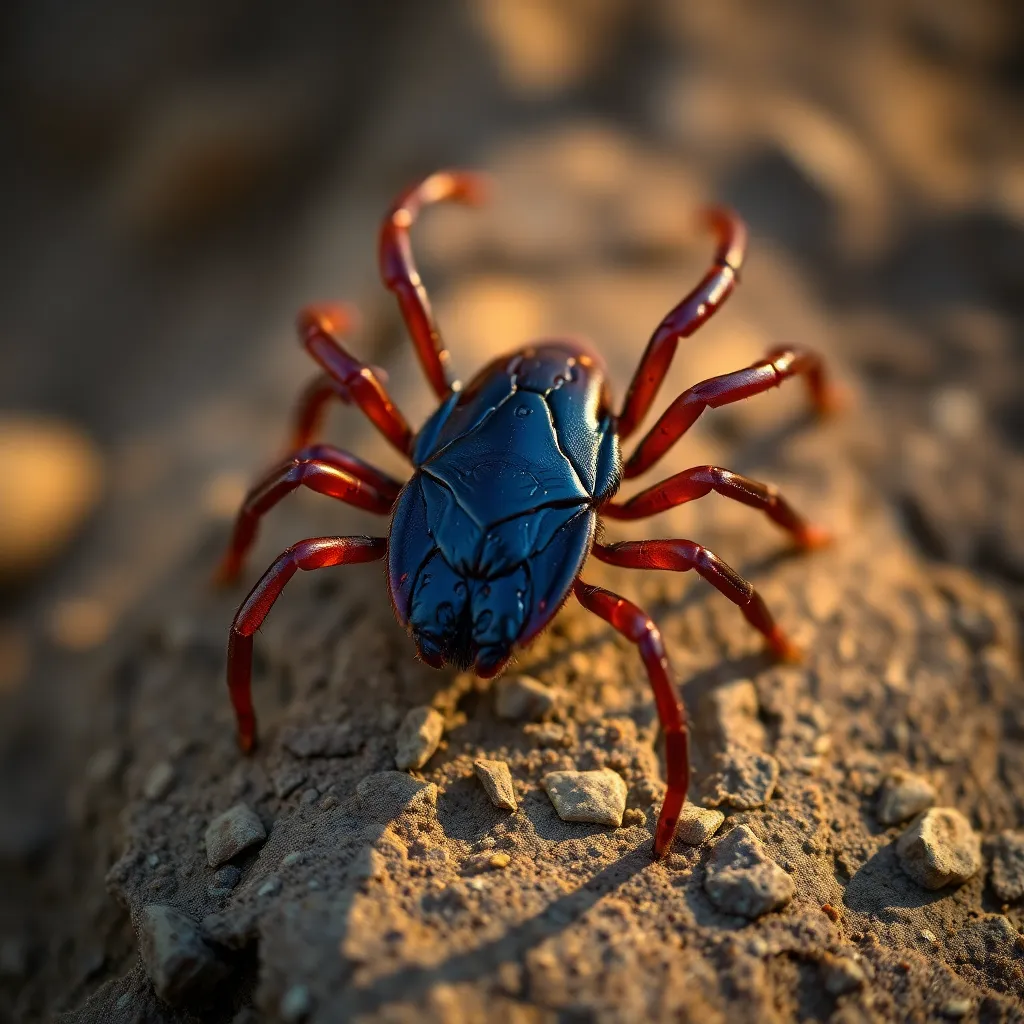
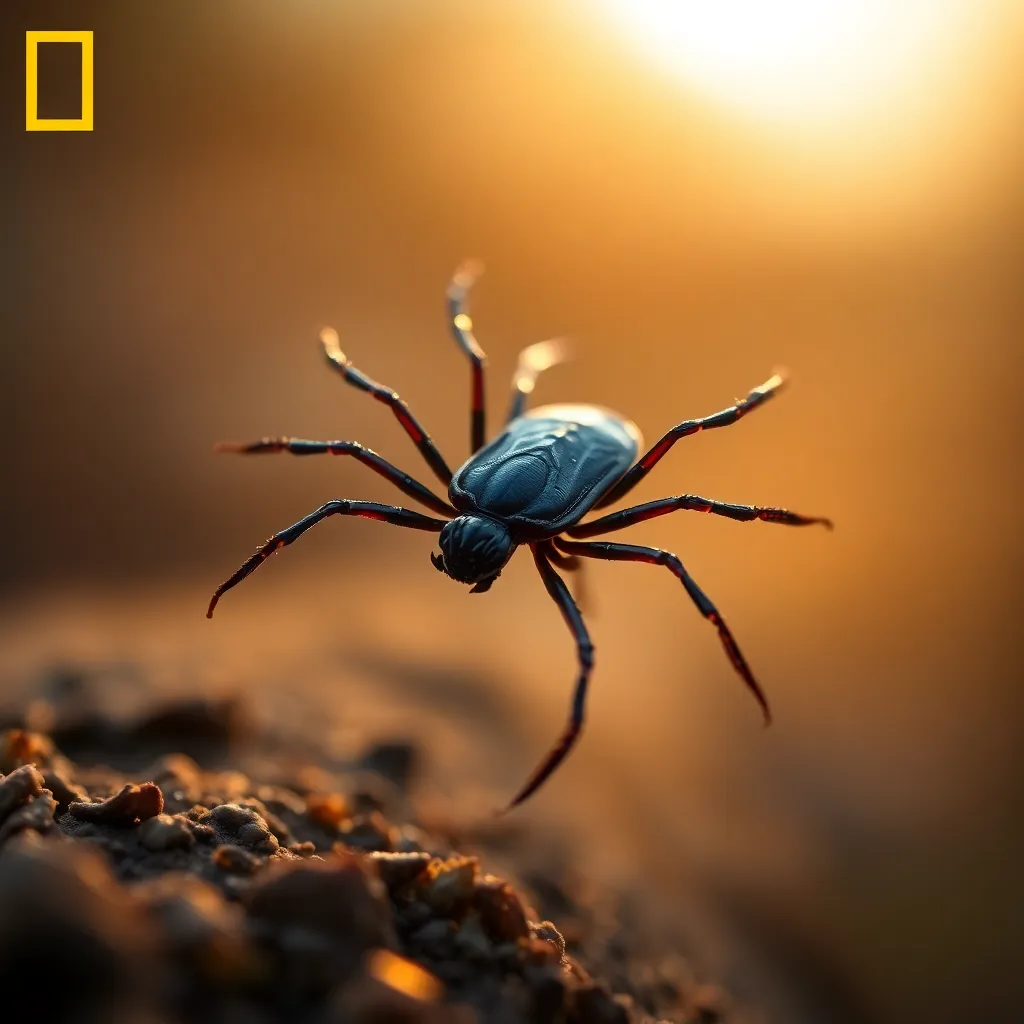
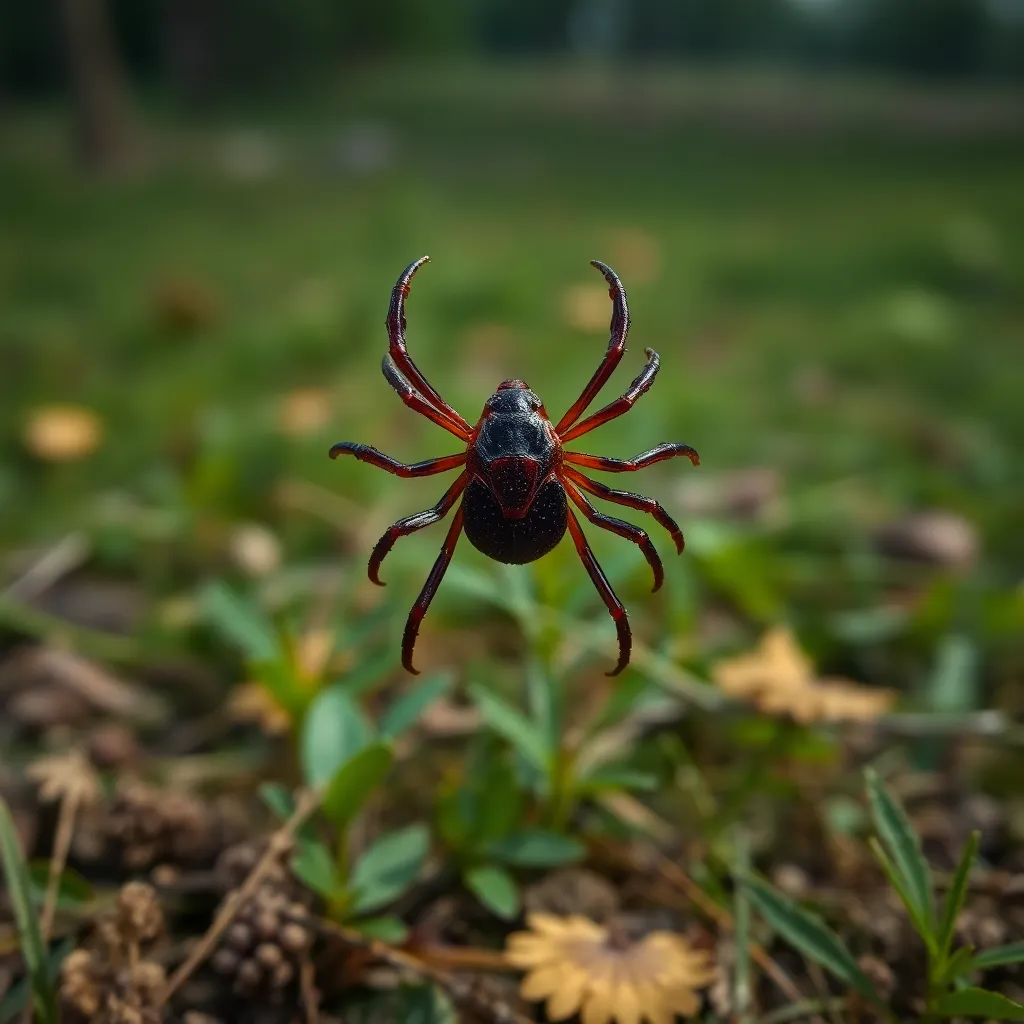
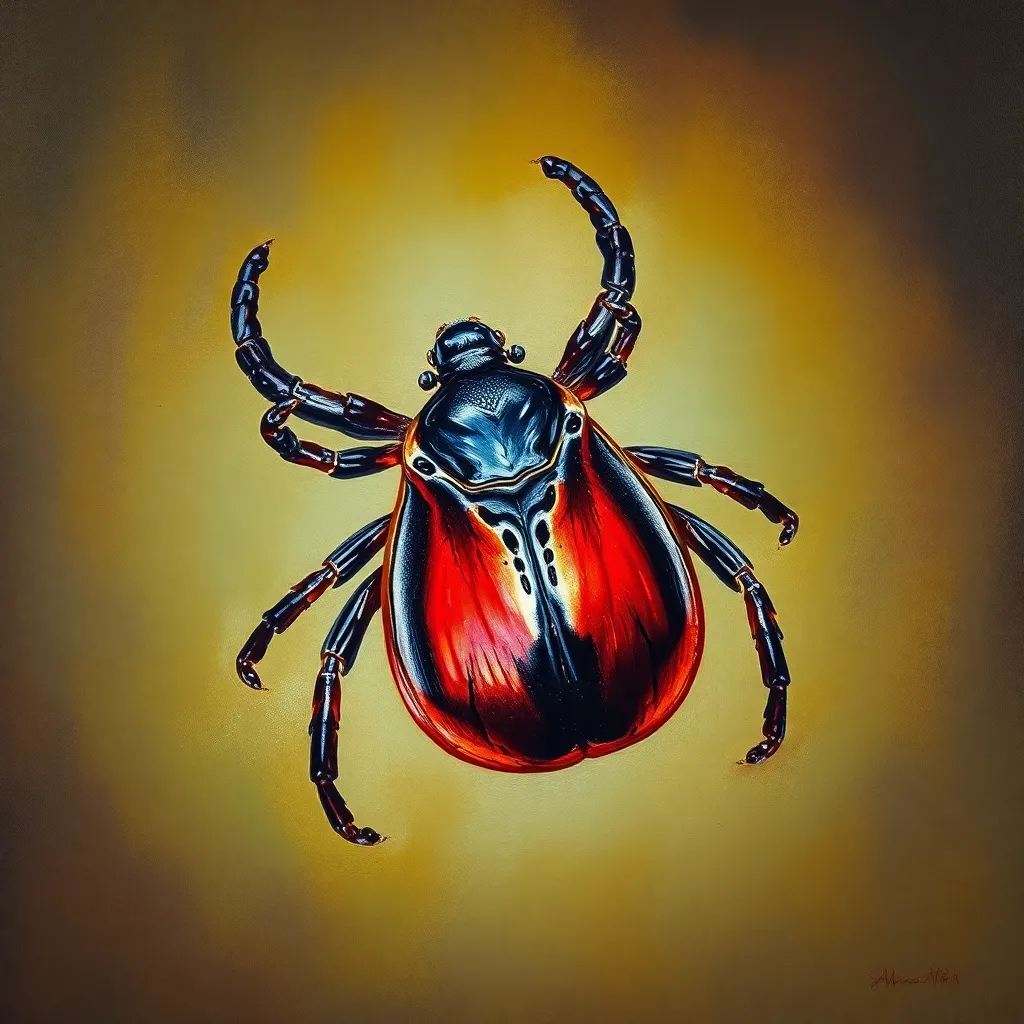
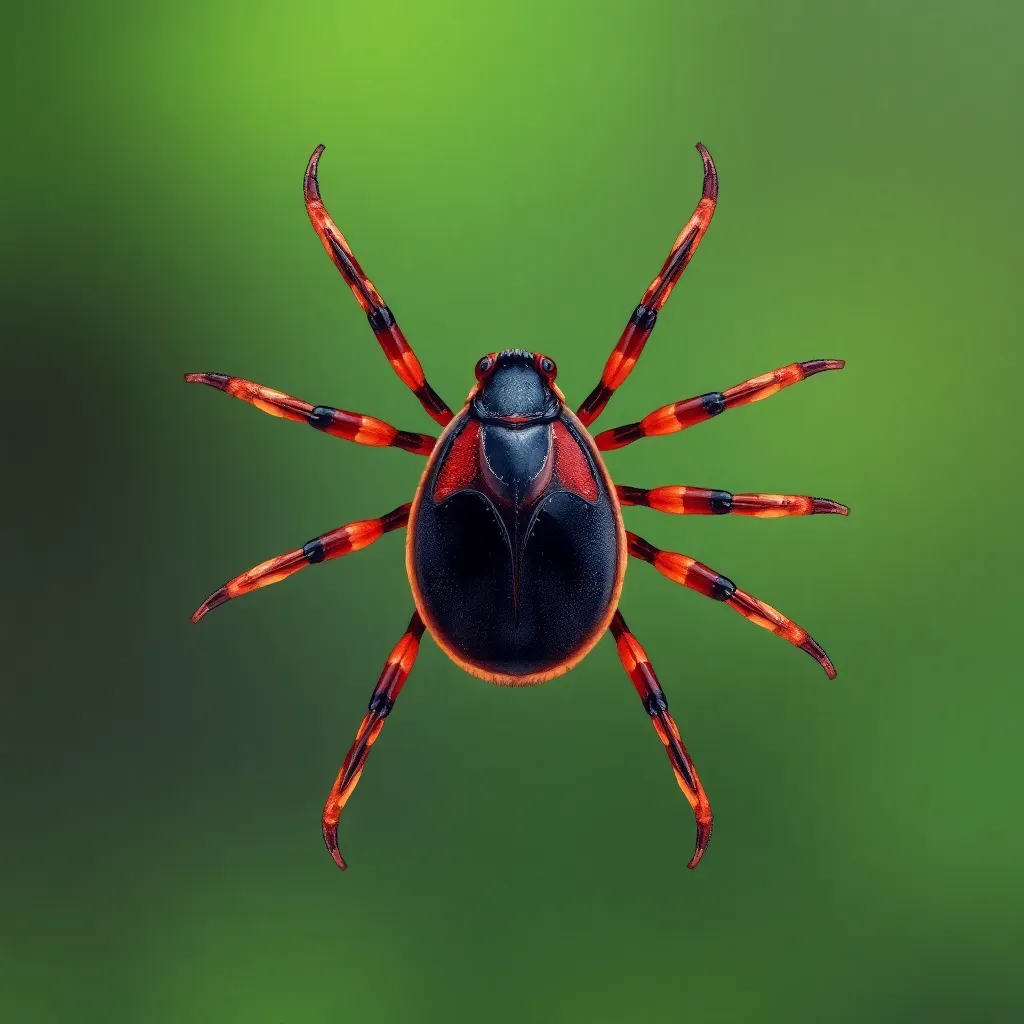
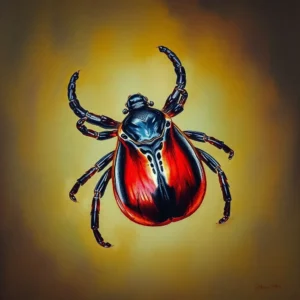
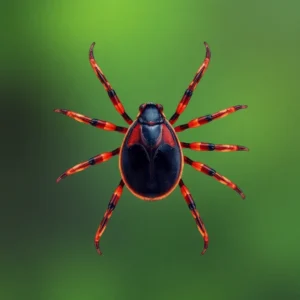
The black-legged tick, or deer tick, is a small arachnid ectoparasite native to eastern North America that feeds on the blood of mammals, birds, and reptiles across its three-stage life cycle. It is the primary vector of Lyme disease, anaplasmosis, babesiosis, and several other pathogens of significant public health concern, making it one of the most medically important arthropods in North America. Ticks do not jump or fly but instead practise ‘questing’ — climbing vegetation and extending their forelegs to grab passing hosts.

⚡ Speed Comparison

Tick
0 km/h
Human
12 km/h
Car (city)
50 km/h
Horse
54 km/h

💡 Fun Facts

01

Ticks can detect the carbon dioxide exhaled by hosts from several metres away using a specialised sensory organ called Haller's organ.

02

A blood-fed female black-legged tick can expand up to 200 times her unfed body weight after engorgement.

03

Ticks are capable of transmitting Lyme disease bacteria to a host within 36-48 hours of attachment.

04

They can survive without a blood meal for up to a year between life stages in cool, humid conditions.

05

Tick saliva contains dozens of bioactive compounds including anticoagulants, immunosuppressants, and anaesthetics.

Unlock Expert Wildlife Facts

Watch a short 15-second video to unlock detailed expert analysis, exclusive wildlife photography, and rare behavioral facts.

📍 Where to Find This Animal

Habitat Types: Forest & Grassland

🛒 Tick Related Gear

As an Amazon Associate we earn from qualifying purchases.
🗨️

Join the Conversation

Share your thoughts about the Tick

✍️

Leave a Comment

Your email address will not be published. Required fields are marked *

How Big Is a Tick?

Side-by-side comparison with an adult human (175 cm)

🧍
Human
175 cm
🕷️
Tick
65 cm
shoulder height
0.002-3 BODY WEIGHT
1-10 BODY LENGTH
0.01 TOP SPEED
2-3 LIFESPAN
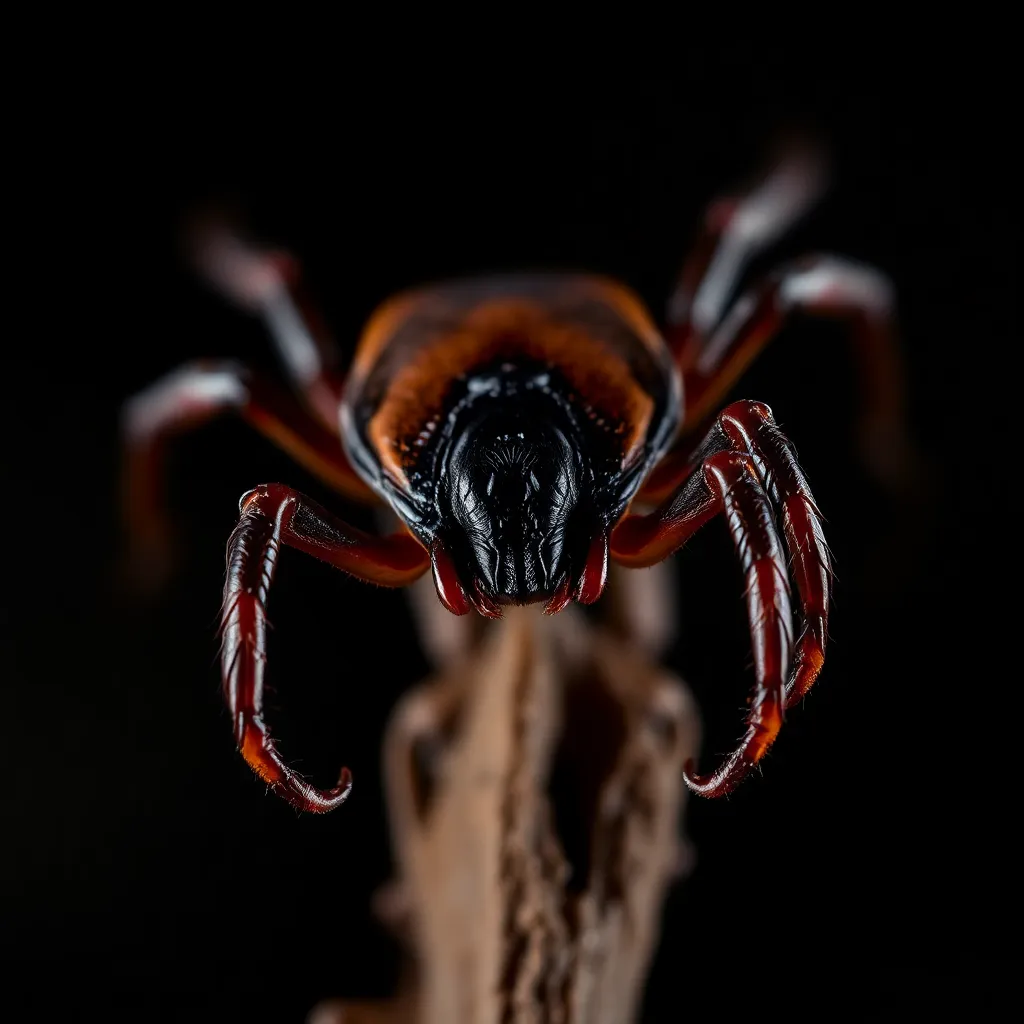
Tick close-up
Tick

SURVIVAL TOOLKIT

Built for Survival

Nature's engineering refined over millions of years

🔬 SURVIVAL TOOLKIT
Haller's Organ
01

Haller's Organ

A specialised sensory pit on the forelegs detects CO₂, heat, moisture, and vibration to locate passing hosts.

Barbed Hypostome
02

Barbed Hypostome

A toothed feeding tube anchors deeply in host skin and cannot be withdrawn without tearing, ensuring secure attachment.

Anaesthetic Saliva
03

Anaesthetic Saliva

Saliva compounds numb the bite site so hosts do not detect attachment, allowing days of uninterrupted feeding.

Questing Posture
04

Questing Posture

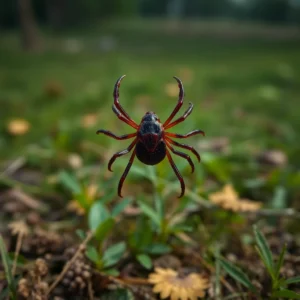
Tick climbs vegetation and holds forelegs outstretched to passively intercept and grasp passing host animals.

Cement Plug
05

Cement Plug

Proteinaceous cement secreted during feeding bonds the mouthparts to host skin, preventing dislodgement.

Silent Bloodfeeder of the Undergrowth. An extraordinary creature that reminds us what we stand to lose.

Jungal Safari · Wildlife Network
💡

Did You Know?

Ticks can detect the carbon dioxide exhaled by hosts from several metres away using a specialised sensory organ called Haller's organ.

🍖 DIET: CARNIVORE

What Does the Tick Eat?

🦌
Deer Blood
🐭
Rodent Blood
🐦
Bird Blood
🦊
Fox & Carnivore Blood
🗺️ GEOGRAPHIC RANGE

Where Do Ticks Live?

🌍
Continents
📈
Population Trend Increasing

Conservation in Action

How You Can Help the Tick

Small actions, taken together, can reverse the decline of species like this one

🌳
Protect Habitat

Support wildlife reserves and protected land corridors

🚫
Stop Poaching

Report illegal trade and back anti-poaching patrols

🔬
Fund Research

Camera-trap studies and population monitoring

🤝
Community Work

Partner with local herders to reduce conflict

📢
Raise Awareness

Educate and inspire future wildlife champions

"Without urgent action, the Tick could disappear from the wild within our lifetime."

PROTECT THEM. PRESERVE THEIR LEGACY.

The Tick's Future
Is In Our Hands

Every share, every donation, every voice raised — makes a difference for wildlife conservation.

🌳Protect Habitat
📢Raise Awareness
💰Fund Research
🤝Community Work
🚫Stop Poaching

"Protect Wildlife. Preserve Our Planet."

Every species matters. Every action counts.

Advertisement