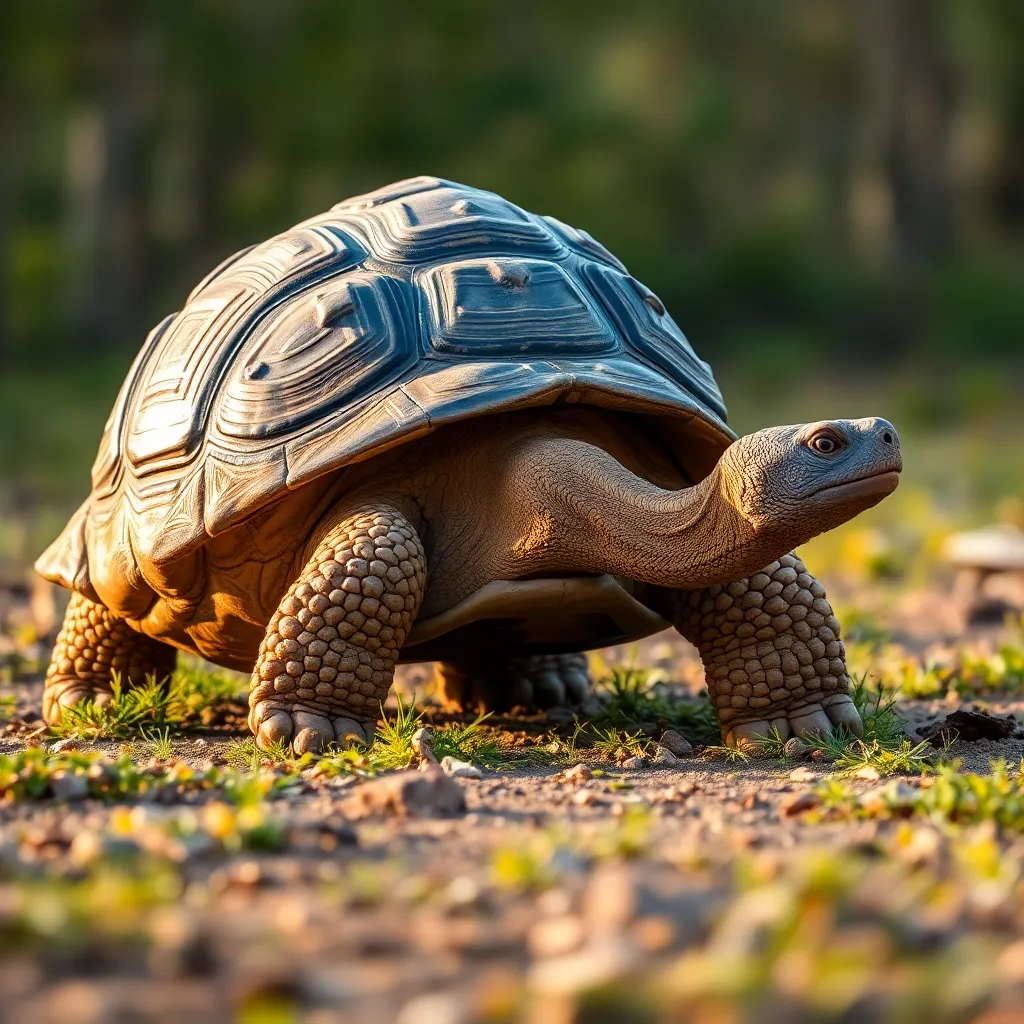
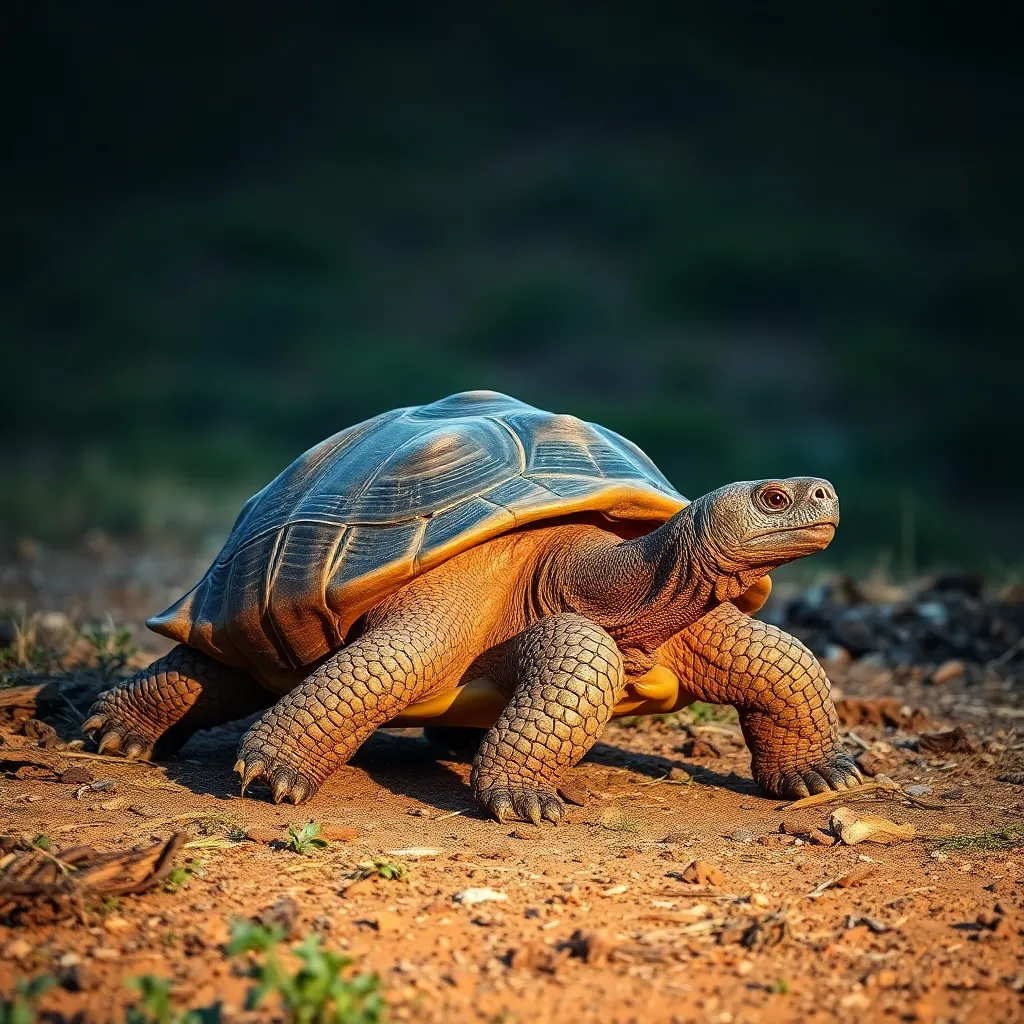
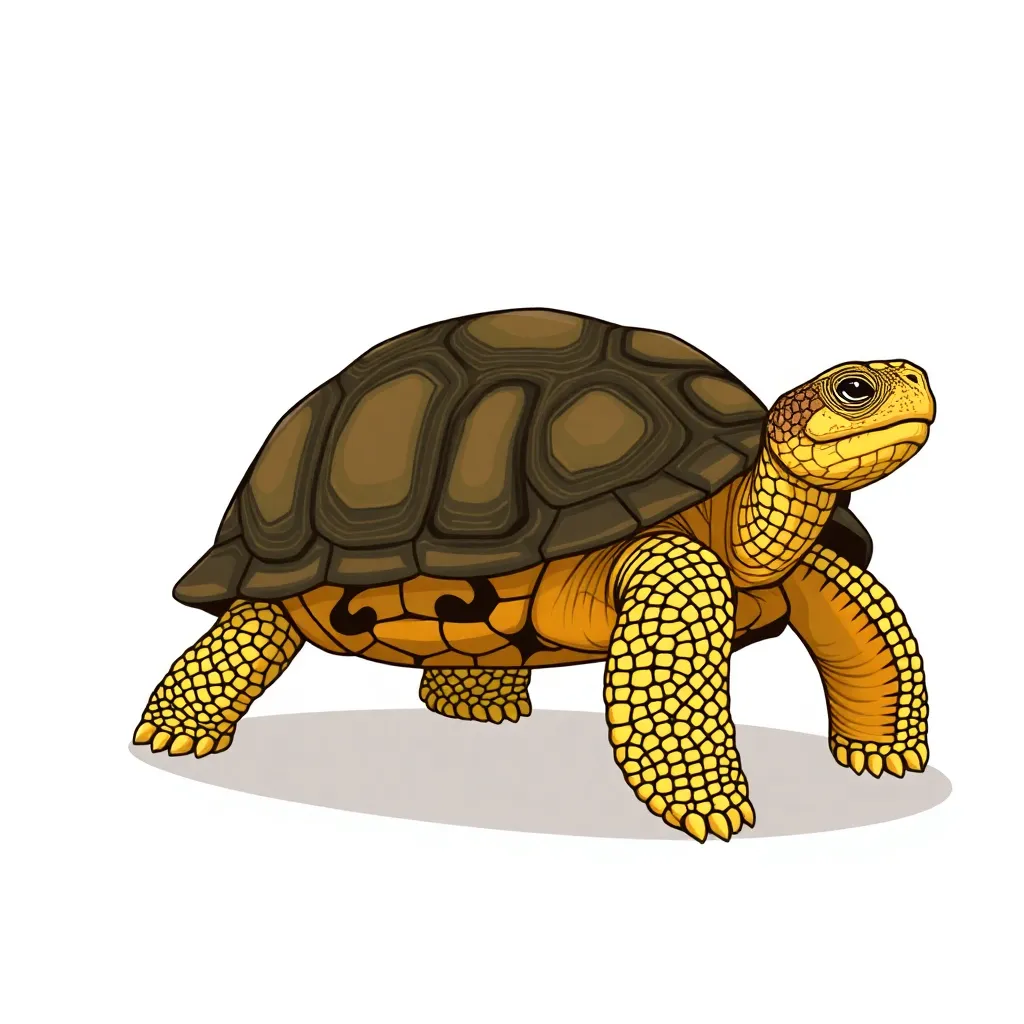
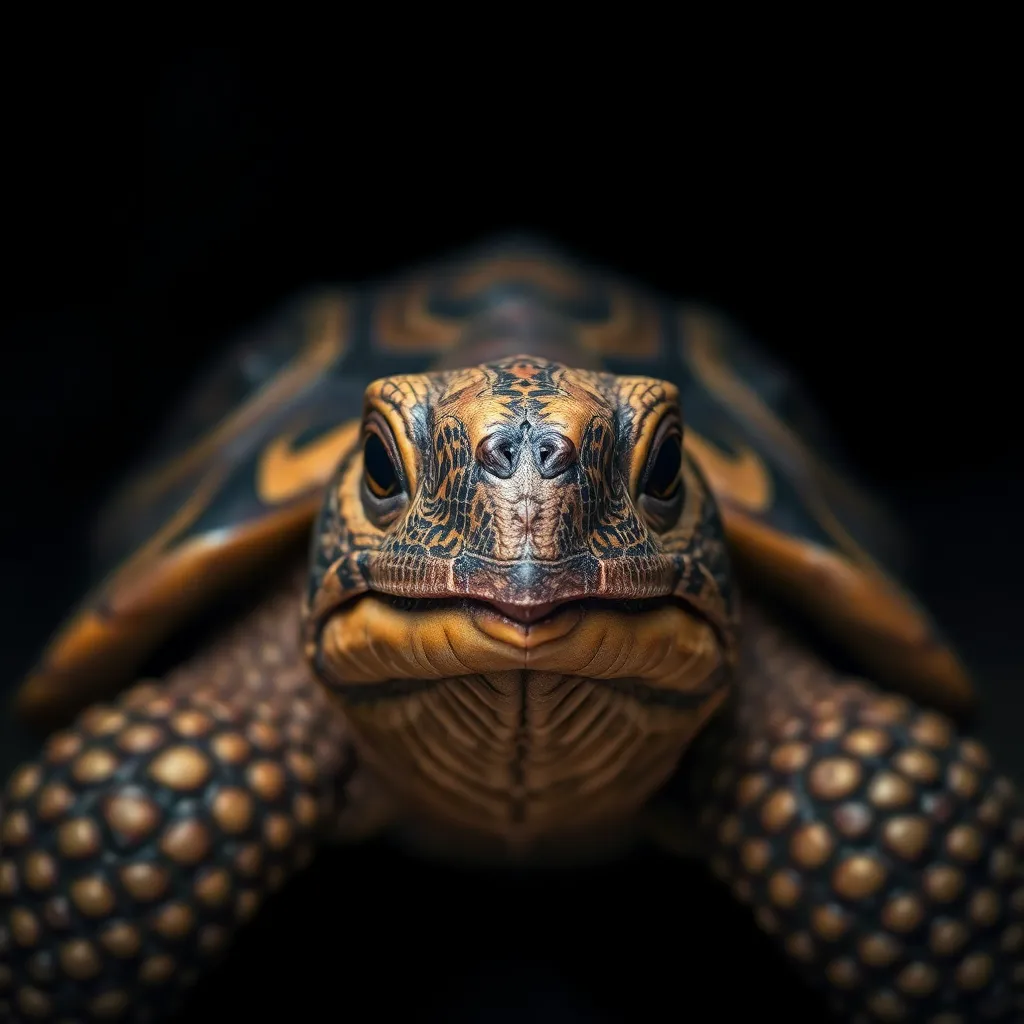
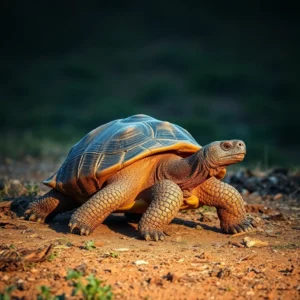
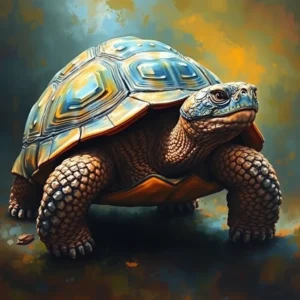
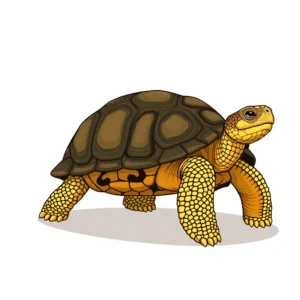
The Aldabra giant tortoise is one of the world’s largest land tortoises and one of the longest-lived vertebrates on Earth, with reliable records exceeding 150 years. Native to the Aldabra Atoll in the Seychelles, this species survived extinction largely because the remote atoll was difficult to colonise. In the ecological role of large mammalian grazers absent from islands, they function as ‘ecological engineers,’ shaping vegetation and creating pathways used by many other species.
About the Tortoise
Aldabrachelys gigantea
Advertisement
⚡ Speed Comparison
📸 Photo Gallery
💡 Fun Facts
01
Jonathan, an Aldabra tortoise living on St Helena island, is estimated to be at least 191 years old — the oldest confirmed living land animal.
02
Giant tortoises can go without food or water for up to a year, storing fat in their bodies, which historically made them prized as living provisions on sailing ships.
03
Their domed shell is actually modified vertebrae and ribcage fused with dermal bone — they cannot leave their shells.
04
Tortoises are ectothermic and regulate body temperature by moving between sun and shade; on hot days, they cool by wallowing in mud or shallow water.
05
Aldabra tortoises fill the ecological niche of elephants and other large herbivores on islands — they disperse seeds, trample vegetation, and create open grazing areas.
📍 Where to Find This Animal
Habitat Types:
Tropical Island
🛒 Tortoise Related Gear
As an Amazon Associate we earn from qualifying purchases.
Join the Conversation
Share your thoughts about the Tortoise