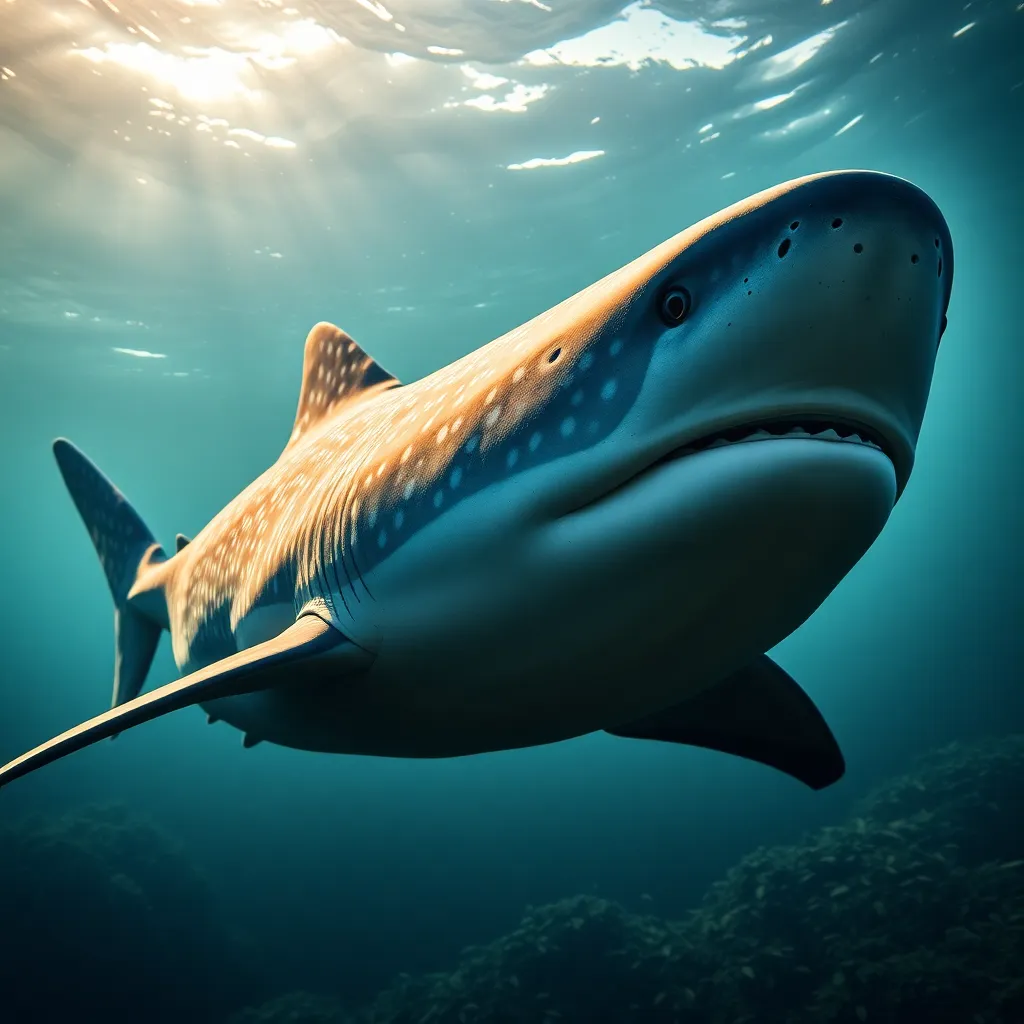
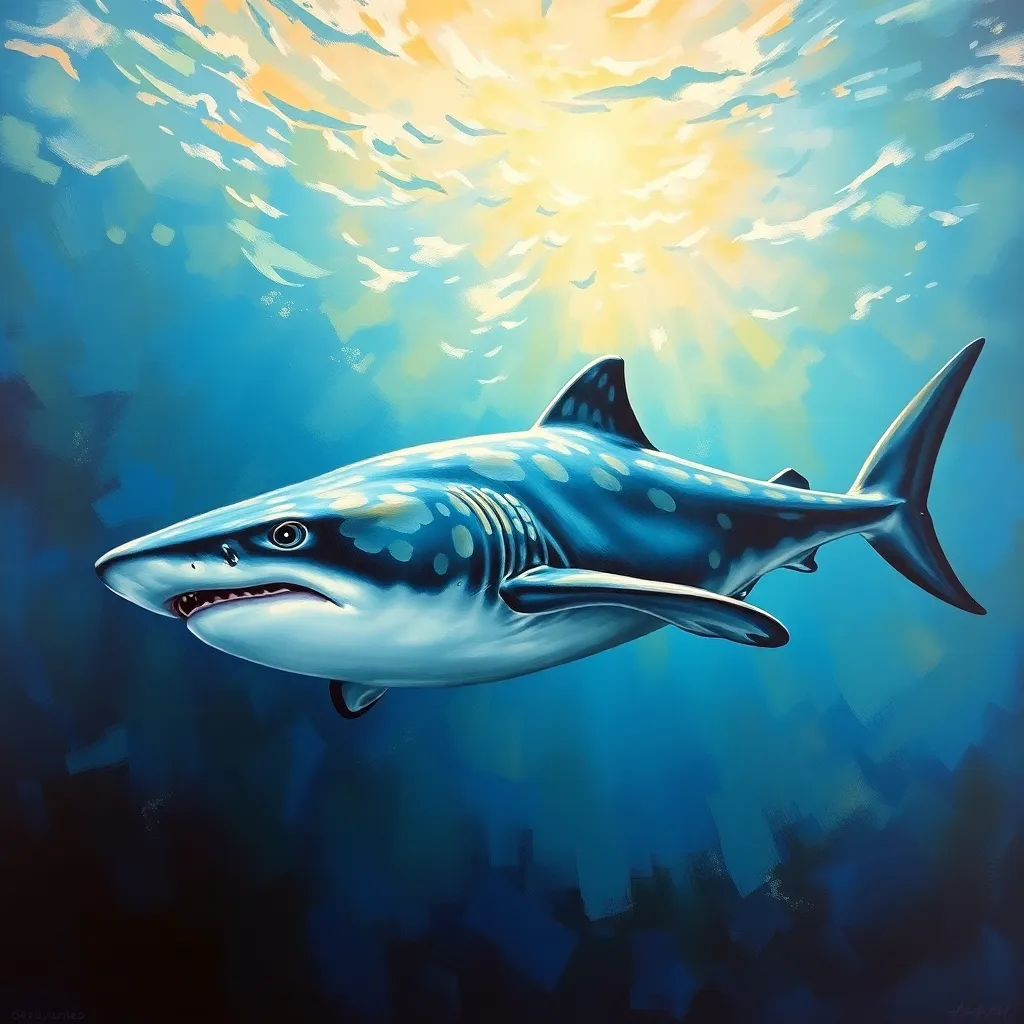
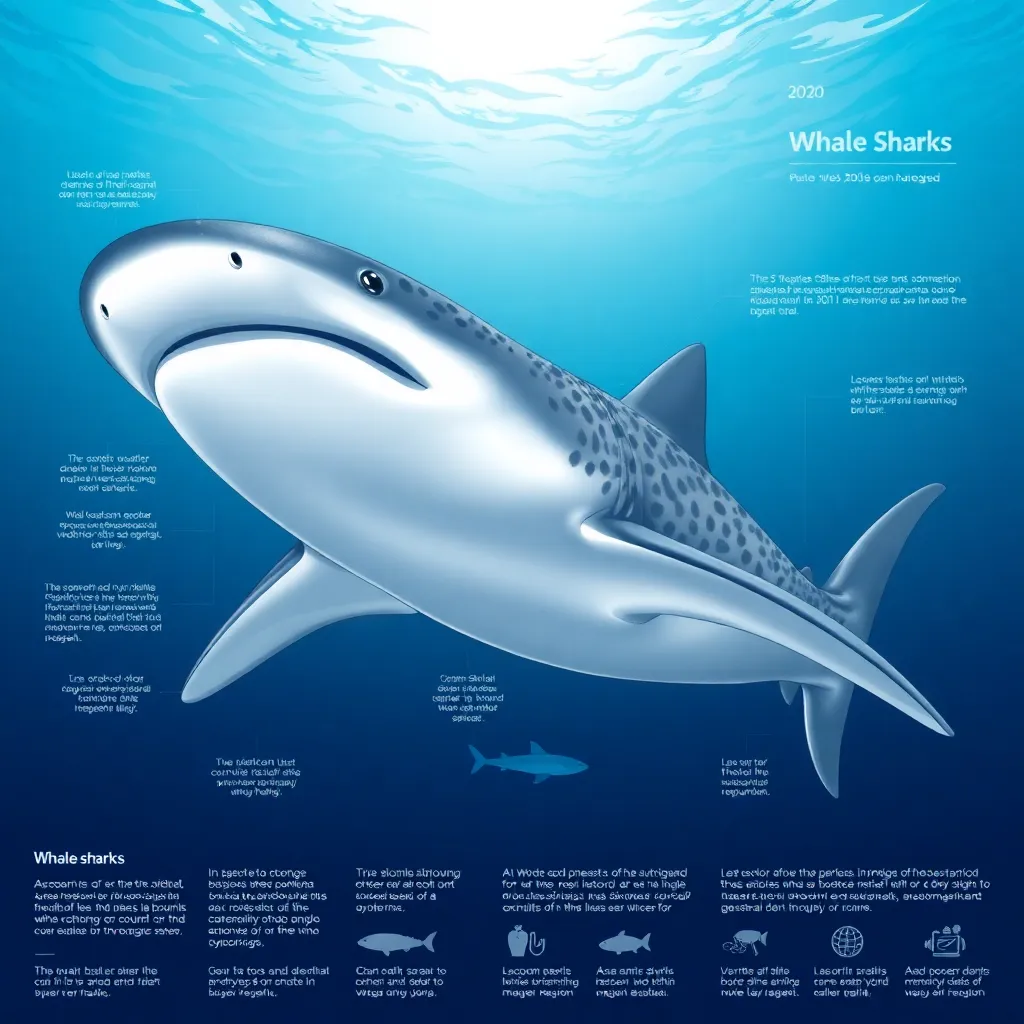
The whale shark is the world’s largest fish, a slow-moving filter feeder that drifts through tropical oceans consuming enormous volumes of tiny plankton, fish eggs, and small fish. Despite its massive size, it is completely harmless to humans and is known to interact calmly with divers. Whale sharks aggregate in predictable locations and seasons, often at coral spawning events or upwelling zones, to exploit concentrated food resources. Their populations have declined by over 50% in the past 75 years due to hunting, bycatch, and ship strikes.
About the Whale Shark
Rhincodon typus
Advertisement
⚡ Speed Comparison
📸 Photo Gallery


💡 Fun Facts
01
The whale shark's mouth can be up to 1.5 meters wide and filter approximately 600 cubic meters of water per hour, but its throat is only about 10 cm in diameter — physically incapable of swallowing a human.
02
Each whale shark has a unique pattern of white spots and stripes behind the gills, as individual as a human fingerprint, allowing photo-identification of thousands of individual sharks worldwide.
03
Whale sharks are ovoviviparous: a female carries up to 300 eggs internally, with pups hatching inside the mother at different times — making them the most fecund live-bearing vertebrate.
04
Their skin is up to 15 cm thick — the thickest of any animal — and contains dermal denticles so hard that historical Japanese fishermen used whale shark skin as sandpaper.
05
Whale sharks can dive to depths of nearly 2,000 meters despite being primarily surface filter feeders, with the deepest dives likely used for thermoregulation after long surface feeding sessions.
📍 Where to Find This Animal
Habitat Types:
Tropical & Warm Temperate Oceans
🛒 Whale Shark Related Gear
As an Amazon Associate we earn from qualifying purchases.





Join the Conversation
Share your thoughts about the Whale Shark