Loading Wildlife…

Alligatoridae LC

THE

ALLIGATOR

Living Fossil of the Bayou

Alligator mississippiensis

North America
CLASS Reptilia FAMILY Alligatoridae GENUS Alligator
56 km/h
Top Speed
⚖️
68–450 kg
Max Weight
📏
2.5–4.5 m
Body Length
🕰️
35–50 years
Lifespan
🍖
Carnivore
Diet Type

IUCN Red List — Where this species stands

LC Least Concern
NT Near Threatened
VU Vulnerable
EN Endangered
CR Critical
EW Extinct Wild
EX Extinct

About the Alligator

Alligator mississippiensis

Advertisement

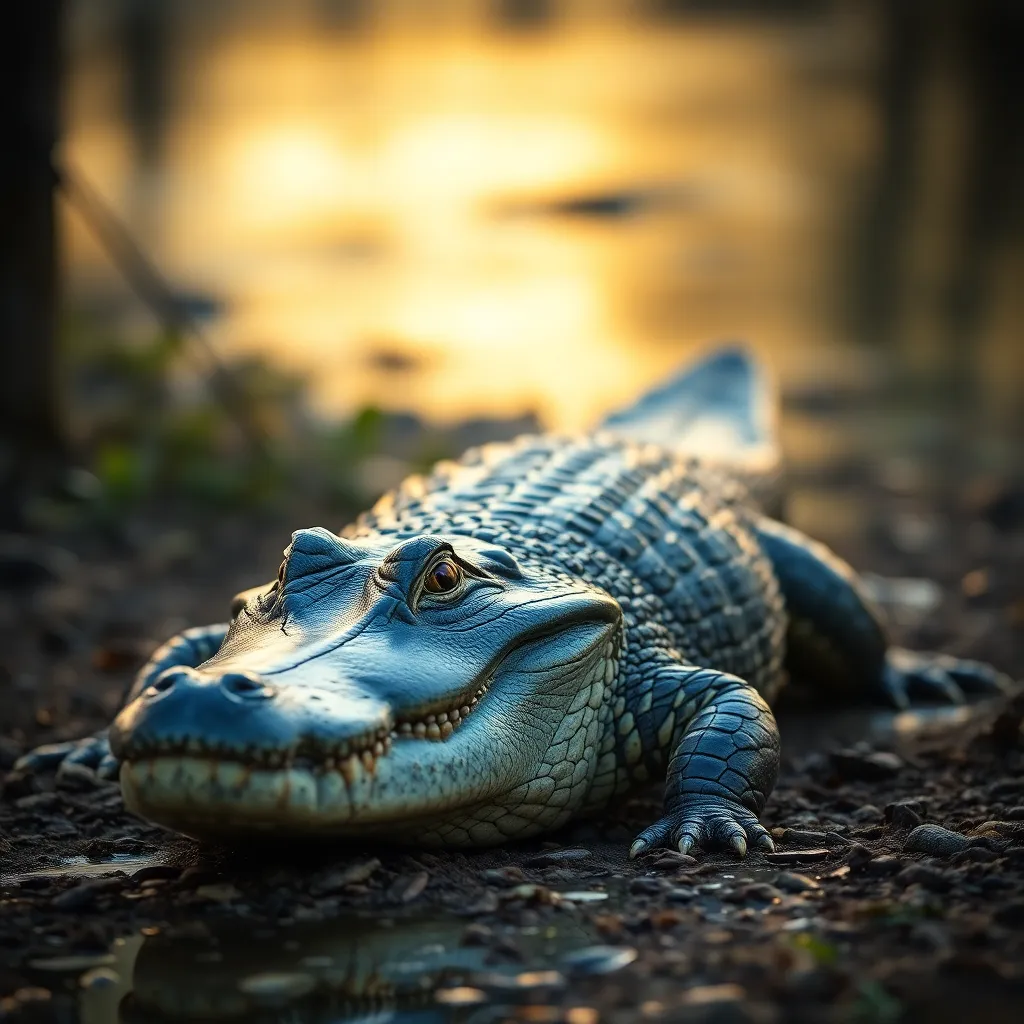
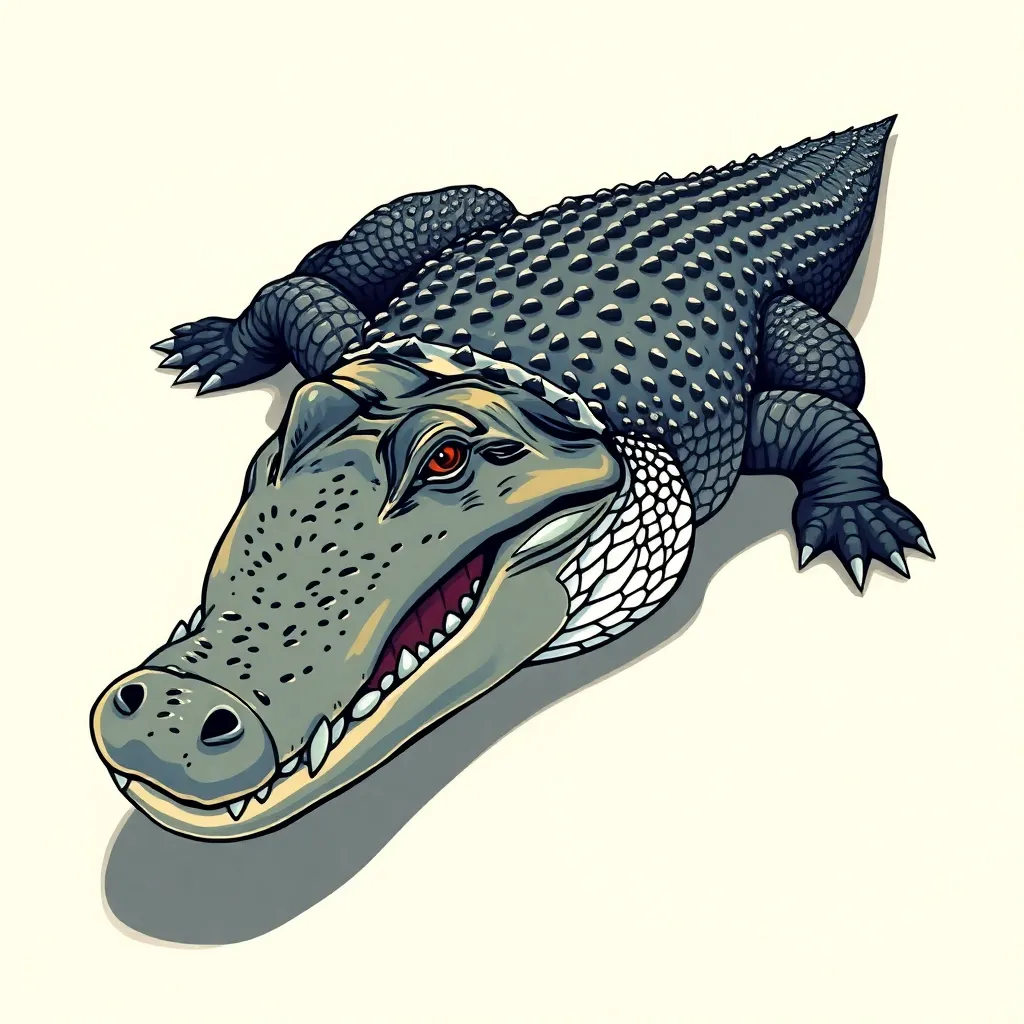
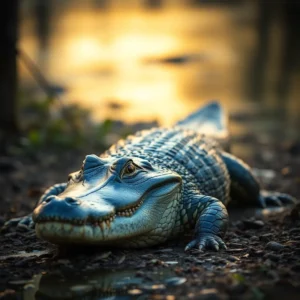
The American alligator is a living relic of the age of dinosaurs, belonging to an archosaur lineage that has remained relatively unchanged for over 200 million years. Hunted nearly to extinction by the 1960s, the American alligator became one of conservation’s great success stories after being listed under the Endangered Species Act — today the population exceeds one million. Alligators are keystone species that create and maintain vital wetland habitats; their wallowing excavates depressions called gator holes that retain water during droughts, sustaining fish, birds, and other wildlife.

⚡ Speed Comparison

Human
12 km/h
Car (city)
50 km/h
Horse
54 km/h
Alligator
56 km/h

💡 Fun Facts

01

American alligators were among the first species protected under the US Endangered Species Act and recovered from near-extinction to over one million individuals.

02

Alligators can grow new teeth throughout their lives — a single individual may go through 3,000 teeth over a lifetime.

03

The sex of alligator hatchlings is determined entirely by nest temperature: above 34°C produces males; below 30°C produces females.

04

Alligators cannot fully regulate their own body temperature and may freeze in cold water, exposing just their nostrils — a behavior called icing.

05

An alligator's bite force is the strongest measured of any animal on Earth — up to 9,452 Newtons — yet the muscles opening the jaw are so weak they can be held shut by a rubber band.

Unlock Expert Wildlife Facts

Watch a short 15-second video to unlock detailed expert analysis, exclusive wildlife photography, and rare behavioral facts.

📍 Where to Find This Animal

🛒 Alligator Related Gear

As an Amazon Associate we earn from qualifying purchases.
🗨️

Join the Conversation

Share your thoughts about the Alligator

✍️

Leave a Comment

Your email address will not be published. Required fields are marked *

How Big Is a Alligator?

Side-by-side comparison with an adult human (175 cm)

🧍
Human
175 cm
🐊
Alligator
65 cm
shoulder height
68–450 BODY WEIGHT
2.5–4.5 BODY LENGTH
56 TOP SPEED
35–50 LIFESPAN
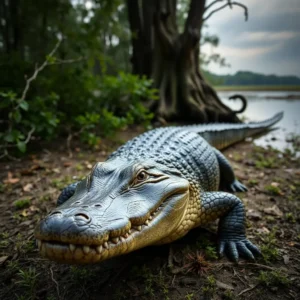
Alligator close-up
Alligator

SURVIVAL TOOLKIT

Built for Survival

Nature's engineering refined over millions of years

🔬 SURVIVAL TOOLKIT
Temperature-Dependent Sex
01

Temperature-Dependent Sex

Nest incubation temperature controls hatchling sex ratio, allowing populations to adjust gender balance to environmental conditions.

Polyphyodont Dentition
02

Polyphyodont Dentition

Teeth are replaced continuously throughout life — up to 3,000 teeth over a lifetime — ensuring permanent functional bite force.

Semi-Aquatic Body Plan
03

Semi-Aquatic Body Plan

Laterally compressed tail, dorsally positioned eyes and nostrils, and valve-sealed throat enable fully submerged silent approaches.

Thermoregulatory Basking
04

Thermoregulatory Basking

External heat dependence is compensated by precise behavioral basking that maintains optimal body temperatures for digestion and activity.

Keystone Gator Holes
05

Keystone Gator Holes

Repeated wallowing excavates deep pools that retain water in drought, creating critical wetland refugia for surrounding wildlife.

Dermal Pressure Receptors
06

Dermal Pressure Receptors

Thousands of integumentary sensory organs on the jaw detect water pressure changes from moving prey at extreme sensitivity.

Living Fossil of the Bayou. An extraordinary creature that reminds us what we stand to lose.

Jungal Safari · Wildlife Network
💡

Did You Know?

American alligators were among the first species protected under the US Endangered Species Act and recovered from near-extinction to over one million individuals.

🍖 DIET: CARNIVORE

What Does the Alligator Eat?

🐟
Fish
🐢
Turtles
🦌
Deer & Large Mammals
🐦
Wading Birds
🐊
Smaller Reptiles
🦞
Crayfish & Invertebrates
🗺️ GEOGRAPHIC RANGE

Where Do Alligators Live?

🌍
Continents
📈
Population Trend Increasing

Conservation in Action

How You Can Help the Alligator

Small actions, taken together, can reverse the decline of species like this one

🌳
Protect Habitat

Support wildlife reserves and protected land corridors

🚫
Stop Poaching

Report illegal trade and back anti-poaching patrols

🔬
Fund Research

Camera-trap studies and population monitoring

🤝
Community Work

Partner with local herders to reduce conflict

📢
Raise Awareness

Educate and inspire future wildlife champions

"Without urgent action, the Alligator could disappear from the wild within our lifetime."

PROTECT THEM. PRESERVE THEIR LEGACY.

The Alligator's Future
Is In Our Hands

Every share, every donation, every voice raised — makes a difference for wildlife conservation.

🌳Protect Habitat
📢Raise Awareness
💰Fund Research
🤝Community Work
🚫Stop Poaching

"Protect Wildlife. Preserve Our Planet."

Every species matters. Every action counts.

Advertisement