Loading Wildlife…

Formicidae LC

THE

ANT

Tiny Engineer of the Earth

Formica rufa

Global
CLASS Insecta FAMILY Formicidae GENUS Formica
3 km/h
Top Speed
⚖️
1–50 mg kg
Max Weight
📏
4–9 mm
Body Length
🕰️
1–15 years (varies by caste)
Lifespan
🍖
Omnivore
Diet Type

IUCN Red List — Where this species stands

LC Least Concern
NT Near Threatened
VU Vulnerable
EN Endangered
CR Critical
EW Extinct Wild
EX Extinct

About the Ant

Formica rufa

Advertisement

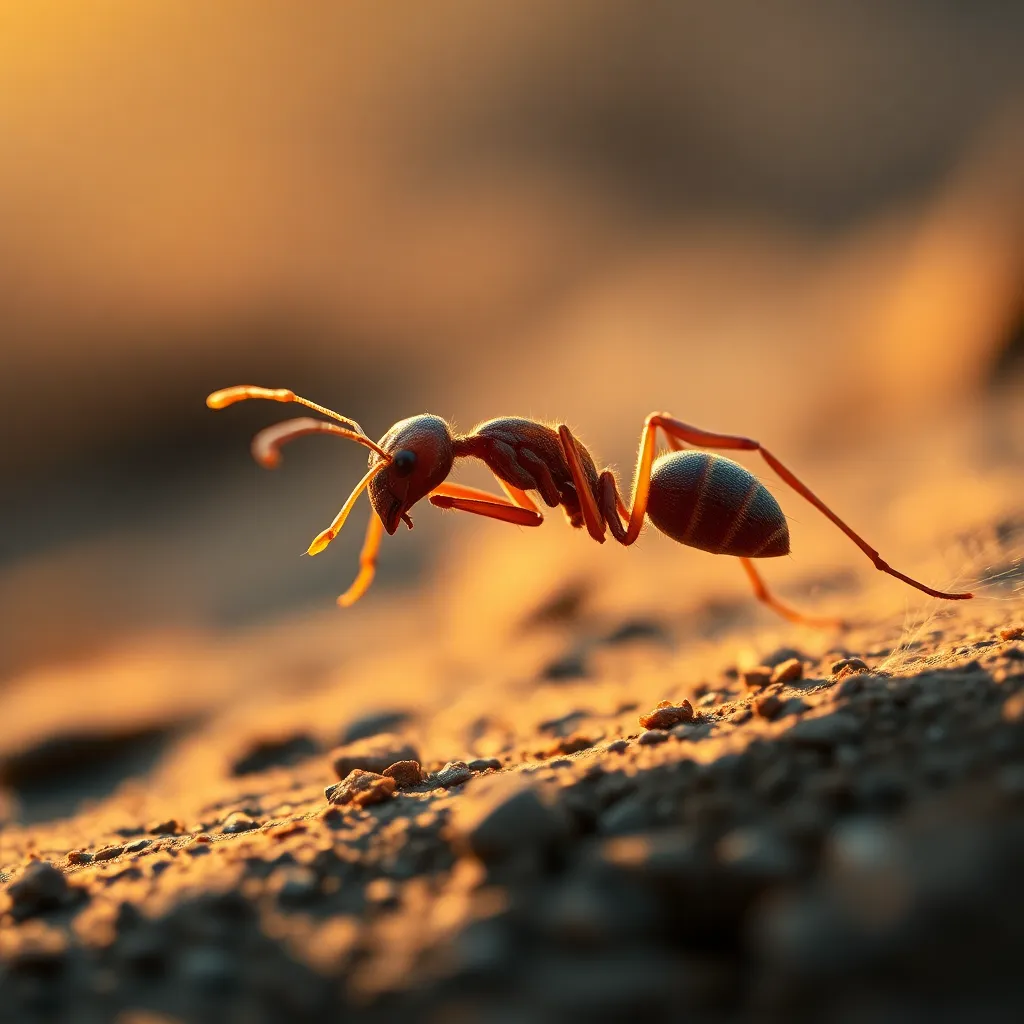
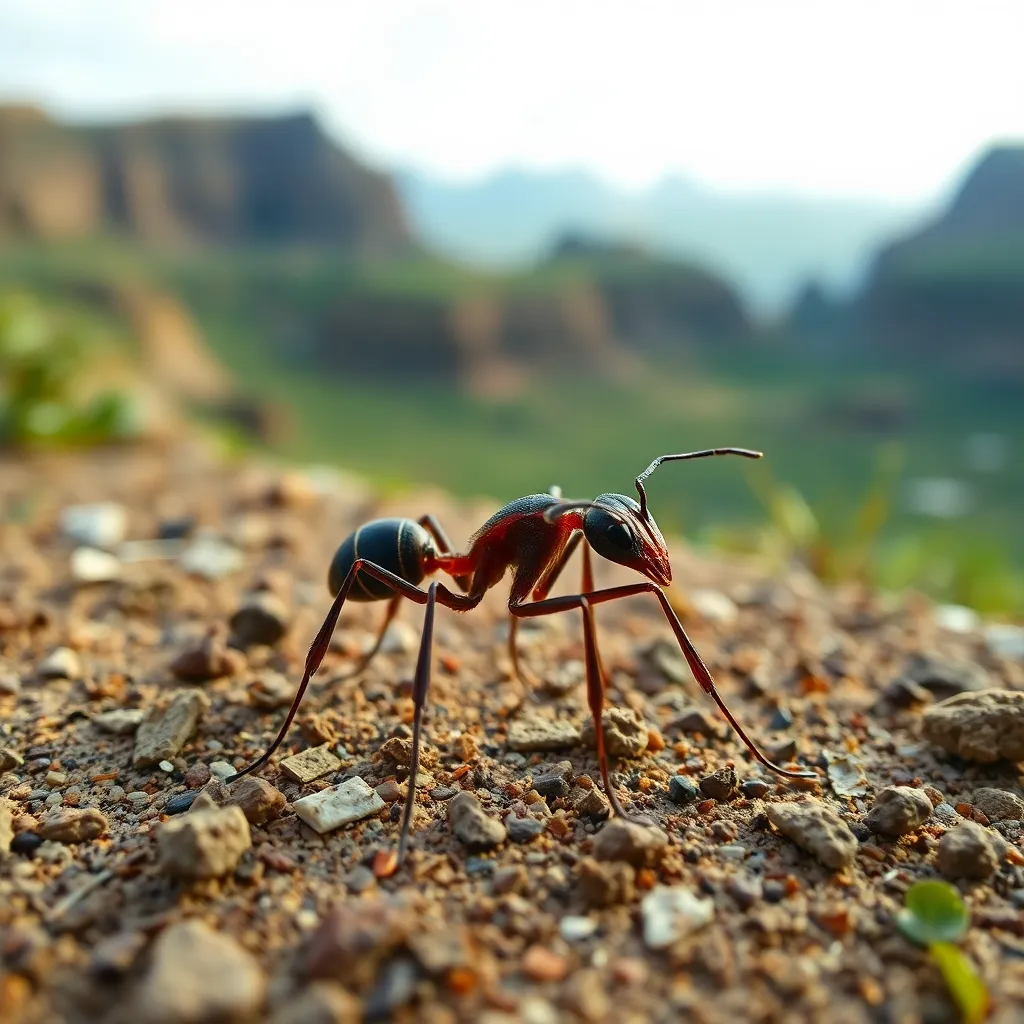
The red wood ant is one of the largest ant species in Europe and a keystone species of temperate forest ecosystems, constructing mound nests that can house over a million individuals and reach one metre in height. Ants collectively move more soil than earthworms in many ecosystems, aerating and fertilizing the ground on a vast scale. A single wood ant colony has been described as a superorganism, with individual workers functioning like cells in a body — each caste specialized for a precise role including foraging, defense, nursing, or engineering.

⚡ Speed Comparison

Ant
3 km/h
Human
12 km/h
Car (city)
50 km/h
Horse
54 km/h

💡 Fun Facts

01

Ants can lift 10–50 times their own body weight; scaled to human size, that would be equivalent to lifting a car.

02

Red wood ants spray formic acid — the chemical from which the word 'ant' (Latin: formica) derives — as a potent defensive secretion that deters insects, fungi, and even small vertebrates.

03

The collective biomass of all ants on Earth is estimated to equal or exceed the total biomass of all wild terrestrial vertebrate animals combined.

04

Wood ant queens can live over 15 years and lay millions of eggs over their lifetime, while worker ants typically live only 1–3 years.

05

Ants farm aphids like livestock — they stroke them with their antennae to stimulate honeydew secretion, protect them from predators, and even carry them to fresh plant growth.

Unlock Expert Wildlife Facts

Watch a short 15-second video to unlock detailed expert analysis, exclusive wildlife photography, and rare behavioral facts.

📍 Where to Find This Animal

🛒 Ant Related Gear

As an Amazon Associate we earn from qualifying purchases.
🗨️

Join the Conversation

Share your thoughts about the Ant

✍️

Leave a Comment

Your email address will not be published. Required fields are marked *

How Big Is a Ant?

Side-by-side comparison with an adult human (175 cm)

🧍
Human
175 cm
🐜
Ant
65 cm
shoulder height
1–50 BODY WEIGHT
4–9 BODY LENGTH
3 TOP SPEED
1–15 LIFESPAN
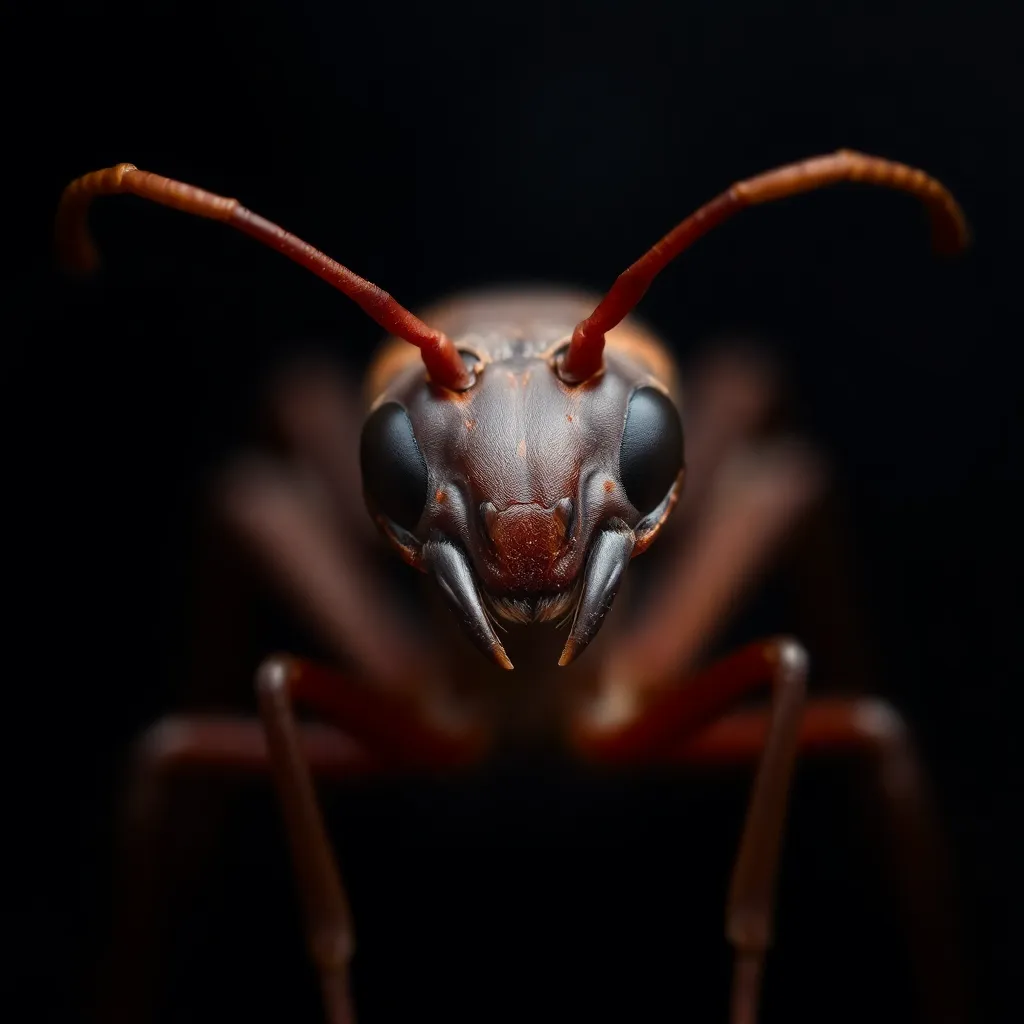
Ant close-up
Ant

SURVIVAL TOOLKIT

Built for Survival

Nature's engineering refined over millions of years

🔬 SURVIVAL TOOLKIT
Pheromone Communication
01

Pheromone Communication

Ants lay chemical trails and release alarm compounds using glands distributed across their body, coordinating colony behavior across distances without any central command.

Collective Construction
02

Collective Construction

Colonies build elaborate mound structures with thermal regulation chambers, nurseries, fungal gardens, and waste disposal areas engineered entirely through emergent collective behavior.

Allometric Strength
03

Allometric Strength

An exoskeleton-muscle arrangement gives ants a strength-to-weight ratio that allows them to carry loads far exceeding their own body mass over long distances.

Mandible Specialization
04

Mandible Specialization

Worker castes within a colony have differently shaped mandibles — some for cutting, some for carrying, some for defense — with morphology determined during larval development.

Mound Thermoregulation
05

Mound Thermoregulation

Wood ant mounds are precisely oriented to maximize solar gain, and ants physically move larvae between warm and cool chambers to maintain optimal developmental temperatures.

Polarized Light Navigation
06

Polarized Light Navigation

Ants navigate using polarized light patterns in the sky invisible to humans, combined with a step-counting pedometer mechanism that allows them to retrace exact paths.

Tiny Engineer of the Earth. An extraordinary creature that reminds us what we stand to lose.

Jungal Safari · Wildlife Network
💡

Did You Know?

Ants can lift 10–50 times their own body weight; scaled to human size, that would be equivalent to lifting a car.

🍖 DIET: OMNIVORE

What Does the Ant Eat?

🍬
Honeydew from Aphids
🌰
Seeds & Nuts
🥩
Dead Insects & Prey
🍄
Fungi & Carrion
🌿
Plant Sap & Nectar
🗺️ GEOGRAPHIC RANGE

Where Do Ants Live?

🌍
Continents
➡️
Population Trend Stable

Conservation in Action

How You Can Help the Ant

Small actions, taken together, can reverse the decline of species like this one

🌳
Protect Habitat

Support wildlife reserves and protected land corridors

🚫
Stop Poaching

Report illegal trade and back anti-poaching patrols

🔬
Fund Research

Camera-trap studies and population monitoring

🤝
Community Work

Partner with local herders to reduce conflict

📢
Raise Awareness

Educate and inspire future wildlife champions

"Without urgent action, the Ant could disappear from the wild within our lifetime."

PROTECT THEM. PRESERVE THEIR LEGACY.

The Ant's Future
Is In Our Hands

Every share, every donation, every voice raised — makes a difference for wildlife conservation.

🌳Protect Habitat
📢Raise Awareness
💰Fund Research
🤝Community Work
🚫Stop Poaching

"Protect Wildlife. Preserve Our Planet."

Every species matters. Every action counts.

Advertisement