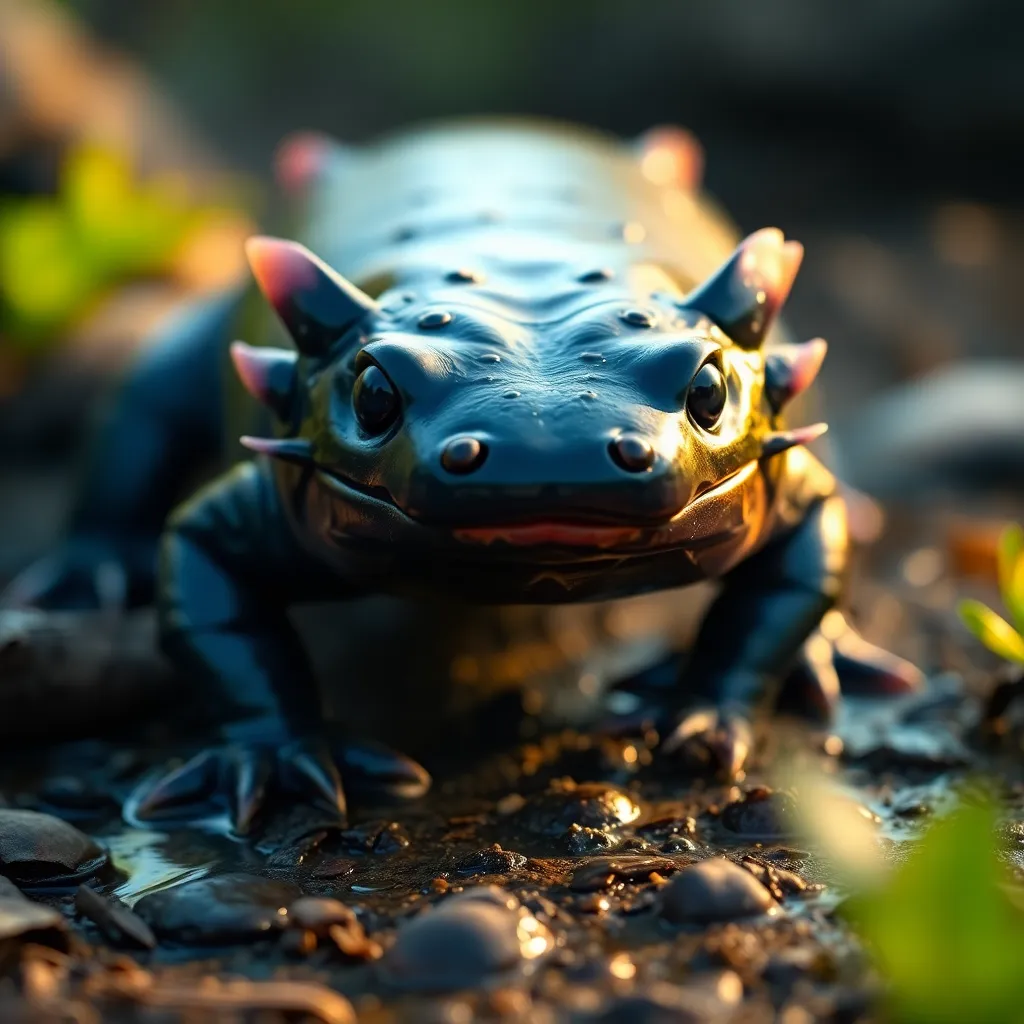
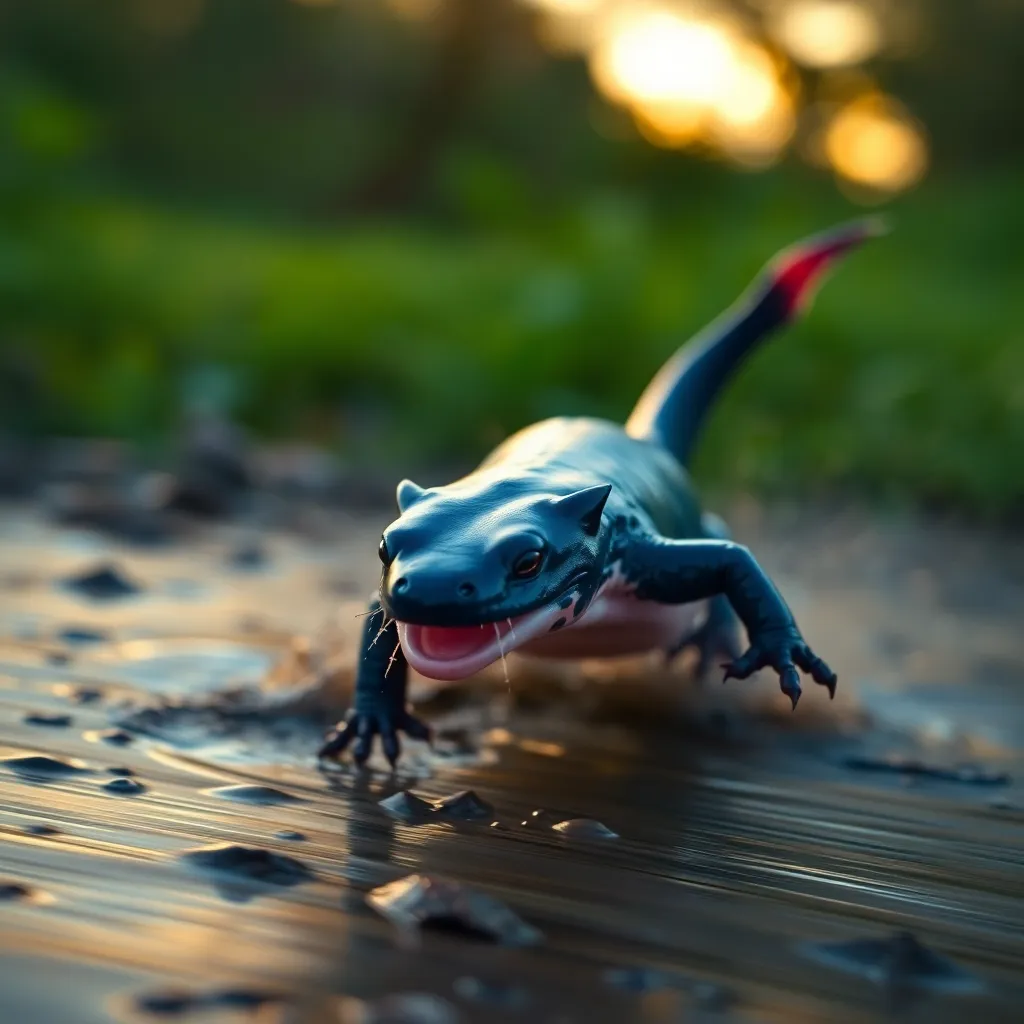
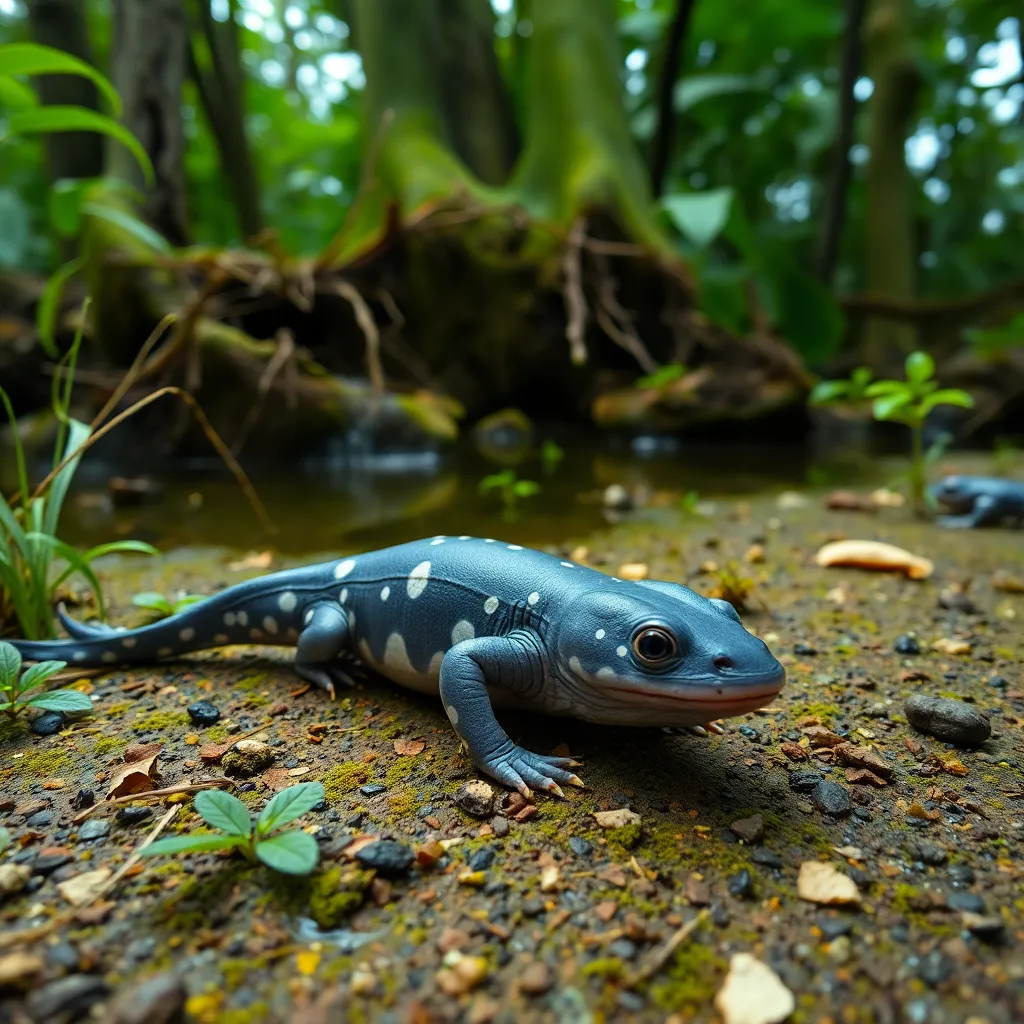
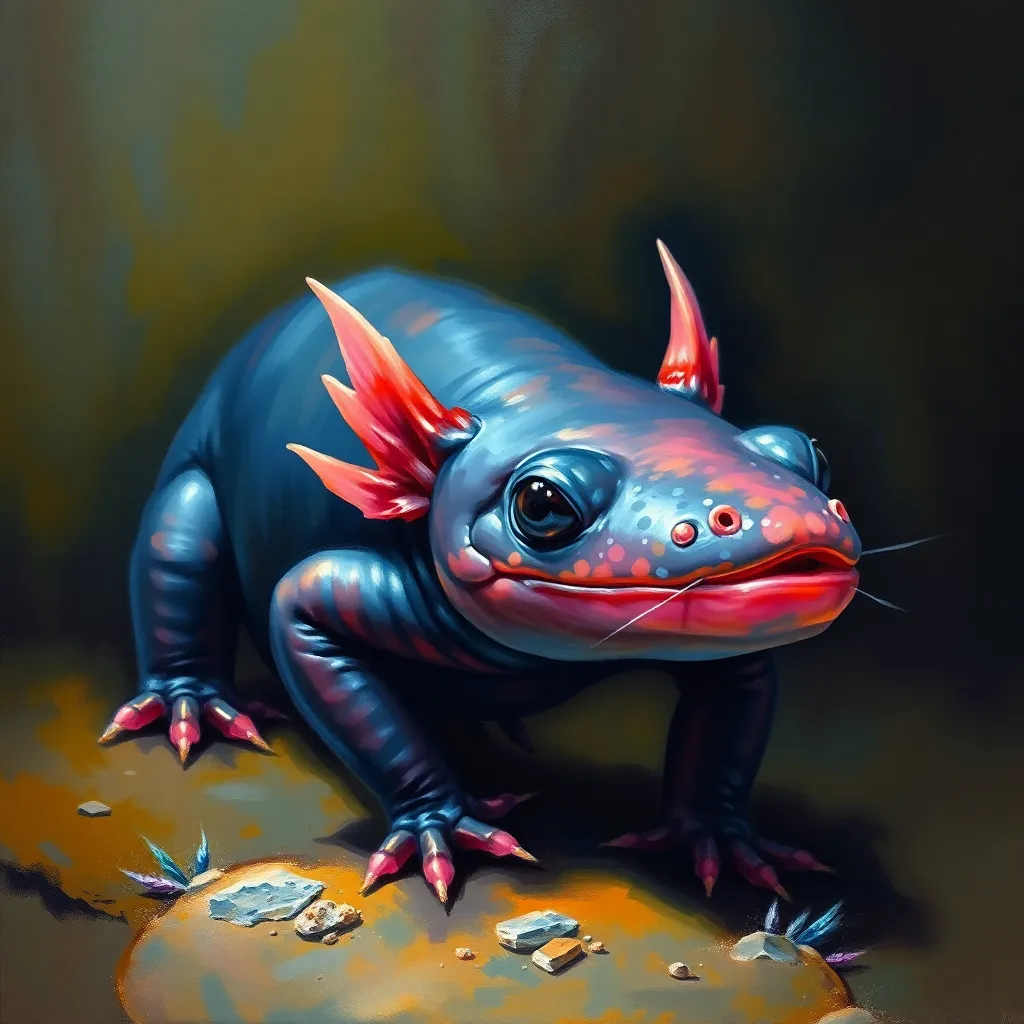
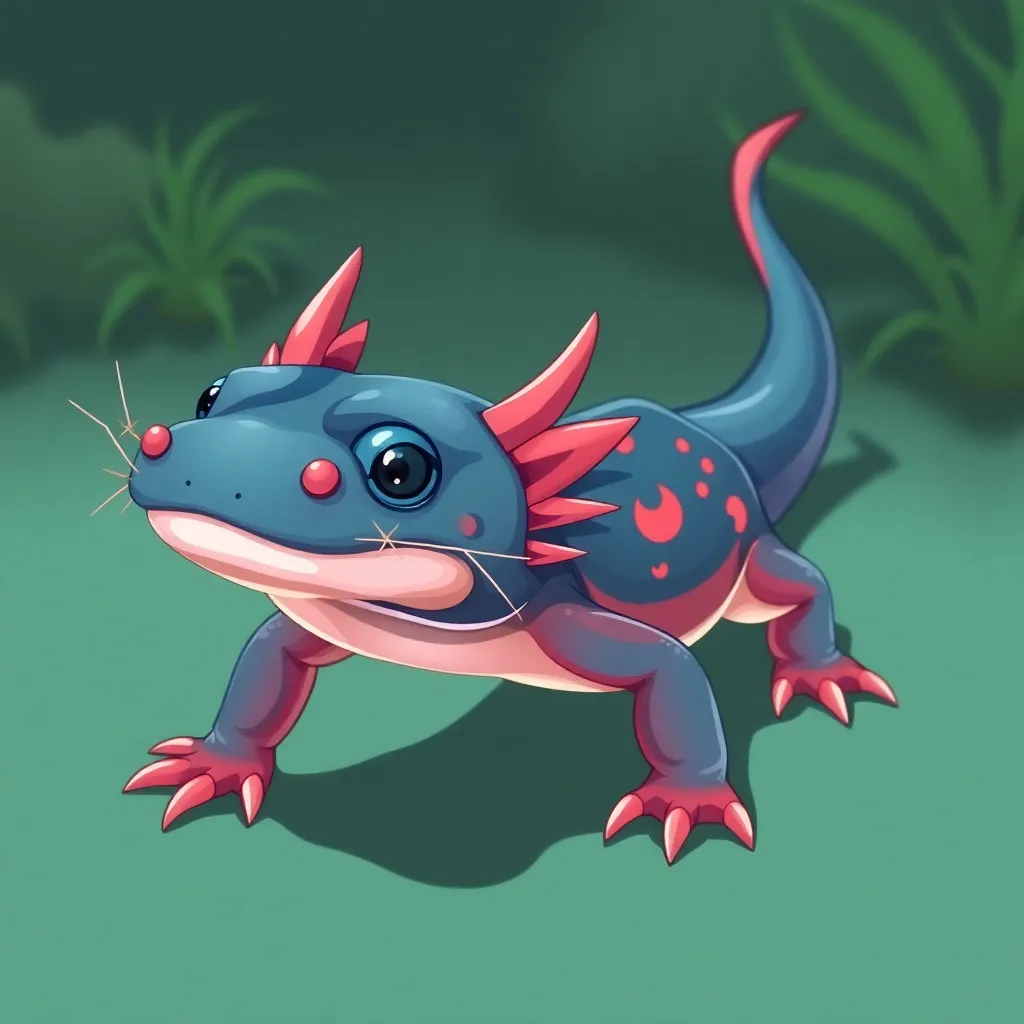
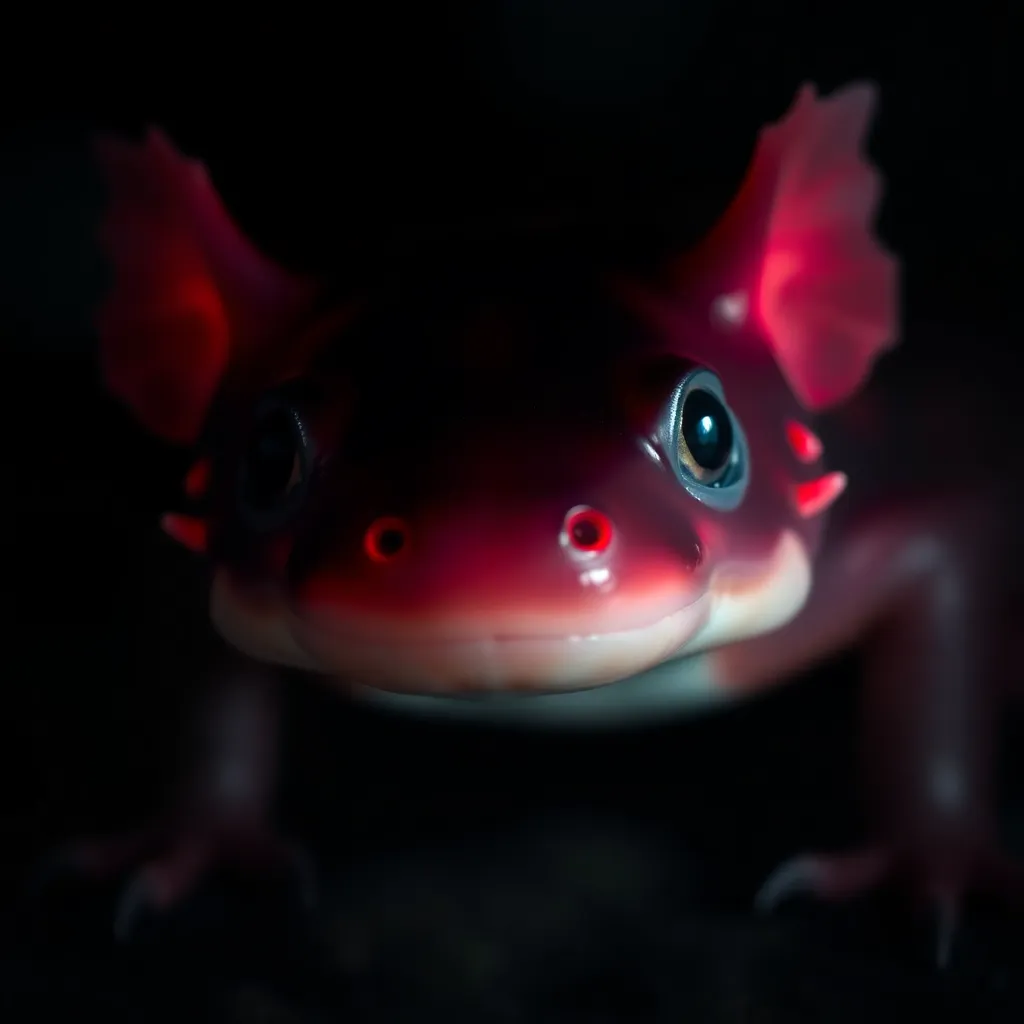
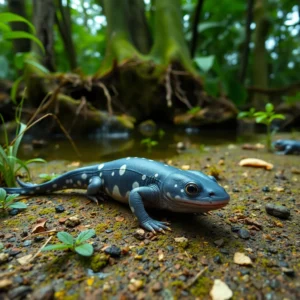
The axolotl is a critically endangered Mexican salamander that retains its larval aquatic form throughout its entire life — a phenomenon called neoteny — never undergoing the metamorphosis that transforms other salamanders into land-dwelling adults. Native solely to the ancient lake system of Xochimilco near Mexico City, wild populations have collapsed due to urbanization, water pollution, and introduced predatory fish. However, the axolotl has become one of the world’s most important biomedical research organisms due to its extraordinary regenerative abilities.
About the Axolotl
Ambystoma mexicanum
Advertisement
⚡ Speed Comparison
📸 Photo Gallery
💡 Fun Facts
01
Axolotls can regenerate entire limbs, sections of the heart, parts of the brain, and even portions of the spinal cord with near-perfect fidelity — the most complex regenerative ability of any vertebrate.
02
Unlike virtually all other amphibians, axolotls never naturally metamorphose; their thyroid gland is functional but lacks sensitivity to the hormones that would trigger transformation.
03
The axolotl is so important in Aztec mythology that it was considered the earthly form of the god Xolotl, guide of the dead to the underworld.
04
Wild axolotl populations have declined from hundreds of thousands in the 1990s to possibly fewer than 50–1,000 individuals surviving in fragmented Xochimilco canals today.
05
Axolotls can accept transplanted organs from other axolotls — including eyes — without immune rejection, making them crucial for studying immune tolerance and transplantation.
📍 Where to Find This Animal
Habitat Types:
Freshwater Lakes & Canals (Mexico City)
🛒 Axolotl Related Gear
As an Amazon Associate we earn from qualifying purchases.
Join the Conversation
Share your thoughts about the Axolotl