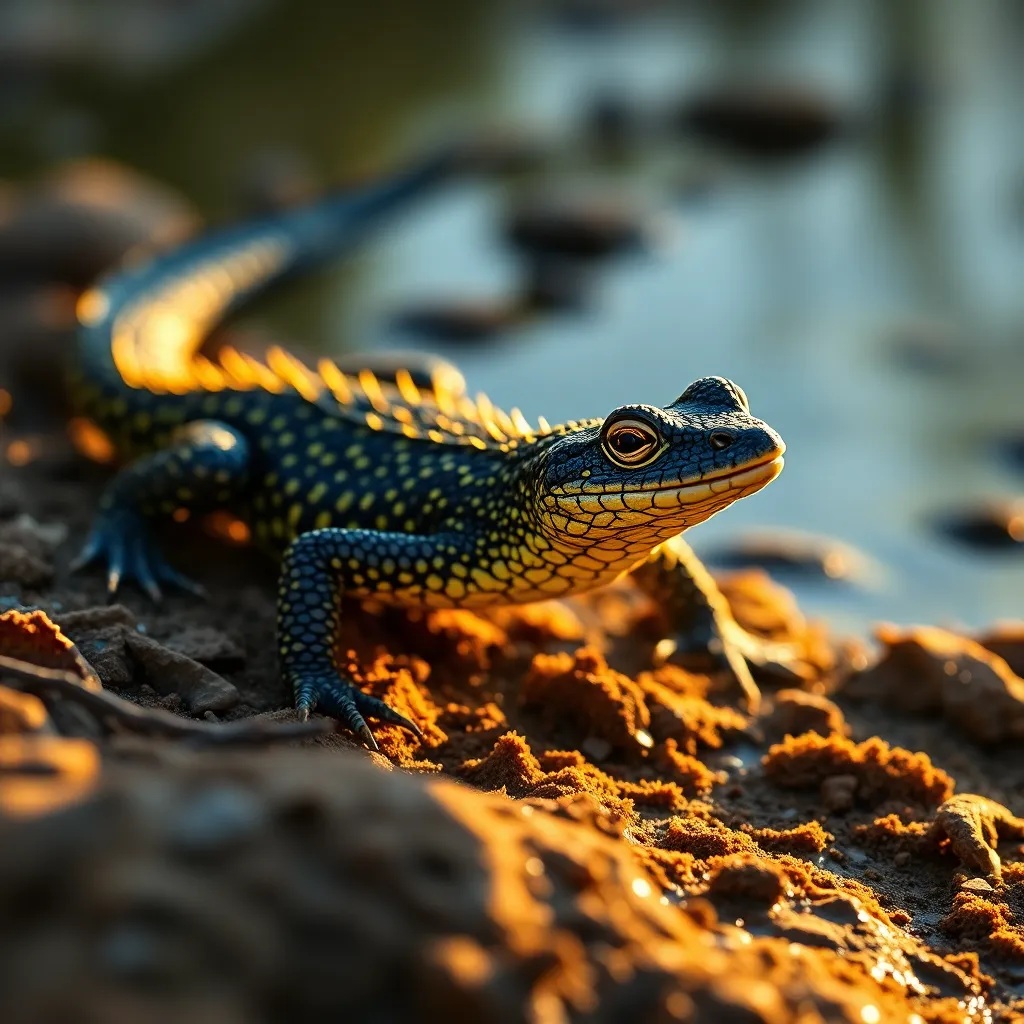
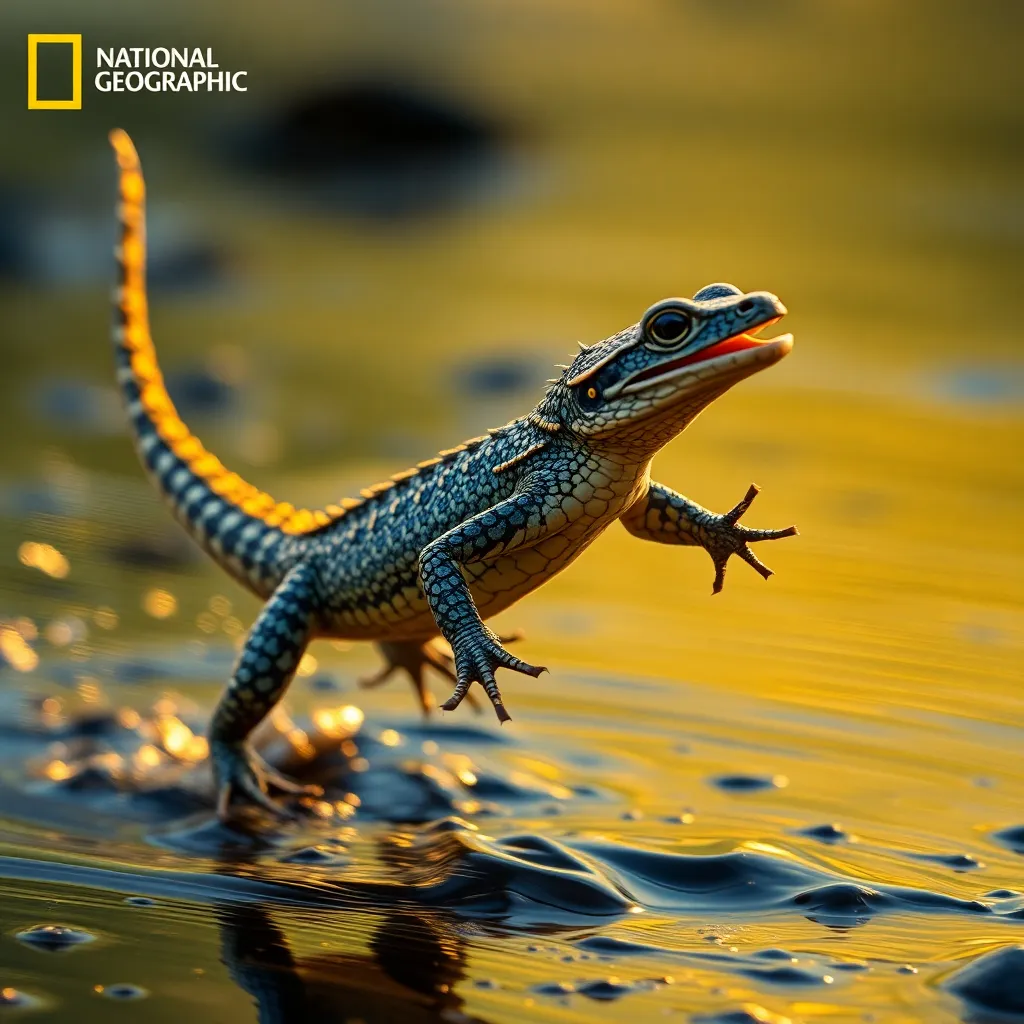
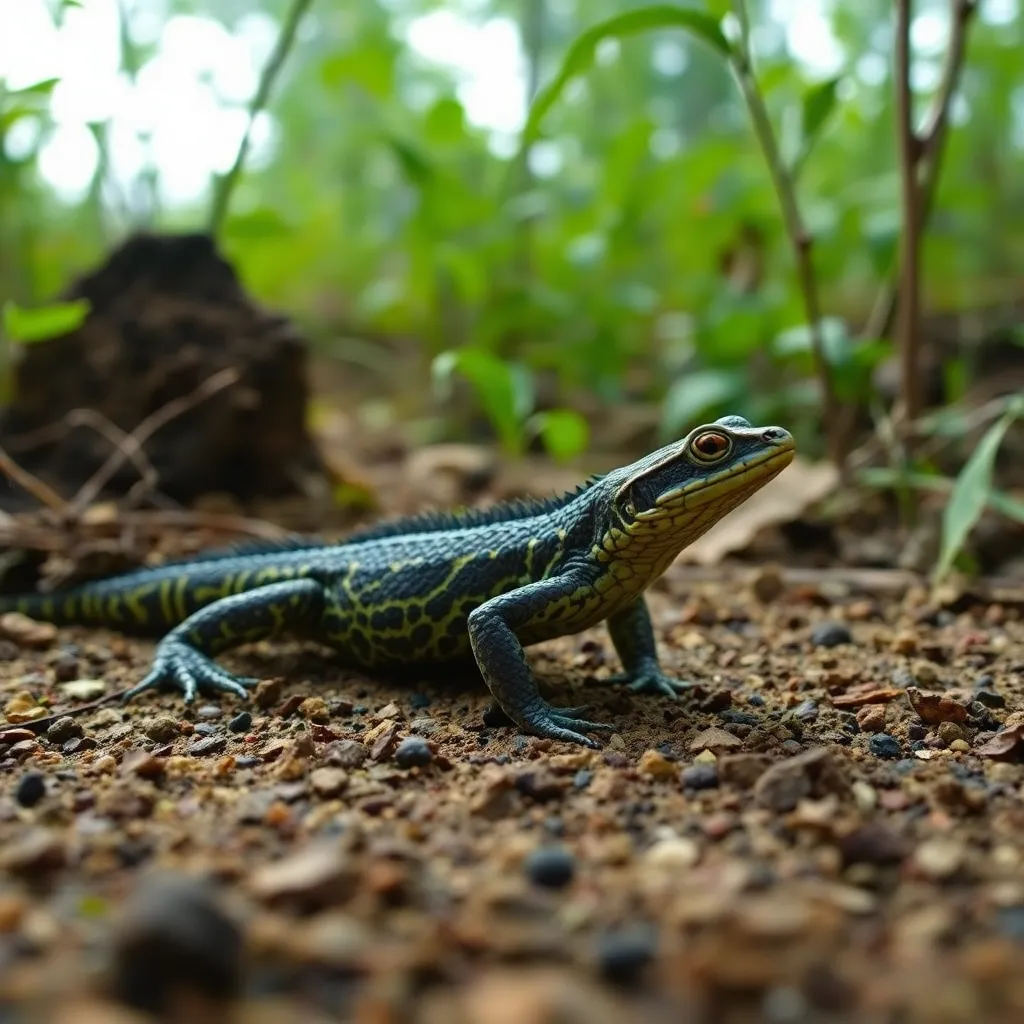
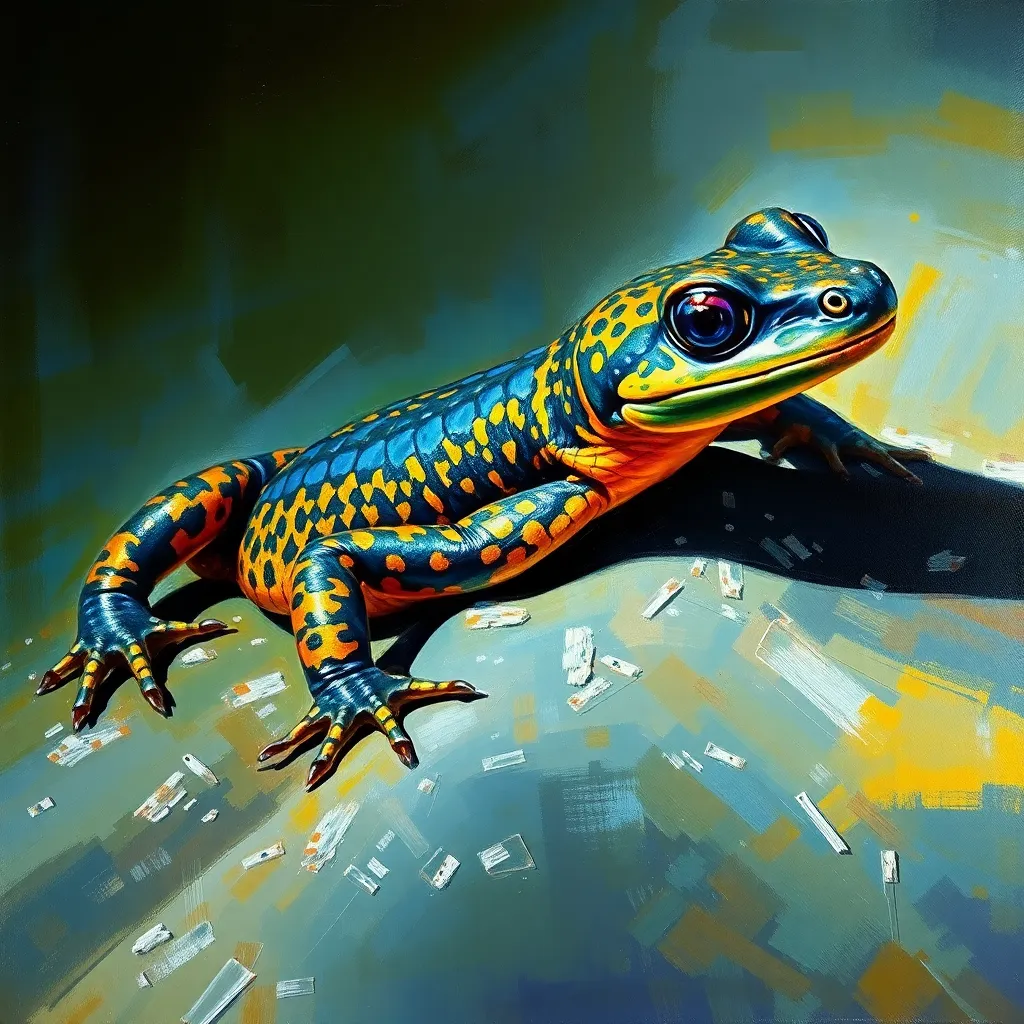
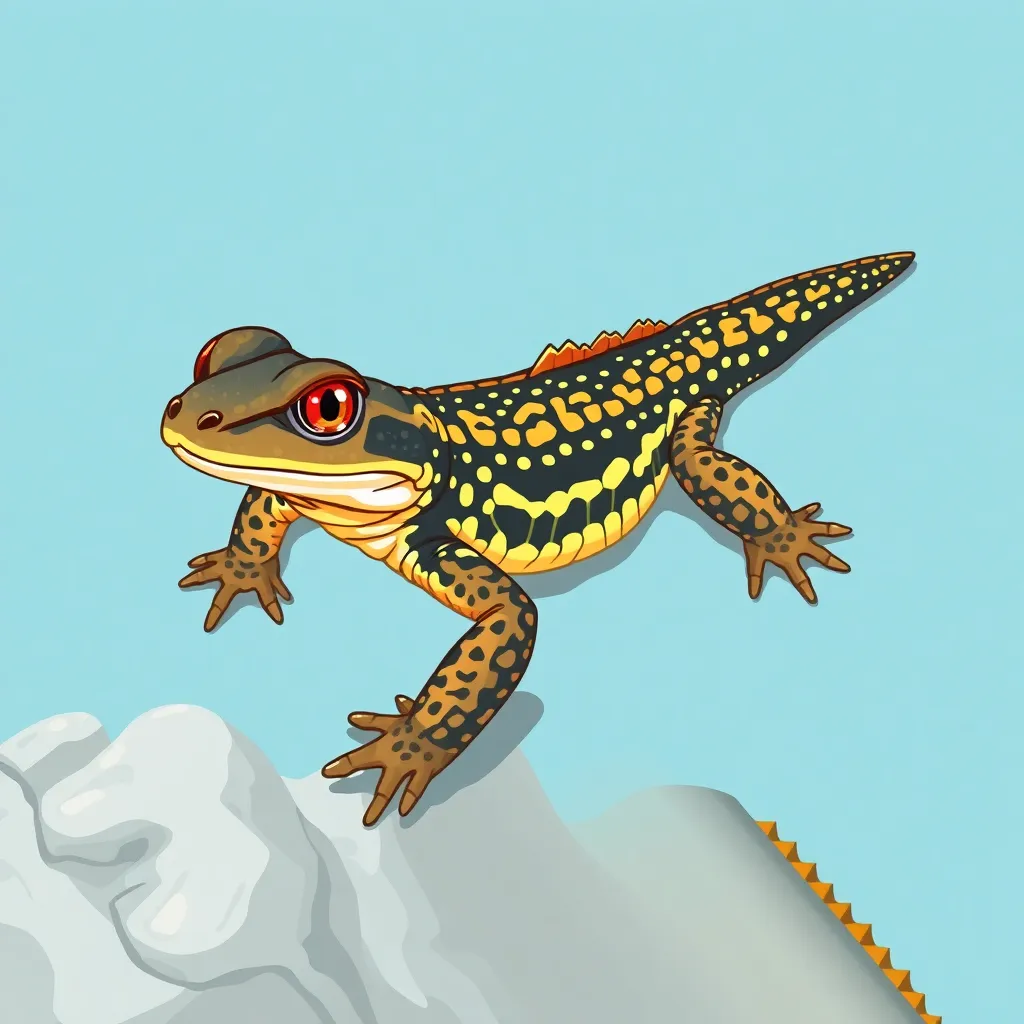
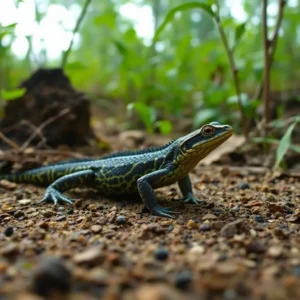
The great crested newt is the largest newt species in the UK and much of northern Europe, distinguished by the spectacular jagged dorsal crest that males develop during breeding season. As amphibians, newts divide their lives between aquatic breeding environments and terrestrial habitats, hibernating on land under logs and stones during winter. They are strictly protected in the UK due to significant habitat loss, and are considered a flagship species for freshwater pond conservation.
About the Newt
Triturus cristatus
Advertisement
⚡ Speed Comparison
📸 Photo Gallery
💡 Fun Facts
01
Male great crested newts develop a spectacular toothed dorsal crest that can be up to 1 cm tall during breeding season, which is reabsorbed afterward.
02
Newts can regenerate limbs, eyes, heart muscle, and parts of their brain — more completely than almost any other vertebrate.
03
The great crested newt's skin produces toxic secretions that taste so bitter they deter most predators from attempting a second bite.
04
Female newts carefully fold each egg individually into an aquatic plant leaf before sticking it shut — sometimes laying up to 200 individually wrapped eggs.
05
Newts navigate back to their birth pond using a combination of smell, Earth's magnetic field, and the polarization patterns of skylight.
📍 Where to Find This Animal
Habitat Types:
Ponds & Deciduous Forest
🛒 Newt Related Gear
As an Amazon Associate we earn from qualifying purchases.
Join the Conversation
Share your thoughts about the Newt