America’s National Symbol & Conservation Success Story
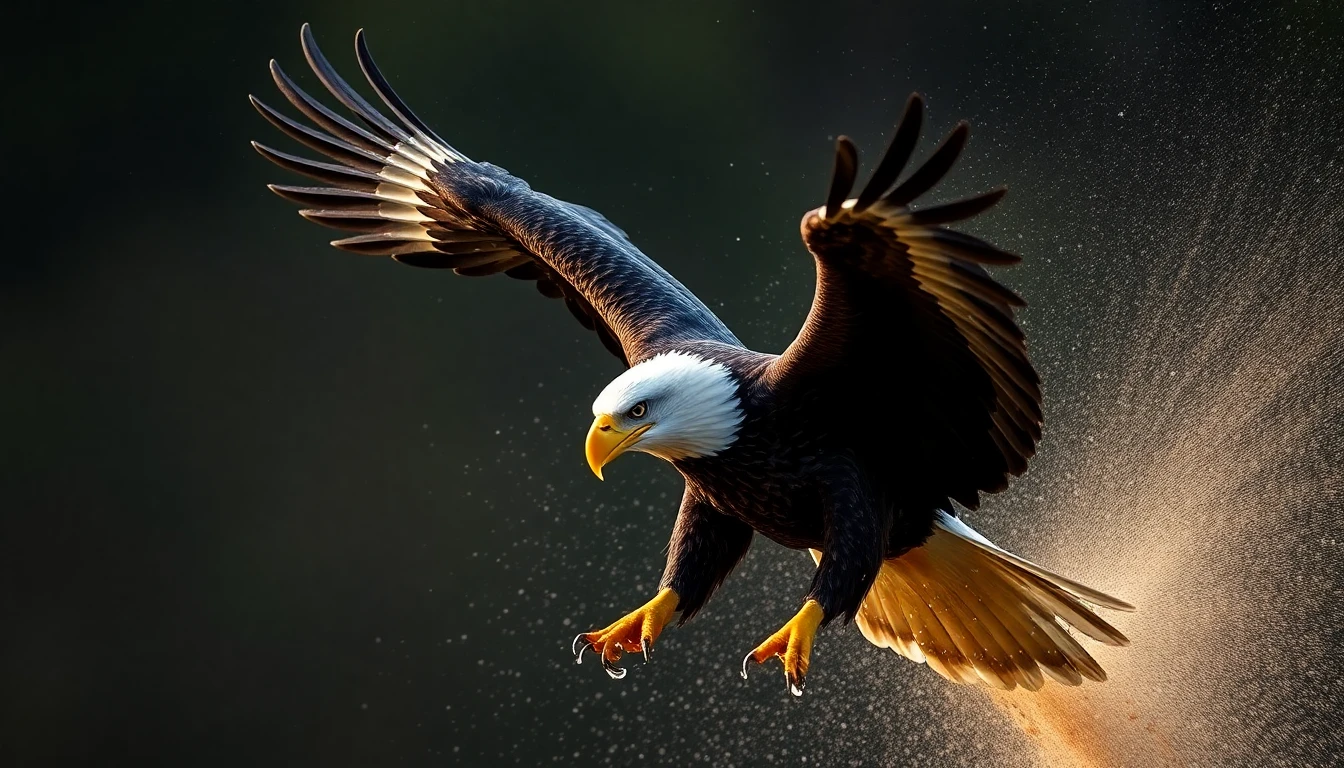
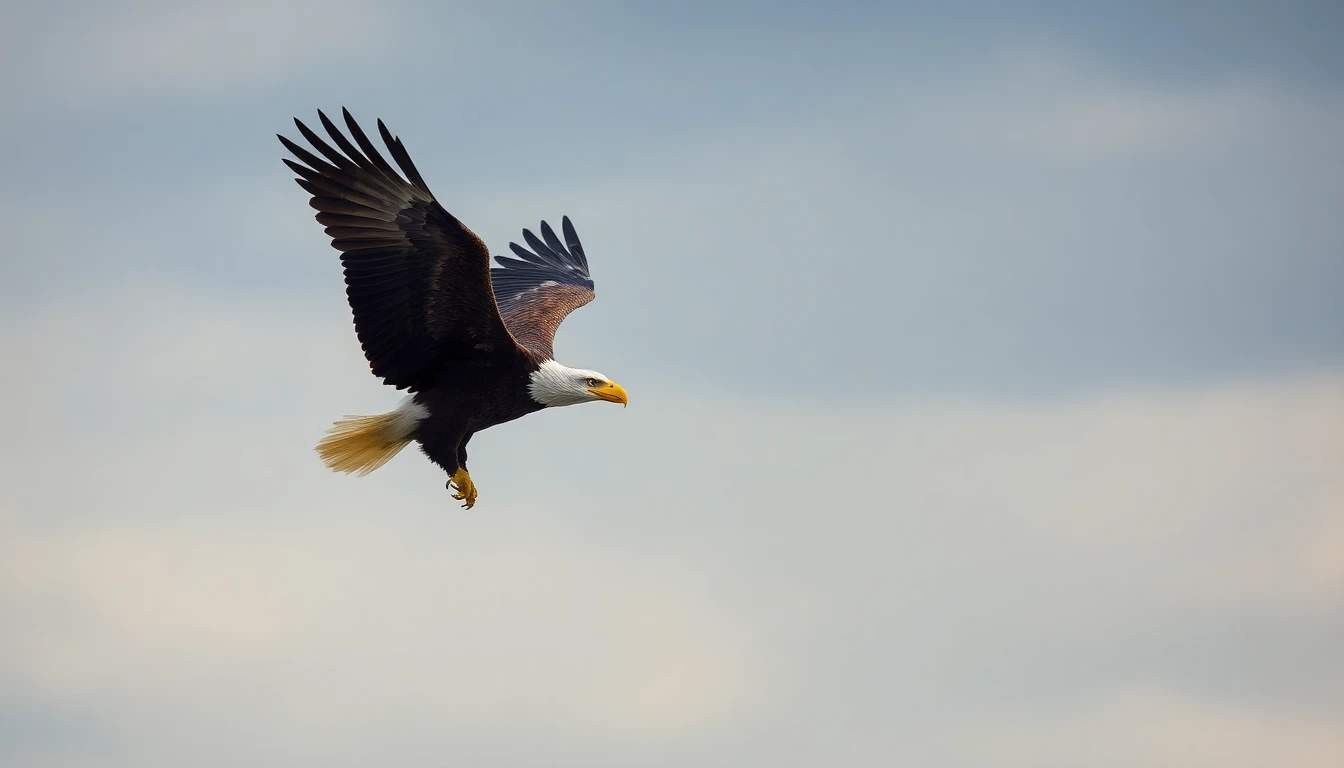
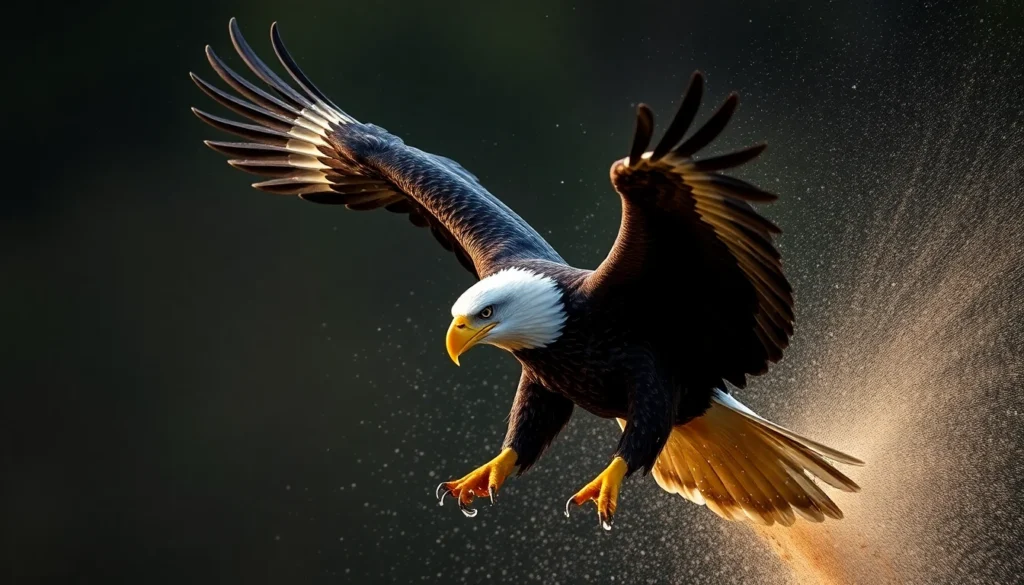
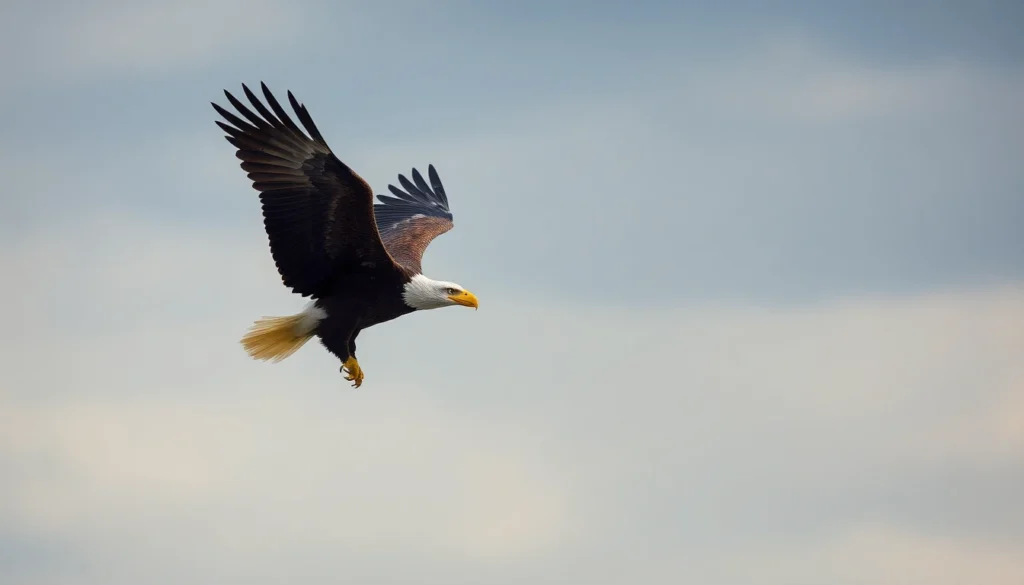
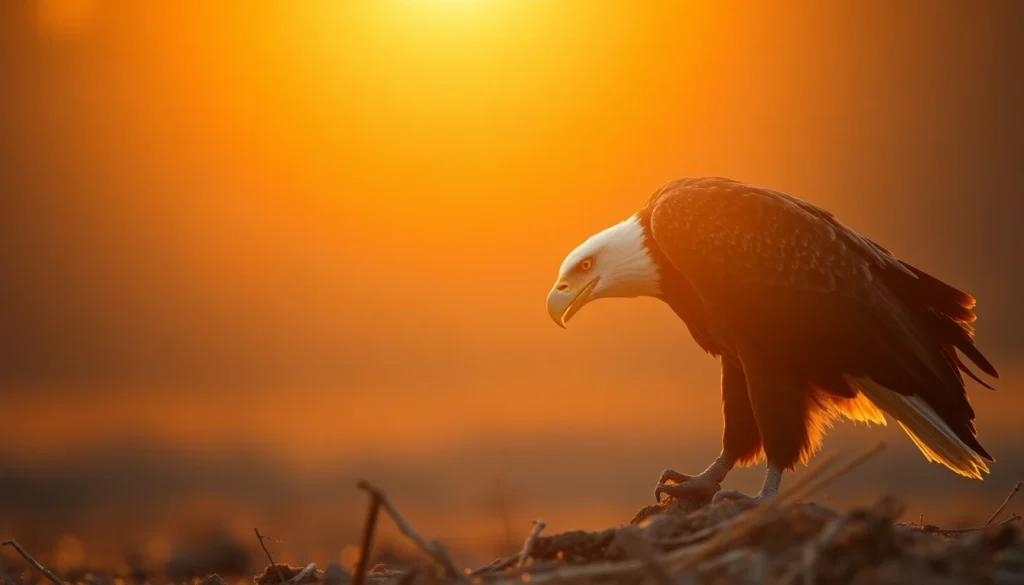
The Bald Eagle (Haliaeetus leucocephalus) is one of conservation’s greatest triumphs — a species that was brought back from the brink of extinction by targeted intervention and is now a symbol of ecological recovery. Once reduced to just 417 nesting pairs in the lower 48 states by 1963, the bald eagle population has recovered to over 316,700 individuals today, following the banning of DDT, legal protection, and active reintroduction programs.
Vision: 4–5 Times Sharper Than Human
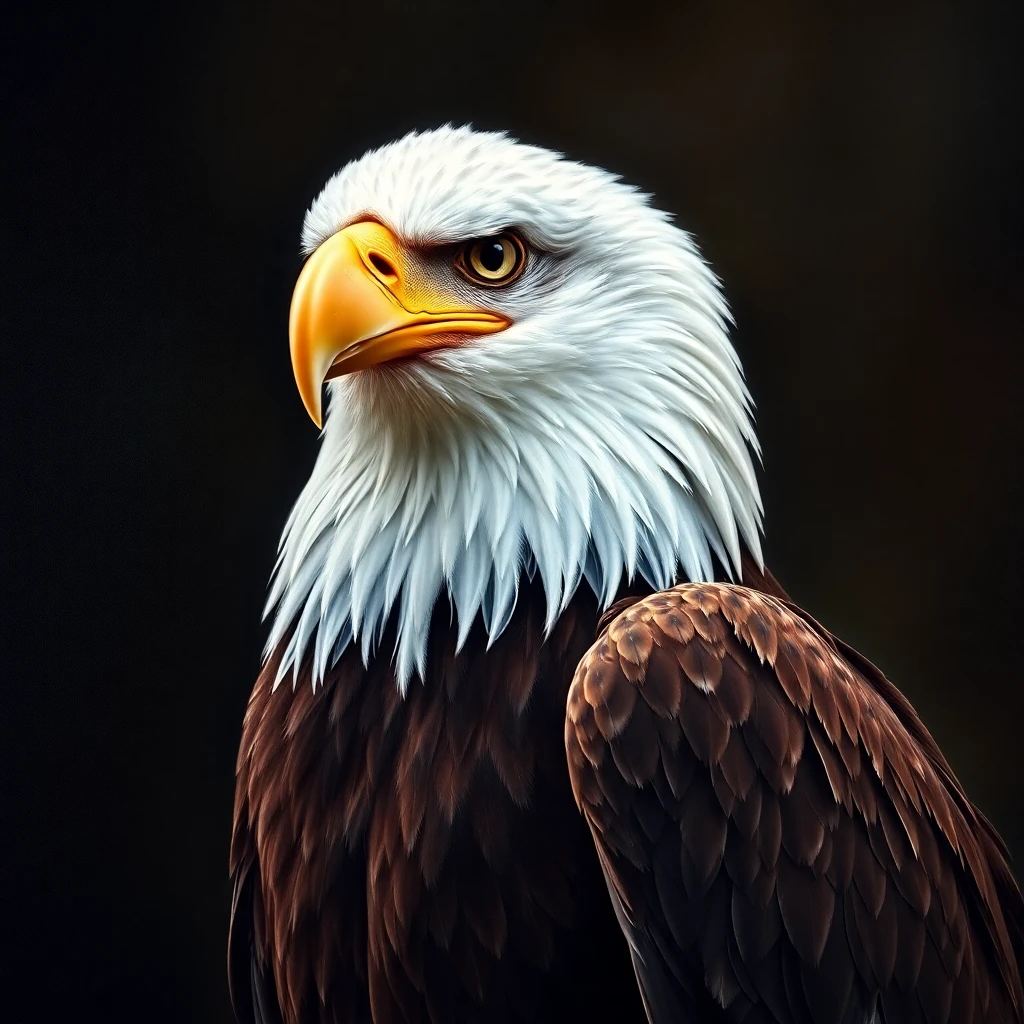
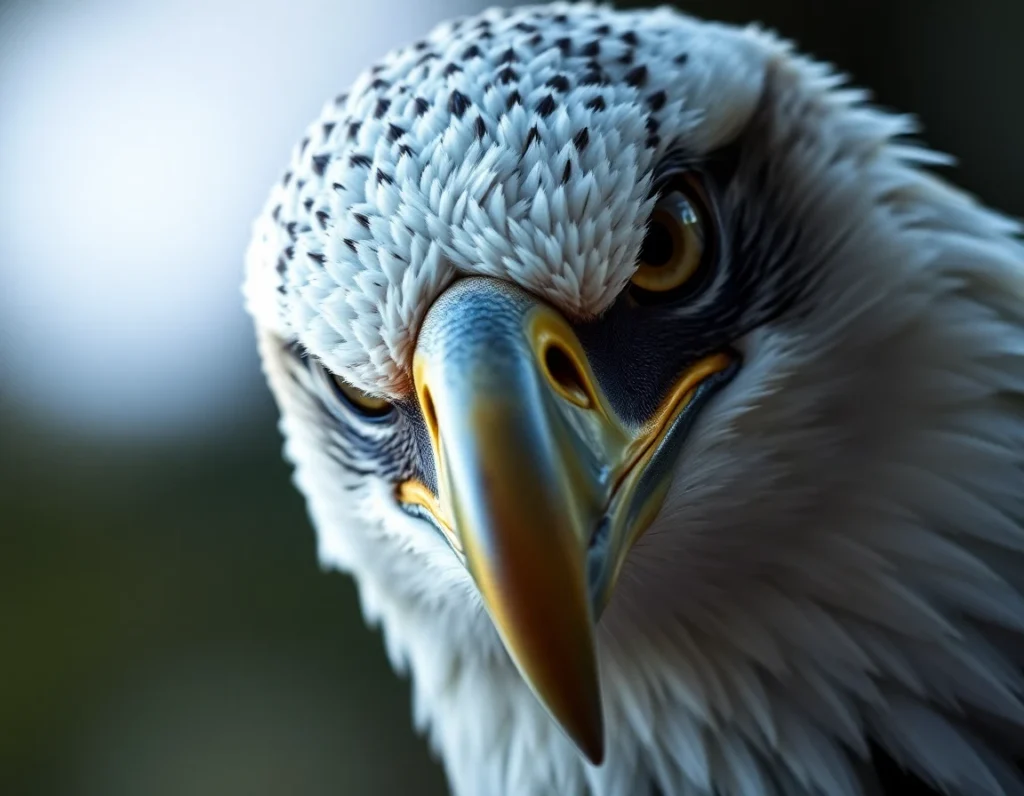
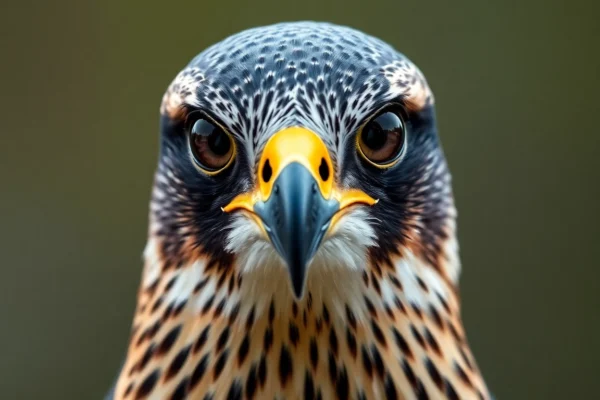
Eagle vision represents the pinnacle of vertebrate visual evolution. A bald eagle’s eyes contain two foveas (humans have one) — the area of maximum visual acuity — giving them simultaneous focused vision forward and to the side. Their visual acuity is 4–5 times greater than humans, and they can spot a rabbit from 3.2 km away. The eyes are so large they are nearly immovable in the skull, which is why eagles must rotate their entire heads to track movement. A nictitating membrane (third eyelid) sweeps across the eye every 3–4 seconds to clean and protect it.
The Nest: North America’s Largest Bird Structure
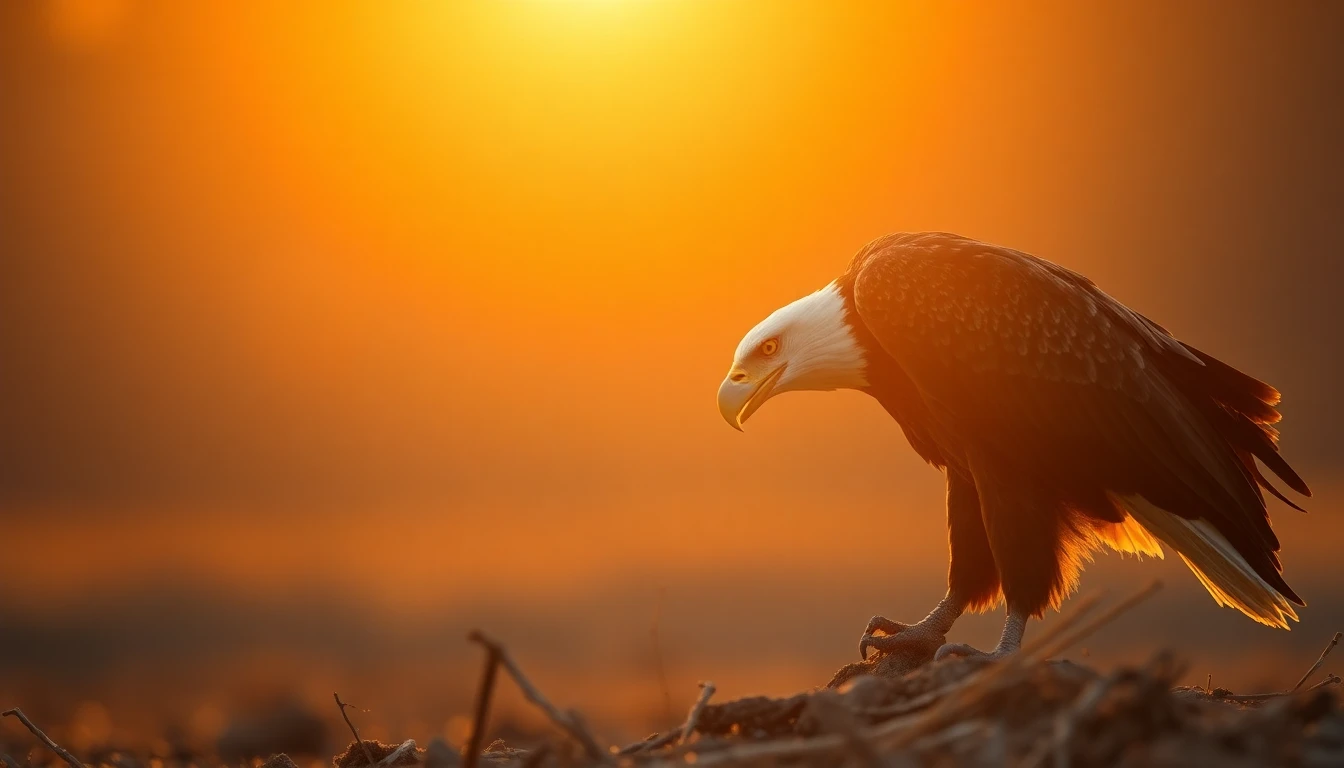
Bald eagles build the largest nests of any North American bird — structures that are added to each year and can reach extraordinary dimensions. The largest recorded nest was located in St. Petersburg, Florida, measured 2.9 metres wide and 6 metres deep, and weighed approximately 2 tonnes. Eagles show strong nest-site fidelity, returning to the same location year after year, with some nests estimated to be over 100 years old. The nest (called an eyrie) is typically located at the top of a large, old-growth tree providing an unobstructed view of water.
Advertisement
The DDT Catastrophe & Recovery
The collapse of bald eagle populations in the 20th century was caused primarily by DDT (dichlorodiphenyltrichloroethane) — an insecticide that bioaccumulated through the food chain, concentrating in fish-eating birds at lethal levels. DDT caused eagles to lay eggs with shells so thin they shattered under the weight of the brooding parent, resulting in near-zero breeding success. Rachel Carson’s 1962 book Silent Spring documented this catastrophe and catalyzed the modern environmental movement. DDT was banned in the USA in 1972; by 2007 the bald eagle was removed from the Endangered Species List.



Join the Conversation
Share your thoughts about the Bald Eagle