The World’s Fastest Animal
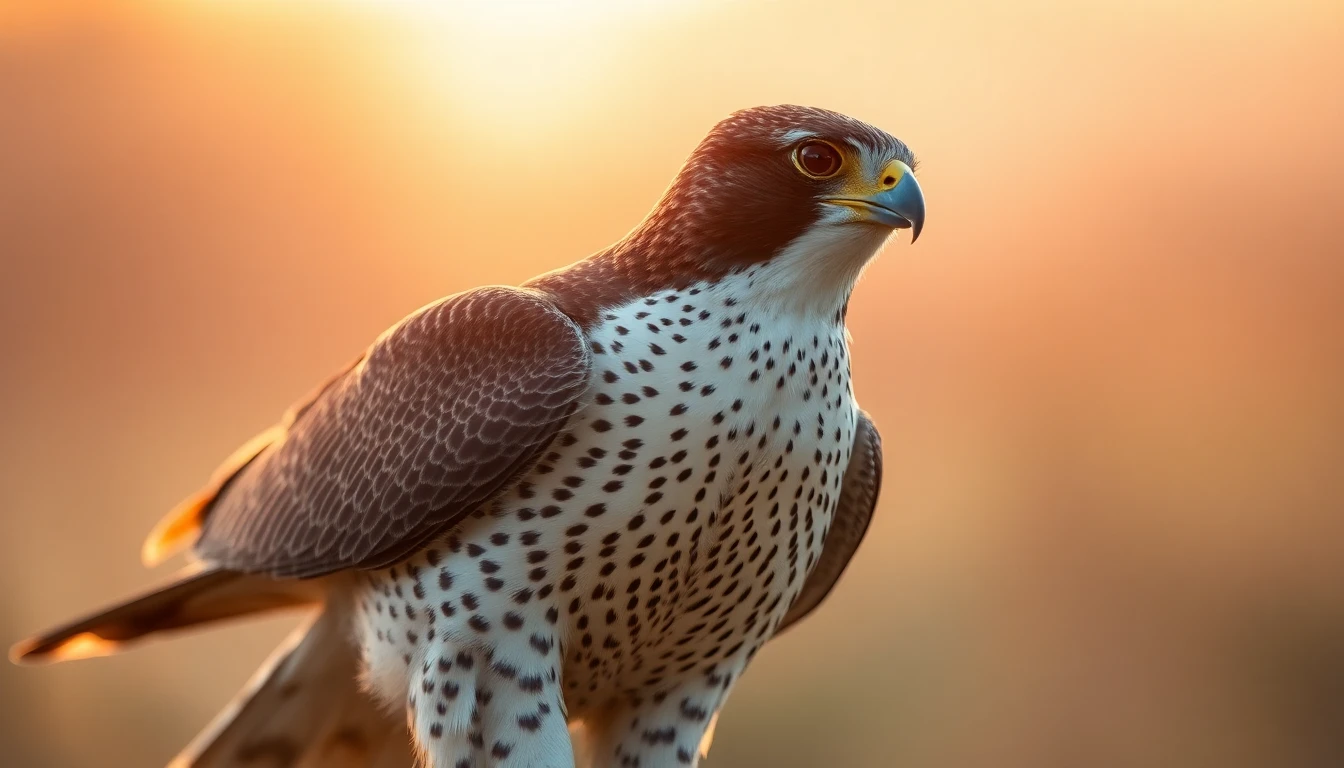
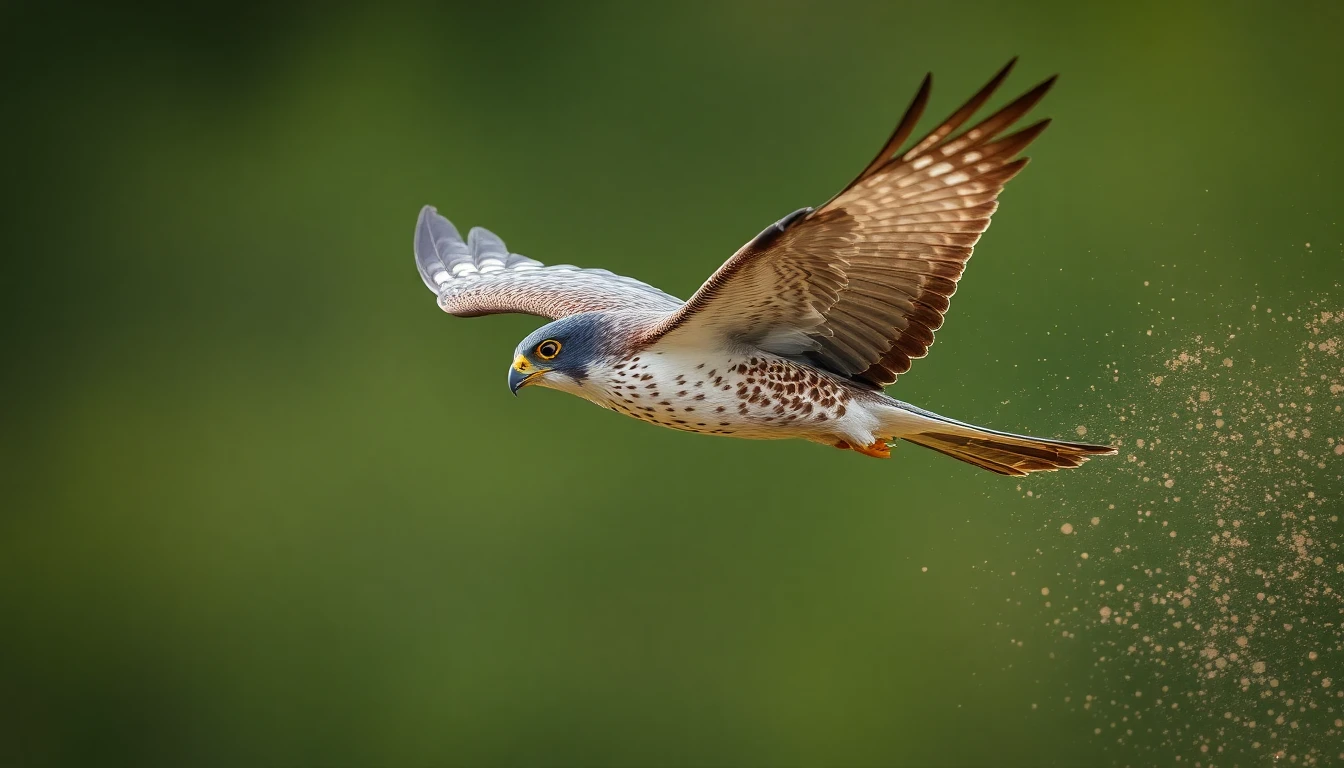
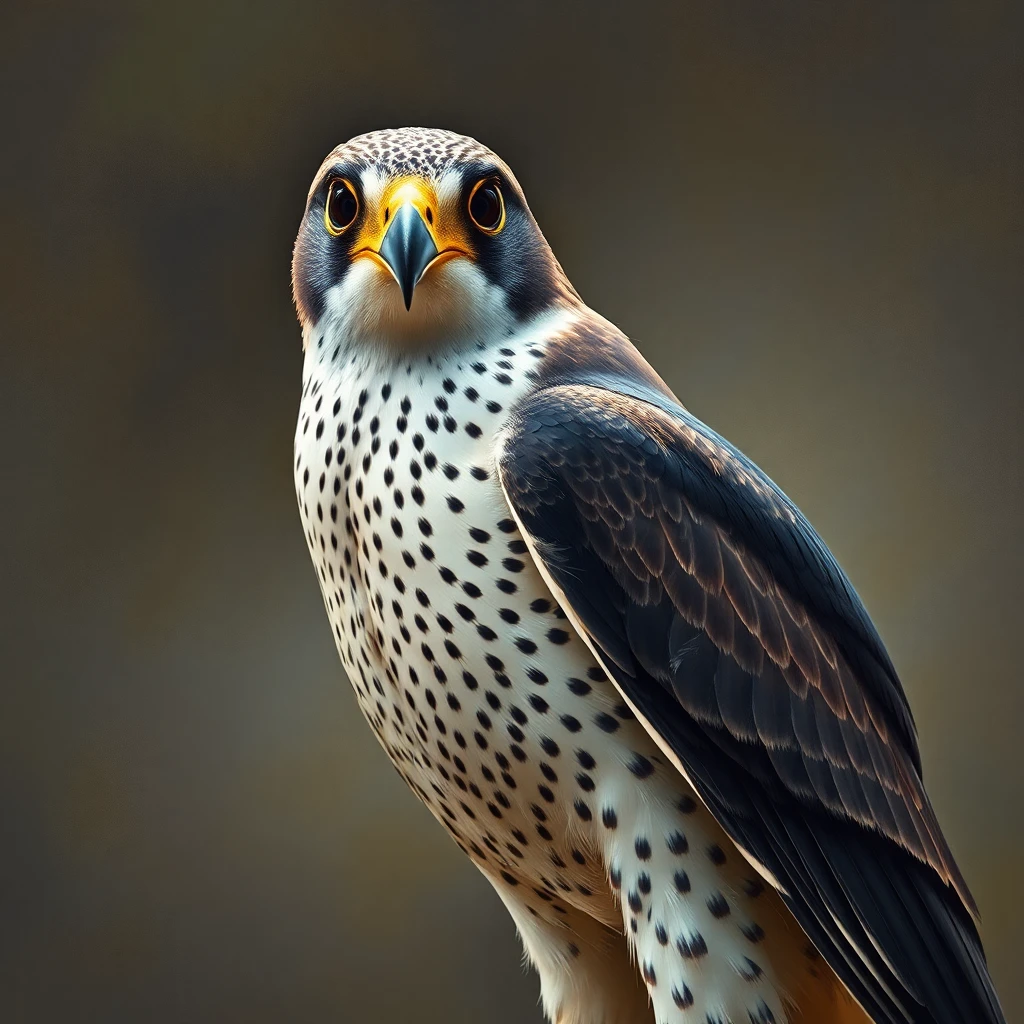
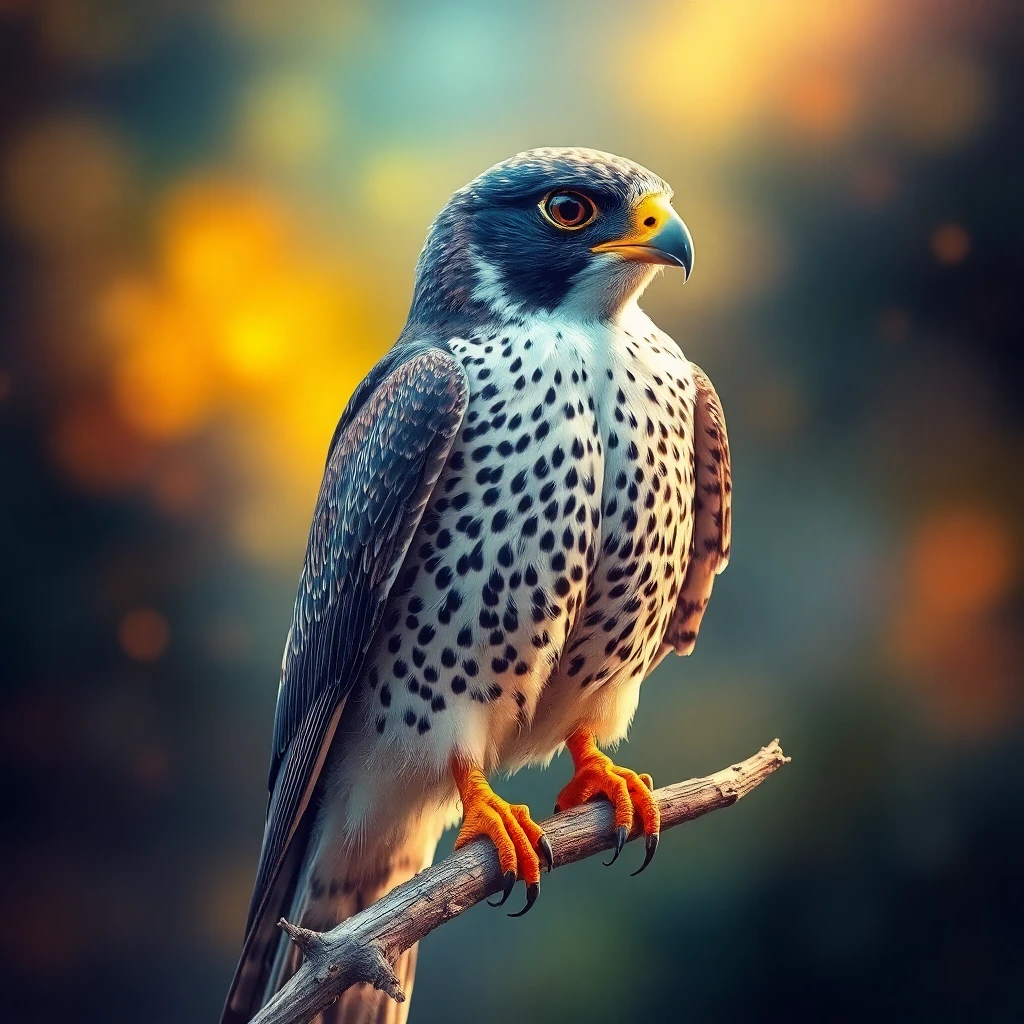
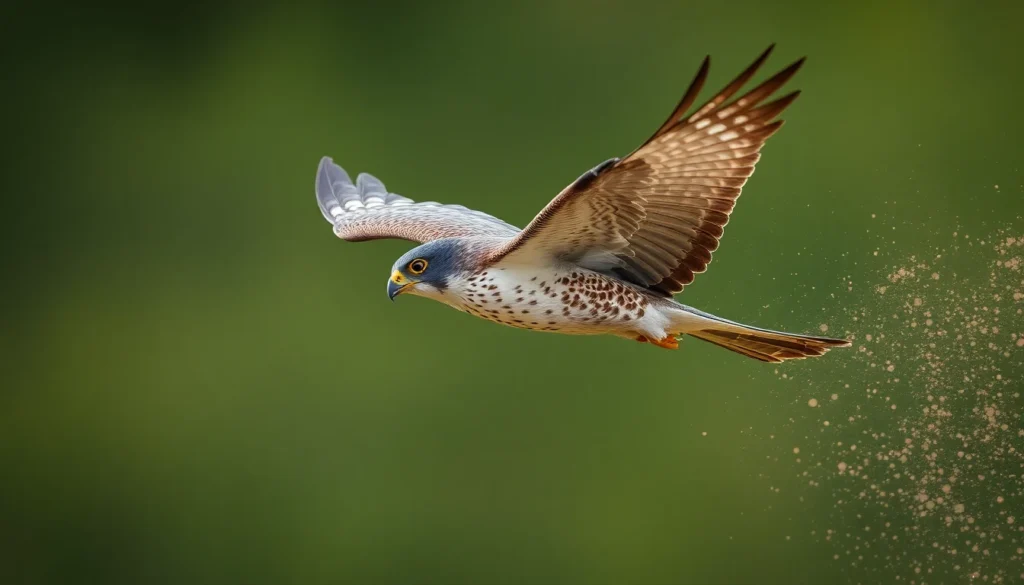
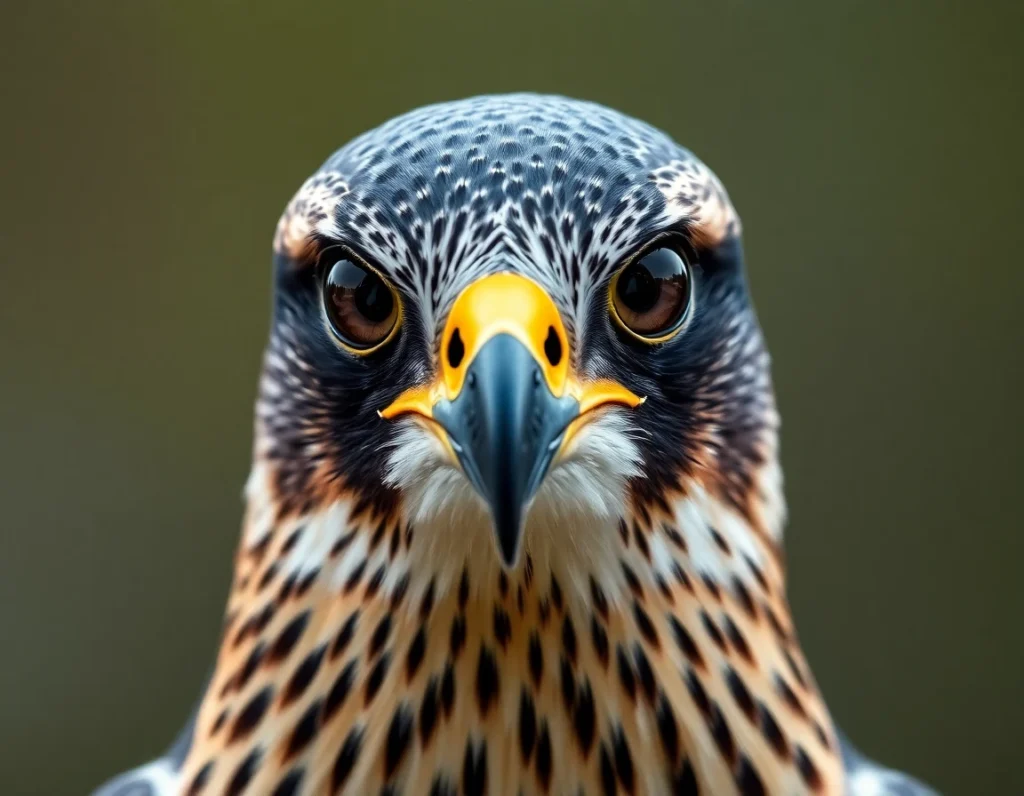
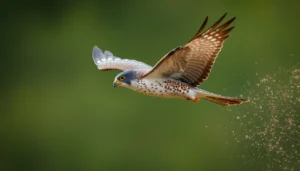
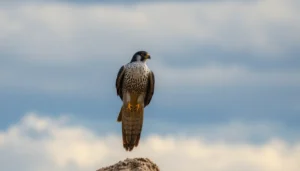
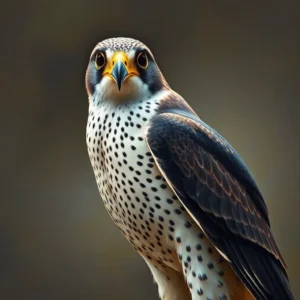
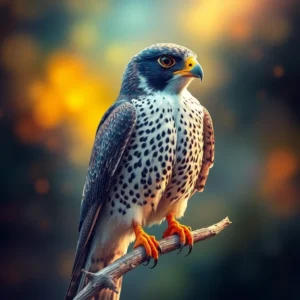
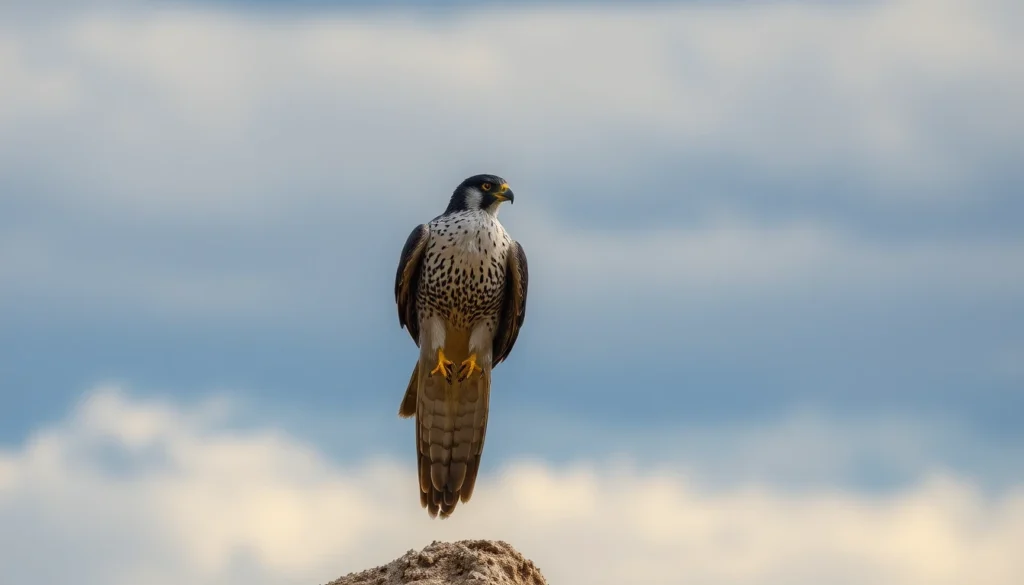
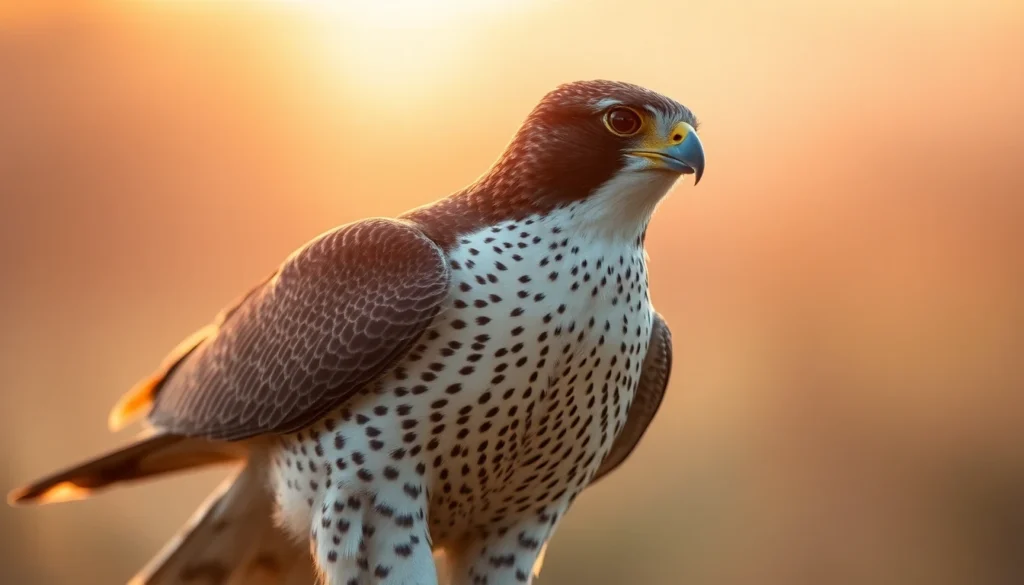
The Peregrine Falcon (Falco peregrinus) achieves speeds of 389 km/h (242 mph) in a hunting dive (stoop) — making it the fastest animal on the planet, surpassing even marlins, cheetahs, and sailfish. This extraordinary speed is not merely a record; it is a precisely engineered killing system in which every anatomical feature — from the teardrop body profile to the nasal baffles that prevent lung damage from pressure changes — has been shaped by 25 million years of evolutionary pressure to create the ultimate aerial predator.
The Stoop: Engineering a Supersonic Kill
A peregrine’s hunting stoop (diving attack) begins at altitude — typically 300–1,000 metres above the prey — where the bird tucks its wings and enters near-vertical freefall. As speed builds, the body achieves a teardrop profile of extraordinary aerodynamic efficiency, and cone-shaped bony tubercles in the nostrils deflect airflow to prevent lethal pressure buildup in the lungs (an engineering solution later replicated in early jet engine design). The impact velocity is 10 times the speed of a professional tennis serve; the falcon strikes with a clenched talon rather than an open foot to avoid dislocating its own shoulder on impact.
Urban Adaptation: Skyscraper Cliff-Dwellers
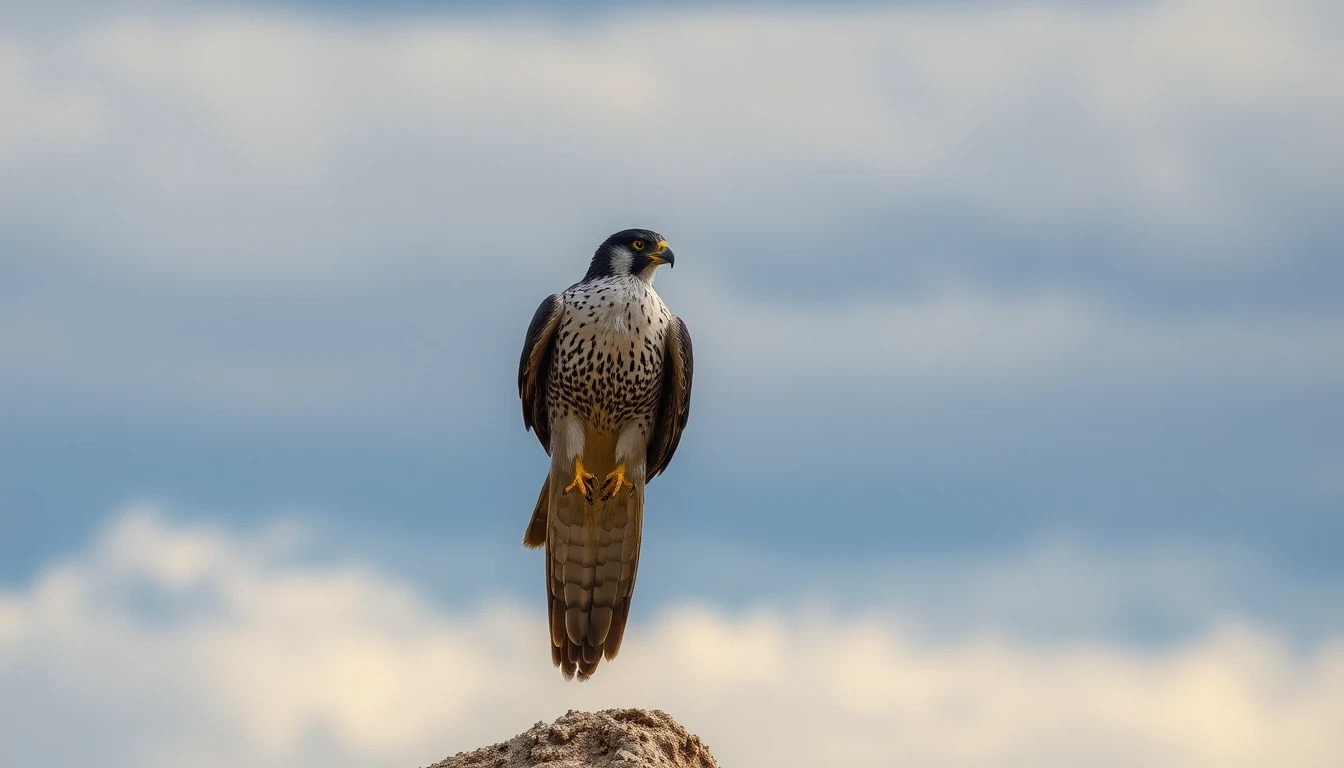
Peregrines are natural cliff-nesters, and their behavioral flexibility has allowed them to colonize urban environments with extraordinary success. Cities provide tall buildings (substitute cliffs), abundant prey (pigeons and starlings), and thermal uplift from heat islands. Urban peregrine populations in New York, London, Chicago, and Sydney have established stable breeding pairs, often nesting on skyscraper ledges at heights over 200 metres and hunting pigeons through urban canyons at speeds that leave the human eye unable to track them.
Advertisement
Join the Conversation
Share your thoughts about the Peregrine Falcon