Loading Wildlife…

Archaeobalanidae LC

THE

BARNACLE

Armored Architect of Rocky Shores

Semibalanus balanoides

Global (North Atlantic)
CLASS Crustacea FAMILY Archaeobalanidae GENUS Semibalanus
Sessile km/h
Top Speed
⚖️
< 1 g kg
Max Weight
📏
0.5-2 cm
Body Length
🕰️
5-10 years
Lifespan
🍖
Filter Feeder
Diet Type

IUCN Red List — Where this species stands

LC Least Concern
NT Near Threatened
VU Vulnerable
EN Endangered
CR Critical
EW Extinct Wild
EX Extinct

About the Barnacle

Semibalanus balanoides

Advertisement

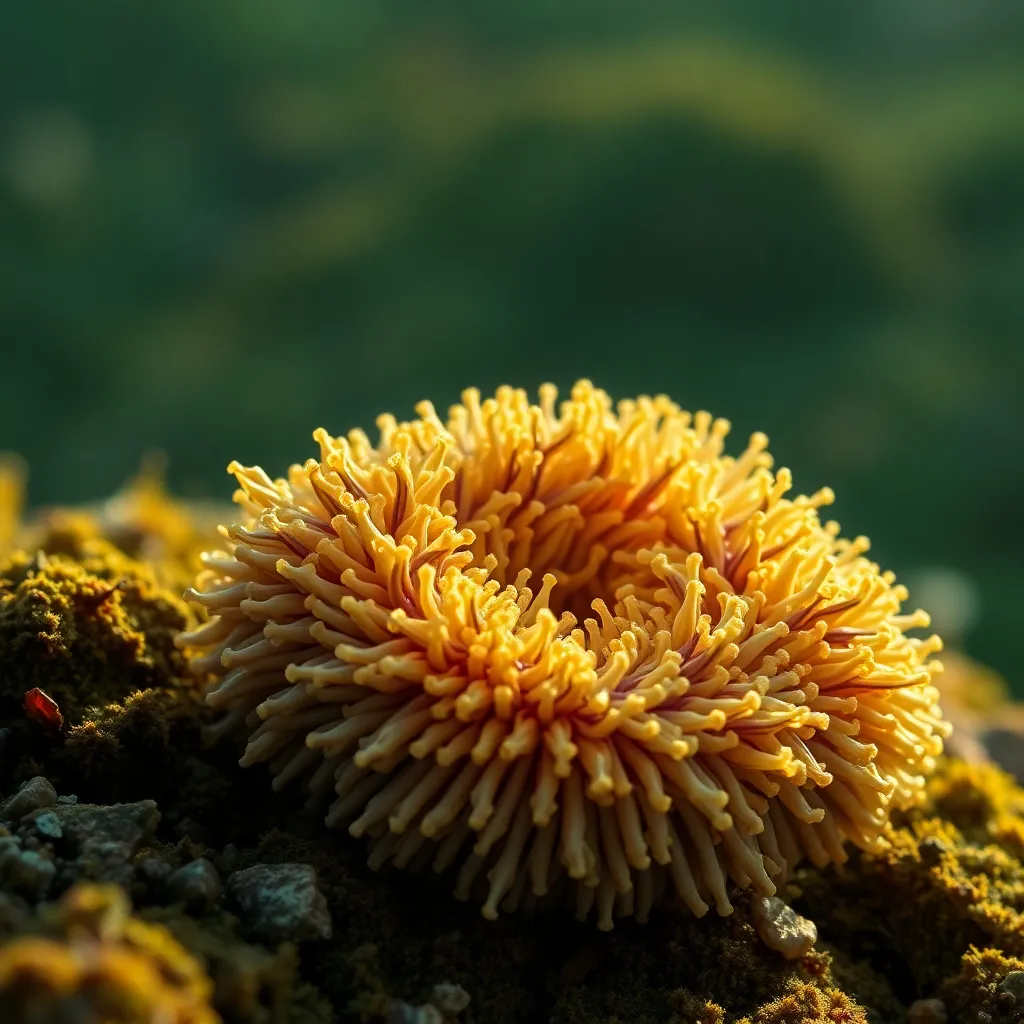
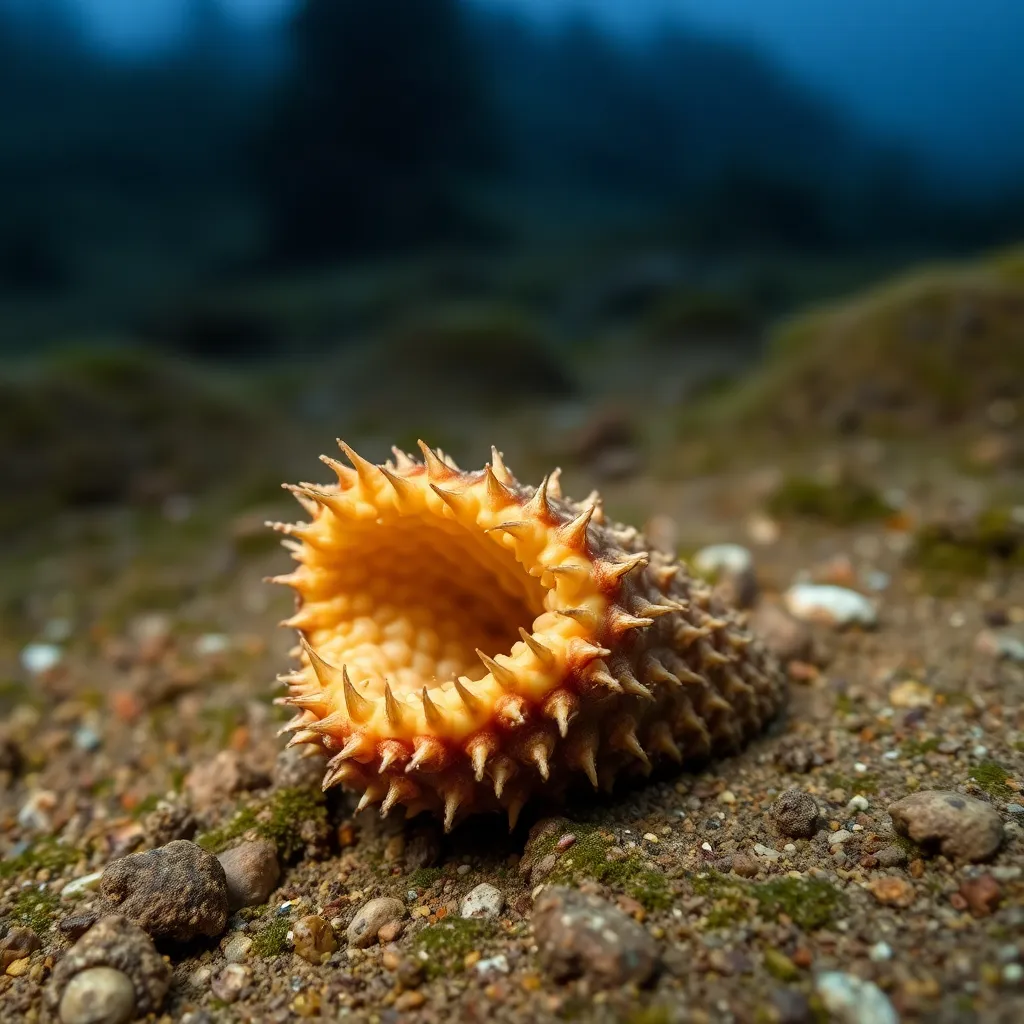
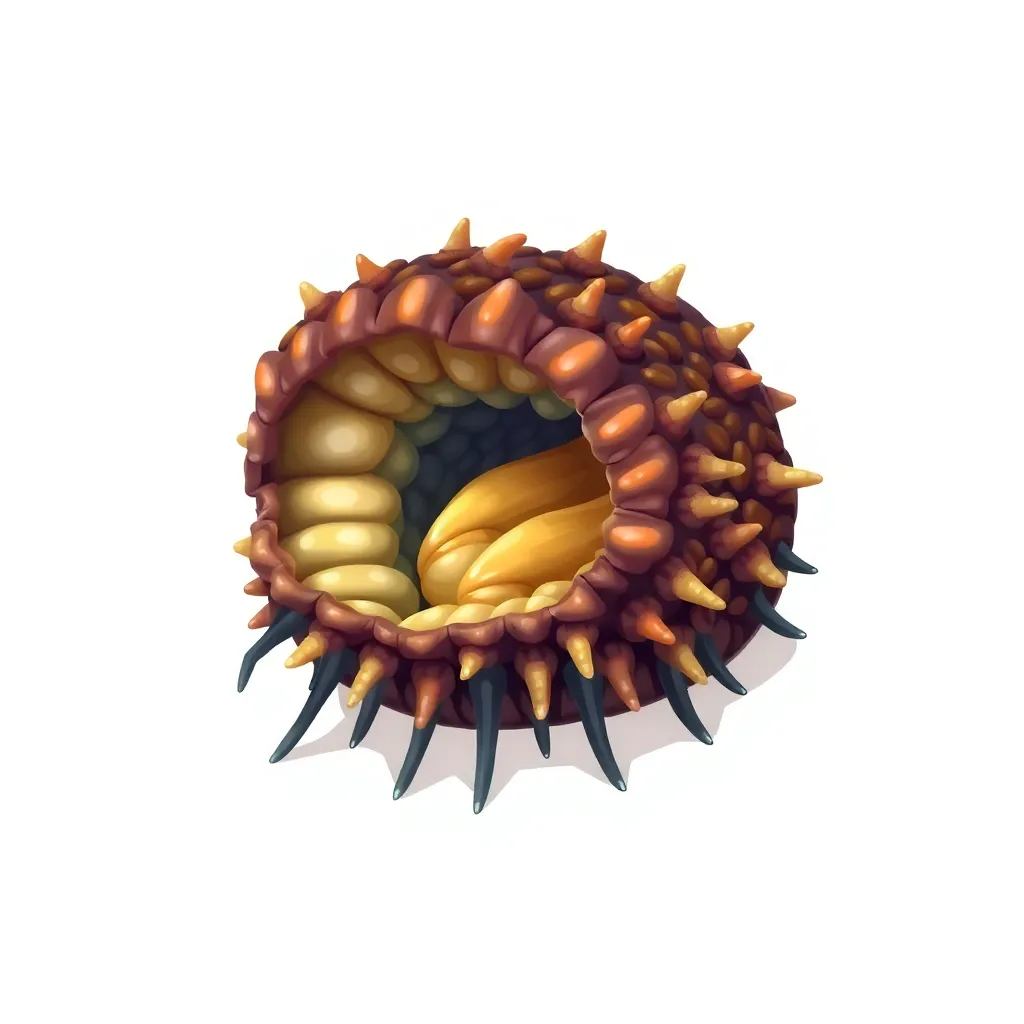
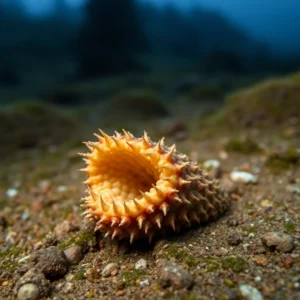
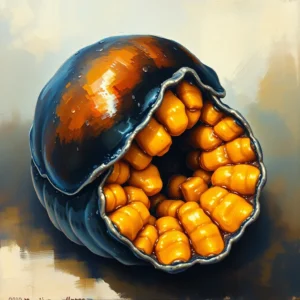
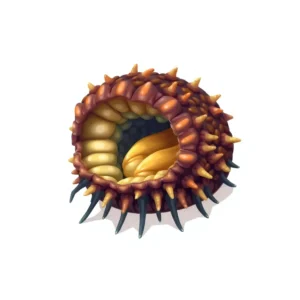
The acorn barnacle is one of the most ecologically dominant organisms of temperate rocky intertidal zones, forming dense white bands that are a defining feature of rocky shores. Despite superficially resembling molluscs, barnacles are crustaceans — more closely related to crabs and shrimp — that cement themselves headfirst to rock surfaces and spend their lives kicking food into their mouths with feathery limbs called cirri. Barnacles produce one of the strongest natural adhesives known to science, bonding to virtually any submerged surface with a pressure exceeding 50 kg/cm².

⚡ Speed Comparison

Barnacle
0 km/h
Human
12 km/h
Car (city)
50 km/h
Horse
54 km/h

💡 Fun Facts

01

Barnacles are crustaceans that glue themselves head-down to rocks and use their modified legs (cirri) to fan plankton into their mouths.

02

Barnacle cement is one of the strongest known biological adhesives, bonding with a tensile strength exceeding 50 kg/cm² — inspiring engineers developing waterproof medical glues.

03

Barnacles have the largest penis-to-body ratio of any known animal — up to 8 times their body length — necessary for reaching neighboring sessile mates.

04

Larvae settle in groups, detecting the pheromone trails of existing barnacles; settling near kin increases population density, reproductive opportunity, and survival.

05

During low tide, barnacles seal their plates with a small amount of seawater trapped inside, surviving hours of desiccation and temperature extremes.

Unlock Expert Wildlife Facts

Watch a short 15-second video to unlock detailed expert analysis, exclusive wildlife photography, and rare behavioral facts.

📍 Where to Find This Animal

🛒 Barnacle Related Gear

As an Amazon Associate we earn from qualifying purchases.
🗨️

Join the Conversation

Share your thoughts about the Barnacle

✍️

Leave a Comment

Your email address will not be published. Required fields are marked *

How Big Is a Barnacle?

Side-by-side comparison with an adult human (175 cm)

🧍
Human
175 cm
🐚
Barnacle
65 cm
shoulder height
BODY WEIGHT
0.5-2 BODY LENGTH
Sessile TOP SPEED
5-10 LIFESPAN
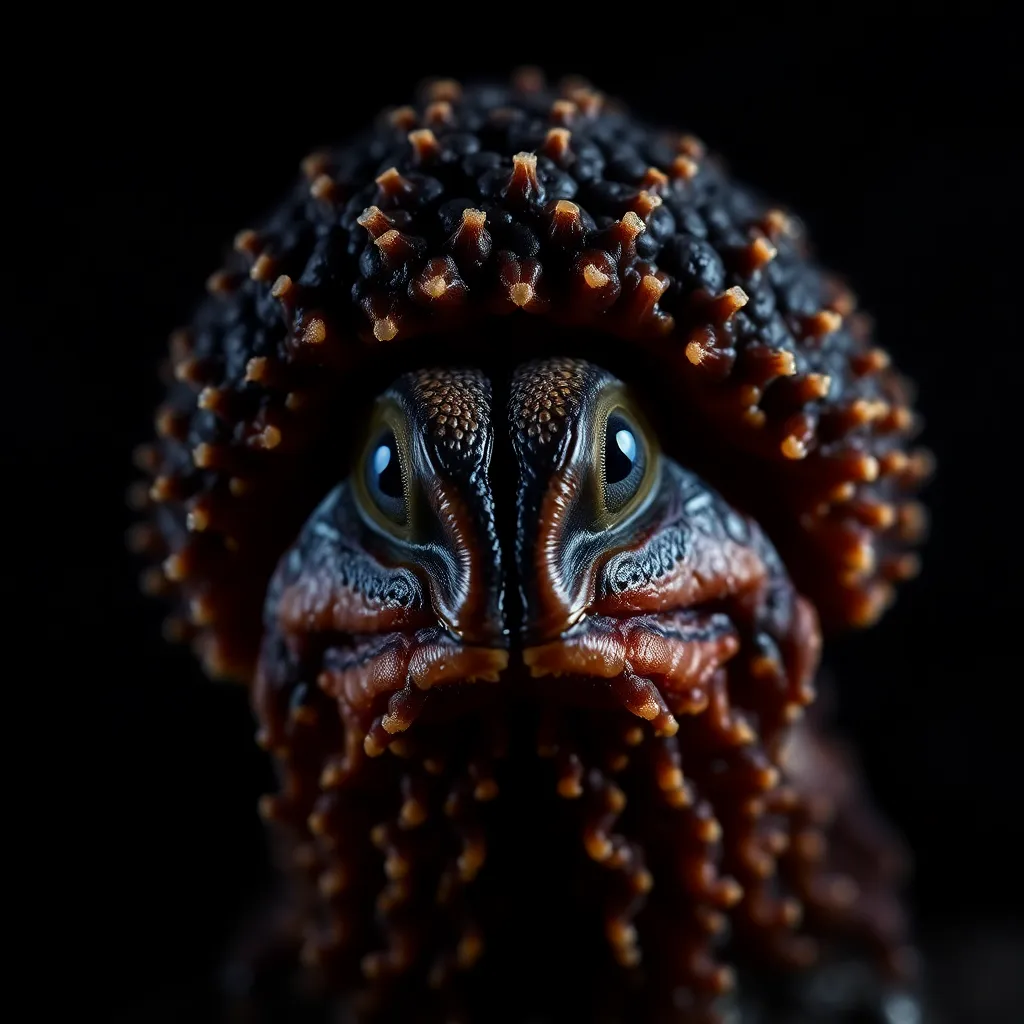
Barnacle close-up
Barnacle

SURVIVAL TOOLKIT

Built for Survival

Nature's engineering refined over millions of years

🔬 SURVIVAL TOOLKIT
Calcareous Shell Plates
01

Calcareous Shell Plates

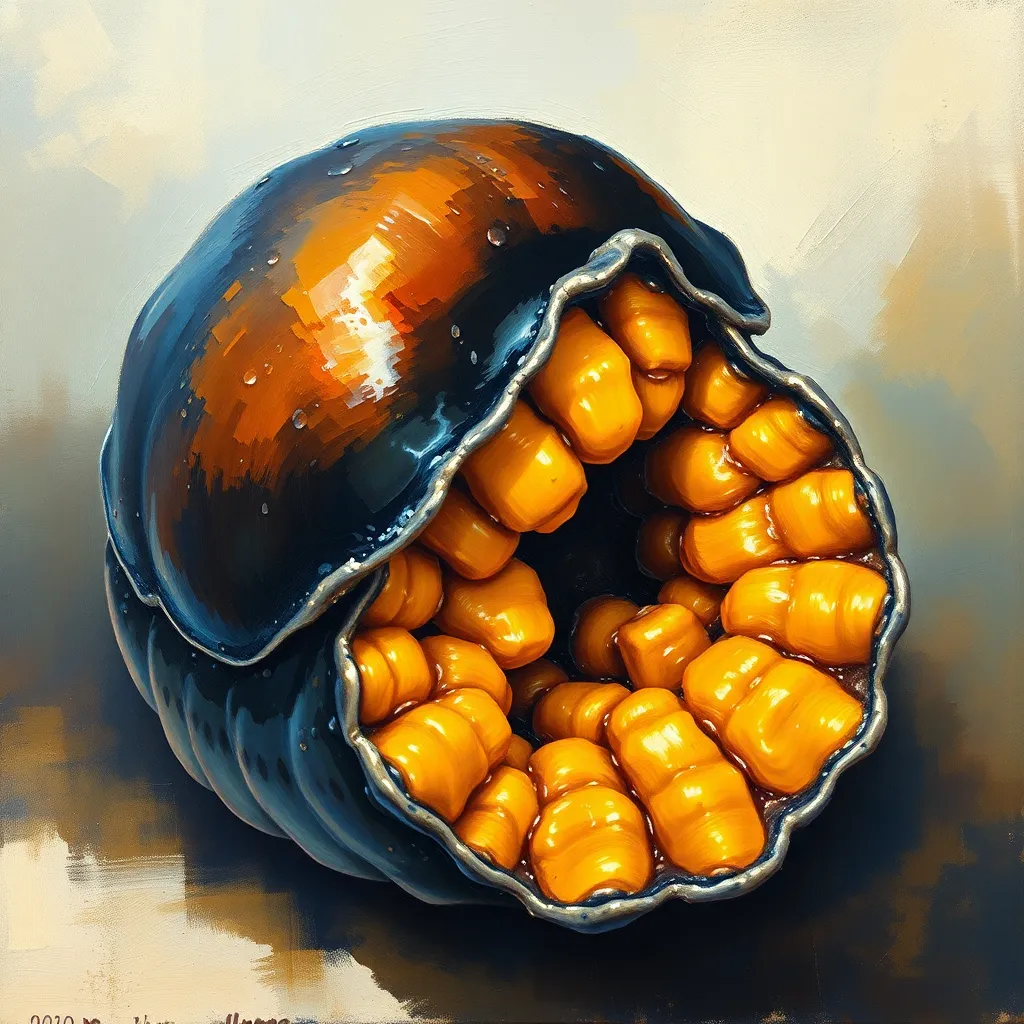
Six interlocking calcite plates form a protective fortress that closes airtight during low tide, preventing desiccation and predator access.

Biological Cement
02

Biological Cement

A protein-lipid adhesive secreted from cement glands in the antennae permanently bonds the barnacle to any hard substrate underwater.

Cirral Feeding Fan
03

Cirral Feeding Fan

Feathery modified legs (cirri) extend through the shell opening to sweep plankton and organic particles from the water column.

Intertidal Heat Tolerance
04

Intertidal Heat Tolerance

Special heat-shock proteins protect cellular machinery during exposure to air temperatures exceeding 40°C at low tide on sun-baked rocks.

Opercular Seal
05

Opercular Seal

Moveable plates (the operculum) seal the shell opening with trapped water during aerial exposure, creating a humid micro-environment.

Armored Architect of Rocky Shores. An extraordinary creature that reminds us what we stand to lose.

Jungal Safari · Wildlife Network
💡

Did You Know?

Barnacles are crustaceans that glue themselves head-down to rocks and use their modified legs (cirri) to fan plankton into their mouths.

🍖 DIET: FILTER FEEDER

What Does the Barnacle Eat?

🦠
Phytoplankton
🔬
Zooplankton
🌊
Suspended organic detritus
🐚
Diatoms & microalgae
🗺️ GEOGRAPHIC RANGE

Where Do Barnacles Live?

🌍
➡️
Population Trend Stable

Conservation in Action

How You Can Help the Barnacle

Small actions, taken together, can reverse the decline of species like this one

🌳
Protect Habitat

Support wildlife reserves and protected land corridors

🚫
Stop Poaching

Report illegal trade and back anti-poaching patrols

🔬
Fund Research

Camera-trap studies and population monitoring

🤝
Community Work

Partner with local herders to reduce conflict

📢
Raise Awareness

Educate and inspire future wildlife champions

"Without urgent action, the Barnacle could disappear from the wild within our lifetime."

PROTECT THEM. PRESERVE THEIR LEGACY.

The Barnacle's Future
Is In Our Hands

Every share, every donation, every voice raised — makes a difference for wildlife conservation.

🌳Protect Habitat
📢Raise Awareness
💰Fund Research
🤝Community Work
🚫Stop Poaching

"Protect Wildlife. Preserve Our Planet."

Every species matters. Every action counts.

Advertisement