Loading Wildlife…

Pteropodidae LC

THE

BAT

Winged Sentinel of the Night

Pteropus giganteus

Asia
CLASS Mammalia FAMILY Pteropodidae GENUS Pteropus
60 km/h
Top Speed
⚖️
0.6–1.6 kg
Max Weight
📏
23–28 cm (wingspan: 1.2–1.5 m)
Body Length
🕰️
15–31 years
Lifespan
🍖
Frugivore
Diet Type

IUCN Red List — Where this species stands

LC Least Concern
NT Near Threatened
VU Vulnerable
EN Endangered
CR Critical
EW Extinct Wild
EX Extinct

About the Bat

Pteropus giganteus

Advertisement

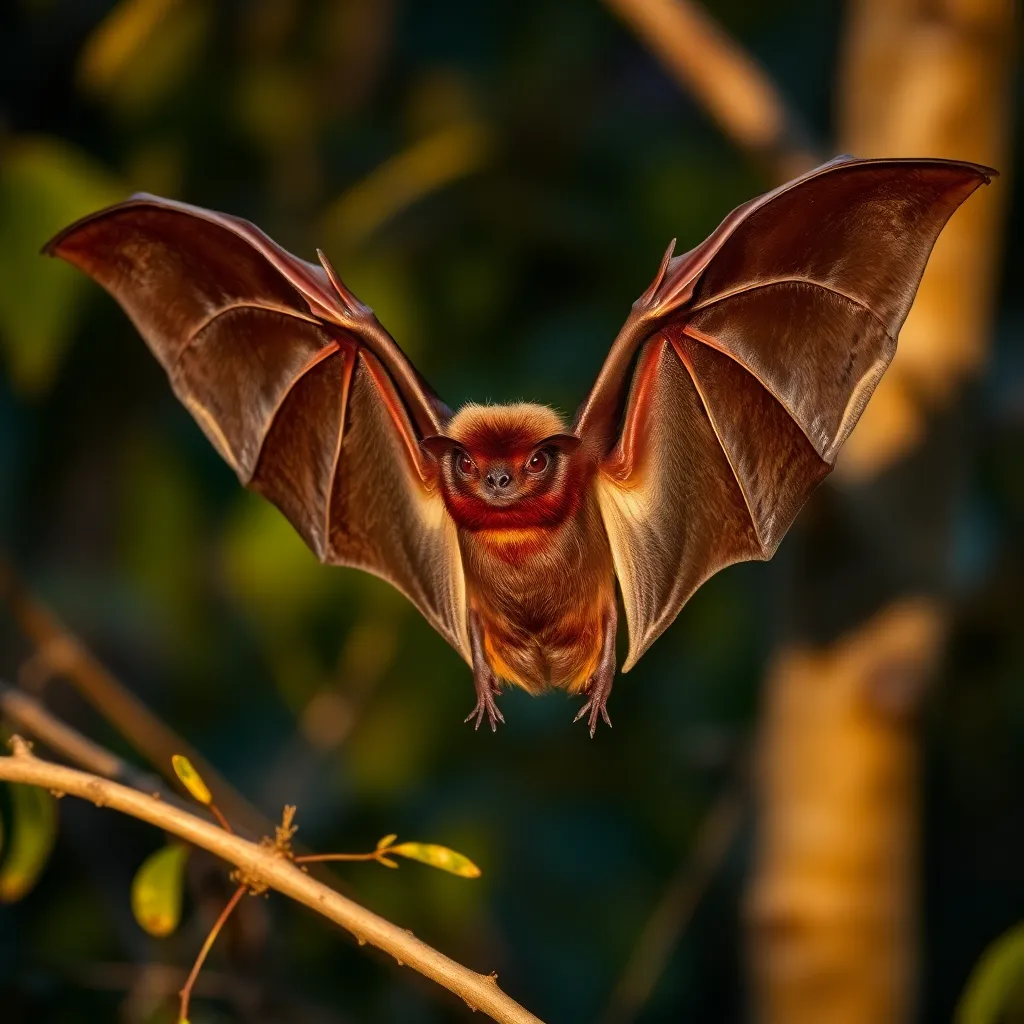
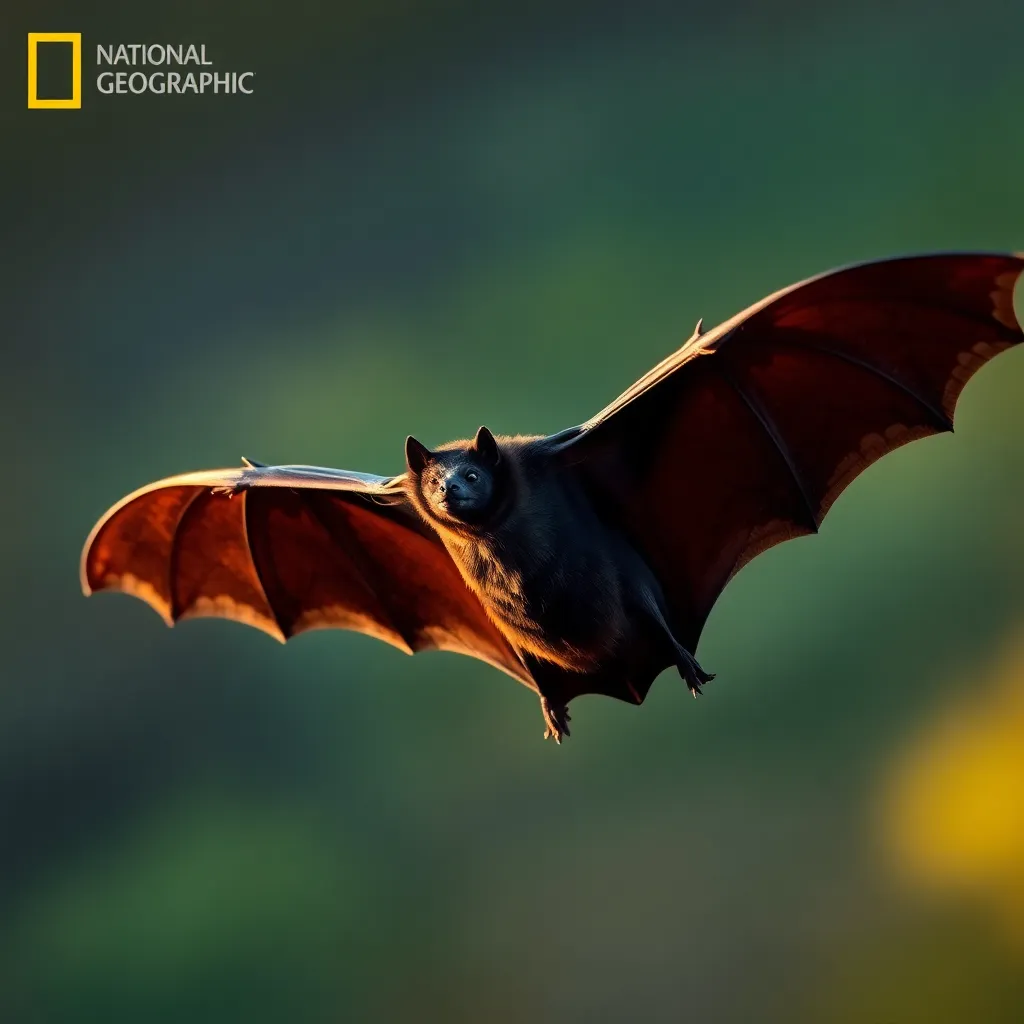
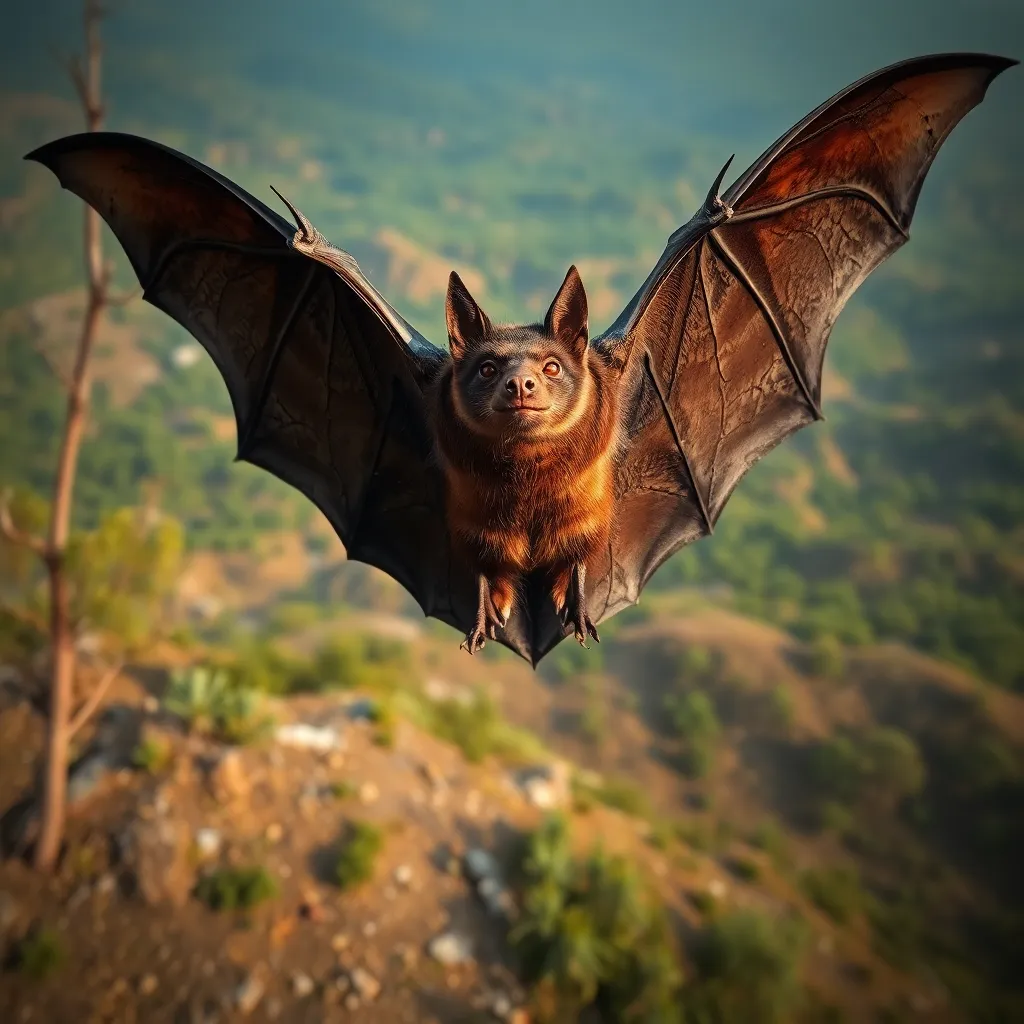
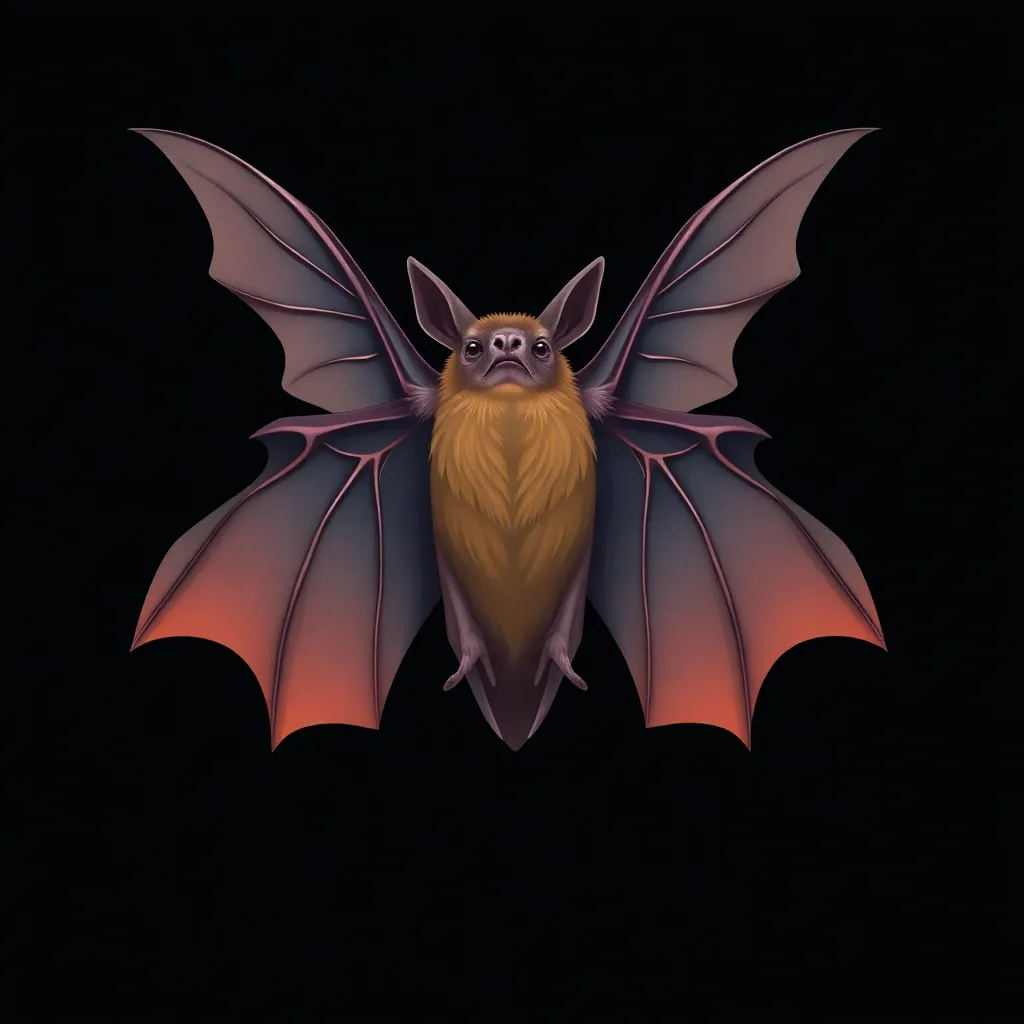
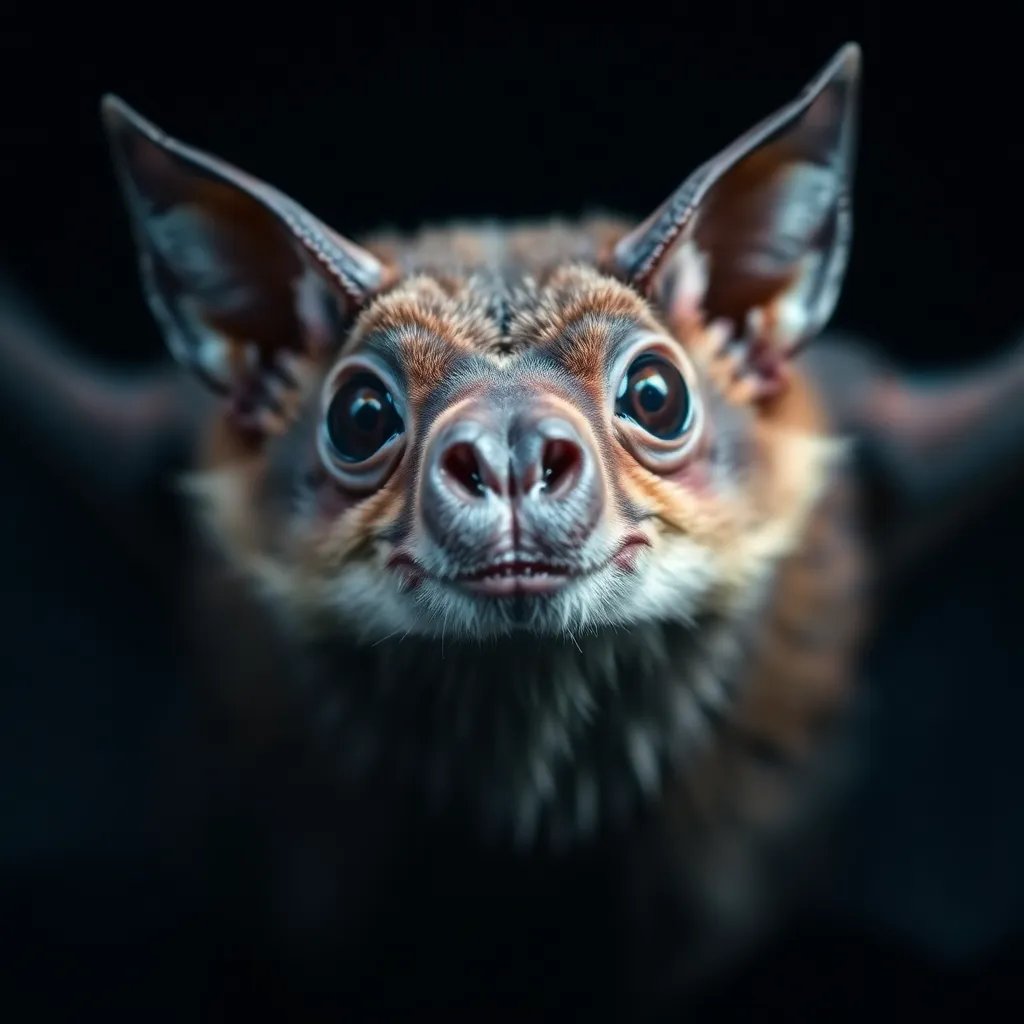
The Indian flying fox is the largest bat in the world, with a wingspan exceeding 1.5 meters, and roosts in massive colonies of up to 10,000 individuals in the forest canopy. Unlike most bats, flying foxes do not use echolocation — they navigate by acute eyesight and smell, seeking ripe fruit and nectar across vast territories at night. As keystone pollinators and seed dispersers for hundreds of tropical tree species, they are architects of forest regeneration across South and Southeast Asia.

⚡ Speed Comparison

Human
12 km/h
Car (city)
50 km/h
Horse
54 km/h
Bat
60 km/h

💡 Fun Facts

01

Flying foxes can travel over 50 km in a single night in search of fruiting trees, making them among the most wide-ranging pollinators on the planet.

02

Bats are the only mammals capable of true powered flight — their wing membranes connect elongated finger bones to their bodies in a way unique to the order Chiroptera.

03

The Indian flying fox plays a critical role in durian pollination — the world's most economically valuable tropical fruit depends on bat visits for fertilization.

04

Flying foxes sleep hanging upside down to allow instant departure without a running start — their claws lock passively so they can sleep without muscular effort.

05

Colony-nesting flying foxes produce so much heat at roost sites that they can raise local air temperature by several degrees.

Unlock Expert Wildlife Facts

Watch a short 15-second video to unlock detailed expert analysis, exclusive wildlife photography, and rare behavioral facts.

📍 Where to Find This Animal

Habitat Types: Tropical Forest

🛒 Bat Related Gear

As an Amazon Associate we earn from qualifying purchases.
🗨️

Join the Conversation

Share your thoughts about the Bat

✍️

Leave a Comment

Your email address will not be published. Required fields are marked *

How Big Is a Bat?

Side-by-side comparison with an adult human (175 cm)

🧍
Human
175 cm
🦇
Bat
65 cm
shoulder height
0.6–1.6 BODY WEIGHT
23–28 BODY LENGTH
60 TOP SPEED
15–31 LIFESPAN
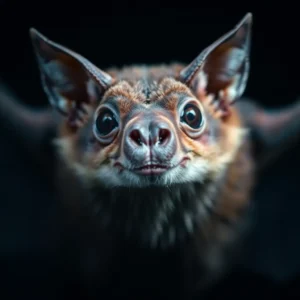
Bat close-up
Bat

SURVIVAL TOOLKIT

Built for Survival

Nature's engineering refined over millions of years

🔬 SURVIVAL TOOLKIT
Elongated Finger Wings
01

Elongated Finger Wings

Finger bones support a thin patagium membrane that provides powered, highly maneuverable flight unique among mammals.

Night Vision
02

Night Vision

Large eyes with high rod-cell density provide excellent low-light vision for navigating and locating fruit in darkness.

Acute Olfaction
03

Acute Olfaction

Exceptionally sensitive nose detects the scent of ripe fruit from kilometers away, even downwind in complex forest environments.

Inverted Roosting
04

Inverted Roosting

Self-locking tendons in the feet allow effortless hanging with zero muscular energy, conserving calories during long rest periods.

Torpor Regulation
05

Torpor Regulation

During food scarcity, flying foxes can lower body temperature and metabolism into shallow torpor to survive without eating.

Winged Sentinel of the Night. An extraordinary creature that reminds us what we stand to lose.

Jungal Safari · Wildlife Network
💡

Did You Know?

Flying foxes can travel over 50 km in a single night in search of fruiting trees, making them among the most wide-ranging pollinators on the planet.

🍖 DIET: FRUGIVORE

What Does the Bat Eat?

🍌
Tropical Fruits
🌸
Nectar & Pollen
🍓
Berries & Figs
🌺
Flower Blossoms
🗺️ GEOGRAPHIC RANGE

Where Do Bats Live?

🌍
Continents
📉
Population Trend Declining

Conservation in Action

How You Can Help the Bat

Small actions, taken together, can reverse the decline of species like this one

🌳
Protect Habitat

Support wildlife reserves and protected land corridors

🚫
Stop Poaching

Report illegal trade and back anti-poaching patrols

🔬
Fund Research

Camera-trap studies and population monitoring

🤝
Community Work

Partner with local herders to reduce conflict

📢
Raise Awareness

Educate and inspire future wildlife champions

"Without urgent action, the Bat could disappear from the wild within our lifetime."

PROTECT THEM. PRESERVE THEIR LEGACY.

The Bat's Future
Is In Our Hands

Every share, every donation, every voice raised — makes a difference for wildlife conservation.

🌳Protect Habitat
📢Raise Awareness
💰Fund Research
🤝Community Work
🚫Stop Poaching

"Protect Wildlife. Preserve Our Planet."

Every species matters. Every action counts.

Advertisement