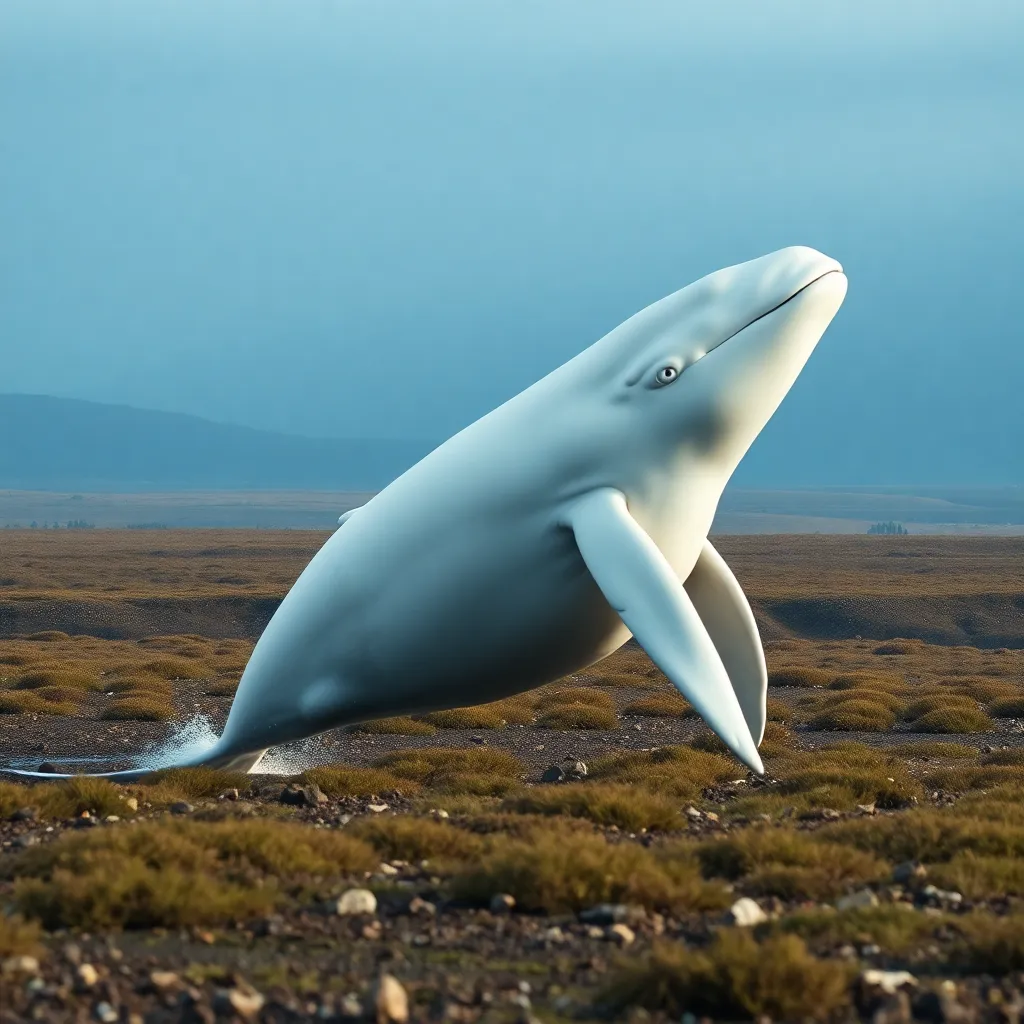
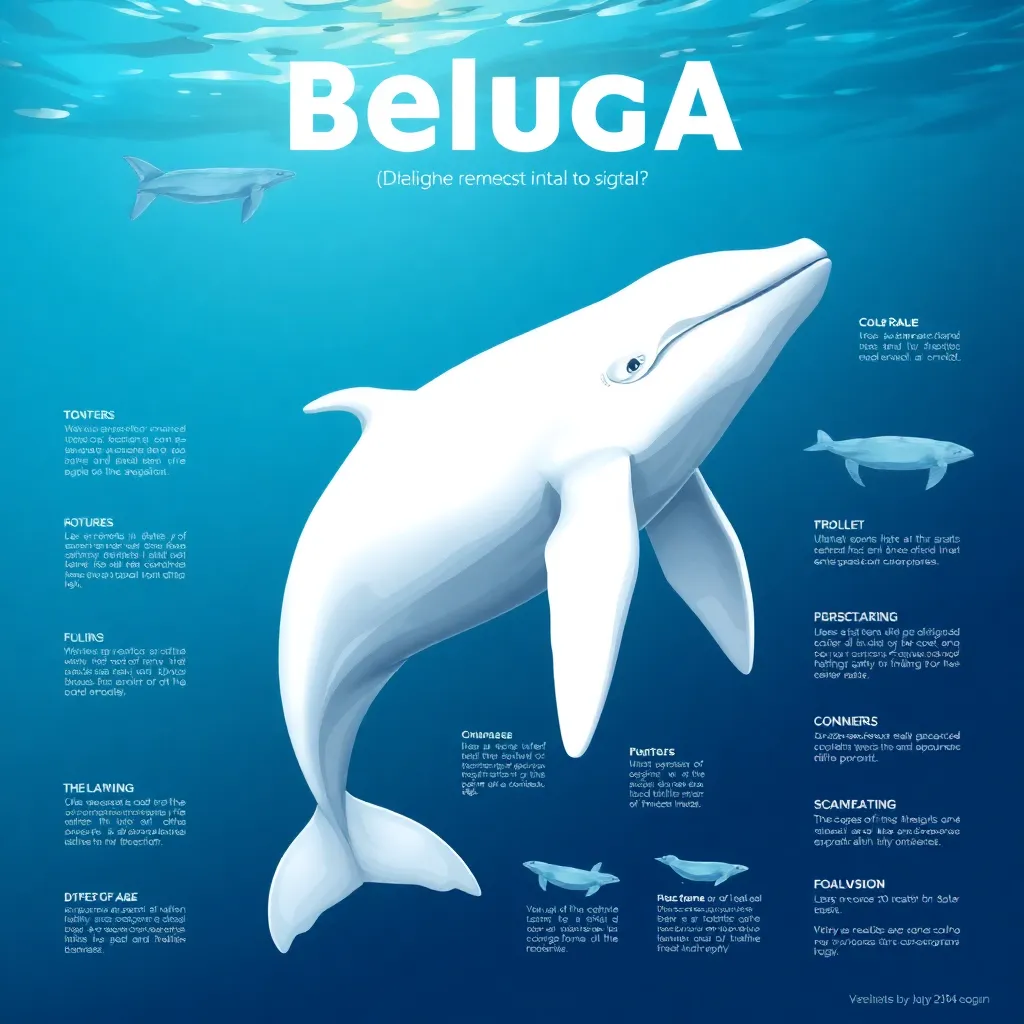
The beluga whale is a small, distinctive Arctic cetacean immediately recognizable by its pristine white coloration, bulbous melon, and remarkable vocal repertoire — earning the nickname ‘canary of the sea.’ Unlike all other cetaceans, belugas can turn their head in multiple directions thanks to unfused cervical vertebrae, and their highly flexible melon (a fatty forehead structure) can be physically reshaped to alter echolocation beam focus. Belugas are highly social, living in fluid pods and exhibiting complex play behaviors throughout life.
About the Beluga Whale
Delphinapterus leucas
Advertisement
⚡ Speed Comparison
📸 Photo Gallery



💡 Fun Facts
01
Belugas are called the 'canaries of the sea' for producing over 50 distinct vocalizations including clicks, whistles, chirps, and squeaks audible through boat hulls.
02
They are the only whales that can turn their head sideways and nod — made possible by unfused cervical (neck) vertebrae unique among cetaceans.
03
Belugas change color from gray at birth through progressive molting and skin replacement to pure white by age 5-7, linked to sexual maturity.
04
Their melon — the rounded fatty forehead — is so flexible it can visibly change shape, adjusting the focus of echolocation beams like a biological acoustic lens.
05
Beluga calves are born tail-first after a 14-15 month gestation and nurse for up to 2 years; mothers and daughters often remain associated for life.
📍 Where to Find This Animal
Habitat Types:
Arctic & Sub-Arctic Ocean
🛒 Beluga Whale Related Gear
As an Amazon Associate we earn from qualifying purchases.




Join the Conversation
Share your thoughts about the Beluga Whale