Loading Wildlife…

Agamidae LC

THE

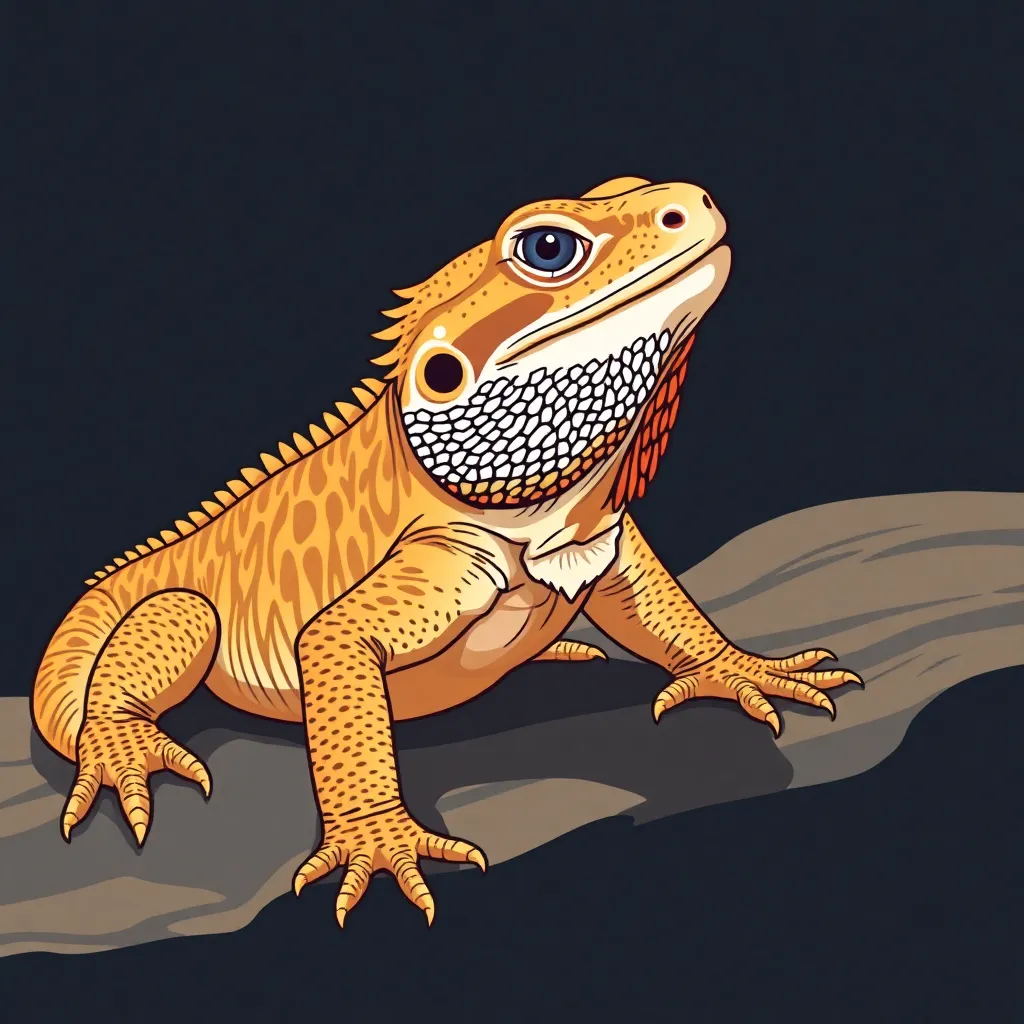
BEARDED DRAGON

Australia's Sunlit Armored Sage

Pogona vitticeps

Oceania
CLASS Reptilia FAMILY Agamidae GENUS Pogona
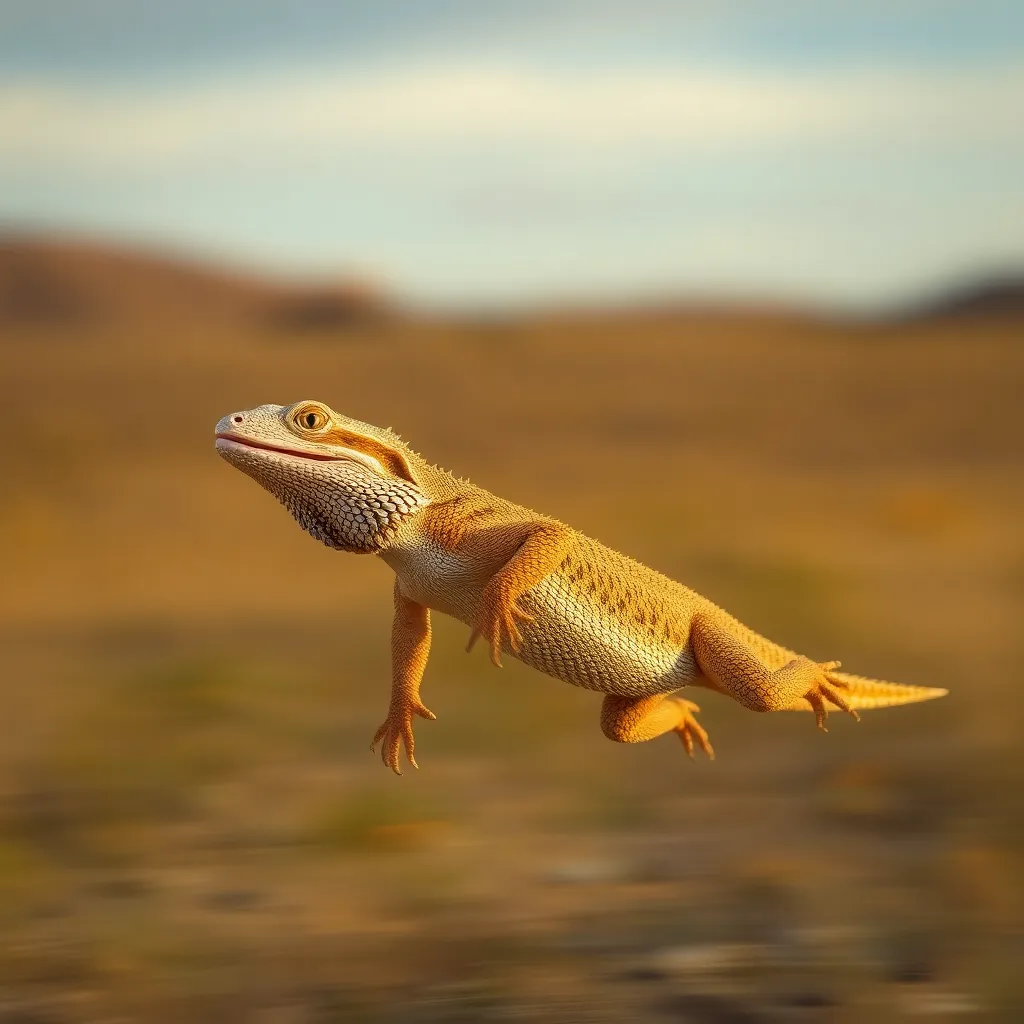
40 km/h
Top Speed
⚖️
0.3-0.5 kg
Max Weight
📏
40-60 cm
Body Length
🕰️
10-15 years
Lifespan
🍖
Omnivore
Diet Type

IUCN Red List — Where this species stands

LC Least Concern
NT Near Threatened
VU Vulnerable
EN Endangered
CR Critical
EW Extinct Wild
EX Extinct

About the Bearded Dragon

Pogona vitticeps

Advertisement

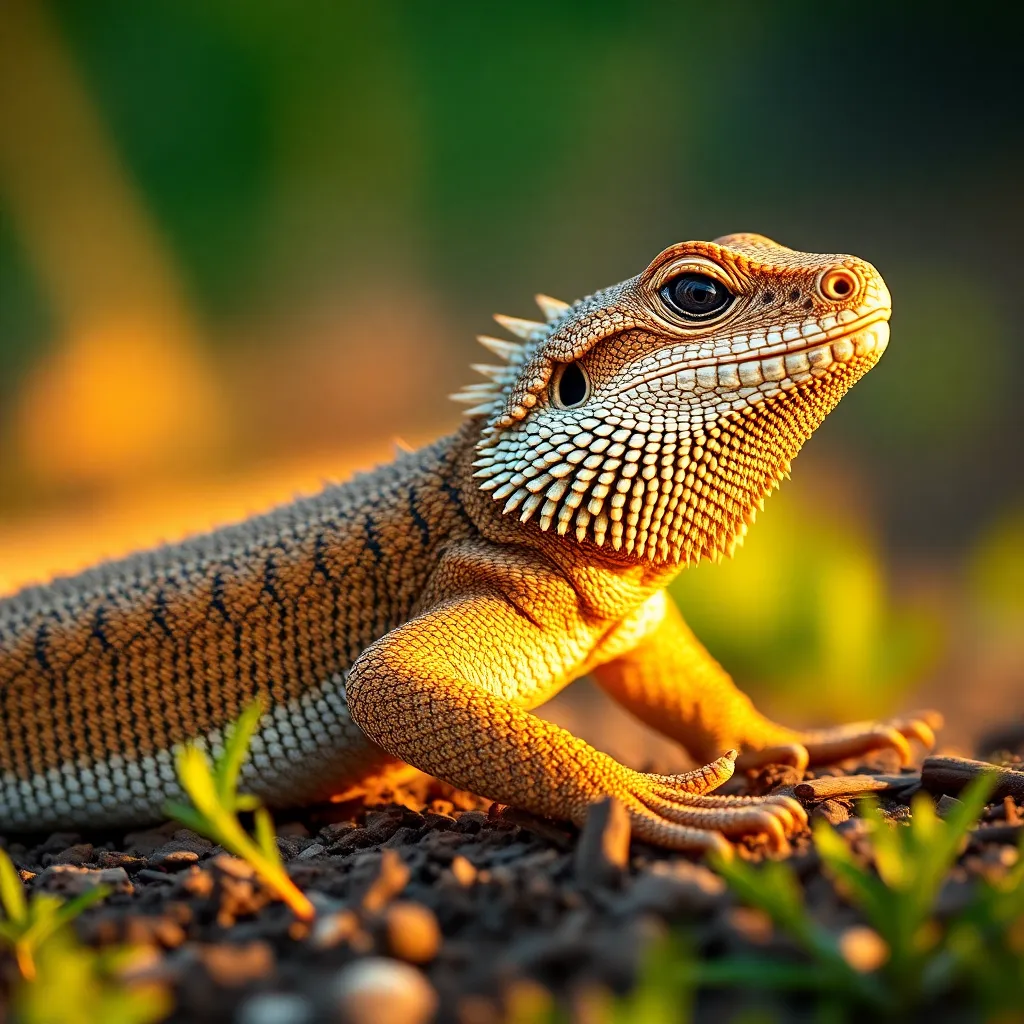
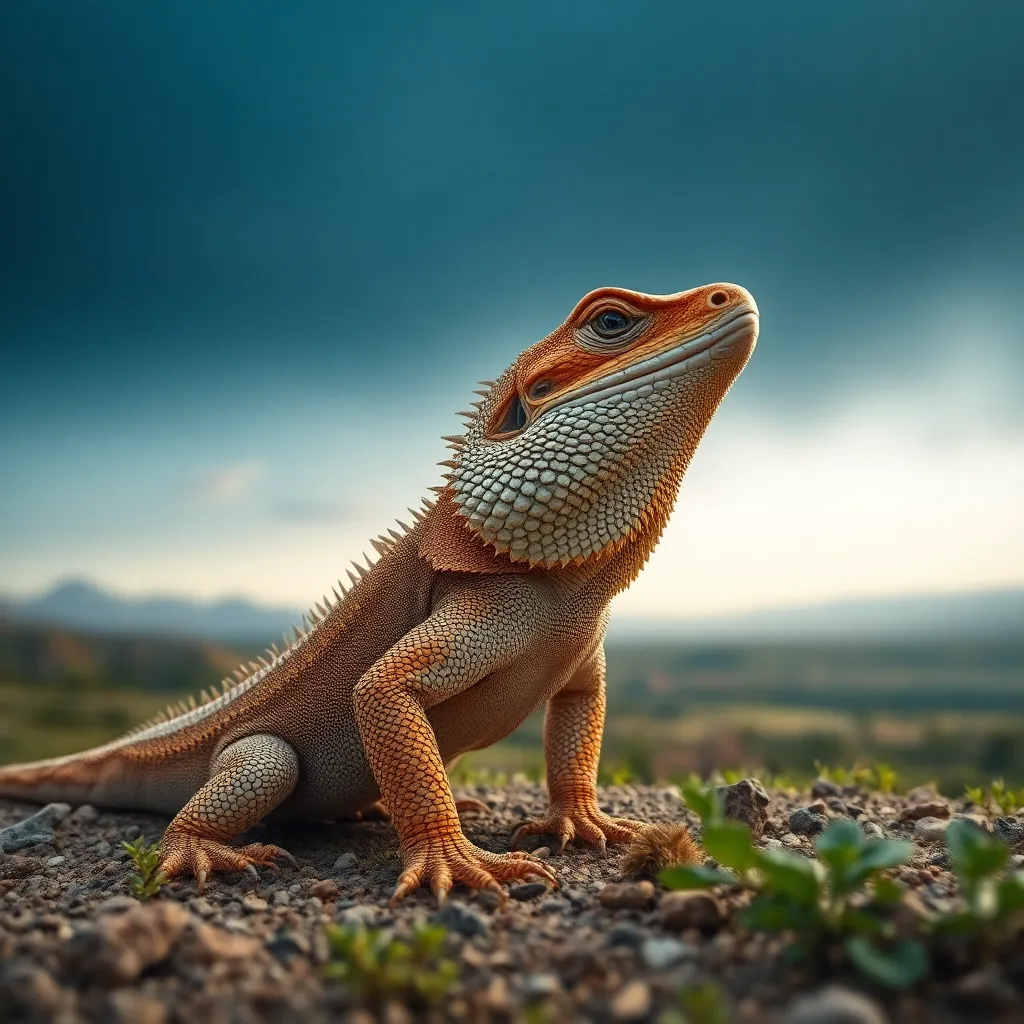
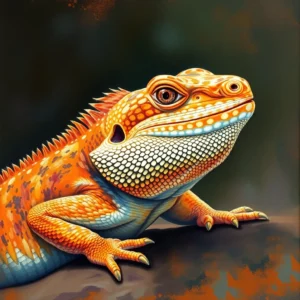
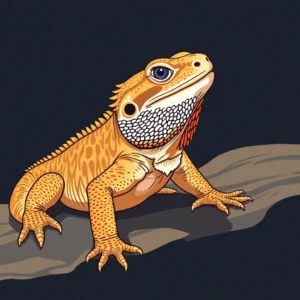
The central bearded dragon is a medium-sized lizard native to the arid and semi-arid regions of central Australia, living in woodlands, scrublands, and desert margins. One of Australia’s most beloved reptiles, it has also become among the world’s most popular pet lizards due to its gentle temperament and engaging behavioral repertoire. In the wild, bearded dragons are semi-arboreal baskers that use elevated perches to display, thermoregulate, and scan for prey, predators, and rivals across the open landscape.

⚡ Speed Comparison

Human
12 km/h
Bearded Dragon
40 km/h
Car (city)
50 km/h
Horse
54 km/h

💡 Fun Facts

01

Bearded dragons communicate through arm waving — juveniles and females wave slowly at dominant males to signal submission and avoid aggression.

02

They thermoregulate with extraordinary precision, choosing basking spots to maintain a core body temperature within 2°C of their optimal 38°C for hours.

03

Bearded dragons can change the color of their beard from pale yellow to jet black within seconds to signal threat level or reproductive state.

04

They possess a parietal eye on top of their skull — a photosensory organ that detects changes in light and shadow to alert the lizard to overhead predators.

05

Female bearded dragons can produce fertile eggs without any male involvement through facultative parthenogenesis — a capability discovered relatively recently.

Unlock Expert Wildlife Facts

Watch a short 15-second video to unlock detailed expert analysis, exclusive wildlife photography, and rare behavioral facts.

📍 Where to Find This Animal

Habitat Types: Arid Scrubland

🛒 Bearded Dragon Related Gear

As an Amazon Associate we earn from qualifying purchases.
🗨️

Join the Conversation

Share your thoughts about the Bearded Dragon

✍️

Leave a Comment

Your email address will not be published. Required fields are marked *

How Big Is a Bearded Dragon?

Side-by-side comparison with an adult human (175 cm)

🧍
Human
175 cm
🦎
Bearded Dragon
65 cm
shoulder height
0.3-0.5 BODY WEIGHT
40-60 BODY LENGTH
40 TOP SPEED
10-15 LIFESPAN
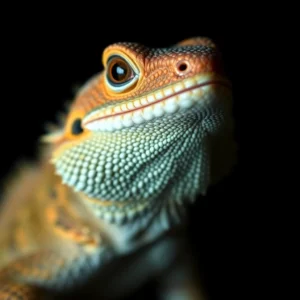
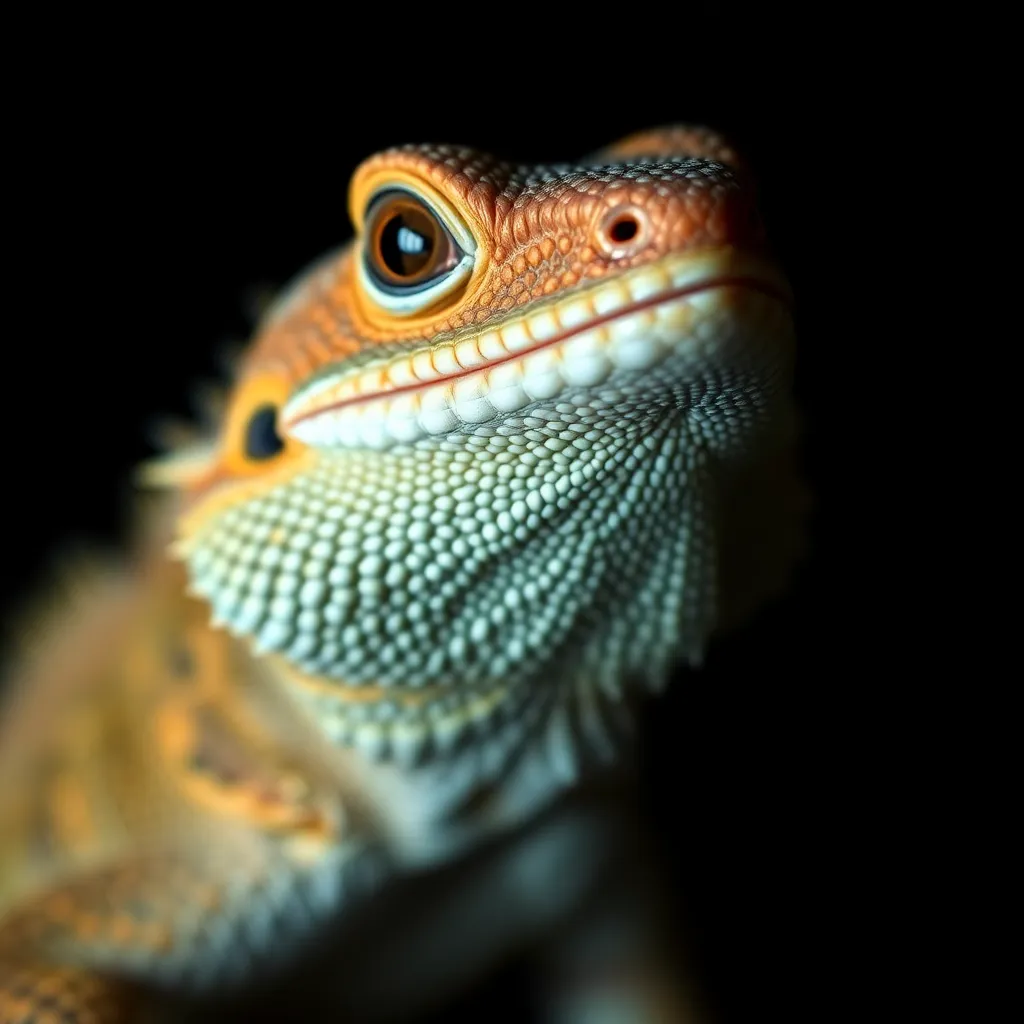
Bearded Dragon close-up
Bearded Dragon

SURVIVAL TOOLKIT

Built for Survival

Nature's engineering refined over millions of years

🔬 SURVIVAL TOOLKIT
Beard Display
01

Beard Display

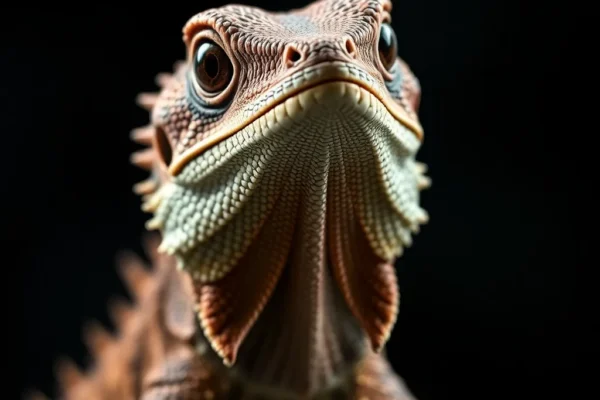
Spinose throat scales that darken instantly to jet black function as an expandable visual threat display and intraspecific communication signal.

Precise Thermoregulation
02

Precise Thermoregulation

Behavioral shuttling between sun and shade — and postural angle adjustment — maintains optimal body temperature with near-thermostat precision.

Parietal Eye
03

Parietal Eye

A third photoreceptive eye in the parietal scale detects overhead shadow changes, providing passive early warning against aerial predators.

Cryptic Coloration
04

Cryptic Coloration

Sandy-brown patterning with variable regional color morphs provides excellent camouflage against arid rocky soil and spinifex grassland.

Water Harvesting
05

Water Harvesting

Hygroscopic skin scales channel droplets from dew, rain, or even fog toward the mouth through surface microstructure capillary action.

Australia's Sunlit Armored Sage. An extraordinary creature that reminds us what we stand to lose.

Jungal Safari · Wildlife Network
💡

Did You Know?

Bearded dragons communicate through arm waving — juveniles and females wave slowly at dominant males to signal submission and avoid aggression.

🍖 DIET: OMNIVORE

What Does the Bearded Dragon Eat?

🦗
Crickets
🥬
Leafy Greens
🌵
Cactus Flowers
🐛
Caterpillars
🍓
Berries
🗺️ GEOGRAPHIC RANGE

Where Do Bearded Dragons Live?

🌍
Continents
➡️
Population Trend Stable

Conservation in Action

How You Can Help the Bearded Dragon

Small actions, taken together, can reverse the decline of species like this one

🌳
Protect Habitat

Support wildlife reserves and protected land corridors

🚫
Stop Poaching

Report illegal trade and back anti-poaching patrols

🔬
Fund Research

Camera-trap studies and population monitoring

🤝
Community Work

Partner with local herders to reduce conflict

📢
Raise Awareness

Educate and inspire future wildlife champions

"Without urgent action, the Bearded Dragon could disappear from the wild within our lifetime."

PROTECT THEM. PRESERVE THEIR LEGACY.

The Bearded Dragon's Future
Is In Our Hands

Every share, every donation, every voice raised — makes a difference for wildlife conservation.

🌳Protect Habitat
📢Raise Awareness
💰Fund Research
🤝Community Work
🚫Stop Poaching

"Protect Wildlife. Preserve Our Planet."

Every species matters. Every action counts.

Advertisement