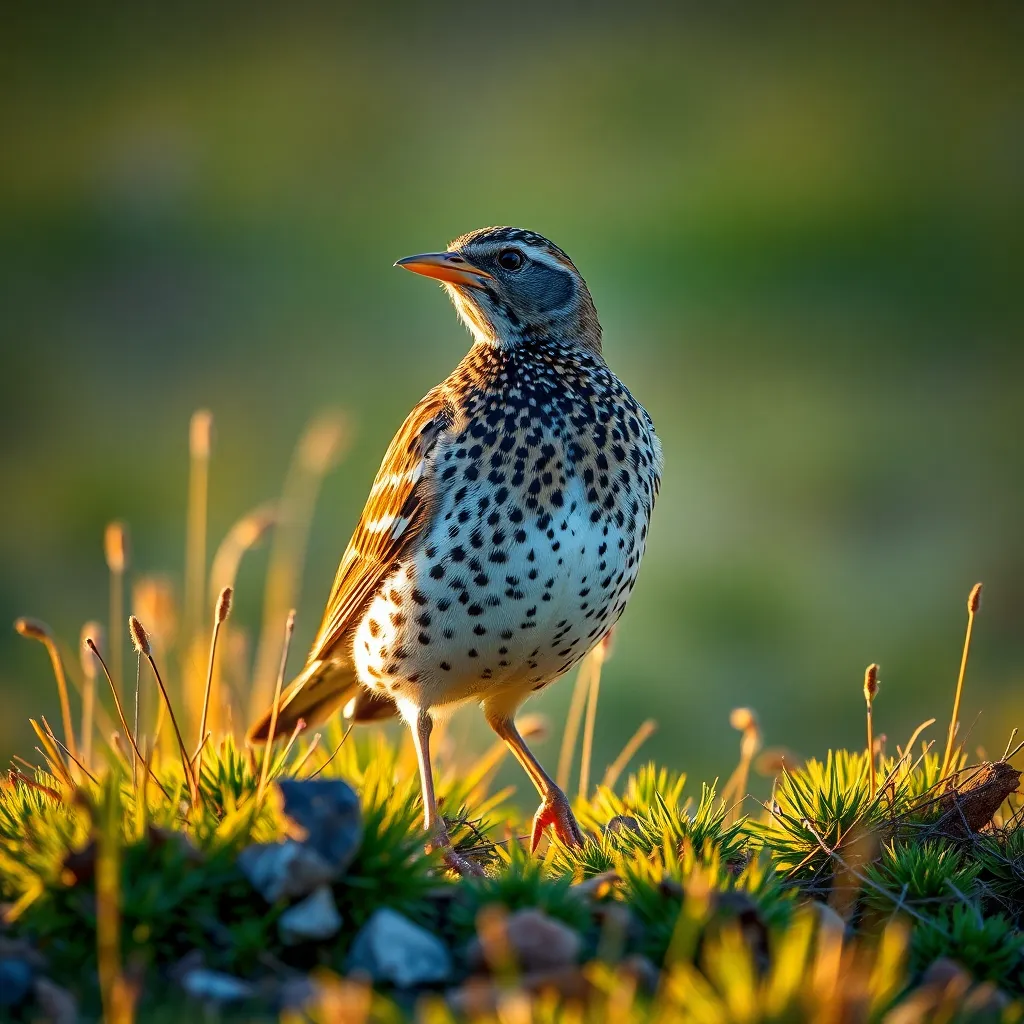
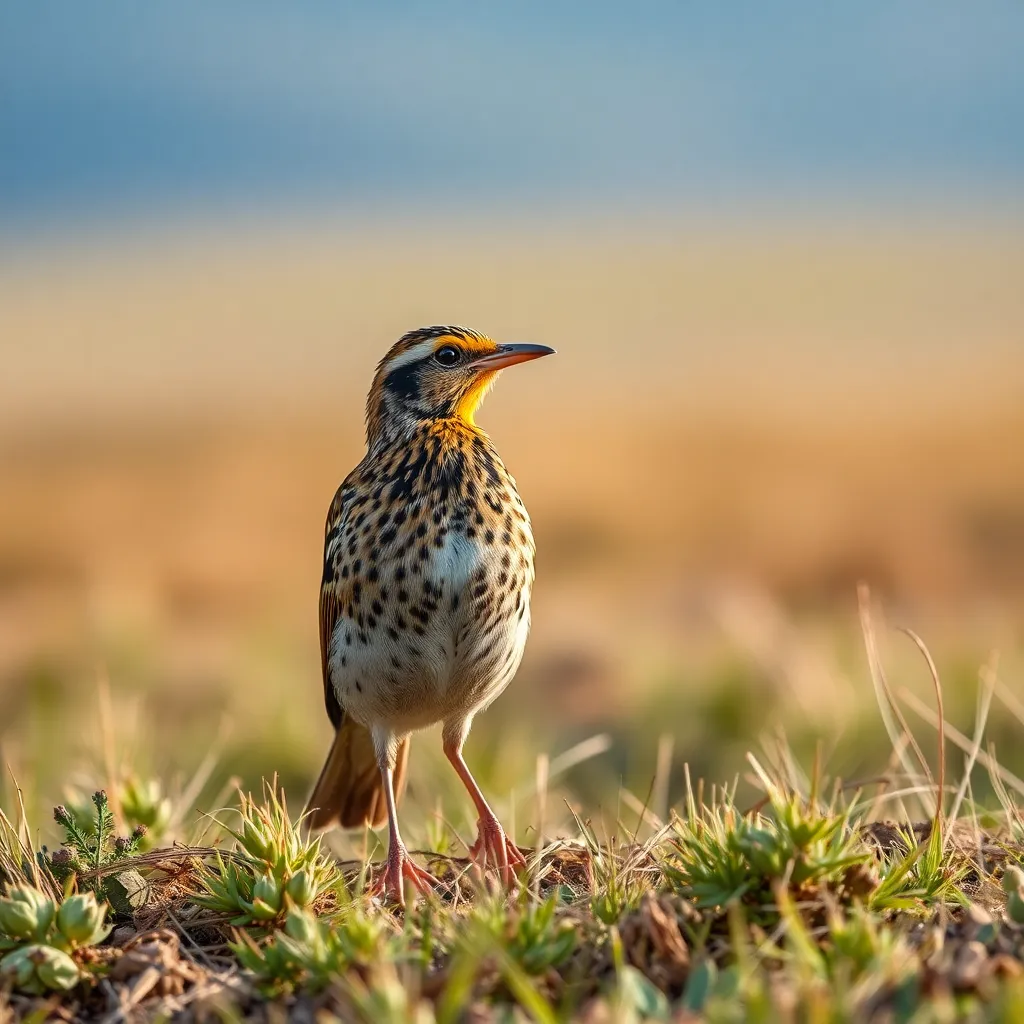
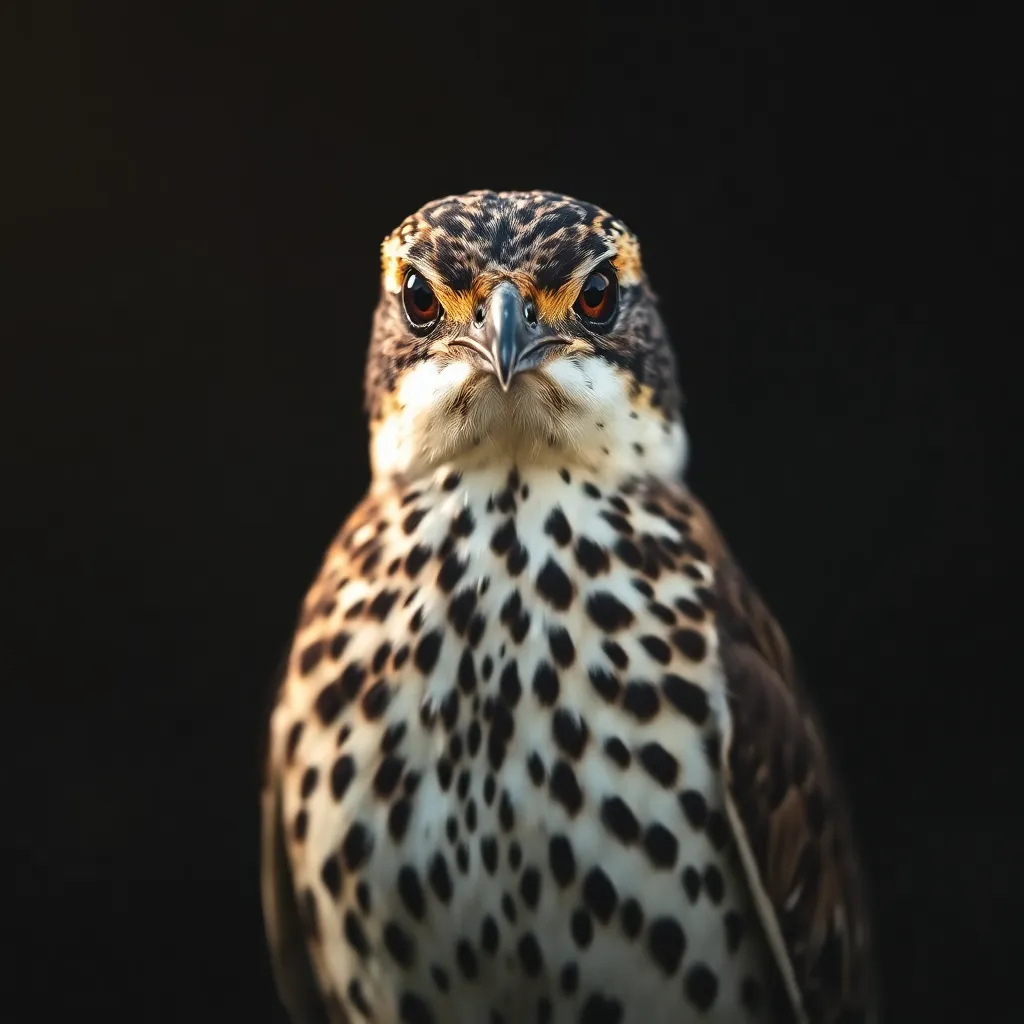
The Eurasian skylark is one of the most celebrated songbirds in European literature and folklore, famous for its prolonged, complex aerial song delivered while hovering hundreds of metres above open grassland and farmland. A ground-nesting bird of open landscapes, it has suffered severe population declines across much of Western Europe due to changes in agricultural practices, particularly autumn sowing of cereals, which eliminates the bare ground and stubble fields essential for nesting and winter feeding. Its song — which can last for up to an hour continuously — is produced in both ascending and descending flight.
About the Lark
Alauda arvensis
Advertisement
⚡ Speed Comparison
📸 Photo Gallery

💡 Fun Facts
01
A male skylark can sustain a continuous song flight lasting over an hour, rising to heights of 200-300 metres.
02
Their song contains up to 460 distinct syllable types and can be heard from over 1 km away.
03
Skylarks walk rather than hop, an adaptation to ground-level life in open, unobstructed terrain.
04
UK skylark populations have declined by over 75% since the 1970s, primarily due to agricultural intensification.
05
They nest in shallow scrapes on the ground and use a cunning 'false entrance' approach — walking a distance from the nest before landing — to avoid revealing its location.
📍 Where to Find This Animal
Habitat Types:
Farmland & Grassland
🛒 Lark Related Gear
As an Amazon Associate we earn from qualifying purchases.




Join the Conversation
Share your thoughts about the Lark