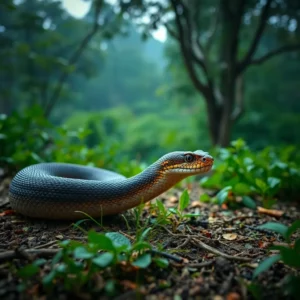
The boa constrictor is one of the largest snakes in the Western Hemisphere, a supreme ambush predator that dispatches prey not with venom but with the suffocating grip of its powerful muscular coils. Native to Central and South America, boas are equally comfortable on the ground, in trees, and near water, giving them access to a wide range of prey from rodents to mid-sized mammals. They are viviparous, giving birth to live young rather than laying eggs.
About the Boa Constrictor
Boa constrictor
Advertisement
⚡ Speed Comparison
📸 Photo Gallery
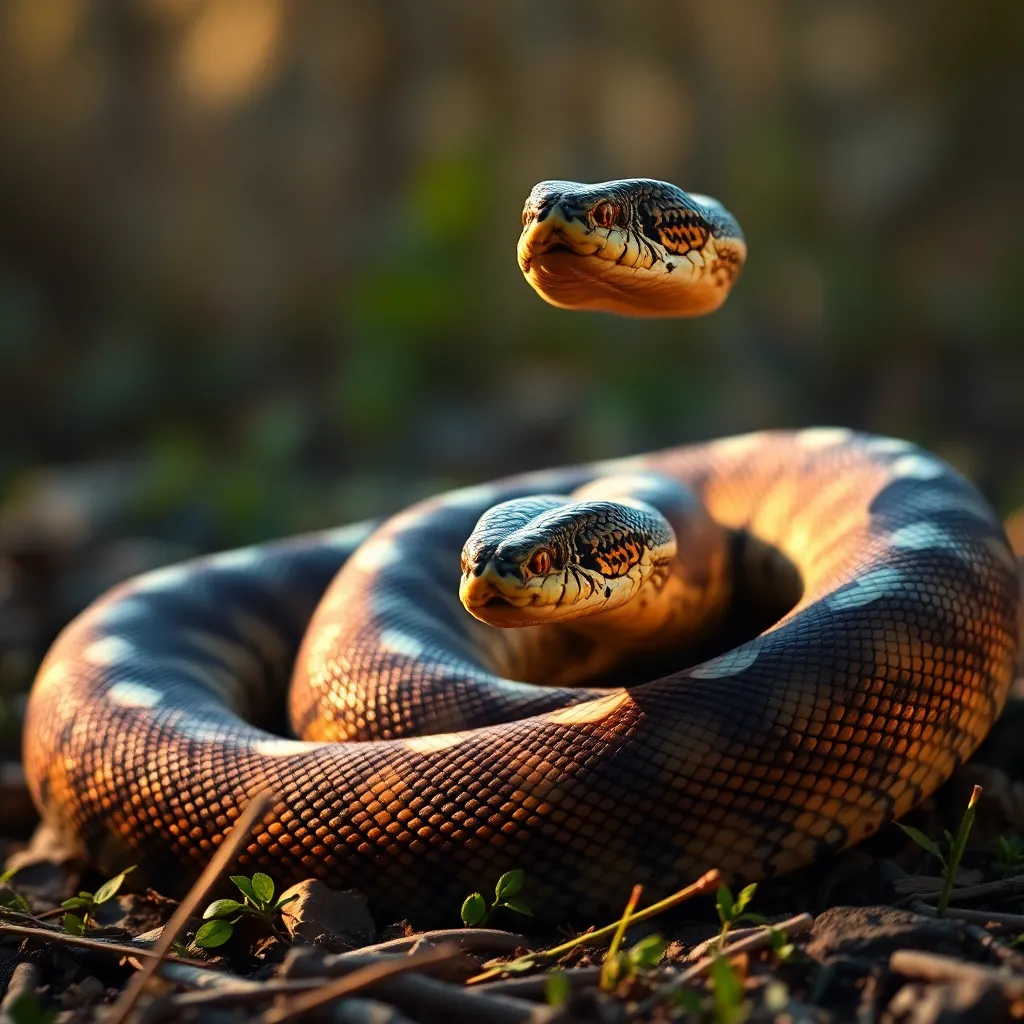
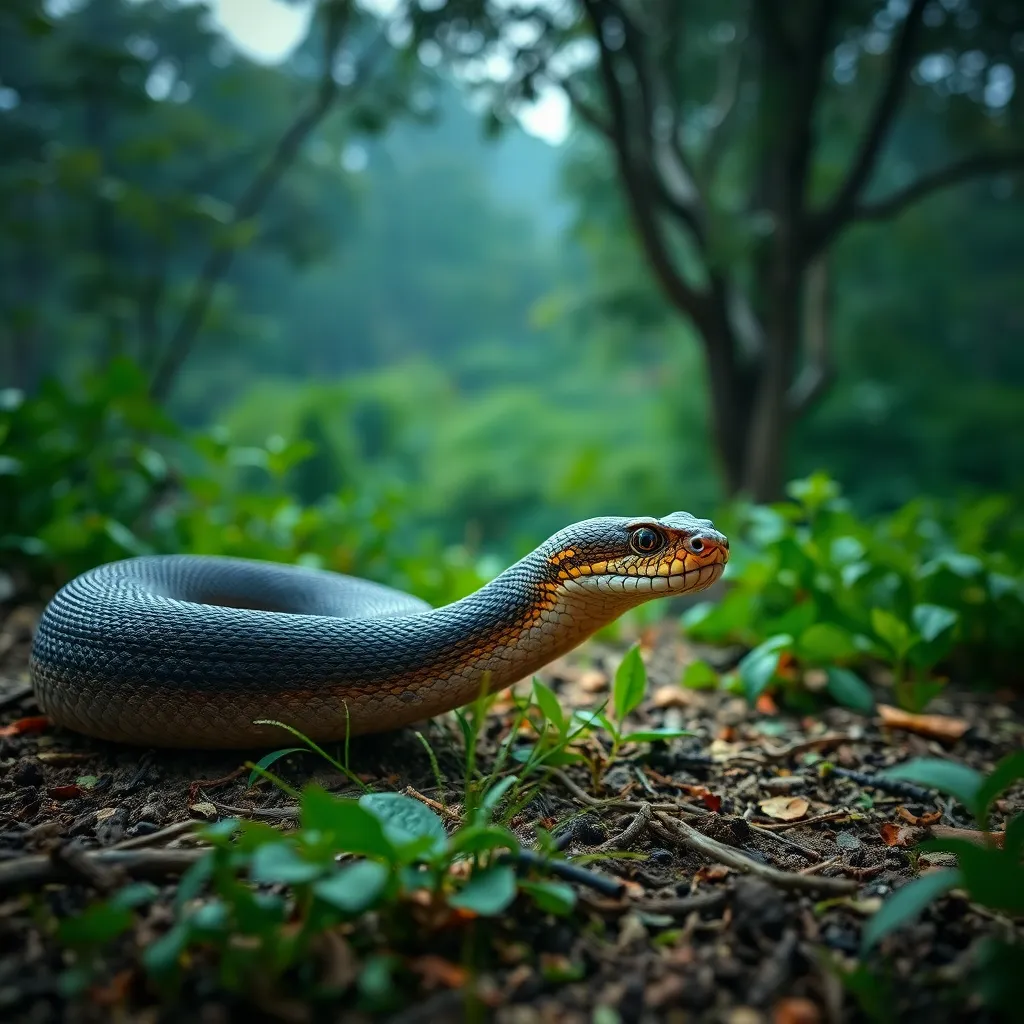
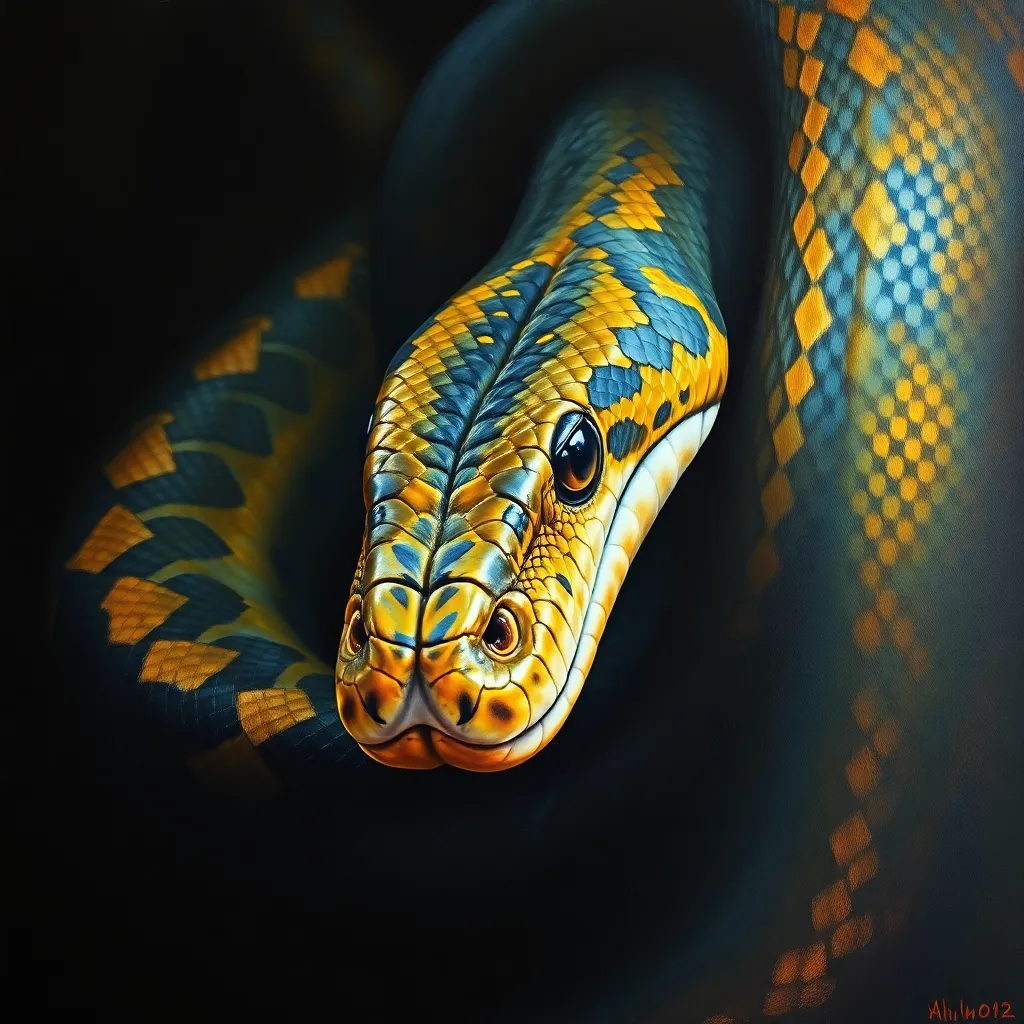

💡 Fun Facts
01
Boa constrictors kill prey by constricting — they sense the prey's heartbeat and tighten their coils only when the heart beats, cutting off blood flow rather than simply crushing.
02
A boa can go without food for months after consuming a large meal, slowing its metabolism dramatically between feeds.
03
Boas have vestigial pelvic bones and tiny claw-like pelvic spurs — evolutionary remnants of hind limbs from their four-legged ancestors.
04
A single boa litter can contain 10–65 live young, each born fully independent and capable of hunting immediately.
05
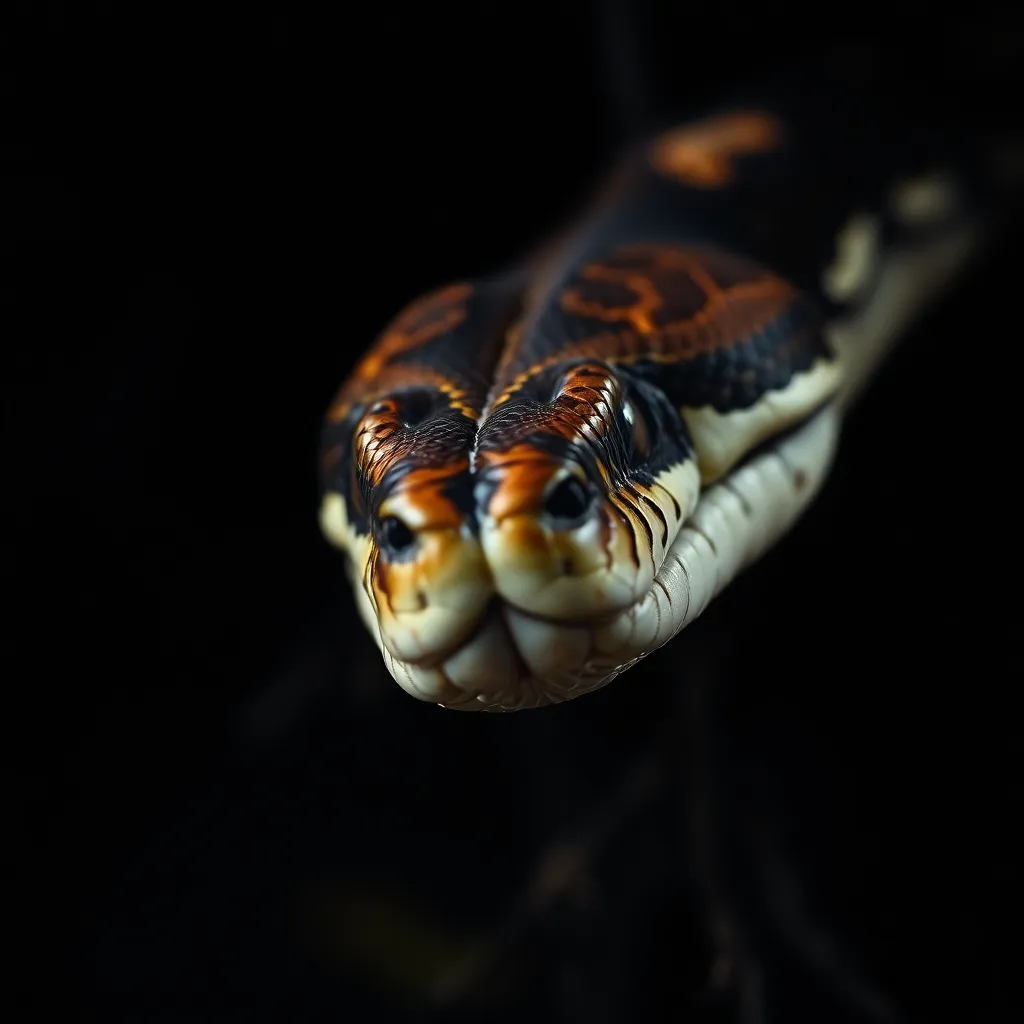
Boa constrictors have heat-sensing labial pits along their lip scales that detect infrared radiation from warm-bodied prey.
📍 Where to Find This Animal
Habitat Types:
Tropical Rainforest
🛒 Boa Constrictor Related Gear
As an Amazon Associate we earn from qualifying purchases.


Join the Conversation
Share your thoughts about the Boa Constrictor