Loading Wildlife…

Pythonidae VU

THE

BURMESE PYTHON

Silent Colossus of the Jungle

Python bivittatus

Asia
CLASS Reptilia FAMILY Pythonidae GENUS Python
4.8 km/h
Top Speed
⚖️
30–90 kg
Max Weight
📏
3.7–5.7 m
Body Length
🕰️
20–30 years
Lifespan
🍖
Carnivore
Diet Type

IUCN Red List — Where this species stands

LC Least Concern
NT Near Threatened
VU Vulnerable
EN Endangered
CR Critical
EW Extinct Wild
EX Extinct

About the Burmese Python

Python bivittatus

Advertisement

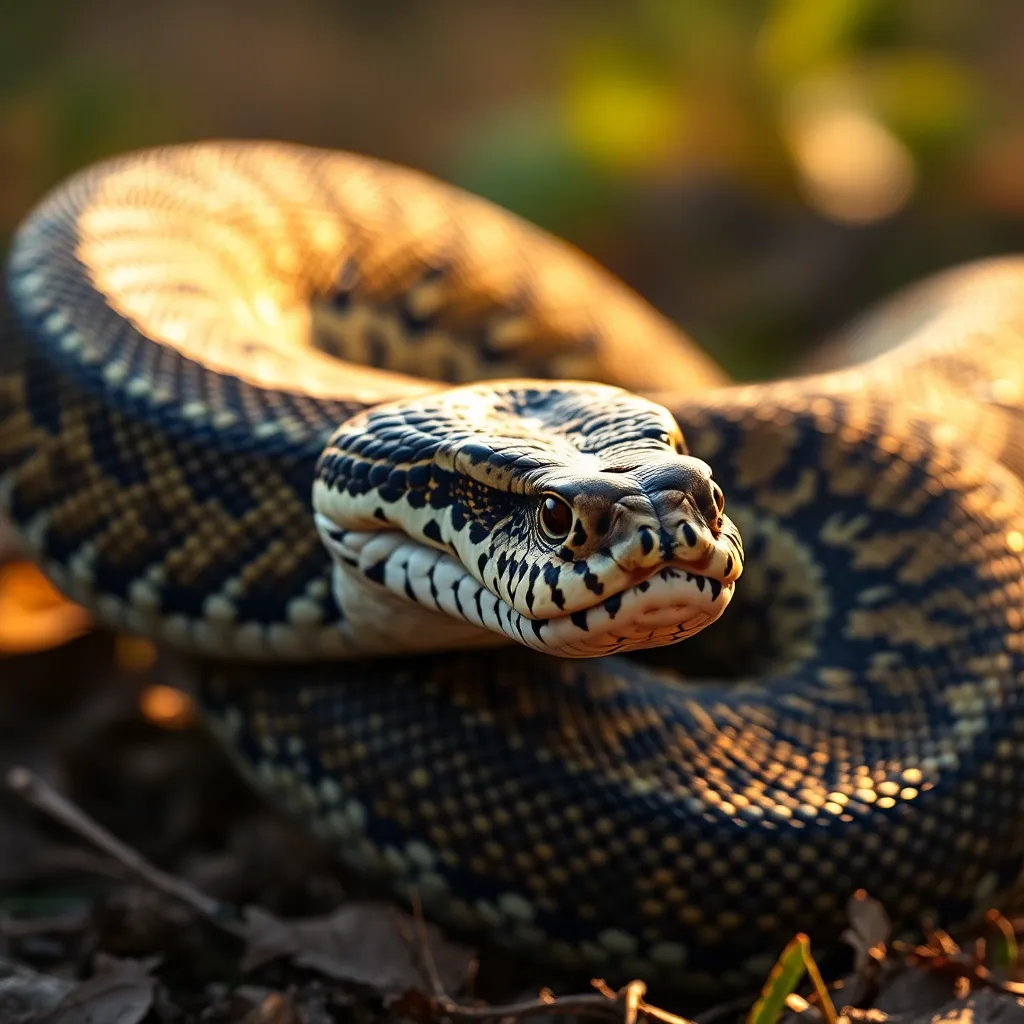
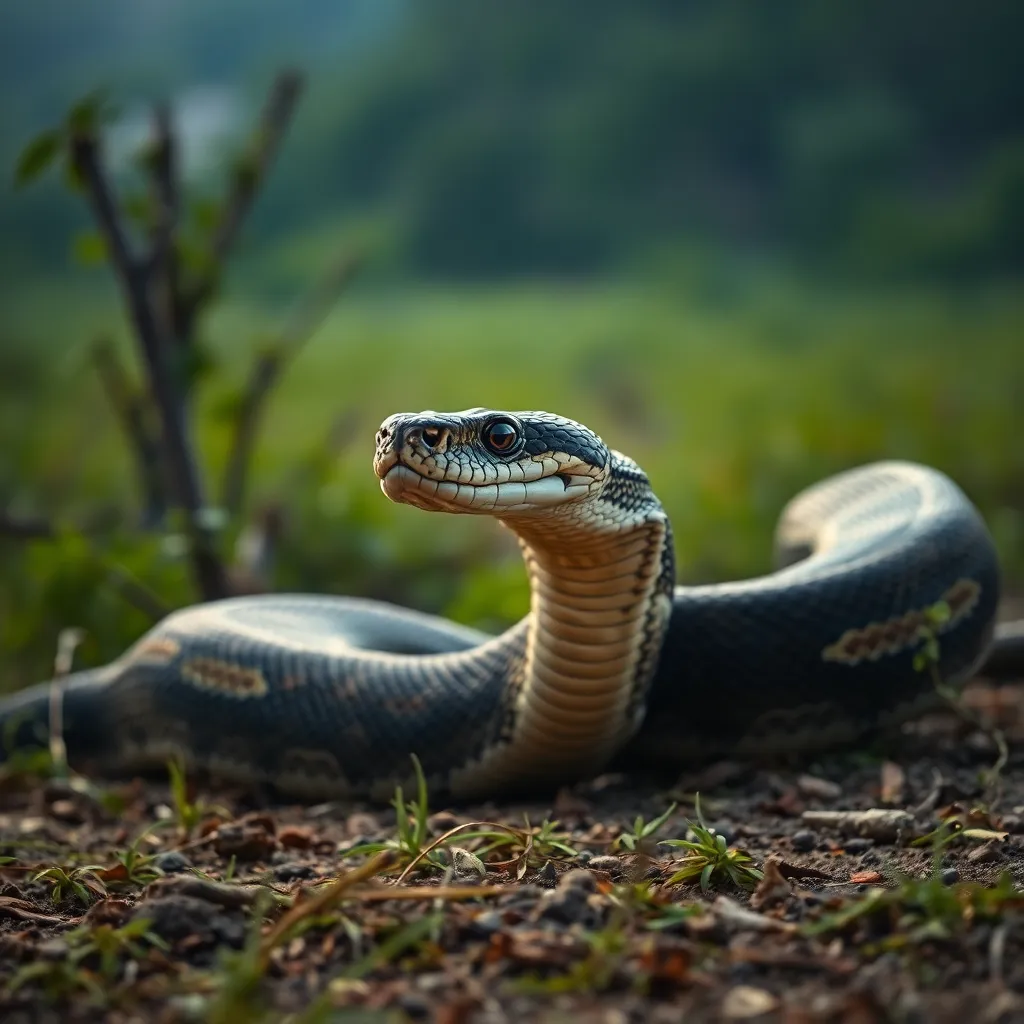
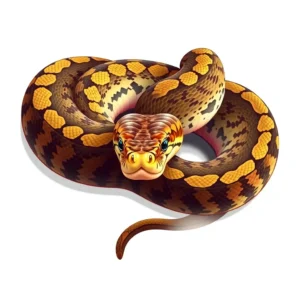
The Burmese python is one of the five largest snake species on Earth, capable of reaching lengths exceeding 5.7 metres and weights over 90 kg. Native to Southeast Asia’s grasslands, marshes, and jungles, it is a powerful constrictor that kills prey by coiling around it and progressively tightening with each exhalation until cardiac arrest. In southern Florida, Burmese pythons escaped from the pet trade have established a massive invasive population that has devastated native wildlife, with over 95% declines recorded in some small mammal populations.

⚡ Speed Comparison

Burmese Python
5 km/h
Human
12 km/h
Car (city)
50 km/h
Horse
54 km/h

💡 Fun Facts

01

A Burmese python can slow its metabolism by over 70% during fasting periods, surviving years without food by digesting its own internal organ tissue for nutrients.

02

When a Burmese python swallows a large meal, it upregulates its digestive organs within 48 hours — the small intestine doubles in mass and heart size increases by 40% to fuel digestion.

03

Female Burmese pythons are one of the very few reptiles that show maternal care — they coil around their eggs for two months, shivering their muscles to generate heat and incubate the clutch.

04

Burmese pythons navigate using a geomagnetic compass, able to return to their home range from over 36 km away even in completely unfamiliar terrain.

05

Florida's invasive Burmese python population likely exceeds 100,000 individuals and has functionally eliminated rabbits, foxes, and raccoons from large areas of the Everglades.

Unlock Expert Wildlife Facts

Watch a short 15-second video to unlock detailed expert analysis, exclusive wildlife photography, and rare behavioral facts.

📍 Where to Find This Animal

🛒 Burmese Python Related Gear

As an Amazon Associate we earn from qualifying purchases.
🗨️

Join the Conversation

Share your thoughts about the Burmese Python

✍️

Leave a Comment

Your email address will not be published. Required fields are marked *

How Big Is a Burmese Python?

Side-by-side comparison with an adult human (175 cm)

🧍
Human
175 cm
🐍
Burmese Python
65 cm
shoulder height
30–90 BODY WEIGHT
3.7–5.7 BODY LENGTH
4.8 TOP SPEED
20–30 LIFESPAN
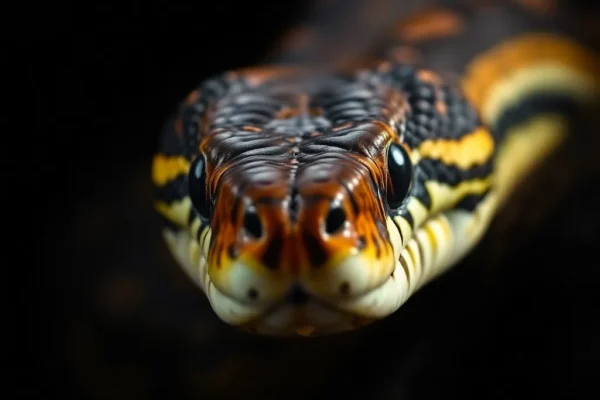
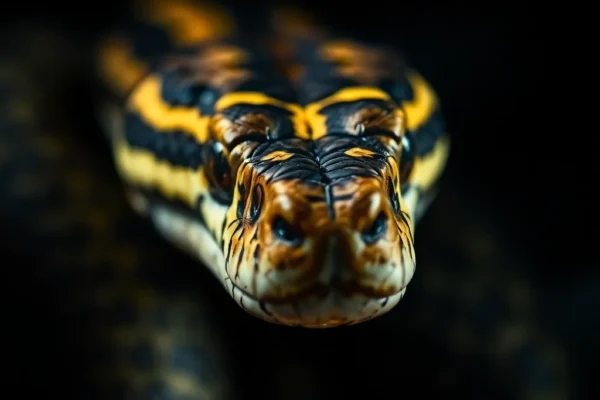
Burmese Python close-up
Burmese Python

SURVIVAL TOOLKIT

Built for Survival

Nature's engineering refined over millions of years

🔬 SURVIVAL TOOLKIT
Constriction Killing
01

Constriction Killing

Powerful circumferential muscles coil around prey and apply progressive pressure precisely calibrated to stop the heart — not suffocate — with extraordinary energetic efficiency.

Pit Organ Infrared Detection
02

Pit Organ Infrared Detection

Labial pit organs lining the upper jaw contain heat-sensitive membranes that detect temperature differences of 0.003°C, creating a thermal image of warm-blooded prey in total darkness.

Backward-Curved Teeth
03

Backward-Curved Teeth

Rows of recurved teeth grip struggling prey and prevent escape while the snake repositions its body for constriction, with independent jaw movement allowing very large prey to be swallowed.

Metabolic Flexibility
04

Metabolic Flexibility

The python's digestive organs atrophy between large meals and regrow on-demand after feeding, allowing the animal to survive for over a year without food using minimal energy.

Thermogenic Shivering
05

Thermogenic Shivering

Females incubating eggs can elevate body temperature 7.3°C above ambient by rapidly contracting muscles — a rare form of endothermy in a reptile.

Silent Colossus of the Jungle. An extraordinary creature that reminds us what we stand to lose.

Jungal Safari · Wildlife Network
💡

Did You Know?

A Burmese python can slow its metabolism by over 70% during fasting periods, surviving years without food by digesting its own internal organ tissue for nutrients.

🍖 DIET: CARNIVORE

What Does the Burmese Python Eat?

🦙
Large Mammals (Deer, Pigs)
🐊
Alligators & Reptiles
🦆
Large Birds
🐭
Rodents & Small Mammals
🐰
Rabbits & Hares
🗺️ GEOGRAPHIC RANGE

Where Do Burmese Pythons Live?

🌍
Continents
📉
Population Trend Declining

Conservation in Action

How You Can Help the Burmese Python

Small actions, taken together, can reverse the decline of species like this one

🌳
Protect Habitat

Support wildlife reserves and protected land corridors

🚫
Stop Poaching

Report illegal trade and back anti-poaching patrols

🔬
Fund Research

Camera-trap studies and population monitoring

🤝
Community Work

Partner with local herders to reduce conflict

📢
Raise Awareness

Educate and inspire future wildlife champions

"Without urgent action, the Burmese Python could disappear from the wild within our lifetime."

PROTECT THEM. PRESERVE THEIR LEGACY.

The Burmese Python's Future
Is In Our Hands

Every share, every donation, every voice raised — makes a difference for wildlife conservation.

🌳Protect Habitat
📢Raise Awareness
💰Fund Research
🤝Community Work
🚫Stop Poaching

"Protect Wildlife. Preserve Our Planet."

Every species matters. Every action counts.

Advertisement