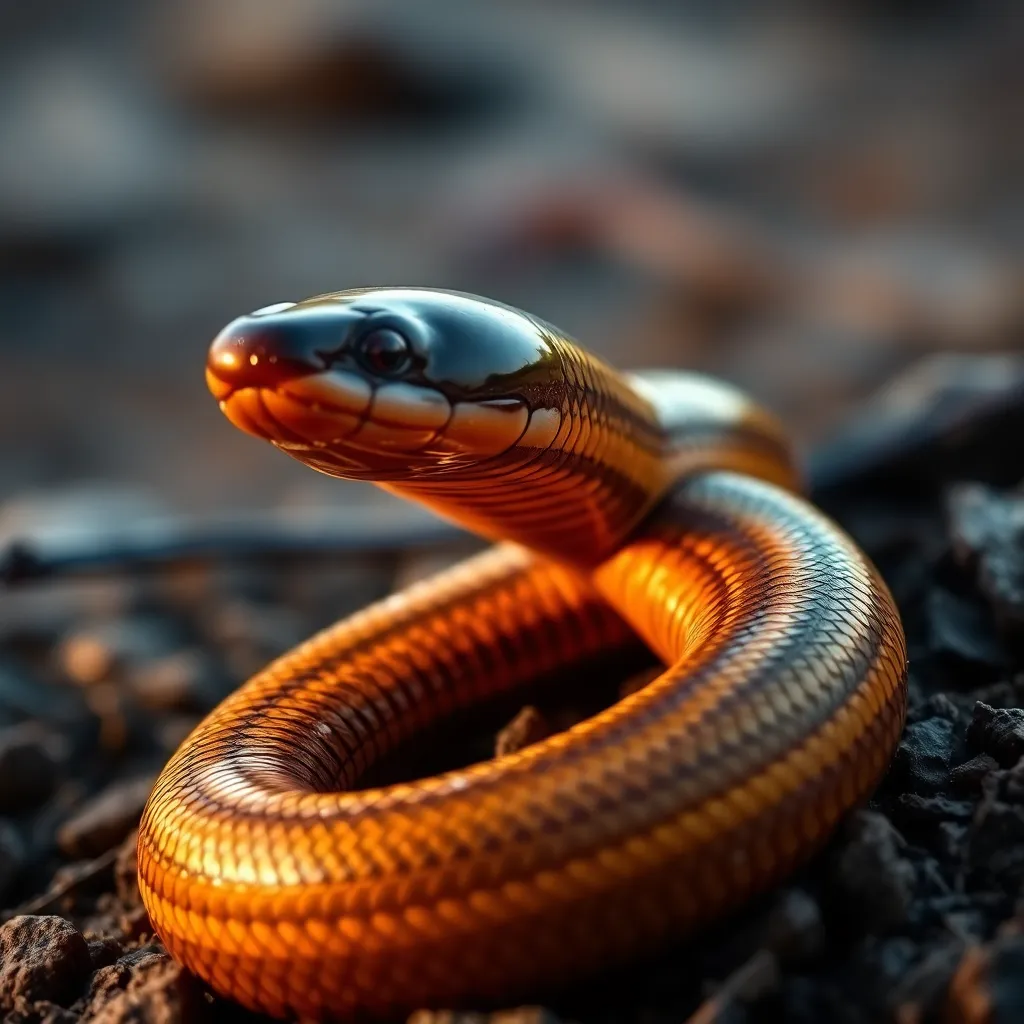
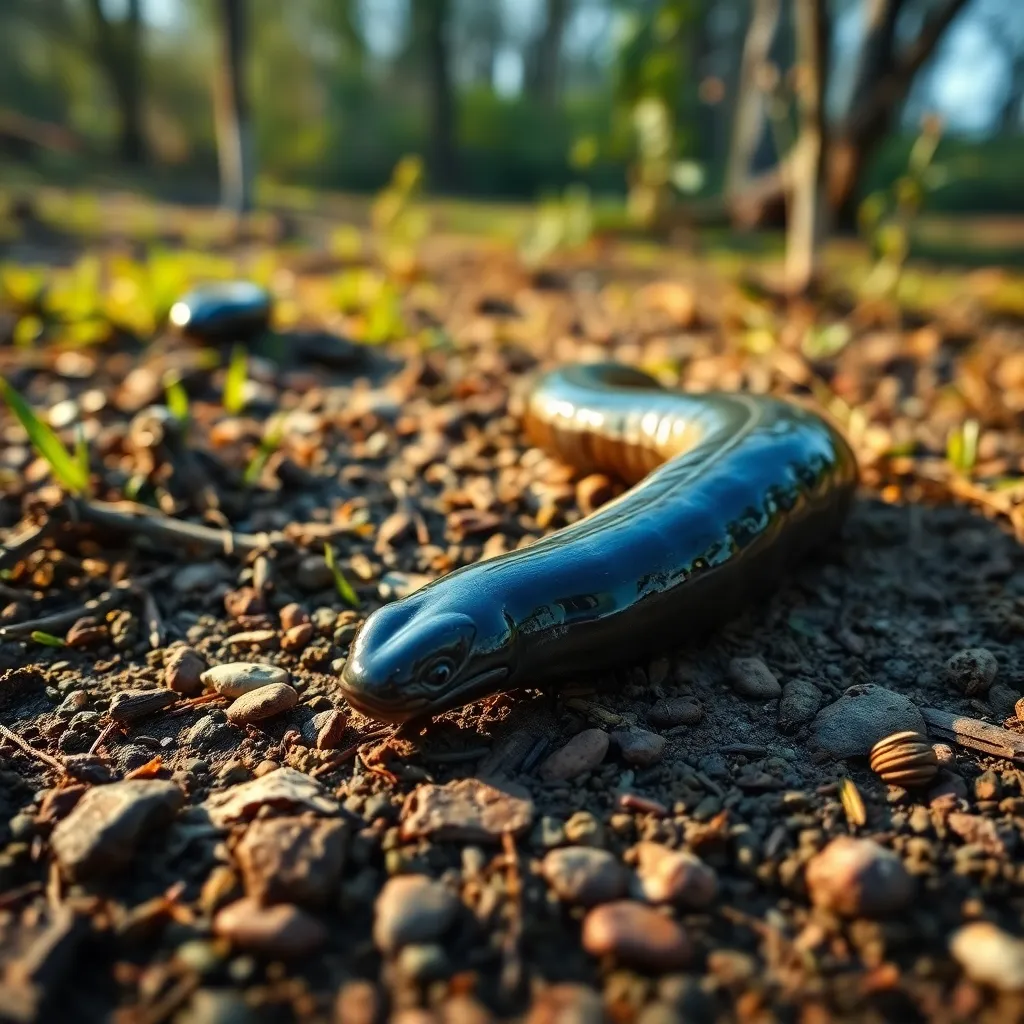
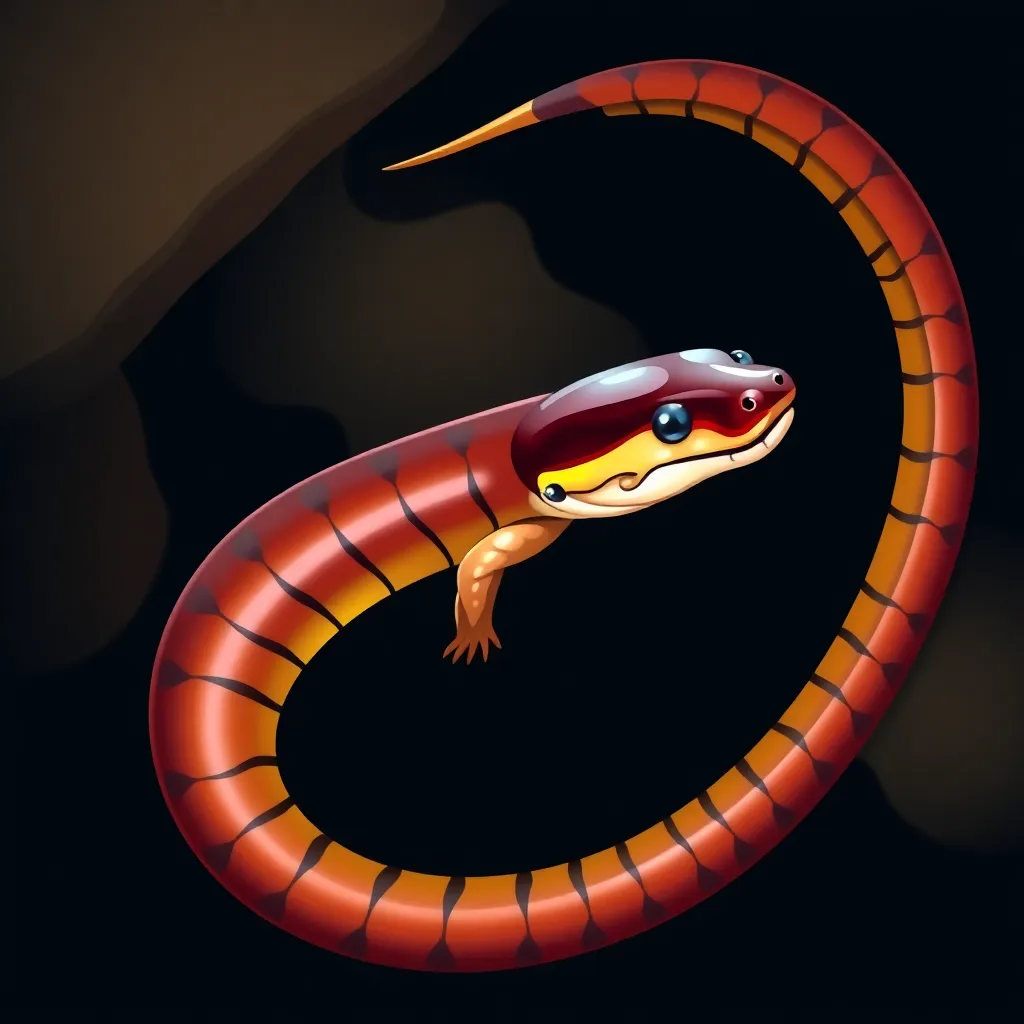
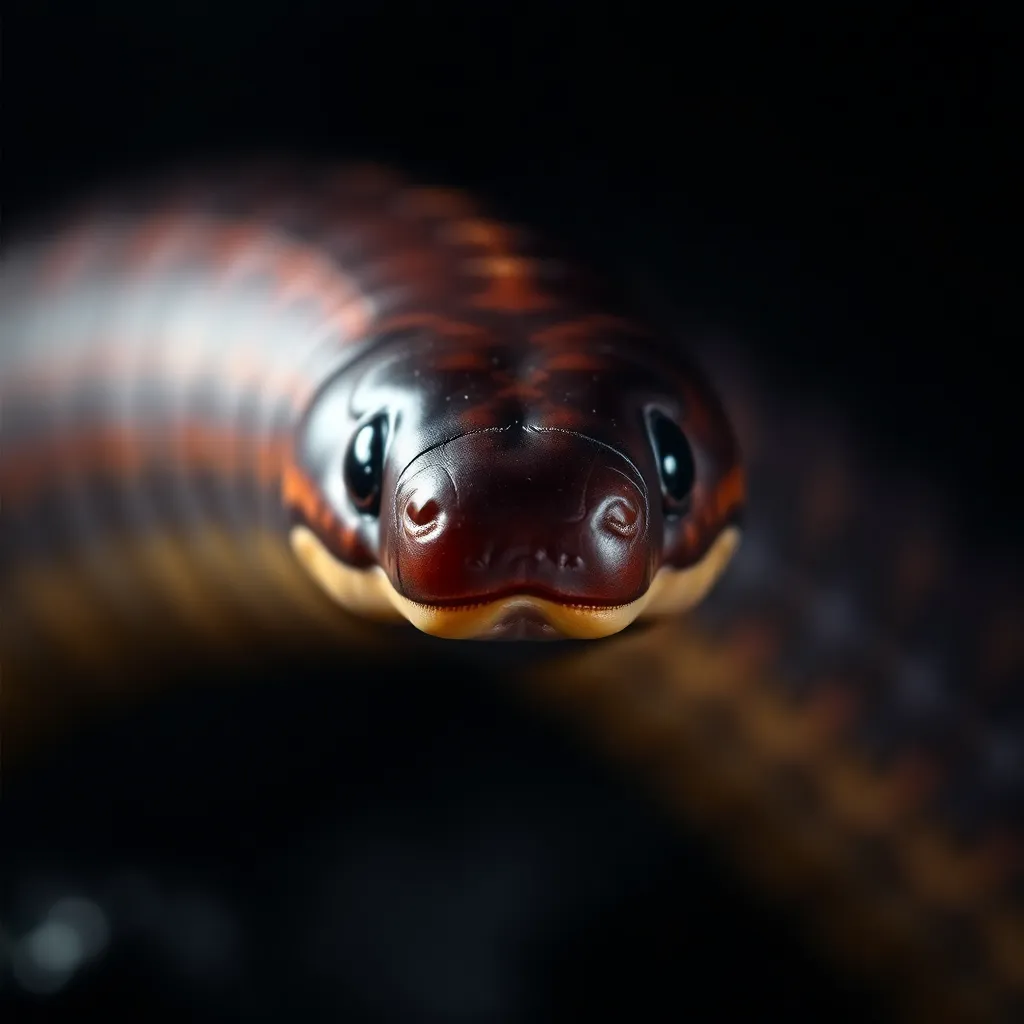
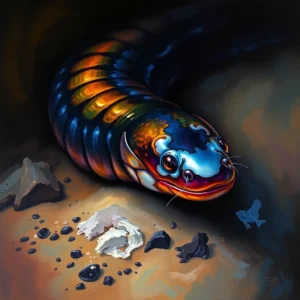
Caecilians are the least-known order of amphibians — limbless, nearly eyeless, and superficially resembling giant earthworms or small snakes. Found in tropical soils and streams of Central America, South America, Africa, and South Asia, they are remarkable among vertebrates for giving birth to live young that feed on the mother’s skin cells in a behavior called dermatotrophy. Despite their obscurity, caecilians are significant predators of soil invertebrates and play important roles in tropical nutrient cycling.
About the Caecilian
Gymnopis multiplicata
Advertisement
⚡ Speed Comparison
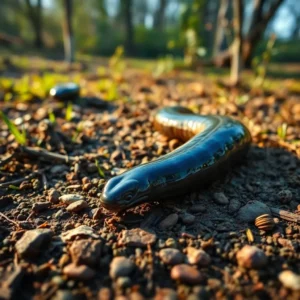
📸 Photo Gallery
💡 Fun Facts
01
Young caecilians peel and eat their mother's specially thickened outer skin in a feeding behavior called dermatotrophy, gaining nutrients while the mother regrows the lost layer.
02
Caecilians have a unique sensory organ called the tentacle, positioned between the eye and nostril, which detects chemical signals like a combined nose and tongue.
03
Some caecilian species are viviparous, with embryos feeding on specialized nutritive secretions within the mother's oviduct before birth.
04
Their skulls are reinforced and bullet-shaped to function as rams for burrowing through packed soil without using limbs.
05
Caecilians are the only amphibians known to have two sets of muscles that work antagonistically to drive a unique dual-bite mechanism, separate from all other vertebrates.
📍 Where to Find This Animal
Habitat Types:
Tropical Forest Soil
🛒 Caecilian Related Gear
As an Amazon Associate we earn from qualifying purchases.


Join the Conversation
Share your thoughts about the Caecilian